


Maintaining a functional and clean kitchen requires more than just wiping down counters and mopping the floor.
One of the most crucial yet often overlooked aspects of kitchen maintenance is what goes down the drain.
Certain substances can wreak havoc on your plumbing, contribute to environmental harm, and even lead to costly repairs.
Below are 10 things you should never pour down your kitchen sink to protect your plumbing, prevent clogs, and keep your home running smoothly.
Grease, Oil, and Fats
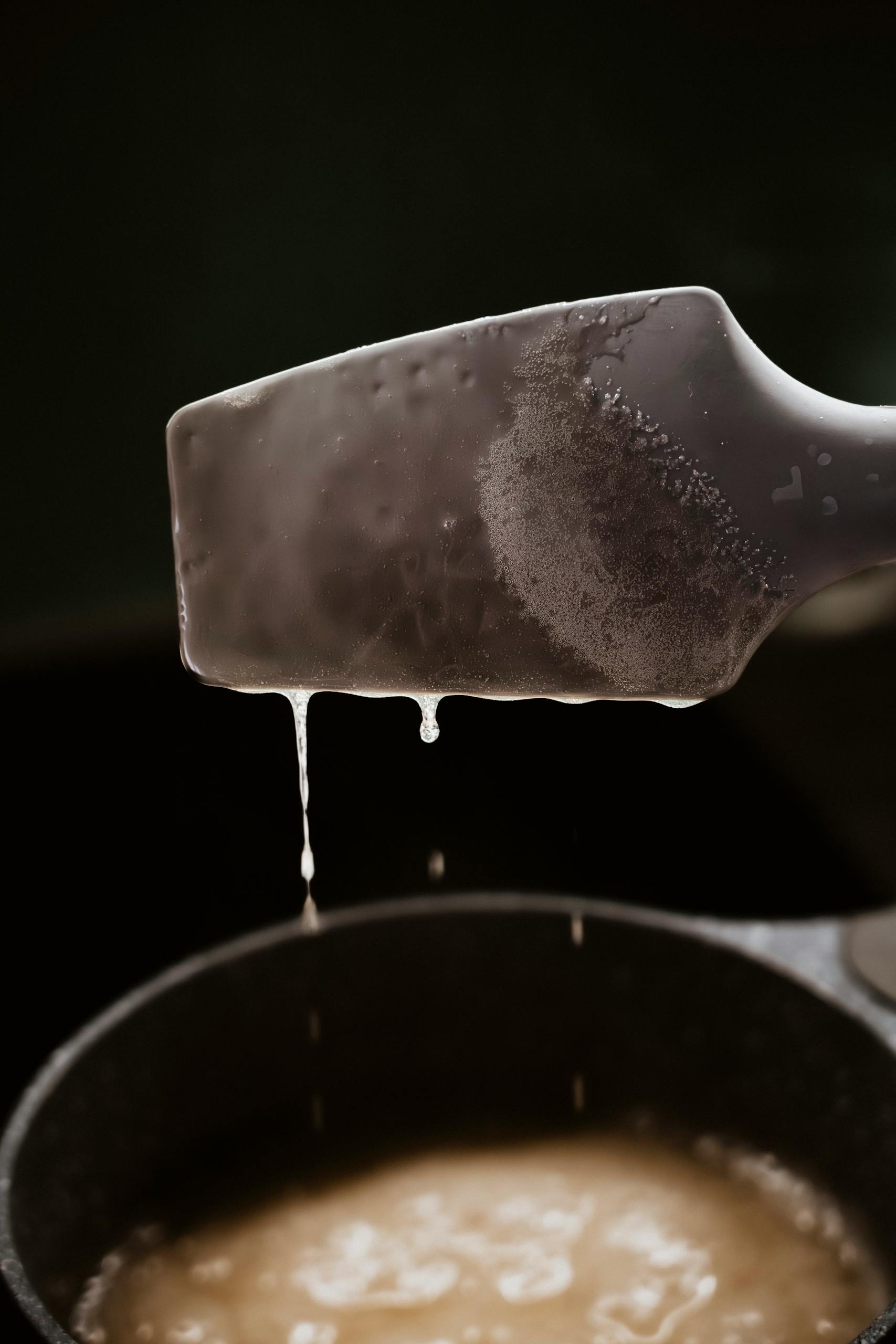
Grease, oil, and fats may seem harmless when they’re still hot, but they turn into a nightmare once they cool.
As they flow through the pipes, they solidify, stick to the pipe walls, and form a thick sludge that traps food and debris.
This buildup leads to blockages, slow drainage, and potential backups. Over time, hardened grease and fats create an environment where more materials can accumulate, leading to significant plumbing issues.
The longer you allow this to happen, the more expensive the fix becomes, requiring professional intervention.
Once grease, oil, or fat cools, scrape it into a container or can and dispose of it in the trash. A small investment in a grease trap can help manage excess fats and prevent long-term problems.
Always ensure that no cooking oil or fatty residue is poured down the sink, no matter how tempting it may be in the moment.
Coffee Grounds
Coffee grounds are deceptively innocent, but they can cause major problems for your kitchen sink.
When mixed with water, they form a dense, clumpy substance that can easily get stuck in your pipes.
Over time, the accumulation of coffee grounds can restrict water flow, leading to blockages that may require a plumber to clear.
Even a small amount of grounds can create substantial problems when flushed down the drain, as they don’t dissolve or break down like other organic materials.
Instead of rinsing coffee grounds down the drain, collect them in a compost bin or throw them in the trash. Not only does this prevent clogs, but it also benefits your garden, as coffee grounds are rich in nitrogen and can be used to enrich the soil.
Eggshells