



The post If Boomers Are So Great, Why Is Gen Z, the Kids They Raised, the Opposite? first appeared on Crafting Your Home.
Generational friction dominates the modern American social landscape, often framing a direct conflict between Baby Boomers and Generation Z. Demographers at the Pew Research Center regularly point out that Generation X serves as the primary parental bridge between these two cohorts.
Many older Generation Z members still grew up in households managed by late-stage Baby Boomers, inheriting the cultural expectations of a mid-century economic powerhouse. Those expectations immediately collided with the realities of the modern American economy.
Federal Reserve consumer finance data outlines a stark financial disparity between the oldest and youngest working adults. Baby Boomers currently hold just over half of all household wealth in the United States. Adults under the age of twenty-five control a mere fraction of a percent of that same wealth pool. This concentration of capital at the top of the age bracket fundamentally alters how younger Americans approach financial planning and career stability.
A competing view, the life-cycle hypothesis in economics, suggests that age-based wealth gaps are a natural function of time in the market rather than an inherent system failure. Older adults have had four extra decades to accumulate home equity and compound interest.
The economic landscape facing young adults today features unique headwinds that complicate that traditional accumulation trajectory. National Center for Education Statistics data show the inflation-adjusted cost of college tuition more than doubled between when early Boomers entered the workforce and when Gen Z started applying to universities.Student loan debt alters the timeline for every subsequent financial milestone.
Corporate loyalty fades as early-career mobility becomes the primary engine of wage growth
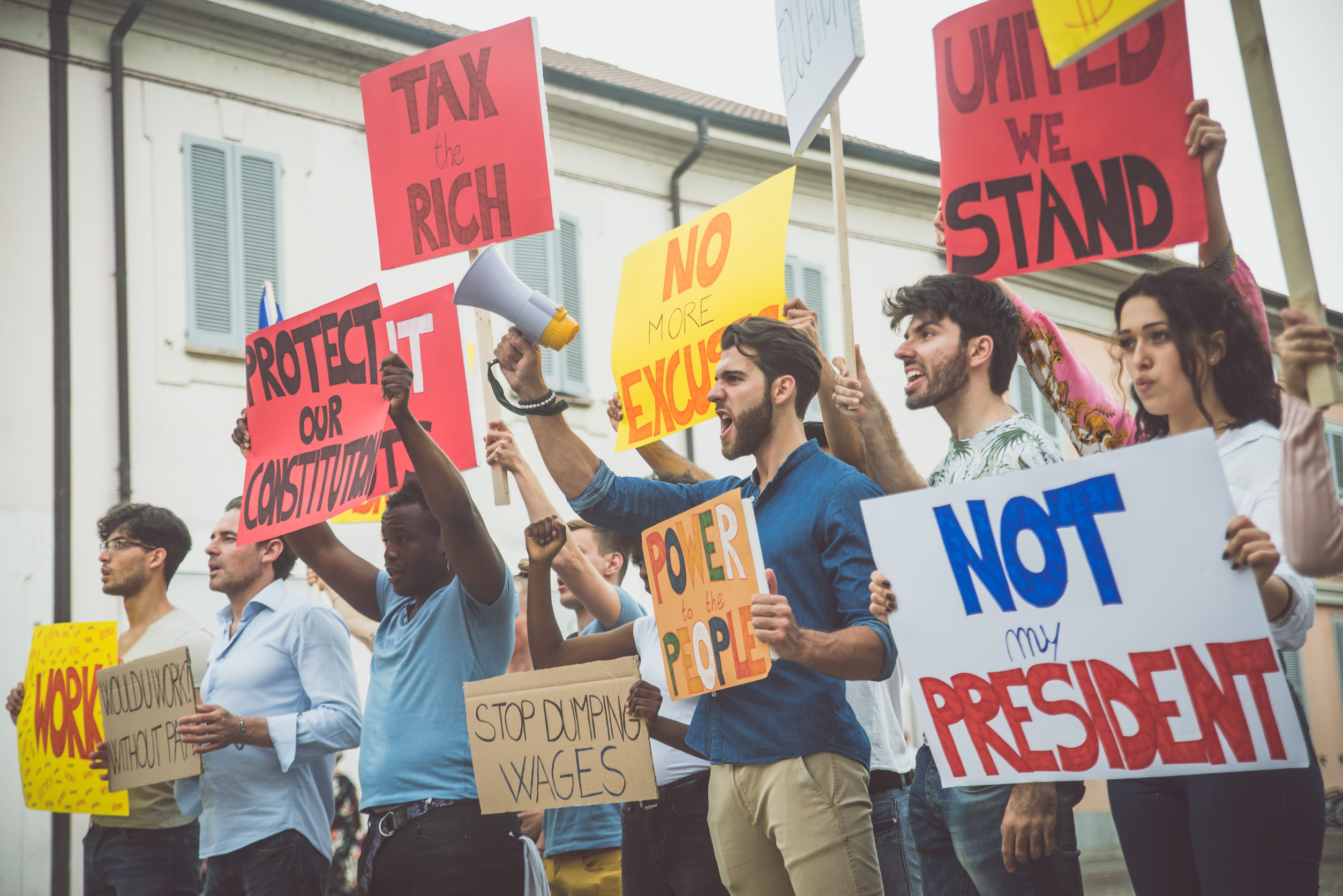
Baby Boomers largely entered a labor market defined by pensions, strong union density, and the expectation of long-term corporate loyalty. Generation Z navigates a gig economy and an at-will employment landscape where staying at one company often results in wage stagnation.
Bureau of Labor Statistics figures show the median job tenure for workers aged 55 to 64 is nearly 10 years. Workers between the ages of 20 and 24 maintain a median tenure of less than a year and a half.
This behavioral shift earns heavy criticism from older managers who interpret job-hopping as a lack of dedication. Young workers counter that moving between companies is the most reliable way to outpace inflation.
Concepts like quiet quitting gained traction on professional networks, describing a philosophy where employees strictly adhere to their job descriptions without offering unpaid overtime. Refusing to perform uncompensated labor directly rejects the hustle culture embraced by previous generations.
Related: It’s Time for a Gen X President After 4 Boomer Presidents and $40 Trillion in Debt
Unprecedented demographic shifts alter the baseline of American cultural identity
United States census data confirms Generation Z is the most racially and ethnically diverse demographic group in the nation’s history. A demographic analysis conducted by Richard Fry at the Pew Research Center indicates just over half of Generation Z individuals identify as non-Hispanic white.
In 1968, when early Baby Boomers were entering early adulthood, that figure stood at nearly eighty-two percent. This immense demographic shift directly impacts consumer preferences, media consumption, and political affiliations.
Social and personal identities are changing in similar ways. Gallup polling data released in 2022 reveals that roughly 21% of Generation Z adults identify as LGBTQ. The same polling organization found that fewer than 3% of Baby Boomers claim the same identification.
Because these identities are significantly more prevalent among younger Americans, corporate marketing strategies and human resources policies must adapt to a completely different set of consumer and employee expectations. Organizations failing to recognize this shift often struggle to recruit early-career talent.
Historical crises severely erode youth confidence in traditional American institutions
Baby Boomers historically maintained higher baseline levels of trust in pillars of American society, including organized religion, the medical establishment, and the federal government.
General Social Survey data tracks a steady decline in institutional confidence over the past 50 years, culminating in profound skepticism among today’s youth. Researchers at the Harvard Kennedy School Institute of Politics found that young Americans possess historically low levels of trust in Congress, the presidency, and the national media.
The information environment accelerates this distrust. Digital networks make verified institutional failures instantly accessible, preventing organizations from quietly burying scandals.
Another perspective holds that younger Americans are not inherently cynical, but demand higher standards of transparency and accountability from the entities that govern their lives.
The demand for radical transparency forces legacy institutions to either modernize their communication strategies or face complete irrelevance.
Climate anxiety and persistent stress replace the existential dread of the Cold War
While the mid-twentieth century forced young Americans to navigate the psychological weight of the nuclear arms race, the modern era presents a distinct set of psychological burdens.
The American Psychological Association publishes anannual Stress in America report, which consistently identifies Generation Z as the demographic experiencing the highest levels of acute stress. Factors driving this crisis include gun violence, political polarization, and the documented realities of a warming climate.
A 2021 global study led by researcher Caroline Hickman, surveyed thousands of young people about environmental collapse. More than half of respondents agreed that humanity is doomed. Climate anxiety dictates how younger Americans make family planning decisions, with a growing cohort citing environmental instability as a primary reason for delaying or foregoing parenthood entirely.
Severe housing constraints force a redefinition of traditional adult prosperity
Mid-century economic standards defined a successful American life through early homeownership, marriage, and children before age thirty. United States Census Bureau data confirms the median age at first marriage has climbed steadily, pushing well past the averages recorded in the 1970s. The National Association of Realtors reports the average age of a first-time homebuyer recently reached thirty-six, the highest on record.
Local zoning regulations and a lack of new construction severely restrict the supply of entry-level starter homes that previous generations relied upon to build early equity.
The National Association of Home Builders notes a historic deficit in housing production that began after the 2008 financial crisis and never fully recovered. Without access to starter homes, younger workers remain trapped in a highly volatile rental market.
Rent inflation outpaces wage growth in most major metropolitan areas, leaving young adults with little surplus income to save for a down payment. Severe inventory shortages and elevated interest rates lock millions of young adults out of the property market entirely.
Younger Americans redefine prosperity through alternative metrics, prioritizing travel, flexibility, and community networks over accumulating physical property.
Because traditional markers of adulthood remain financially out of reach, Generation Z is building a new framework for what a successful life looks like in the United States.
Related: 10 Money-Saving Tricks Boomers Used That Wouldn’t Fly With Younger Generations
Other Posts You May Like
- 10 Issues Driving a Bigger Divide Between Boomers and Younger Americans
- Boomers, Here Are 8 Main Character Syndrome Habits You Show Every Day
If you like what you just read, then subscribe to our newsletter and follow us on social media.


