5 Iconic Food Inventions That Were Once Ridiculed
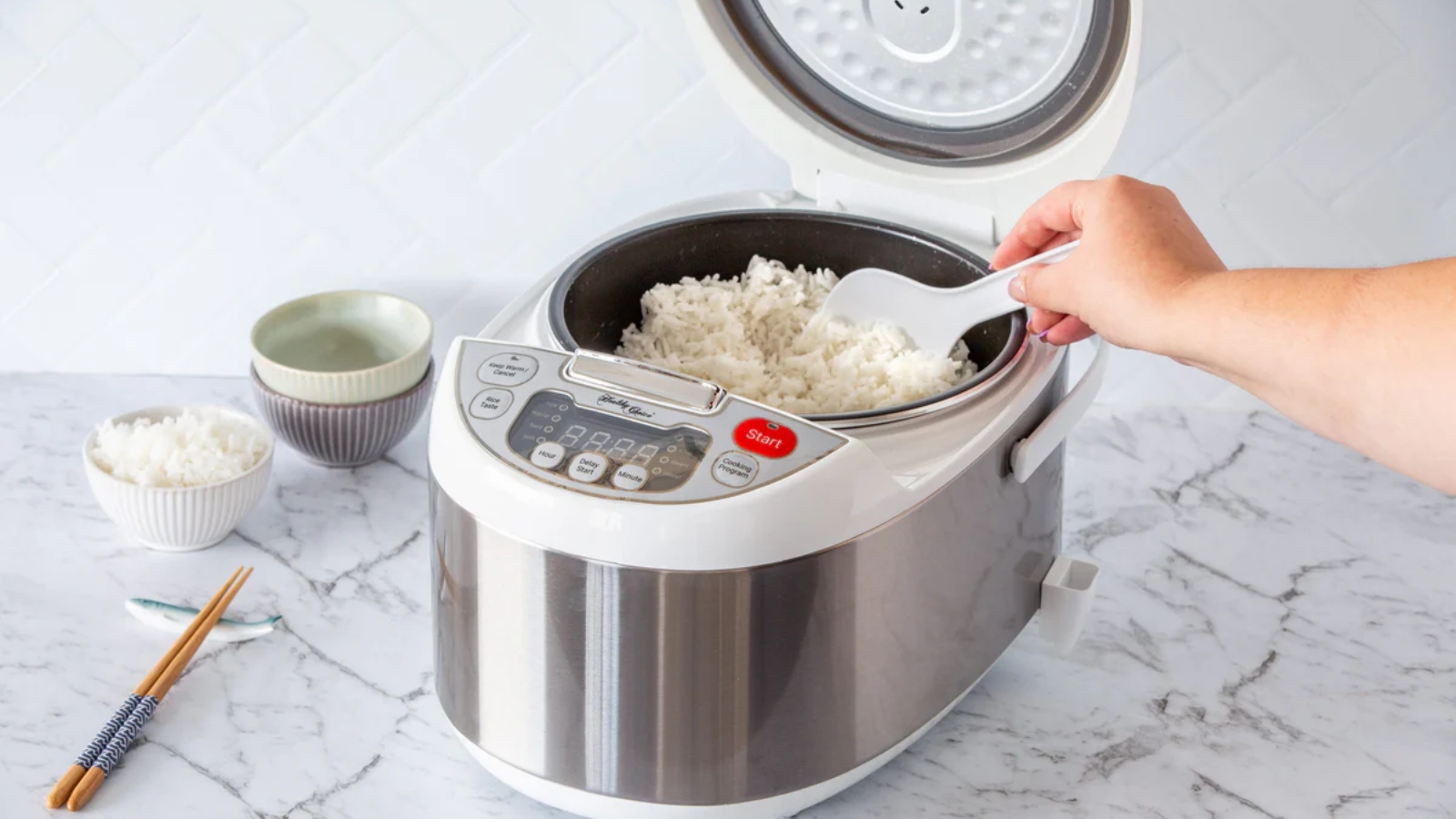
Image Credit: Marklarken, CC BY-SA 4.0, via Wikimedia Commons
Imagine a world without the trusty air fryer, the microwave oven, or even the humble toaster. It’s hard to believe, isn’t it? Yet, just a few decades ago, many of the kitchen gadgets we now rely on were dismissed as fads, impractical, or downright laughable. People scoffed at the idea of a device that could “fry” food without oil or one that could reheat leftovers in seconds.
But time has a funny way of proving critics wrong. These once-mocked inventions have not only survived the test of time but have become the unsung heroes of our daily lives. From the first electric rice cooker that seemed like a luxury no one needed, to the microwave oven that was nearly too bulky for the average kitchen, each of these inventions shares a common thread: they were once seen as unnecessary or even absurd.
Yet today, they’re indispensable in kitchens around the globe. Get ready to discover how innovation, persistence, and a bit of serendipity turned these gadgets from mockery to must-haves.
Air Fryer

Who would’ve thought that an appliance designed to circulate hot air could become a household staple? When the first air fryer emerged in 2010, it was met with doubt. The initial skepticism centered around the idea that it couldn’t possibly create the crispy, fried texture people craved without the use of oil. Critics likened it to a convection oven and predicted its downfall.
But the air fryer had something different—its ability to offer a healthier alternative to deep-frying. As home cooking became more popular during the COVID-19 pandemic, people began experimenting with air fryers. Suddenly, this appliance was everywhere. It allowed people to prepare crispy foods with little to no oil, and it saved time compared to traditional methods. Now, air fryers are considered a kitchen essential, and their popularity continues to soar.
Electric Rice Cooker
Rice is a cornerstone in many global cuisines, yet cooking it perfectly has always been tricky. Early attempts, such as cooking rice over an open flame, often led to either burnt or undercooked rice. The invention of the electric rice cooker was a breakthrough in simplifying this process. Yet, when Mitsubishi introduced the first electric rice cooker in 1923, it was met with indifference.
Many households still didn’t have electricity, and the technology was considered unnecessary. It wasn’t until the 1950s, when Toshiba developed an automatic rice cooker, that the appliance truly caught on. While it took several years to perfect the design, by the 1980s, rice cookers were a common feature in Japanese kitchens. Today, they are used worldwide for making everything from sushi rice to porridge, showing how innovation can evolve from mockery to necessity.
Toaster
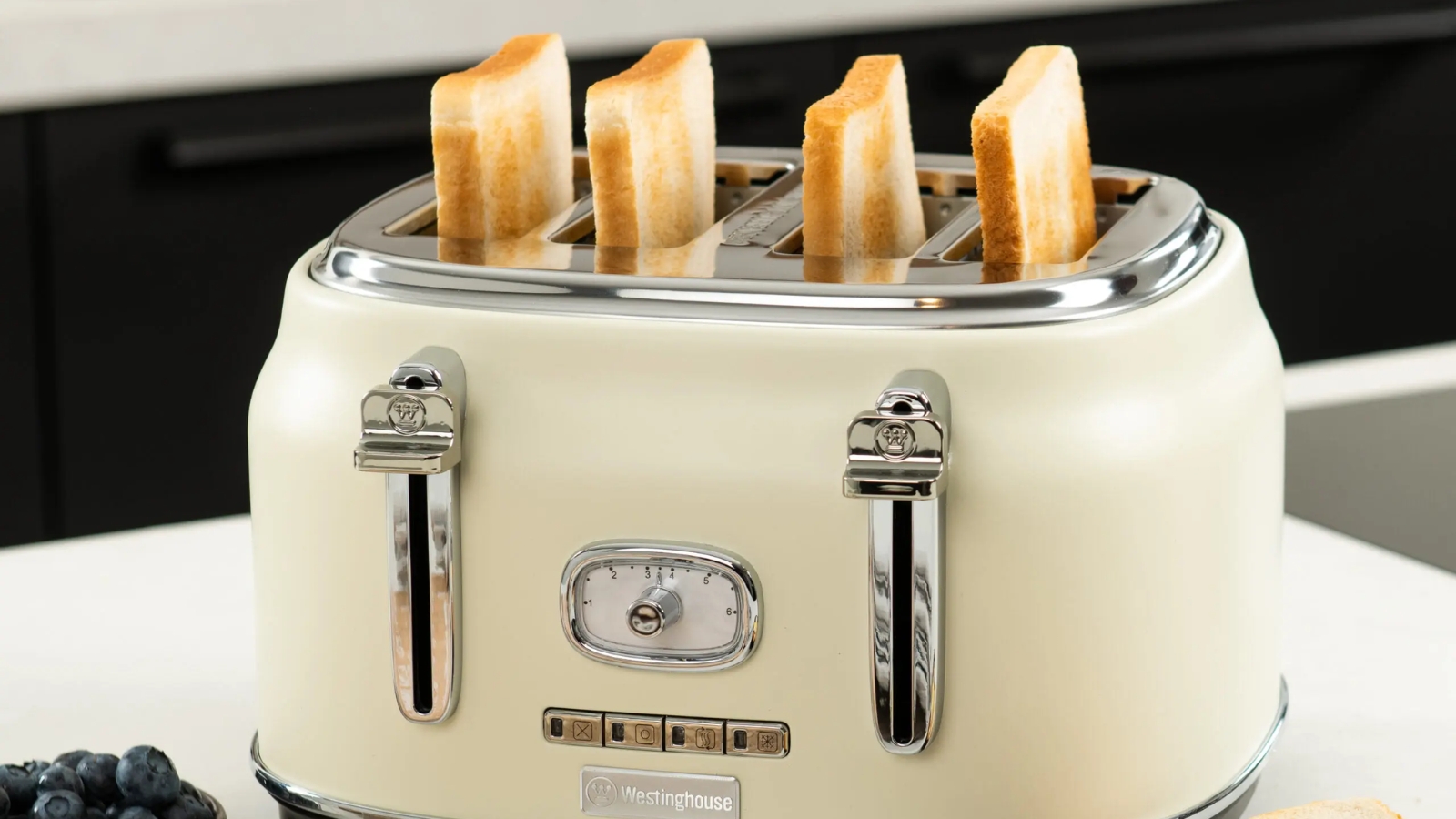
The concept of toasting bread dates back centuries. Ancient Romans, for example, would scorch their bread over an open flame. Yet, when Frank Shailor patented the first commercial toaster in 1909, it wasn’t immediately embraced. The device could only toast one side of the bread at a time, requiring the user to flip it manually. Critics claimed it was more of a hassle than a help.
But innovation doesn’t stop at a single design. The toaster evolved. By 1921, Charles Strite’s invention of the automatic pop-up toaster became a massive success. It turned the simple act of toasting into a quick, hands-free experience. The toaster, once a mockery, is now a kitchen classic.
Microwave
The microwave oven is now a standard appliance in nearly every home, but its origins are far from conventional. In 1946, Percy Spencer, an American scientist, was working on radar technology for the military when he discovered the heat-generating properties of microwaves. Spencer noticed that a chocolate bar in his pocket had melted, and the idea for the microwave oven was born.
Despite its promising beginning, the first microwave ovens were bulky, expensive, and not very effective for home use. They weighed over 700 pounds and were more of a curiosity than a useful appliance. However, as technology improved, microwave ovens became more compact and affordable, eventually becoming indispensable for reheating leftovers and preparing quick meals.
Stand Mixer
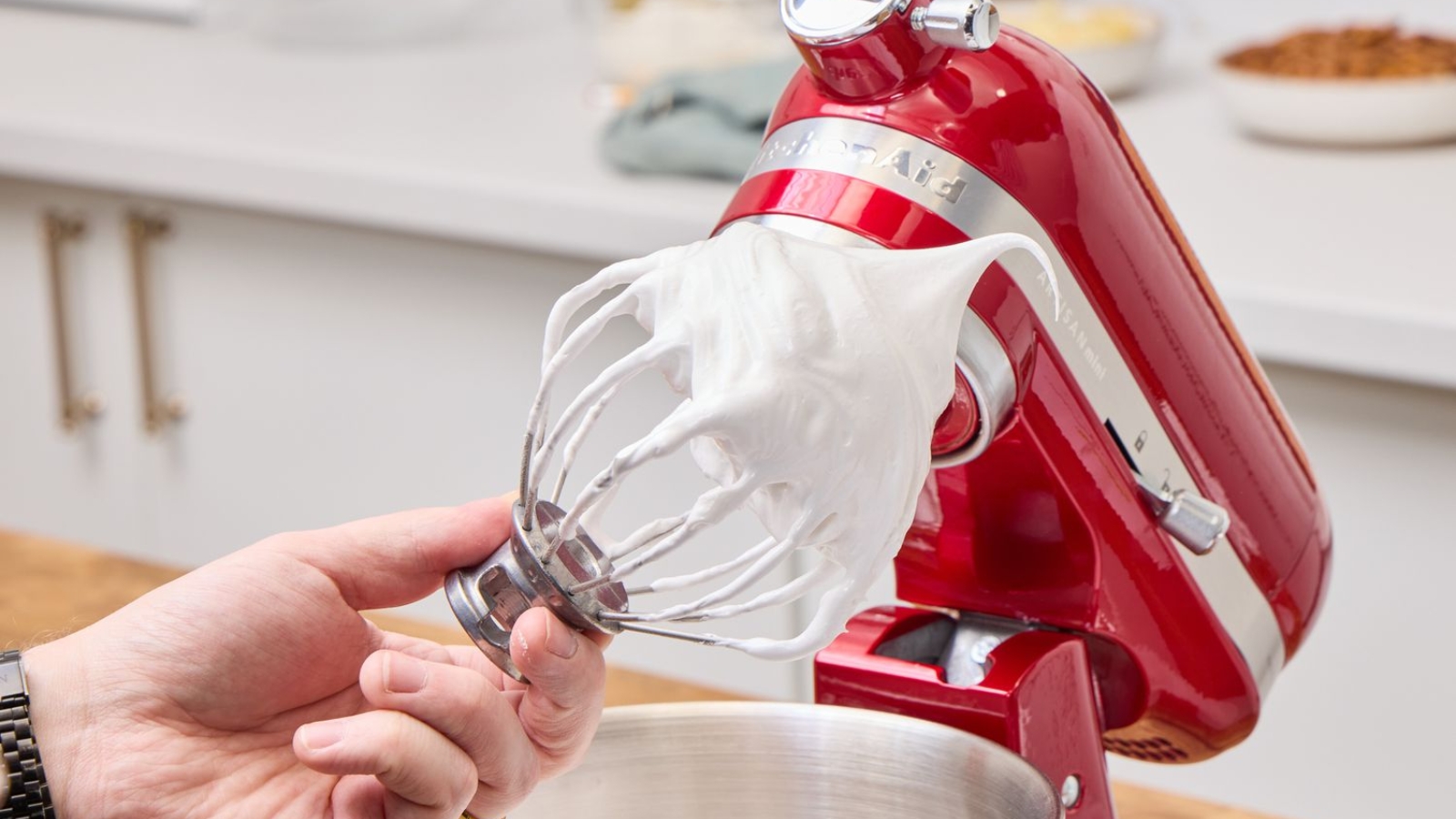
The KitchenAid stand mixer is now a beloved kitchen appliance, known for its versatility and range of beautiful colors. However, its journey to popularity was anything but smooth. The first household eggbeater, invented by Herbert Johnson in 1919, was a bulky and expensive machine that failed to gain traction.
It wasn’t until 1936, when KitchenAid released a more compact and affordable stand mixer, that the appliance found its audience. The mixer’s aesthetic appeal, along with its practical uses, helped it become a staple in kitchens around the world. Now, KitchenAid’s stand mixers are icons, with an entire range dedicated to various kitchen tasks.
Coffee Machine
The coffee machine is central to modern coffee culture, but it hasn’t always been smooth sailing. The first espresso machine, invented by Angelo Moriondo in 1884, was not an instant success. Though it could brew coffee quickly, it wasn’t refined enough to appeal to discerning coffee drinkers.
Over the years, improvements to the design and technology turned the espresso machine into the modern marvel we know today. Today, coffee machines are indispensable to homes and cafes worldwide, offering a range of brewing methods that cater to different tastes and preferences. The coffee machine, once an afterthought, has now become an essential part of daily life.
Key Takeaways
The inventions we now rely on in our kitchens were once mocked, dismissed, or simply ignored. From the air fryer to Tupperware, these gadgets have not only survived their critics but have thrived, changing the way we cook, eat, and store food. Innovation often begins with skepticism, but history shows that when the right ideas meet the right timing, they can transform the world.
Today, as we look at our modern kitchens, we see these once-derided inventions, now indispensable. They stand as a testament to the power of innovation, and remind us that sometimes, the best ideas come from the most unexpected places.