A busy schedule does not have to mean giving up on movement. For many people, finding an open hour for exercise can feel impossible, but staying active doesn’t always require a long workout or a gym trip.
Small choices throughout the day can create more opportunities to move. From taking short walks to making daily tasks more active, simple habits can help people build more movement into their routines.
Guidance from the Centers for Disease Control and Prevention and the World Health Organization highlights the importance of regular physical activity for adults. These recommendations show that people can include activity in everyday life in different ways, making movement more realistic for those with busy schedules.
Why small movements matter for busy people
Modern routines often involve work, family responsibilities, commuting, and other commitments that leave little extra time. For people who struggle to set aside time for traditional workouts, the challenge is often not motivation but finding a practical way to fit movement into the day.
The idea behind a busy person’s fitness routine is simple: movement does not have to happen in one large block of time. Instead, daily activities can become opportunities to stay active.
A few minutes of movement here and there can help people create a more consistent routine. The focus is less on finding the perfect workout schedule and more on making activity a regular part of everyday life.
Take short walks daily.
Image credit: by Tiago Chaves/pexels
Walking is one of the easiest ways to add more movement to a busy day. A short walk can fit into different parts of a schedule, making it easier for people who do not have time for longer exercise sessions.
Some people may find opportunities to walk during breaks, after meals, or while completing daily errands. The important part is creating a routine that feels manageable and repeatable.
Short walks may seem small, but they can become a reliable habit with consistent practice. Building movement into the day can be easier when the activity feels simple rather than overwhelming.
Small choices during normal routines can also create more opportunities for movement. Choosing stairs instead of taking an easier option whenever possible is one example of how everyday decisions can increase activity.
This approach does not require setting aside special workout time. It turns a normal part of the day into a chance to move more.
For people with packed schedules, these small adjustments can be easier to maintain because they fit naturally into existing routines.
Break up long sitting periods.
Many people spend long stretches of the day sitting because of work, travel, or other responsibilities. Breaking up these periods with movement can add more activity to the day.
Simple changes, such as standing up or moving around regularly, can create more balance in a schedule that includes a lot of sitting.
The goal is not to completely redesign the day. It is to recognize opportunities to move and avoid letting long periods of inactivity become the only pattern.
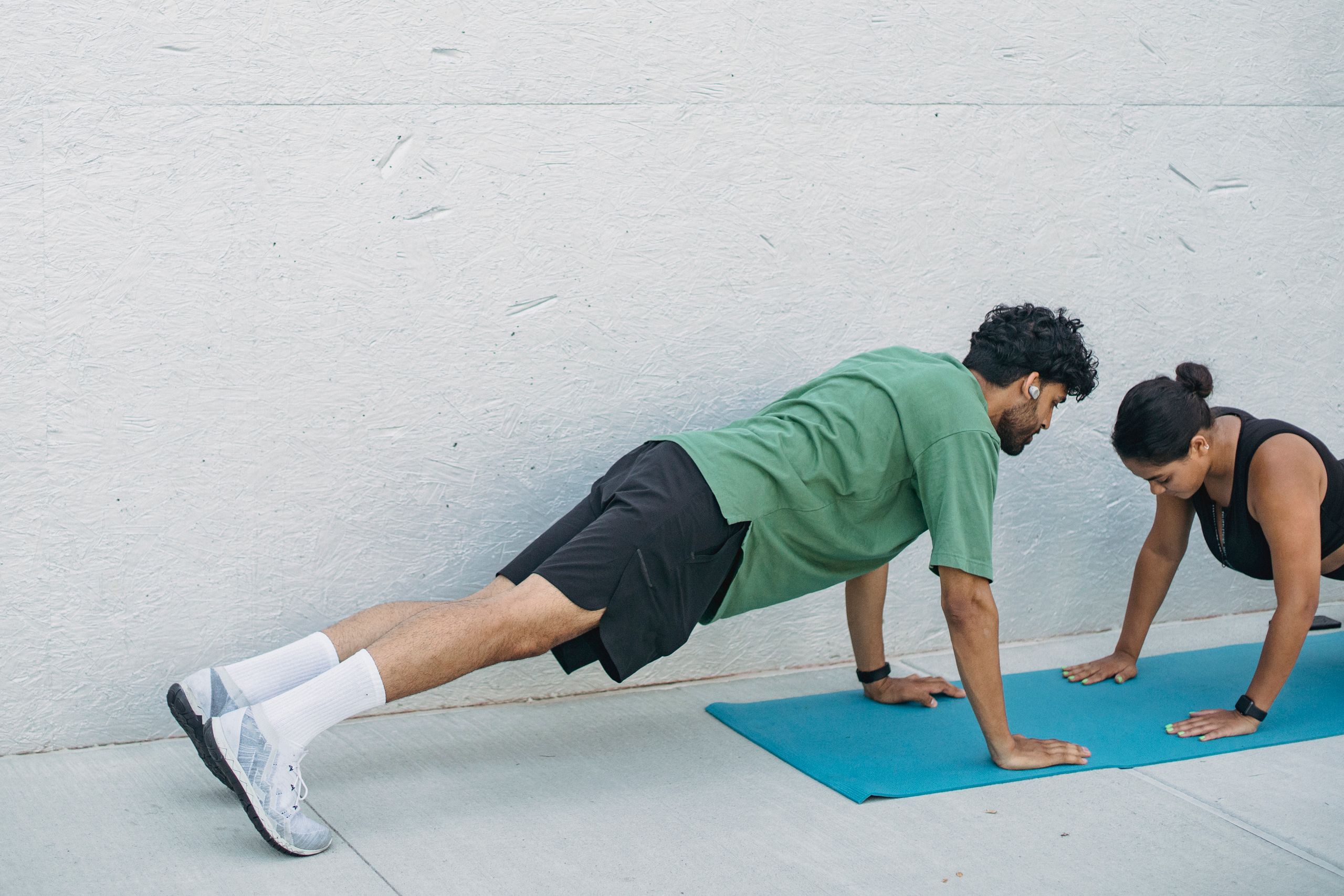
Do quick bodyweight exercises.
Image credit: by Maksim Goncharenok/pexels
Exercise does not always require equipment or a dedicated workout space. Quick bodyweight movements offer another option for people with limited time.
Short sessions can be easier to fit between other responsibilities. A few minutes of focused movement may feel more realistic than scheduling a long workout that may be hard to maintain.
For busy individuals, having simple options available can make it easier to stay consistent with physical activity.
Make everyday tasks more active.
Daily responsibilities can also become opportunities for movement. Household tasks and regular activities can involve more physical effort when people approach them with an active mindset.
Instead of viewing movement only as something that happens during planned exercise, people can look at their entire day as a chance to stay active.
This shift can make fitness feel less separate from everyday life. Movement becomes part of the routine rather than another task added to an already full schedule.
One of the biggest challenges with exercise is creating habits that last. A routine that feels impossible to maintain is harder to keep, especially during busy periods.
Focusing on consistency can make staying active feel more achievable. Regular movement, even in smaller amounts, can become part of a person’s lifestyle when it fits their daily routine.
The CDC and World Health Organization both emphasize the value of regular physical activity for adults. Their guidance supports the idea that people can find different ways to include movement in their lives.
Building a realistic fitness routine
Image credit:by Ketut Subiyanto/pexels
Staying fit during a busy season of life does not require completely changing your schedule. It can start with small decisions that add movement throughout the day.
A short walk, a few minutes of exercise, taking the stairs, or moving more during everyday tasks can all become part of a practical approach.
The key is finding habits that fit your lifestyle and sticking to them. Fitness does not have to compete with a busy schedule. It can fit into it.