Horrifying Ancient Medicine Practices You Won’t Believe Existed
Image Credit: jnie/123rf
Humanity has sought cures for ailments, often using methods that we now find utterly appalling. With swallowing ground-up mummies and being immersed in whale carcasses, these treatments were once believed to hold life-saving powers.
The beginning of medical history are littered with practices that, while seemingly absurd today, were once common treatments for various conditions. These “cures” were often a product of limited knowledge, desperation, and sometimes just plain superstition.
However, what was once considered cutting-edge medical science now seems more like a horrific experiment in survival.
Let’s have a look at the seven most terrifying and appalling treatments used in the past to combat diseases, injuries, and ailments.
Bloodletting

One of the most notorious and widespread practices of ancient and medieval medicine was bloodletting. Physicians believed that many illnesses were caused by an imbalance in the body’s four humors: blood, phlegm, black bile, and yellow bile. To restore balance, doctors would drain blood from the patient, often in large quantities.
The method could involve using leeches, cutting open veins, or specialized tools like lancets. Even though bloodletting was used to treat a range of diseases, from the common cold to more serious conditions like fever and tuberculosis, it often worsened the patient’s condition rather than improving it.
The famous physician Hippocrates even recommended bloodletting as a remedy for nearly every illness.
Despite its lack of efficacy, bloodletting persisted for centuries, well into the 19th century, when more scientific approaches to medicine began to emerge.
Mercury as a Solution for Syphilis
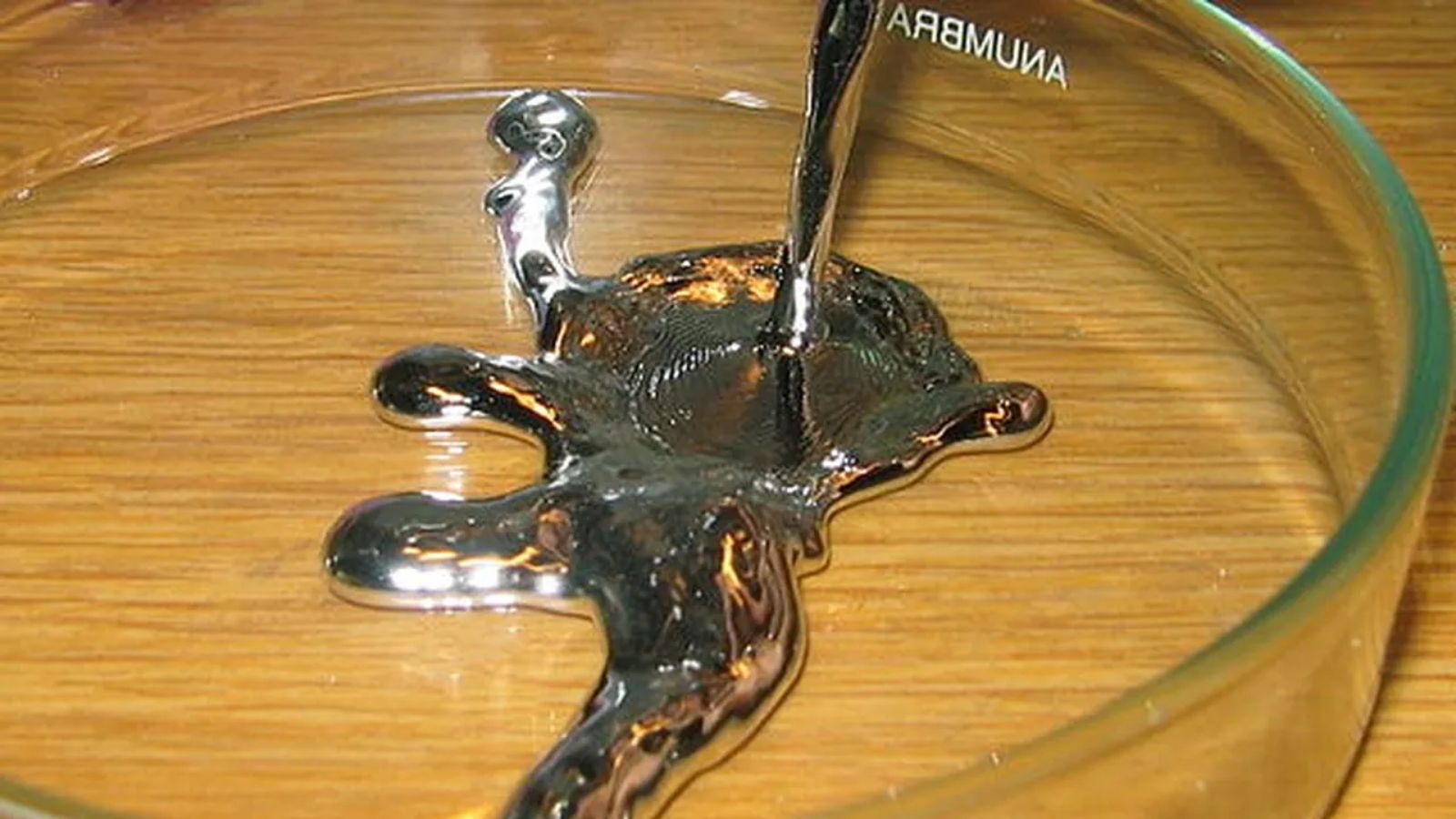
In the 16th century, mercury became a widely used treatment for syphilis, a rampant sexually transmitted infection. Mercury ointments were applied directly to the skin or even taken orally in the form of mercury-laced pills. Physicians believed that the toxic properties of mercury could “purge” the body of the infection.
Patients undergoing mercury treatments were often subjected to seclusion in hot rooms to make them sweat, with the hope that this would expedite the removal of the disease. However, the side effects of mercury exposure were horrific.
Ironically, many people who underwent mercury treatment died from mercury poisoning rather than the disease itself. Today, we know that mercury is highly toxic and should never be used in medicinal practices.
Prolonged use of mercury caused kidney failure, nervous system damage, mouth ulcers, and severe tooth loss.
The Camel Poop Shampoo
In ancient Egypt, people believed that camel dung had therapeutic properties. Among the bizarre uses of camel waste, one of the most disturbing was its use as a hair treatment.
This “camel poop shampoo” was believed to have medicinal properties, helping prevent hair loss and promote healthy hair growth.
The use of feces for medical purposes seems repulsive by today’s standards, and the Egyptians believed that the microbial properties of camel dung could help balance the body’s humors and heal various ailments.
Egyptian doctors recommended mixing camel poop with oils and herbs to make a conditioning paste that was applied to the scalp.
Mummy Powder
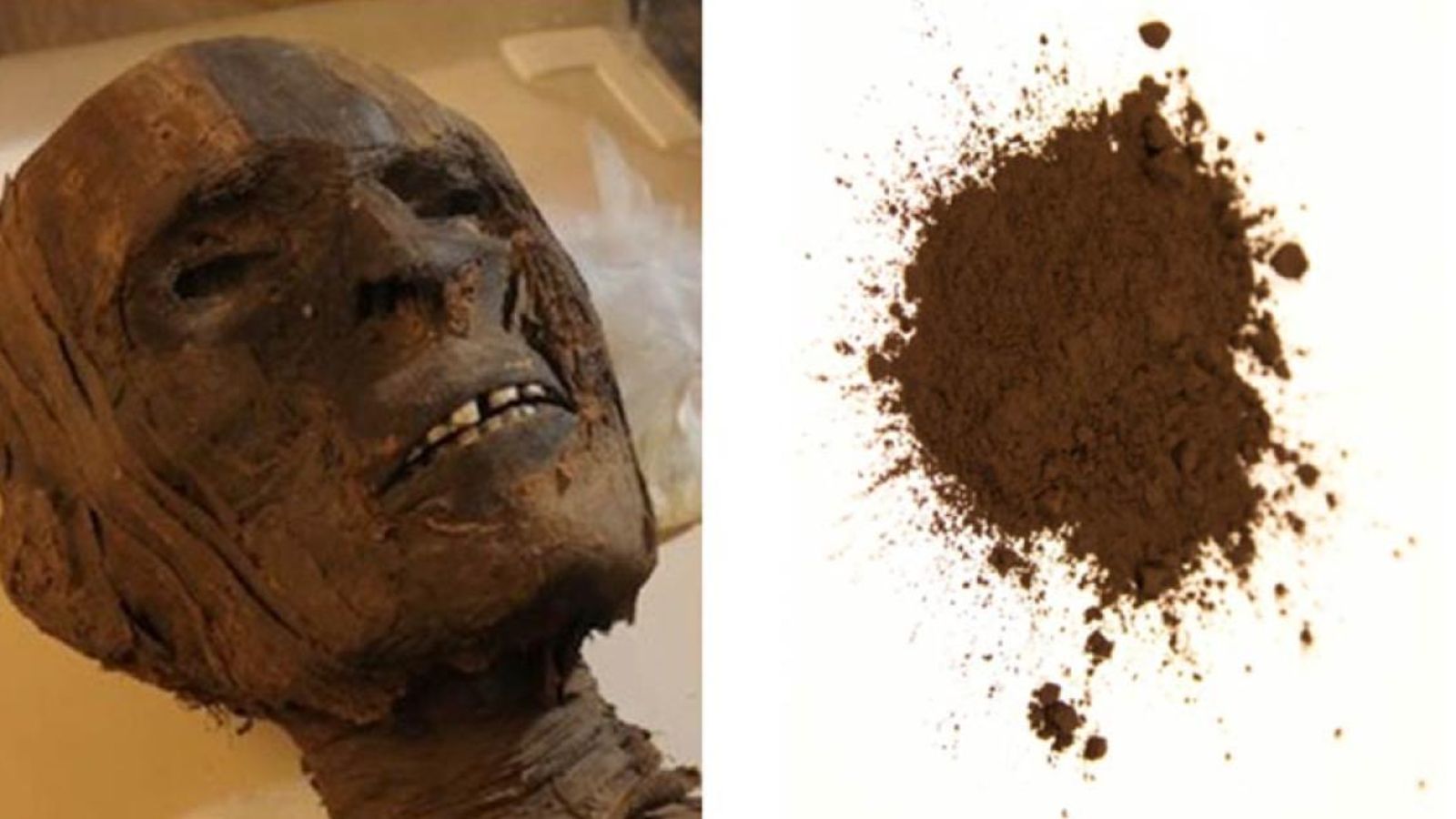
The 16th and 17th centuries saw a truly morbid medical craze: the consumption of mummy powder. When European explorers discovered the tombs of ancient Egyptians, they became fascinated with the preservation methods and the supposed powers of mummies.
Doctors at the time believed that mummies, both human and animal, could cure a wide range of ailments, from headaches to wounds. Mummies were ground into powder and mixed into concoctions with other ingredients, sometimes even chocolate, in hopes of healing their patients.
This strange practice of “mummy medicine” was based on the idea that consuming parts of the dead could transfer their power or healing properties to the living.
Over time, mummies became a commodity, sold as medicine in Europe.
Whale Carcass Soaks as a Treatment for Arthritis

One of the treatments used in the early 1900s was soaking in a dead whale carcass to treat arthritis. In Australia, patients with rheumatoid arthritis were taken to a whaling station where they were submerged up to their necks in the putrefying remains of a whale.
The treatment was believed beneficial because of the warmth generated by the gases produced by decomposition. The idea was that the heat and the peculiar environment inside the whale would alleviate pain and promote healing.
While some patients reported temporary relief, the practice is as strange and unpleasant as it sounds.
The Hair of the Dog as a Cure for Rabies
Rabies is a deadly disease that has haunted humanity for centuries, and in the ancient world, there was little understanding of how to treat it. In Roman times, Pliny the Elder recommended a bizarre remedy for dog bites: capture the dog that bit you, burn its fur, and apply the burnt hair to the wound.
This strange method was part of a broader belief that “hair of the dog” could cure a range of ailments.
While this treatment is not nearly as shocking as others, it was part of the early attempts to deal with the mysterious and deadly disease of rabies.
How Far We’ve Come in Medicine
As we look back on these horrifying medical treatments, it’s easy to feel both repulsed and relieved that we no longer rely on such methods.
Modern medicine has come a long way, from understanding the importance of hygiene and sanitation to the development of vaccines, antibiotics, and advanced surgical procedures.
Despite the grotesque and misguided practices of the past, they were driven by a desire to heal and a lack of scientific understanding. Today, we benefit from centuries of progress in medical knowledge, technology, and research.