
The post Forget “One and Done”: Why Singles Are Finally Giving the Second Date a Real Shot first appeared on Crafting Your Home.
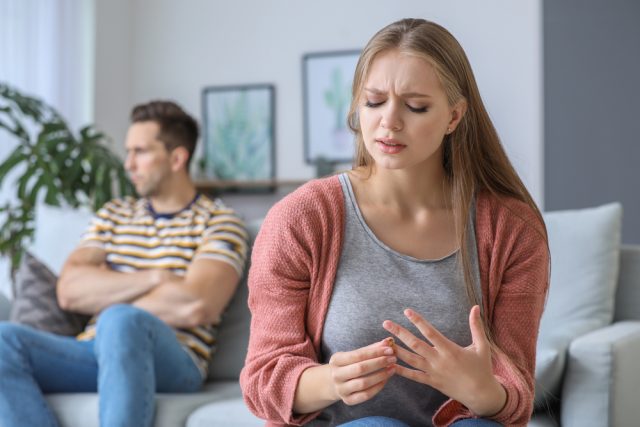
Not all dates feel a courtroom verdict; no appeals. If the conversation lagged for even thirty seconds or the joke didn’t land quite right, that was it: case closed, next defendant, please. Singles ghosted, swiped on, and moved forward without a second thought, treating one mediocre hour as a full and final judgment on a person’s romantic potential.
That era appears to be winding down. Across dating apps, matchmaking services, and academic research alike, a consistent and somewhat surprising theme keeps surfacing: people are no longer so quick to write someone off after a single lukewarm date. Instead of treating the first meetup as a make-or-break moment, more singles are extending grace, curiosity, and perhaps most notably an actual second date. Standards haven’t dropped. It’s that the entire approach to figuring out whether someone is worth pursuing has quietly evolved, and the data backing this shift, straight from the organizations that collected it, is more interesting than you might expect.
Why Where You Go on a First Date Might Matter More Than Whether Sparks Flew Immediately

For years, the go-to first-date formula was dinner, maybe drinks, and a lot of pressure to keep conversation flowing across a table for two. According to Tawkify, a personalized matchmaking service that has tracked hundreds of thousands of real-world matches since 2012, that formula might be working against singles rather than for them. Tawkify’s Dating Trends Report, released directly by the company, found that dates built around a shared activity are roughly 1.25 times more likely to lead to a second date at a.
Brie Temple, Tawkify’s Chief Commercial Officer, explained the logic behind the numbers directly in the report. She noted that the popularity of activity-based dates lines up with research suggesting couples who do physical activities together tend to feel happier and more connected, while noisy, distraction-heavy bar settings aren’t built for authentic conversation or a deeper level of getting to know someone.
That distinction changes everything about how a first date actually gets judged. A mini-golf outing, a walk through a museum, or a hike doesn’t put either person under a microscope the way a candlelit dinner does. There’s less silence to fill, less awkward eye contact to sustain, and far more natural material for conversation. When the format takes the pressure off, a rough patch in conversation reads less like a dealbreaker and more like, well, nerves, which makes it a whole lot easier to justify giving someone another shot, according to Tawkify’s own findings.
Related: 6-ways-healthy-couples-handle-conflict
Why Singles Are Rewriting the Unspoken Rules Around Ghosting and Rejection
Beyond the “where,” a meaningful shift is also happening in the “how,” specifically how singles treat each other once a date wraps up. Tinder’s Year in Swipe 2025 report, based on a survey of thousands of daters between the ages of 18 and 25 across the United States, United Kingdom, Canada, and Australia, found that 56% of respondents said honest, real conversation matters most in dating right now, while 64% pointed directly to emotional honesty as the area dating most needs to improve. Both figures come directly from Tinder’s own published research.
One statistic in particular, also from Tinder’s report, stands out as directly relevant to the second-date shift: 45% of those surveyed said they want to see more empathy shown after a rejection. That’s not a small number, and it signals something bigger than etiquette. It suggests a growing recognition among daters that ghosting someone, or dismissing them entirely after one so-so interaction, isn’t just inconsiderate; it’s a missed opportunity dressed up as decisiveness.
Melissa Hobley, Tinder’s Chief Marketing Officer, spoke to this cultural mood shift when the report was released, saying singles are done overanalyzing every message and overthinking every match, and that they’re craving connection that feels easy and honest rather than another source of stress. That kind of patience doesn’t stay contained to texting etiquette. It bleeds naturally into how long someone is willing to give another person before deciding whether there’s something worth pursuing.
Related: The Mind-Body Connection: Why Mental Health Fuels Better Intimacy
Why Honesty, Not Instant Chemistry, Is Quietly Becoming the New Dating Currency
If there’s a throughline connecting all of this, it’s trust and, more specifically, how singles are rebuilding it. Dr. Justin Lehmiller, a social psychologist and research fellow at the Kinsey Institute, has spent years studying modern dating behavior through the “State of US” study, conducted alongside DatingAdvice.com. His analysis of the most recent findings, published directly on his own Sex and Psychology blog, found that honesty consistently ranks as the single most important quality singles look for in a partner, outranking humor, physical attraction, and nearly every other trait typically associated with instant chemistry.
That same research, again from Leh miller’s own published analysis, also found a growing preference among singles for meeting people in person rather than relying exclusively on dating apps, a trend his team described as getting “into the wild.” When two people are upfront about who they are and what they want, instead of curating a persona for an algorithm, it becomes far easier to interpret an unremarkable first date generously. A quiet moment stops looking like incompatibility and starts looking like exactly what it probably is: two strangers still figuring each other out.
Taken together, these findings paint a clear picture of why the second date is having a moment. Singles aren’t necessarily dating more than they used to; if anything, several of these same reports point to more selective, less frequent dating overall. What’s changed is the standard being applied to each date. Years of rapid-fire swiping, breadcrumbing, and disposable “situationships” appear to have worn plenty of people down, and the response hasn’t been to give up on dating altogether. Instead, people have slowed down, toned down the theatrics, and given each other more room to show up as themselves.
None of this suggests singles have become endlessly forgiving or immune to genuinely bad chemistry. A first date that goes badly for the right reasons is still, quite simply, a bad date, and no amount of cultural shift changes that. But data from Tawkify, Tinder, and the Kinsey Institute’s own research suggests something worth paying attention to when the setting takes the pressure off and both people communicate honestly instead of performing, one so-so date doesn’t have to be the end of the story.
So, if your first date felt underwhelming rather than magical, the numbers suggest you may not have done anything wrong. You may simply be dating at a time when people are finally willing to find out what date number two has to offer.
Other Posts You Might Like:
- 10 things-women-say-they-never-do-but-many-quietly-admit-they-do
- 7-traits-in-women-that-can-quietly-make-men-lose-interest
- 9 things-women-do-every-day-that-many-men-never-realize
If you like what you just read, then subscribe to our newsletter and follow us on social media.