


The post The Salad That Gets Better Overnight and It’s the Smartest Thing You Can Make This Week first appeared on Crafting Your Home.
Most salads have a short, sad shelf life: crisp greens collapse, tomatoes water down the bowl, and yesterday’s dressing becomes today’s regret. But not every salad is built for an immediate debut. A sturdy, boldly dressed broccoli salad can genuinely improve after a night in the refrigerator, transforming from freshly mixed to deeply seasoned as the vegetables and aromatics meld.
The trick is not trying to force a delicate lettuce salad into meal-prep territory. This is a different category entirely: crunchy vegetables, a punchy vinaigrette, herbs, toasted spices, dried fruit, and nuts added at the right moment. It is the kind of make-ahead dish that earns its place at cookouts, on busy lunch rotations, and beside whatever you are grilling for dinner.
Meet the overnight winner: Broccoli salad
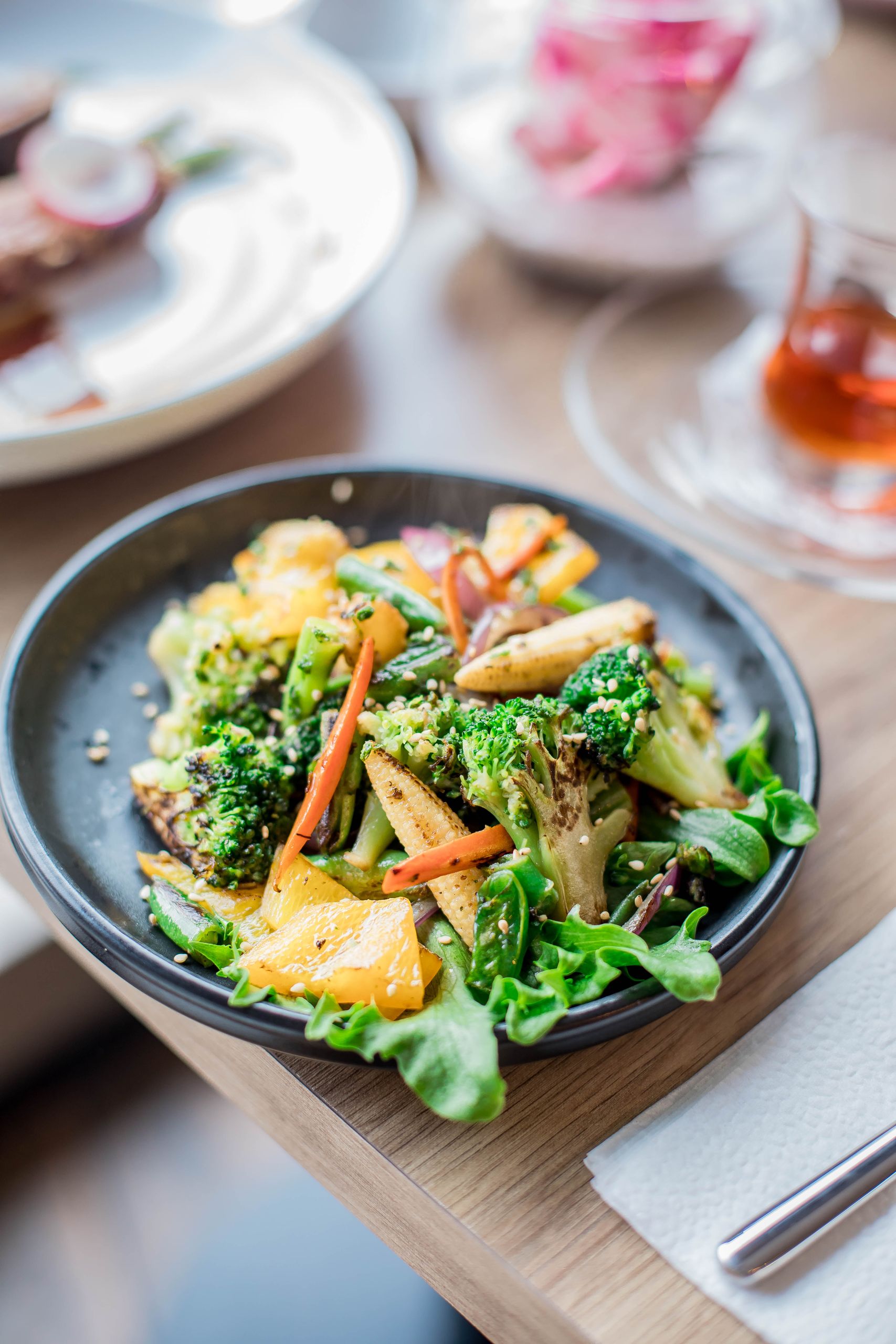
The better-after-a-night-in-the-fridge salad starts with raw broccoli, a vegetable sturdy enough to remain pleasantly crisp while taking on flavor. Bon Appétit’s version calls for broccoli florets and peeled, chopped stalks, plus parsley or dill, chopped dried apricots or dates, jalapeño or serrano pepper, toasted sesame seeds, cumin, coriander, garlic, preserved lemon, olive oil and lemon juice. It is a big, vivid combination designed to taste lively rather than heavy.
The publication makes its case plainly: “The best broccoli salad is not brand-new.” Instead, it recommends letting the ingredients sit in the refrigerator for at least an hour so the broccoli can marinate in the dressing, and says the salad can stay refrigerated in an airtight container for up to three days. The final flourish, chopped, toasted hazelnuts, goes on just before serving, so the salad gets the benefit of time without sacrificing its crunch.
That approach makes sense for anyone who opens the fridge the day after making a good salad and discovers its flavors suddenly feel more unified. The tartness of lemon and preserved lemon has had time to mingle with the olive oil, garlic, and warm toasted spices. The broccoli loses a little of its raw edge but should retain enough bite to make every forkful feel substantial.
Why this salad improves instead of wilting
Not all salads should be dressed ahead. Tender leaves, baby greens, and other soft vegetables are likely to turn limp under vinaigrette, which is why a classic green salad is usually best assembled shortly before it hits the table. But hardier ingredients can handle the wait, and may actually benefit from it. Serious Eats advises skipping leaves in favor of chopped vegetables, beans, or grains when making a refrigerator-friendly salad because those ingredients can stand up to dressing and “actually get better with time.”
The same principle appears in other make-ahead recipes. Serious Eats notes that a roasted squash and kale salad improves as it sits overnight because the roasted vegetables are tender without becoming soggy, while the greens and other ingredients have time to absorb the maple-and-sherry-vinegar vinaigrette. In another make-ahead formula, the site recommends ingredients that stay bright and crunchy after a day or two, then suggests seasoning well, resting the salad, and draining excess liquid if needed.
For broccoli salad, the timing is especially forgiving. Raw broccoli can stand up to acidity far better than tender lettuce, while dried fruit contributes sweetness that rounds out over time. Toasted cumin, coriander, and sesame add fragrance and depth, and the chile brings a little heat to keep the whole bowl from reading as one-note. The result is not simply leftover salad; it is a salad with a planned second act.
How to make it work at home
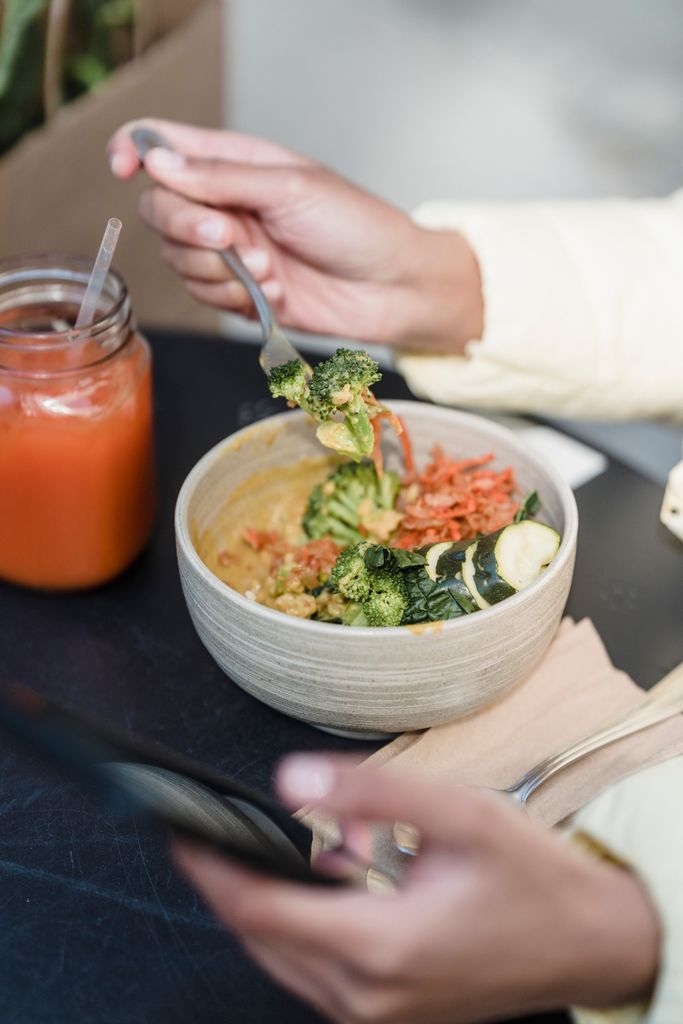
Start by chopping the broccoli into small, fork-friendly pieces, including the stalks after peeling their tough exterior. Mix the broccoli with chopped parsley or dill, a handful of chopped dried apricots or dates, sliced chile, and a homemade vinaigrette of olive oil, lemon juice, chopped preserved lemon, and garlic. Toast and crush sesame, cumin, and coriander before stirring them through; this extra step gives the salad a richer, more aromatic backbone than simply shaking in dried seasonings.
Once dressed, cover the salad and refrigerate it for at least one hour. That is the minimum resting time Bon Appétit recommends, but overnight is where the magic really shows up: the sharp notes mellow, the broccoli becomes more seasoned, and the salad tastes intentional rather than hurried. Save toasted hazelnuts for the moment before serving, because they deliver the crisp finish that refrigeration cannot improve.
A few boundaries matter. This is not a reason to leave food sitting on the counter while you run errands or get distracted by the rest of dinner. The FDA says refrigerators should be kept at or below 40°F, and prepared food and leftovers should be chilled within two hours. If the salad includes perishable add-ins such as meat, seafood, eggs, or dairy, follow the more cautious storage guidance for those foods rather than assuming a vinaigrette makes everything shelf-stable.
The bigger takeaway is deliciously simple: make the salad before you need it. Whether you serve it with grilled chicken, spoon it into a grain bowl, or eat it straight from the container at lunch, this is one rare dish that rewards a little patience. In a world of wilted greens and last-minute chopping, a salad that improves while you do absolutely nothing may be the most useful recipe of all.
Other Posts You Might Like:
- 8 Highly Protein-Rich Vegetables You Need to Include in Your Diet
- 7 Common Signs Your Diet Isn’t Working for You


