

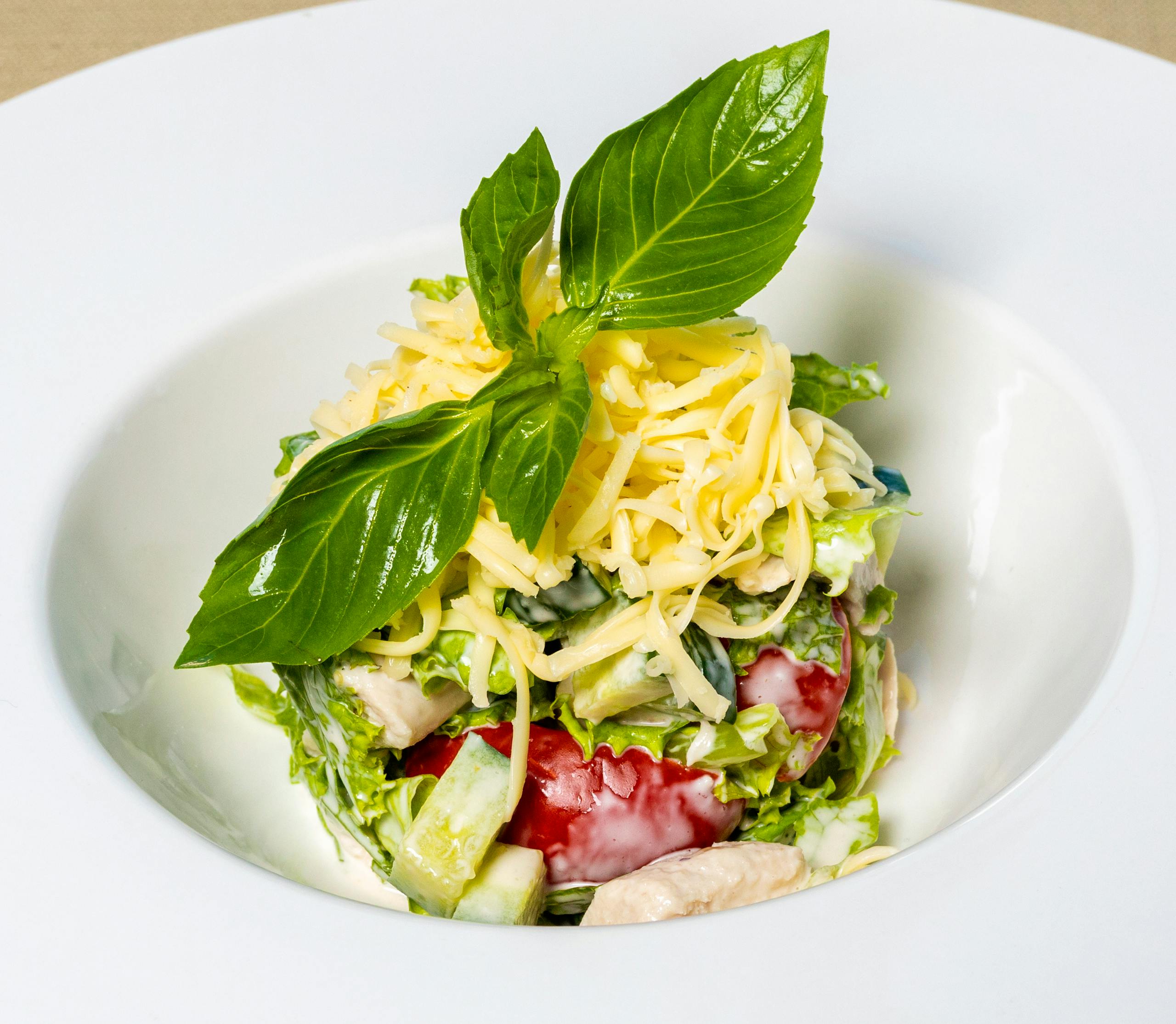
Salads are often touted as the go-to healthy meal, but many salad toppings can quickly turn a nutritious dish into a calorie bomb.
When it comes to achieving a balanced diet, it’s important to be mindful of what you add to your greens.
While salad ingredients may seem harmless, some are loaded with hidden fats, sugars, and sodium that can sabotage your health goals.
Here’s a guide to help you make smarter choices and keep your salad healthy and satisfying.
Corn

While corn may seem like a harmless salad addition, it’s actually a starchy carbohydrate that can increase your salad’s glycemic index.
If you’re watching your carb intake or trying to manage your blood sugar levels, it’s best to limit corn in your salads.
Instead, opt for high-protein alternatives like black beans or chickpeas, which provide more fiber and nutrients while offering a similar texture and flavor profile.
White Pasta
Pasta is often used in salads, but white pasta is made from refined flour, which lacks fiber and can contribute to blood sugar spikes.
White pasta also displaces the fresh vegetables and greens that should be the star of your salad. If you’re craving grains in your salad, choose whole grains like quinoa, wild rice, or farro.
These options provide more fiber, protein, and nutrients, making your salad a more balanced and satisfying meal.
Fried Chicken

While grilled or roasted chicken can be a healthy protein source, fried chicken is coated in breading and fried in oil, making it high in calories, fats, and carbohydrates.
Fried chicken also contains unhealthy trans fats, which can contribute to heart disease. Swap out fried chicken for leaner protein options like grilled chicken, turkey, or baked f