Foods You Should Avoid Eating Raw If You Have Fatty Liver

Image Credit: samwordley/123rf Photos
Having a fatty liver can feel like a never-ending struggle, but with the right approach to your diet and lifestyle, you can regain control of your liver health. While there are numerous ways to support liver function and reverse damage, certain raw foods can exacerbate the condition, leading to increased strain on this vital organ.
Whether you’re battling fatty liver disease or looking to optimize liver health, understanding which foods to avoid in their raw state is crucial. Let’s dive into the 5 foods you should avoid eating raw if you have fatty liver and how cooking them can promote better liver function.
Raw Chana (Chickpeas)
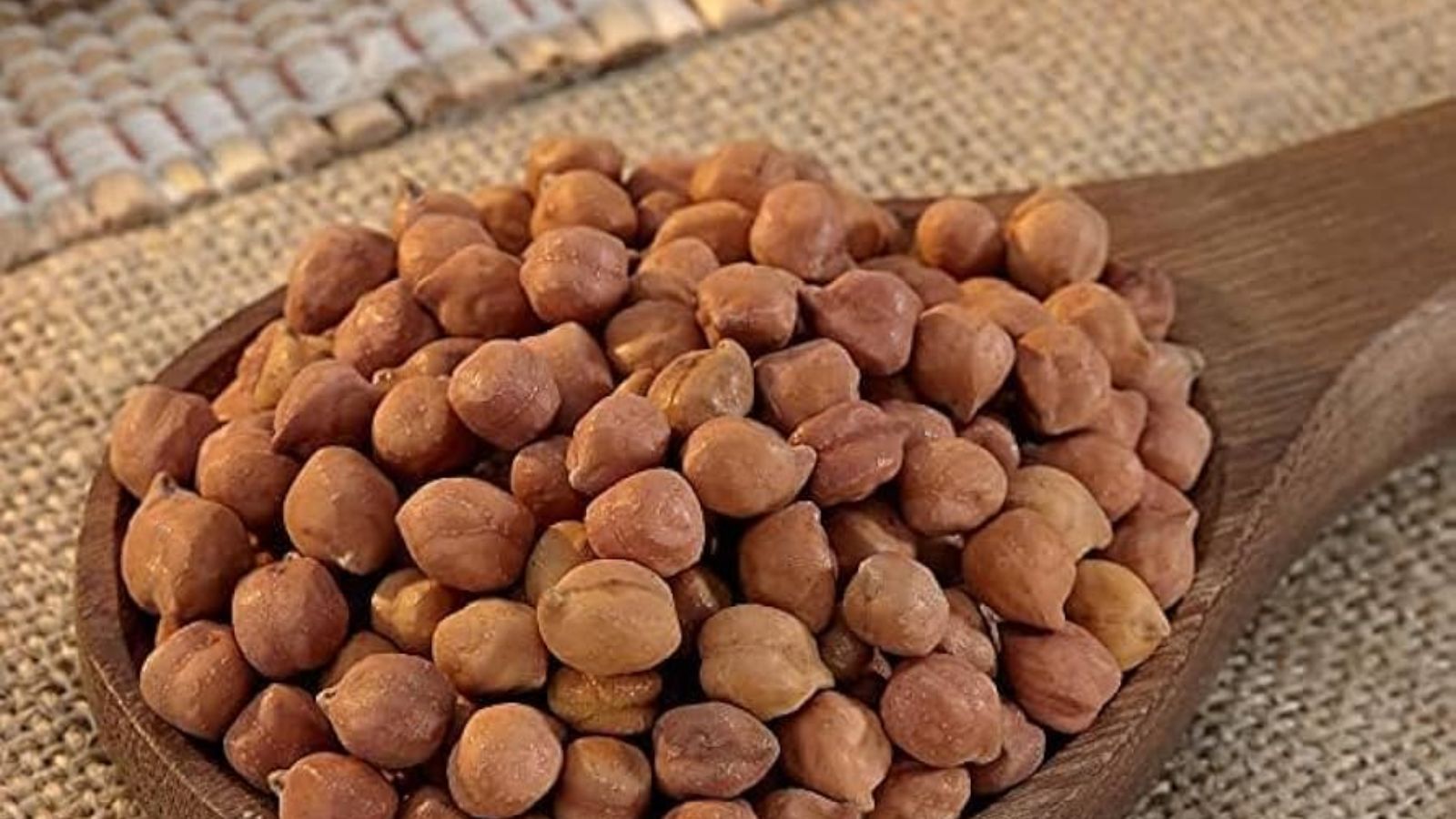
Chickpeas, or chana, are commonly used in various cuisines for their high protein and fiber content. While soaked raw chickpeas may seem like a nutritious snack, they contain harmful lectins and anti-nutrients that can irritate the digestive system and exacerbate liver inflammation.
When consumed raw or insufficiently cooked, these anti-nutrients hinder the body’s ability to absorb essential nutrients and can cause digestive distress. Cooking chickpeas thoroughly not only makes them more digestible but also reduces the harmful compounds, making them a safer option for individuals with fatty liver.
Raw Lassi
Lassi, a refreshing drink made from yogurt, is beloved in many cultures. While fermented dairy products like yogurt offer several health benefits, raw lassi made from unpasteurized milk carries significant risks.
Raw milk may contain harmful bacteria, including E. coli and Salmonella, which can lead to infections and digestive issues. For those with fatty liver disease, consuming raw dairy products puts additional strain on the liver.
Opting for pasteurized milk when making lassi ensures that the drink is safe, free from harmful bacteria, and beneficial for gut health. Stick to store-bought, pasteurized lassi or make it yourself using safe, pasteurized ingredients.
Raw Tomatoes

Tomatoes, often hailed as a superfood due to their rich antioxidant content, may seem harmless. However, raw tomatoes can contain solanine, a natural toxin that can irritate the digestive system and the liver.
Solanine, in high concentrations, is known to cause inflammation and digestive distress, especially for those with existing liver issues. For individuals with fatty liver disease, it’s advisable to consume tomatoes only after cooking them.
Cooking tomatoes not only neutralizes solanine but also enhances the absorption of the beneficial antioxidant lycopene. This powerful antioxidant helps protect the liver from oxidative stress, making cooked tomatoes a far healthier choice.
Raw Cucumbers
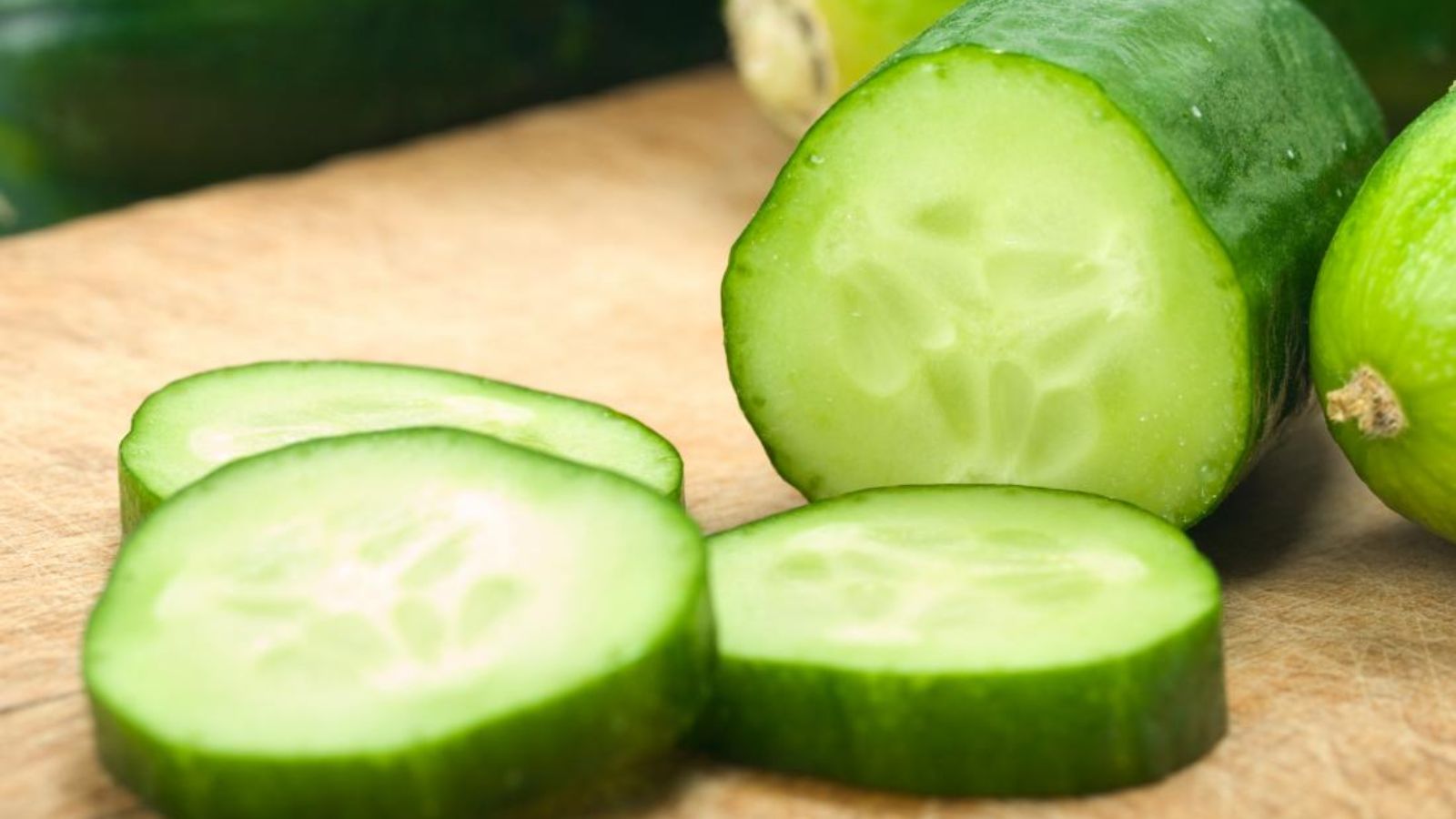
Cucumbers are a refreshing and hydrating vegetable, perfect for hot summer days. But for those managing fatty liver disease, consuming them raw might come with certain risks. Raw cucumbers have a high water content, which could contribute to digestive discomfort, bloating, and gas, particularly for individuals with liver conditions.
Additionally, raw cucumbers may carry the risk of bacterial contamination if not washed properly. While the high fiber content can support digestion, cooking cucumbers or consuming them in moderation helps reduce the potential digestive issues and minimizes the risk of bacterial exposure.
Steamed or pickled cucumbers can still offer a refreshing taste without compromising liver health.
Raw Paneer
Paneer, a staple in many Indian dishes, is an excellent source of protein. While typically consumed in cooked forms, eating raw paneer can lead to unintended health risks. Raw paneer, especially if homemade or improperly stored, may harbor harmful bacteria like Listeria or Salmonella, which can cause foodborne illnesses.
For individuals with fatty liver, these pathogens could overwhelm an already stressed liver. Cooking paneer reduces the risk of contamination and ensures that it is safe to eat.
Whether grilled, fried, or added to curries, cooking paneer also enhances its digestibility, making it a healthier addition to your diet.
Key Takeaways
Managing fatty liver disease requires careful attention to the foods we consume. By avoiding raw versions of certain foods and opting for cooked alternatives, we can minimize the strain on the liver and support its ability to function optimally.
While raw foods may be nutritious, cooking them can offer numerous benefits, from improving digestion to reducing harmful bacteria and toxins. A diet that supports liver health doesn’t have to be restrictive. In fact, there are plenty of delicious and liver-friendly foods that can be enjoyed when prepared correctly.
So, next time you prepare a meal, think about how cooking can enhance the nutritional benefits and make it easier on your liver.