6 Food and Drinks Superstitions from Around the World You’ve Never Heard Of
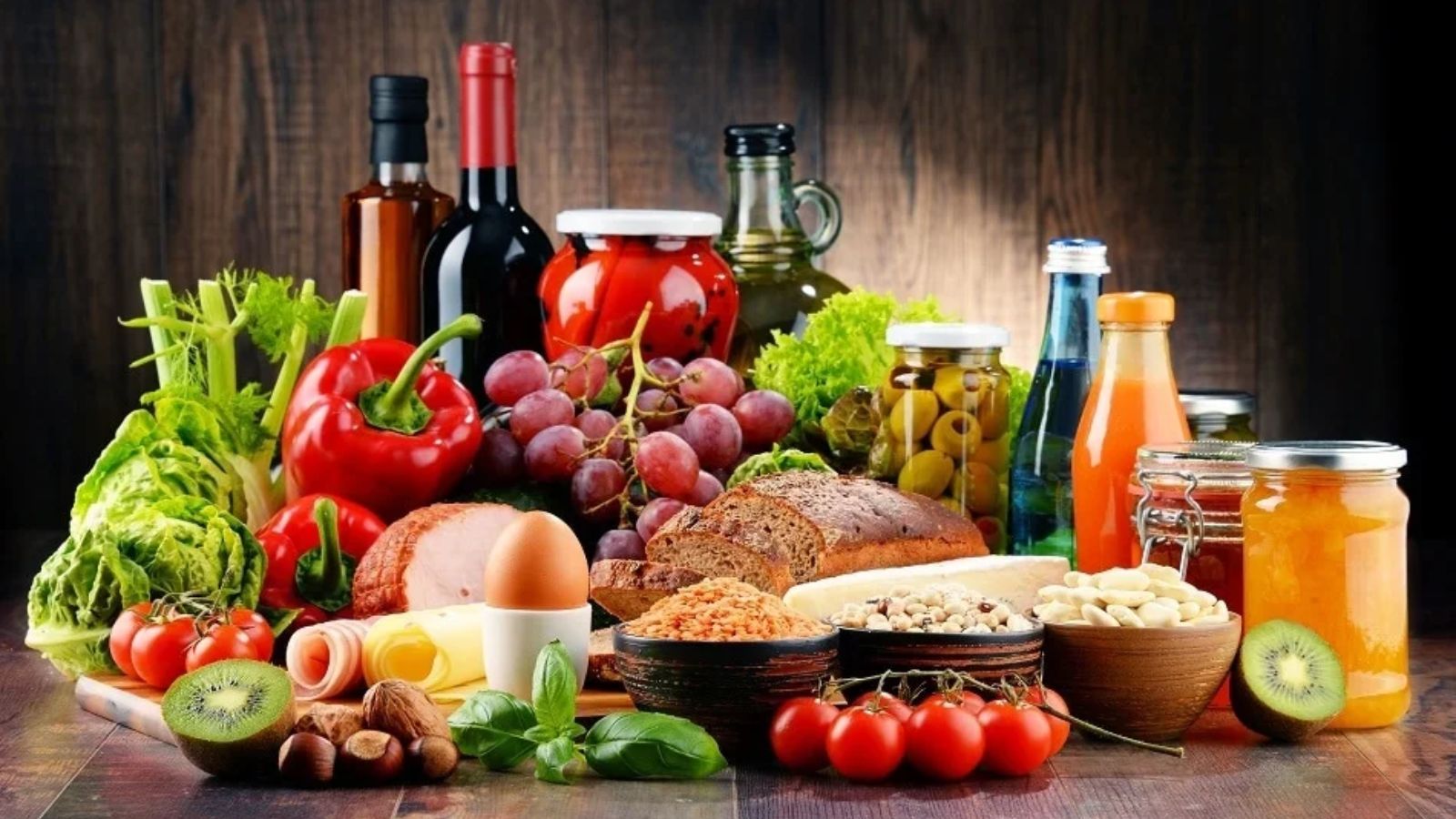
Image Credit: studioaccendo via 123RF
Superstitions have long been interwoven into the fabric of cultures across the globe, particularly when it comes to food. From seemingly trivial habits to deeply rooted rituals, these food-based superstitions have endured through centuries, shaping traditions and influencing behaviors.
These superstitions are often tied to the core human need for survival, making food an essential focal point. Even today, food superstitions abound, representing not just ancient fears but also a profound connection to identity, belief, and luck.
Let’s explore six fascinating food superstitions from around the world that are as strange as they are intriguing.
Spilled Coffee as a Sign of Good Fortune
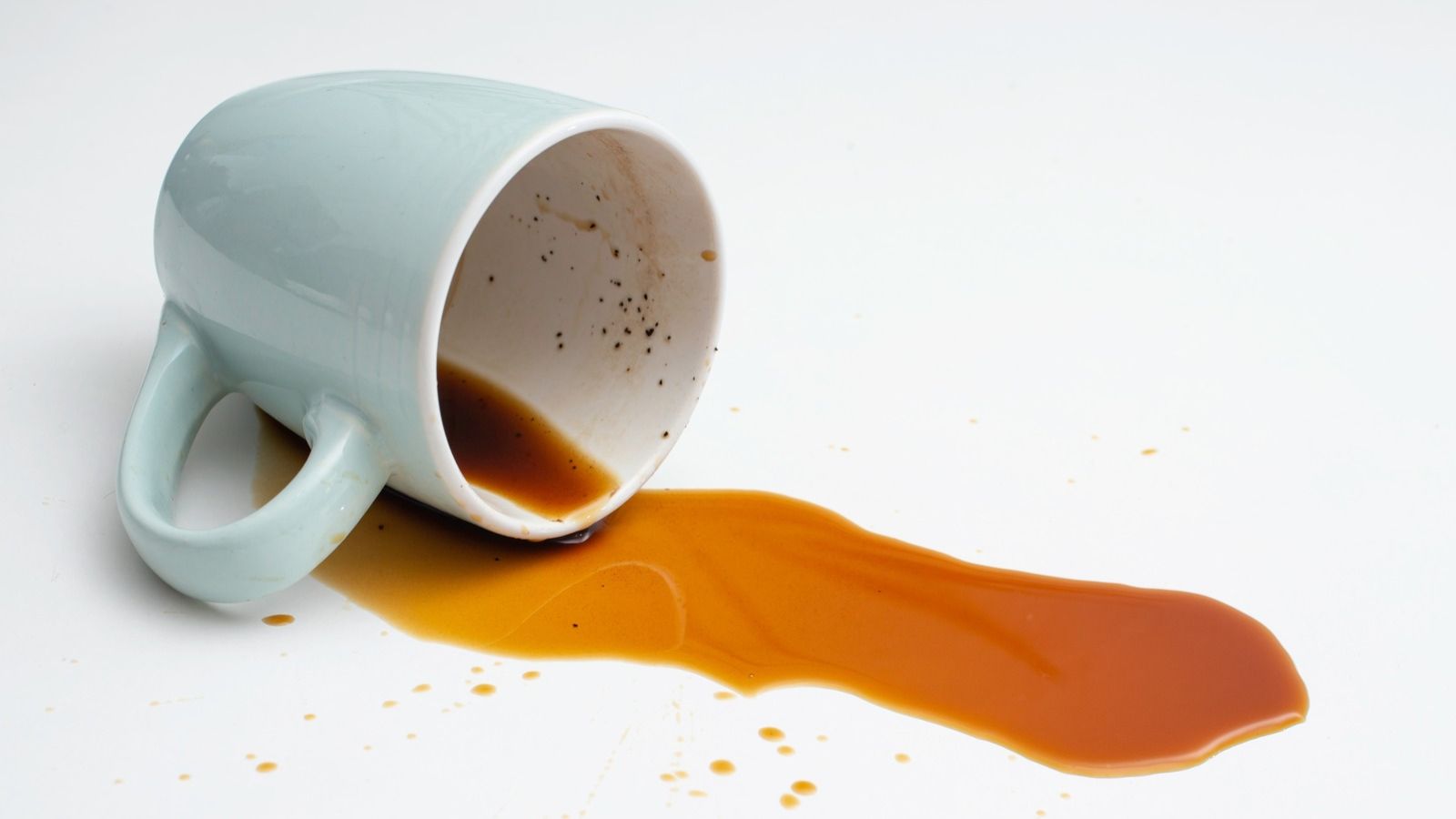
While spilling coffee is often seen as a messy inconvenience, in cultures across the Middle East and Egypt, it is considered a sign of good luck. The superstition stems from an ancient Egyptian legend in which a servant, always prone to spilling coffee, was named “Khair,” meaning “good fortune.”
This happy accident is thought to bring about good fortune, but only if the spillage happens unintentionally. Forcing the spill, on the other hand, would invite bad luck. In Turkish, coffee culture, spilled coffee is often regarded as a symbol of happiness, indicating that fortune will soon follow.
Garlic can protect you from evil
Garlic’s protective powers have been long revered, not only for its medicinal qualities but also for its ability to ward off evil spirits, vampires, and even disease. Ancient civilizations, including the Greeks and Romans, used garlic for its healing properties, particularly its antimicrobial qualities.
Garlic’s ability to fight off infections likely led to its association with spiritual protection. The belief in garlic’s protective power has transcended cultures, from ancient Egypt to modern-day Europe, where garlic is hung in homes to ward off evil and ensure safety.
Bread should not be placed upside down
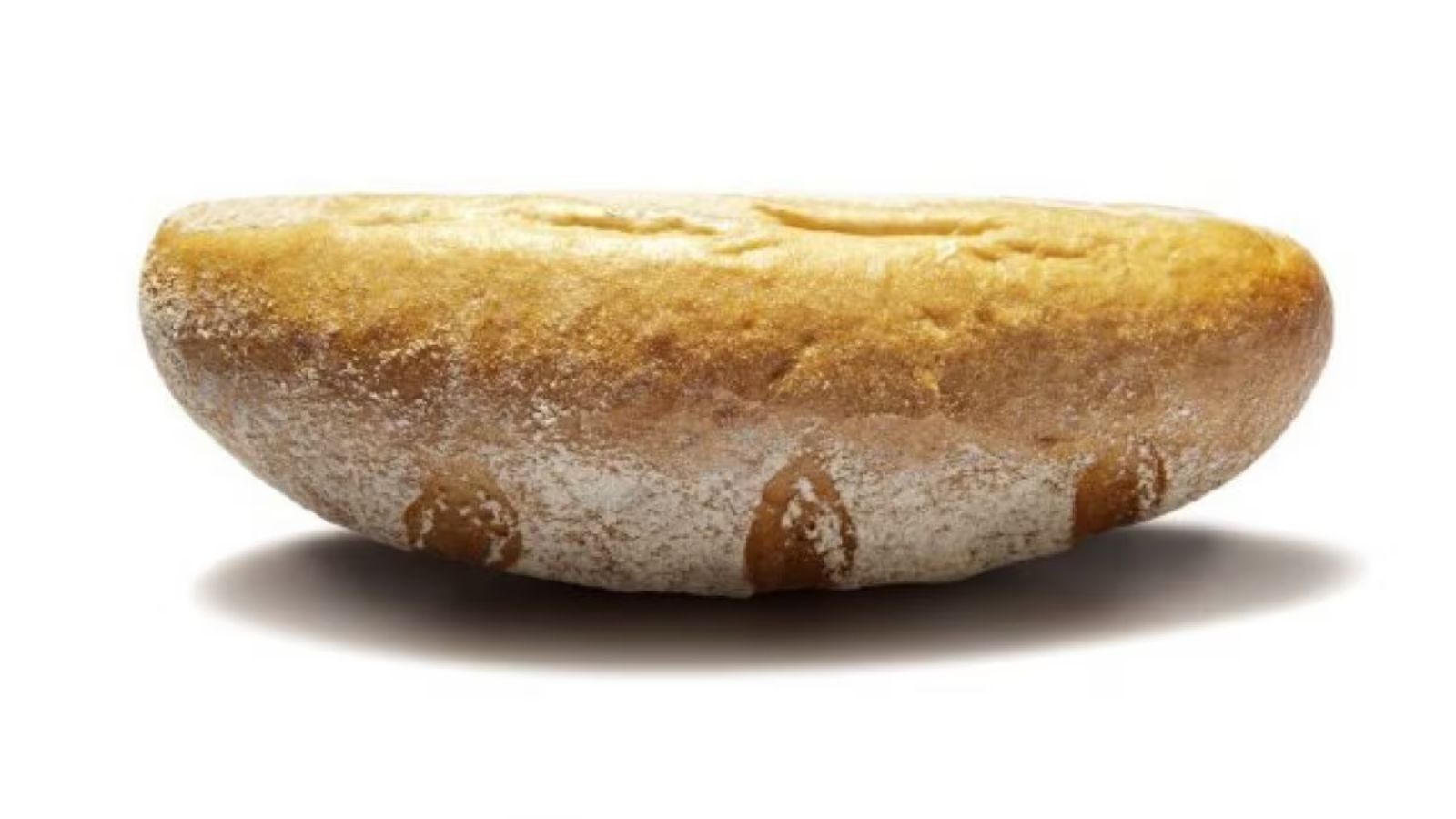
Bread is a staple of many cultures, and as such, it is surrounded by numerous superstitions. One particularly common superstition in Italy and France is that turning bread upside down brings bad luck. In Italy, this is linked to religious beliefs, as an upside-down loaf symbolizes disrespect for Jesus Christ.
In France, however, the origin of the superstition can be traced to the Middle Ages when bakeries serving executioners would often leave their bread upside down. This morbid association with death led to the belief that an upside-down loaf could bring misfortune. In some cultures, placing a cross on the bottom of a loaf is believed to protect against any bad luck.
Eggshells are bad luck at the Sea
Eggs are often seen as symbols of life and fertility, but they also carry a deep-seated superstition for sailors. In European folklore, it was believed that witches would use eggshell halves to craft vessels that could summon storms to capsize ships.
For this reason, sailors were cautioned against bringing eggs aboard vessels, and hard-boiled eggs, in particular, were handled with extreme care. To this day, some sailors still avoid eggs on their boats, considering them bad luck.
Bubbles in Tea as a Symbol of Wealth and Love
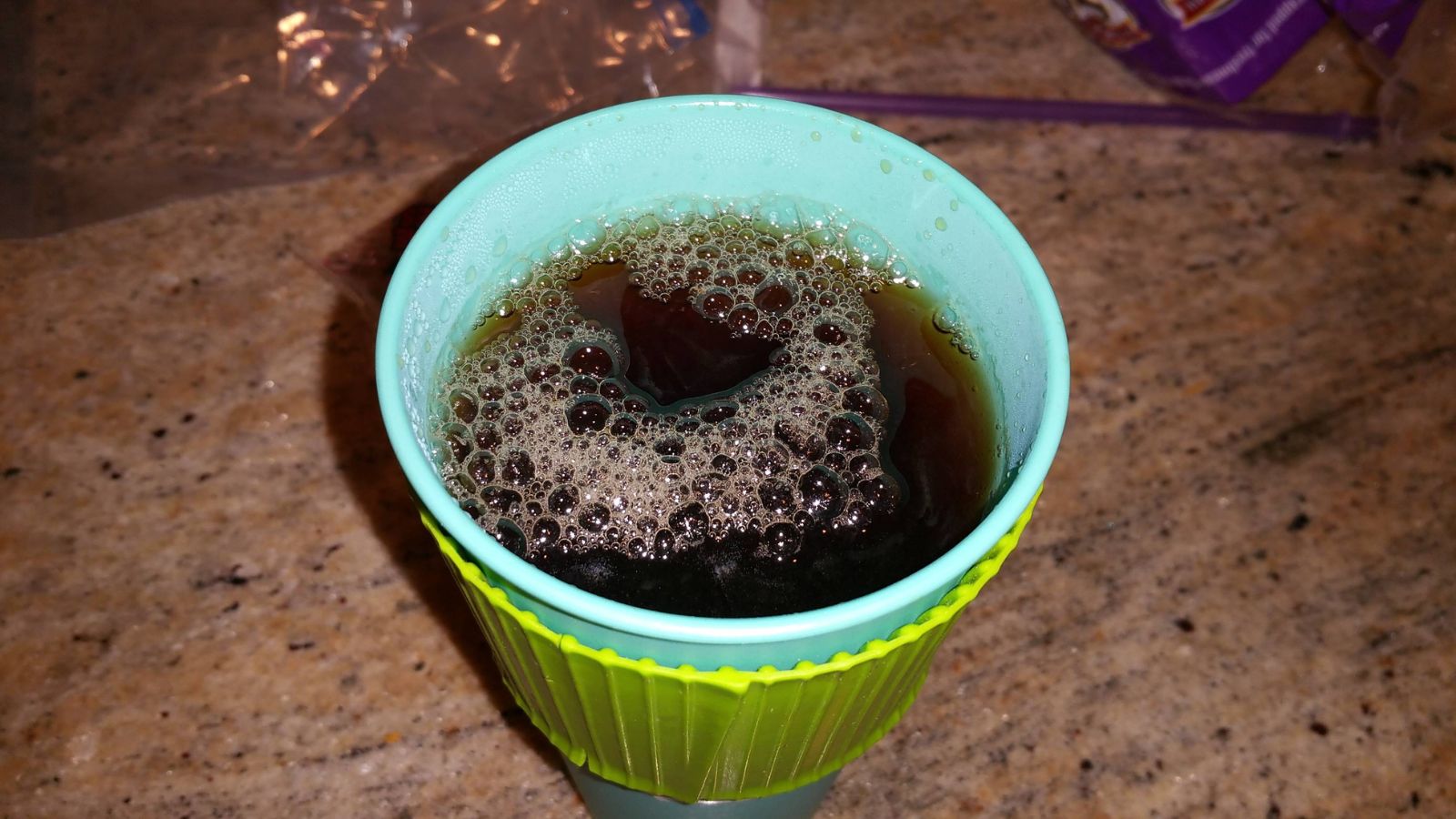
Tea, a beloved drink in many cultures, also carries its own set of superstitions. In some traditions, particularly in Asia, bubbles that form when tea is brewed are considered a sign of good fortune.
More specifically, it is believed that bubbles in your tea herald wealth. The more bubbles, the more money you’ll find coming your way. Additionally, bubbles at the edges of the cup are seen as a symbol of love, suggesting that affection and romance are in the air.
This superstition speaks to the importance of tea in these cultures, where it is often used as a symbol of hospitality and prosperity.
Spilling Salt
The belief that spilling salt brings bad luck is prevalent worldwide, from Europe to North America. Historically, salt was a precious commodity, essential for preserving food, and this made its loss particularly symbolic.
Spilling salt has been seen as an omen of misfortune. Some cultures, particularly in Italy and Spain, suggest that to counter this bad luck, you should throw a pinch of the spilled salt over your left shoulder, aimed at warding off evil spirits.
This superstition has roots in both ancient Roman and Christian beliefs, with the Last Supper painting of Judas knocking over the salt shaker cementing its association with betrayal.
Conclusion
Food superstitions are much more than mere folklore; they represent a fascinating intersection of culture, belief, and tradition. Whether protecting against evil, promoting good fortune, or ensuring a prosperous year ahead, these rituals have endured for centuries, and they continue to play an important role in how we relate to food and our surroundings.
From garlic’s ability to ward off evil spirits to the tradition of eating 12 grapes for luck in Spain, these customs are a testament to the power that food holds in human culture and belief. While modern science may have debunked many of these superstitions, they continue to thrive as part of our collective heritage, passed down through generations.