


The next major threat to American crowds may not arrive through a gate, a checkpoint, or a suspicious vehicle. It may come from above, small enough to miss at first glance, cheap enough to buy commercially, and dangerous enough to force federal agencies into a new era of homeland security.
The FBI is now warning that battlefield-style drone attacks seen in overseas conflicts could eventually reach the United States. The concern is not theoretical anymore. Drones have already changed modern warfare, reshaped security planning, and forced law enforcement to rethink how public events are protected.
For years, American security strategy focused heavily on cars, trucks, firearms, explosives, cyberattacks, and lone-wolf violence. Now, officials are increasingly focused on the low sky above stadiums, government buildings, power facilities, airports, concerts, and political gatherings.
That shift is becoming urgent as the U.S. hosts massive events, including the 2026 FIFA World Cup, where federal agencies are already enforcing strict no-drone zones.
Why the FBI Drone Warning Matters Now
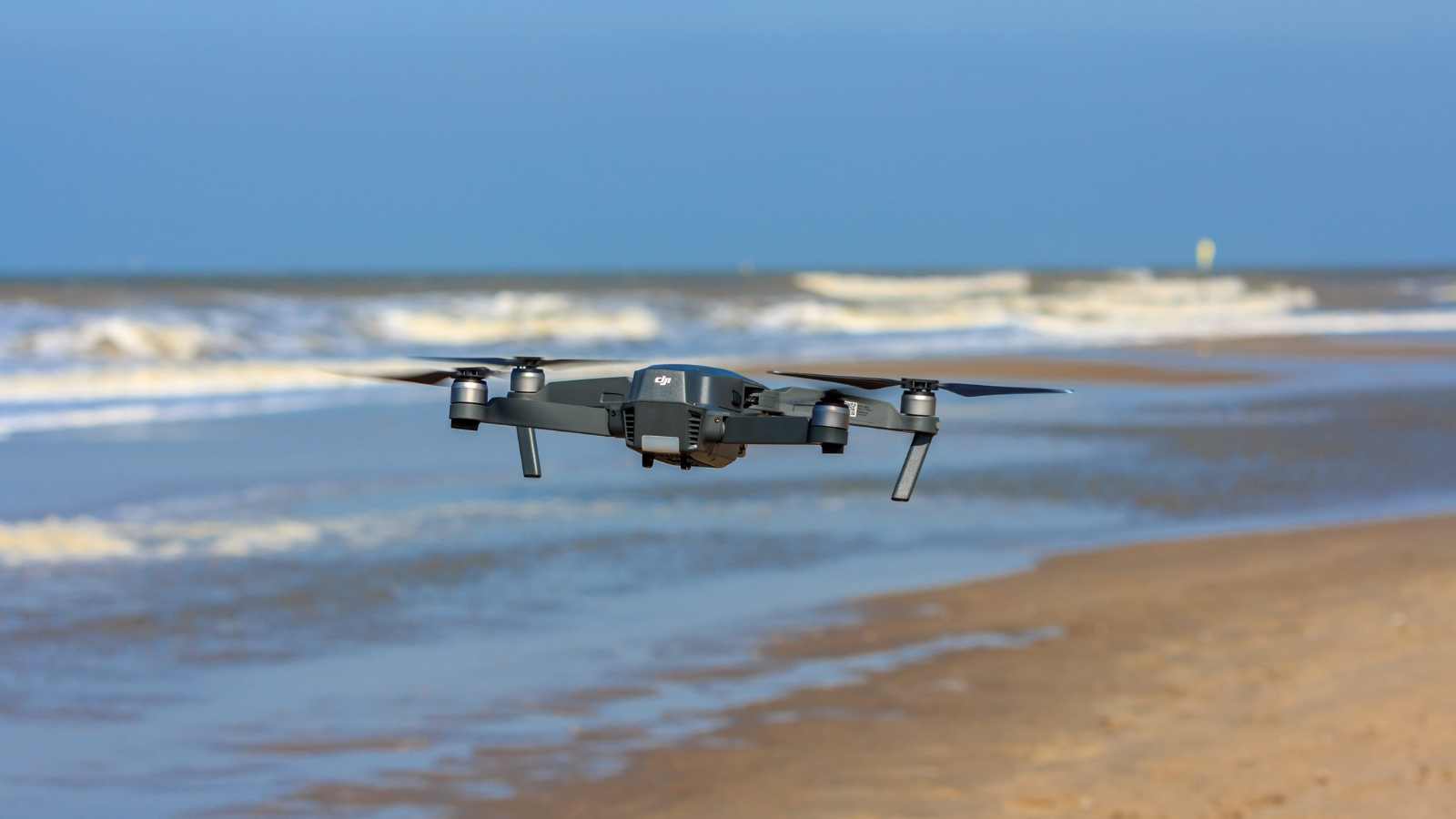
The FBI’s warning comes at a moment when drones have moved from hobbyist technology to battlefield weapon, surveillance tool, smuggling device, and potential terror platform. What once looked like a consumer gadget has become one of the most disruptive technologies in modern security.
In Ukraine, the Middle East, and other conflict zones, drones have been used for reconnaissance, targeting, and attacks. They have shown how Inexpensive devices can create serious risks against better-funded opponents. That lesson has not been lost on U.S. officials.
The concern is simple: tactics tested overseas can eventually migrate home.
American law enforcement is not only worried about sophisticated foreign adversaries. It is also worried about copycats, extremist groups, criminal networks, and individuals who see drone attacks online and understand that the technology is increasingly accessible.
That does not mean an attack is inevitable tomorrow. It does mean the country’s security posture is being forced to evolve quickly.
The New Drone Threat Is Speed, Distance, and Surprise
A drone can move over walls, bypass street closures, approach from unexpected angles, and create confusion before security teams can identify the operator. Even when a drone is not carrying anything dangerous, it can disrupt flights, interrupt public events, trigger evacuations, or pull law enforcement resources away from other risks.
Officials are especially concerned about newer drones that can use cellular networks rather than short-range radio control. That raises the possibility of an operator being far from the event site, making detection and enforcement harder.
This is why the FBI’s warning feels different. The issue is not just drones flying too close to stadiums. It is the possibility that drone technology could allow attackers to separate themselves from the scene, stretch the security perimeter, and force police to defend both the ground and the sky.
World Cup Security Has Become a Real-Time Test

The 2026 FIFA World Cup has become one of the clearest examples of how seriously the federal government is treating drone risks. Stadiums, fan zones, and surrounding event areas have been placed under strict flight restrictions, with federal officials warning drone operators not to fly near protected sites.
That matters because the World Cup is not a single event. It is a rolling national security challenge across major cities, packed stadiums, fan festivals, transit hubs, hotels, and public gathering spaces.
For security agencies, the tournament is a stress test. It forces federal, state, and local partners to coordinate airspace restrictions, crowd management, public messaging, drone detection, emergency planning, and prosecution strategy.
The early enforcement numbers show why officials are concerned. Unauthorized drones have already been seized near World Cup sites, proving that even strict warnings do not stop every operator. Some may be careless hobbyists. Others may be testing boundaries. Either way, every illegal drone flight creates a security response.
Why Small Drones Create Big Problems
The danger of drones is not only what they can carry. It is what they can cause. A drone near a stadium can trigger panic. A drone near an airport can delay flights. A drone near a power facility can prompt a security lockdown. A drone over a political rally can force agents to make split-second decisions with limited information.
This is the nightmare scenario for law enforcement: a small device creates a large reaction before authorities know whether it is harmless, reckless, criminal, or hostile.
That uncertainty is expensive. It consumes officers, technology, time, and attention. It also creates a challenge for event organizers, who must protect public safety without turning every stadium into a military zone.
The real problem is that drones blur the line between nuisance and threat. One unauthorized flight might be a tourist chasing footage. Another might be a dry run. Security teams must treat the airspace seriously because they cannot know the intent immediately.
The Legal Message to Drone Owners Is Getting Tougher
Federal officials are now making the warning blunt: do not fly drones near restricted events.
At World Cup sites, unauthorized drone flights can lead to seizure of the drone, federal prosecution, and major fines. That warning is meant not only to punish bad actors but also to educate ordinary drone owners who may not realize that a quick video flight can become a federal case.
This is an important part of the story. A major national security threat can be made worse by casual behavior. If dozens of hobby drones appear around stadiums, law enforcement must investigate them, even if most are harmless. That creates noise in the system at the exact moment officials need clarity.
The safest message for drone owners is simple: check restrictions before flying, avoid major events, and treat temporary flight restrictions as serious federal boundaries.
America’s Drone Defense Gap
The U.S. has strong military drone capabilities, but domestic counter-drone defense is more complicated. Laws, privacy concerns, aviation rules, agency authority, and public safety all shape what law enforcement can do.
Taking down a drone is not as simple as pointing at the sky and pressing a button. Federal agencies must consider whether a drone can be safely intercepted, where it might fall, whether it could endanger people below, and who has legal authority to act.
That is why officials are pushing layered defense. The goal is not one magic system. It is detection, identification, tracking, operator location, legal enforcement, public warnings, and rapid coordination.
Why This Warning Should Not Be Ignored
The FBI’s drone warning should not be read as fearmongering. It should be read as a sign that technology has moved faster than many public-safety systems were built to handle.
America has spent decades hardening buildings, airports, stadiums, and public spaces against ground-based threats. Now, the next security frontier is low-altitude airspace.
That does not mean Americans should live in fear of every drone overhead. It does mean the country must take the threat seriously before a crisis proves the point.
The lesson from modern battlefields is clear. Small machines can create large consequences. Cheap technology can test expensive security systems. A threat that once belonged overseas can arrive at home faster than the public expects.
For the FBI, FAA, and local police, the mission is now bigger than stopping a careless drone pilot near a stadium. It is about preventing the sky above American crowds from becoming the next soft target.


