The Fascinating Food Secrets You Never Knew About

Food is more than just sustenance – it’s an intricate part of our daily lives, cultures, and health. While we consume food every day, there are many secrets about the foods we eat that remain hidden, waiting to be discovered.
From dangerous toxins in seemingly harmless fruits to the fascinating ways some foods are made, this article uncovers the truths behind ten foods that will change the way you think about eating. Let’s dive into some shocking revelations that will surprise you and expand your culinary horizons.
Lima Beans
Lima beans, also known as butter beans, are a tasty addition to many dishes, but they come with a dangerous secret: they contain cyanogenic glycosides, compounds that can release hydrogen cyanide when consumed in large quantities. While this sounds alarming, it’s not a reason to ban lima beans from your kitchen.
Commercially sold lima beans are regulated to ensure they contain only trace amounts of cyanide, and cooking the beans properly eliminates the risk entirely. Simply boiling them for ten minutes is enough to neutralize the danger. However, consuming raw or undercooked lima beans, especially dried ones, can lead to serious poisoning, so always ensure your beans are fully cooked.
Corn

Corn has been a staple food for centuries, especially in the Americas, but when it was introduced to Europe and Africa, a critical piece of knowledge was lost – the process of nixtamalization. Indigenous people knew that soaking corn in an alkaline solution before cooking it unlocked niacin (vitamin B3), which is vital for human health.
Without this important step, those who relied solely on corn for nutrition could suffer from a debilitating condition known as pellagra, which causes skin lesions, digestive problems, and even death. Between the late 1800s and the early 20th century, pellagra ravaged populations in the southern United States. It wasn’t until the connection was made between the lack of niacin in untreated corn that this health crisis began to subside.
The Mysterious Cheese Mites in Traditional Cheeses
Cheese lovers may be aware of the intense, tangy flavors that some cheeses possess, but did you know that certain traditional cheeses are made with living mites? This might sound bizarre, but it’s a culinary practice that dates back centuries. Two famous cheeses made with cheese mites are Mimolette from France and Milbenkäse from Germany.
The tiny creatures, which live on the surface of the cheese, release enzymes that break down proteins, giving these cheeses their unique, complex flavor profiles. In the case of Milbenkäse, the cheese undergoes a transformation over months, turning from yellow to dark brown as it ripens. Despite its controversial production method, these cheeses are sought after by connoisseurs for their extraordinary flavor.
Star Fruit
Star fruit, known for its star-shaped cross-section and sweet, tangy taste, is a popular tropical fruit. However, this fruit harbors a serious danger for people with kidney disease. Star fruit contains high levels of oxalates, which healthy kidneys can filter out, but individuals with impaired kidney function are unable to do so.
This can result in a toxic buildup of oxalates, causing confusion, seizures, and, in extreme cases, death. Star fruit also contains caramboxin, a toxin that can affect the brain and nervous system. If you have kidney issues, it’s best to avoid consuming this fruit or consult your healthcare provider before adding it to your diet.
Nutmeg
Nutmeg, commonly used to add warmth and depth to baked goods and holiday drinks, has a surprising secret. In large doses, nutmeg can induce hallucinations, seizures, and delirium. This is due to a compound called myristicin, which has psychoactive effects on the brain.
While nutmeg in small amounts is perfectly safe and even has health benefits, consuming large quantities – as little as 50 grams – can lead to dangerous side effects. This means that despite its pleasant aroma and taste, nutmeg should always be used in moderation. A recent viral video even documented the effects of excessive nutmeg consumption, showcasing the severe consequences of ingesting too much of this seemingly innocuous spice.
Unripe Potatoes
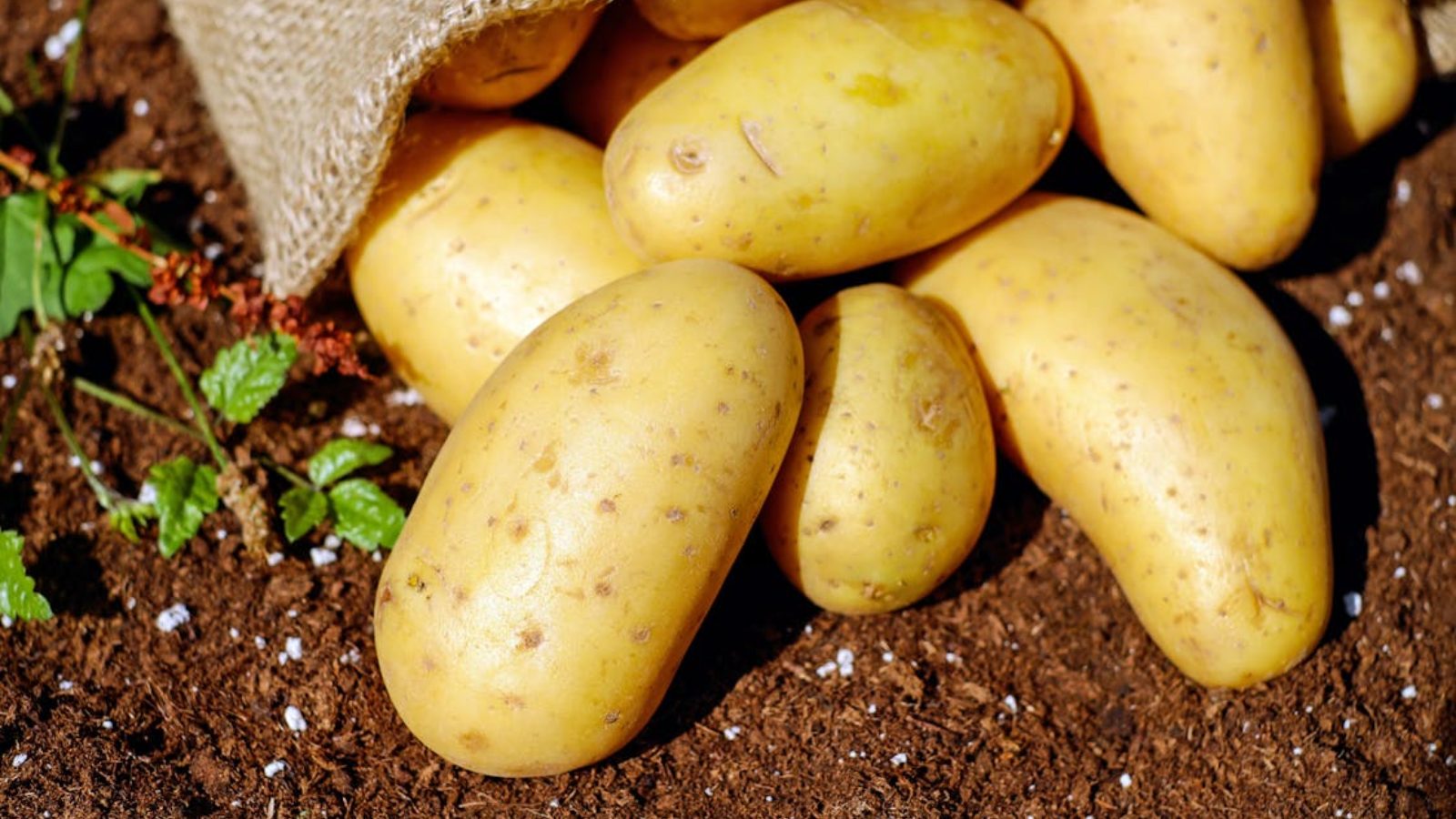
Potatoes are a kitchen staple, but when they’re unripe or improperly stored, they can become dangerous. The green spots that sometimes appear on potatoes are a sign of solanine, a toxic compound produced by the plant as a defense mechanism against pests.
Consuming too much solanine can lead to nausea, headaches, and even coma in extreme cases. To avoid solanine poisoning, always store potatoes in a cool, dark place and ensure they are fully ripe before eating. If you see any green spots, it’s best to peel them off or discard the potato entirely.
Raw Cashews
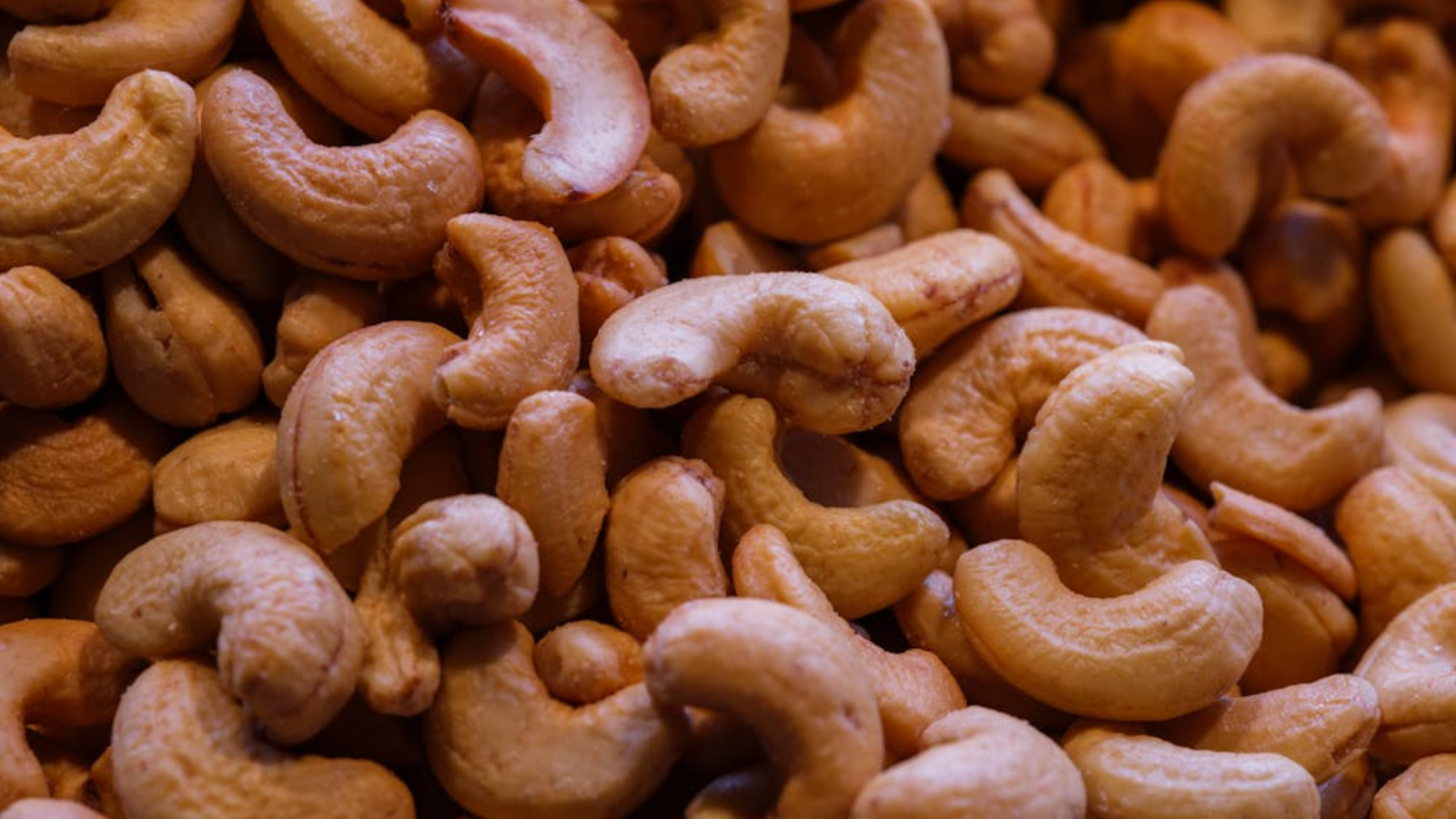
Cashews are often enjoyed as a snack or used in cooking, but did you know that raw cashews are toxic? The shell of a cashew contains urushiol, a resin also found in poison ivy, which can cause severe skin reactions.
Fortunately, cashews sold for consumption are not raw – they are roasted to remove the toxic resin. If you ever come across unprocessed cashews, they should never be consumed without proper preparation, as they can cause severe allergic reactions or even poisoning.
Final Thoughts
The world of food is filled with mysteries and hidden dangers that most of us remain unaware of. From the toxic compounds in raw beans to the mind-altering effects of nutmeg, the foods we eat can have surprising secrets that, when uncovered, reveal the complexity and wonder of the culinary world.
The next time you sit down to a meal, take a moment to reflect on the incredible stories that each ingredient may hold, and remember – knowledge is the key to enjoying these foods safely.
Read the original article on Crafting Your Home