

This article was originally published on Crafting Your Home. A human contributor also wrote and edited the post.
The post Earl Spencer’s Explosive New Book Claims King Charles Said He’d ‘Forget Diana Soon Enough’ Days After Her Death first appeared on Crafting Your Home
Princess Diana’s brother, Charles Spencer, the 9th Earl Spencer, has made one of the most damaging public claims against King Charles in nearly three decades, alleging in his forthcoming memoir that the King told him just days after Diana’s death that the world would “forget her soon enough.”
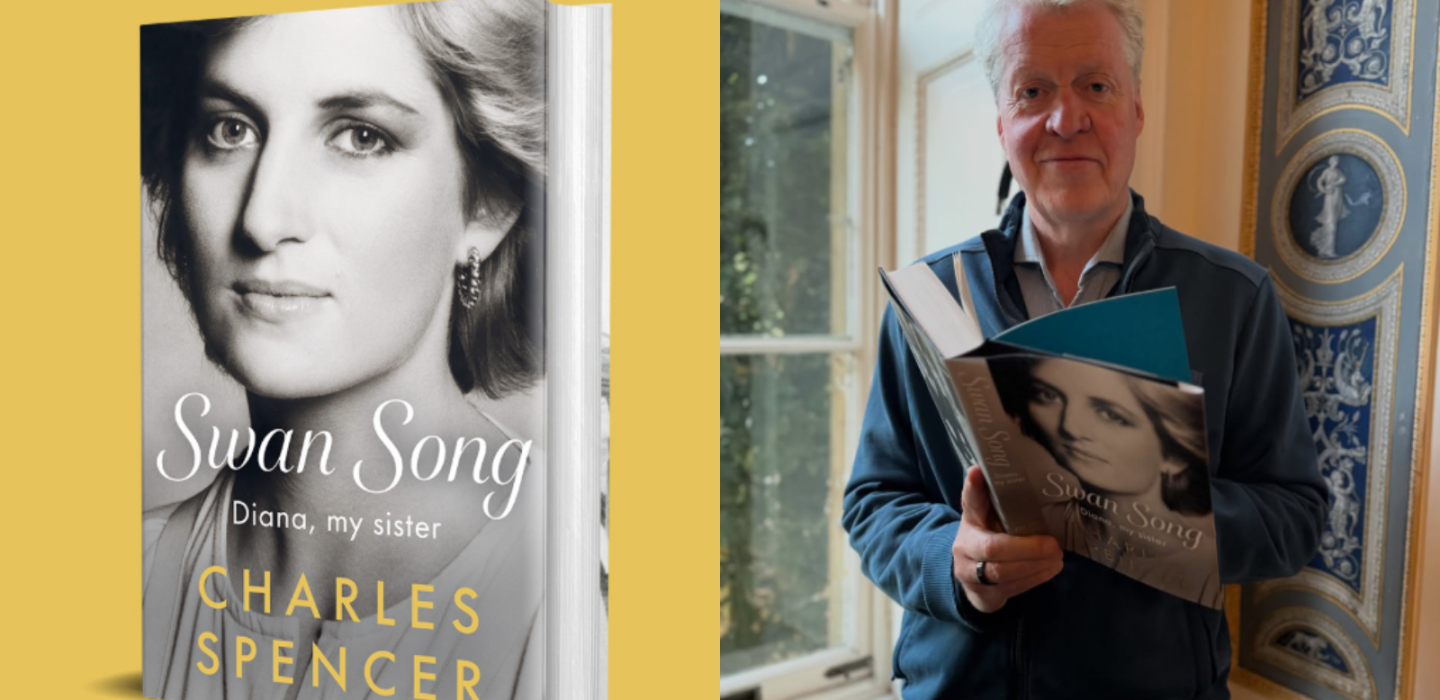
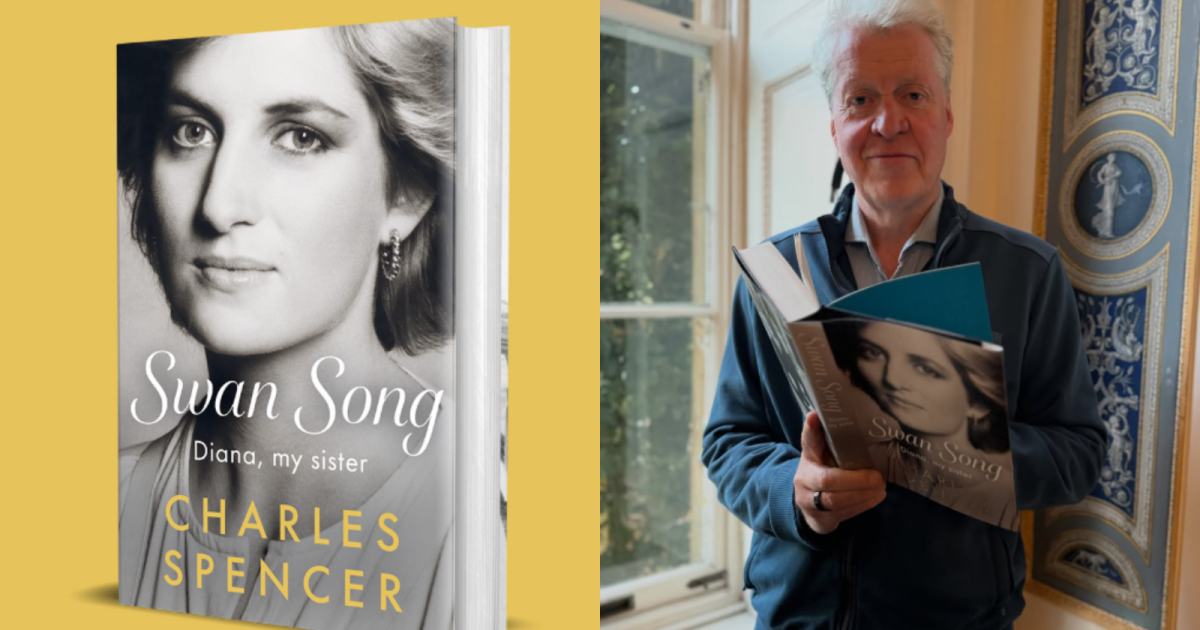
The explosive allegation appears in Spencer’s new book, “Swan Song: Diana, My Sister,” due for release on September 22 and already being serialized in the Daily Mail ahead of publication.
The claim has reignited long-dormant tensions between the Spencer and Windsor families and prompted an unusually direct public response from Buckingham Palace, which almost never comments on books involving the royal family.
According to Spencer’s account, the alleged remark came during a tense phone call with the then-Prince of Wales in the days following Diana’s fatal car crash in Paris on August 31, 1997.
The dispute centered on funeral arrangements, about whether Princes William and Harry, then just 15 and 12 years old, should walk behind their mother’s coffin during the funeral procession through central London.
Spencer has spoken before about his objections to that decision, but the new book offers, for the first time, a detailed account of the conversation he and Charles had about it.
The Bombshell Claim at the Heart of Earl Spencer’s New Memoir
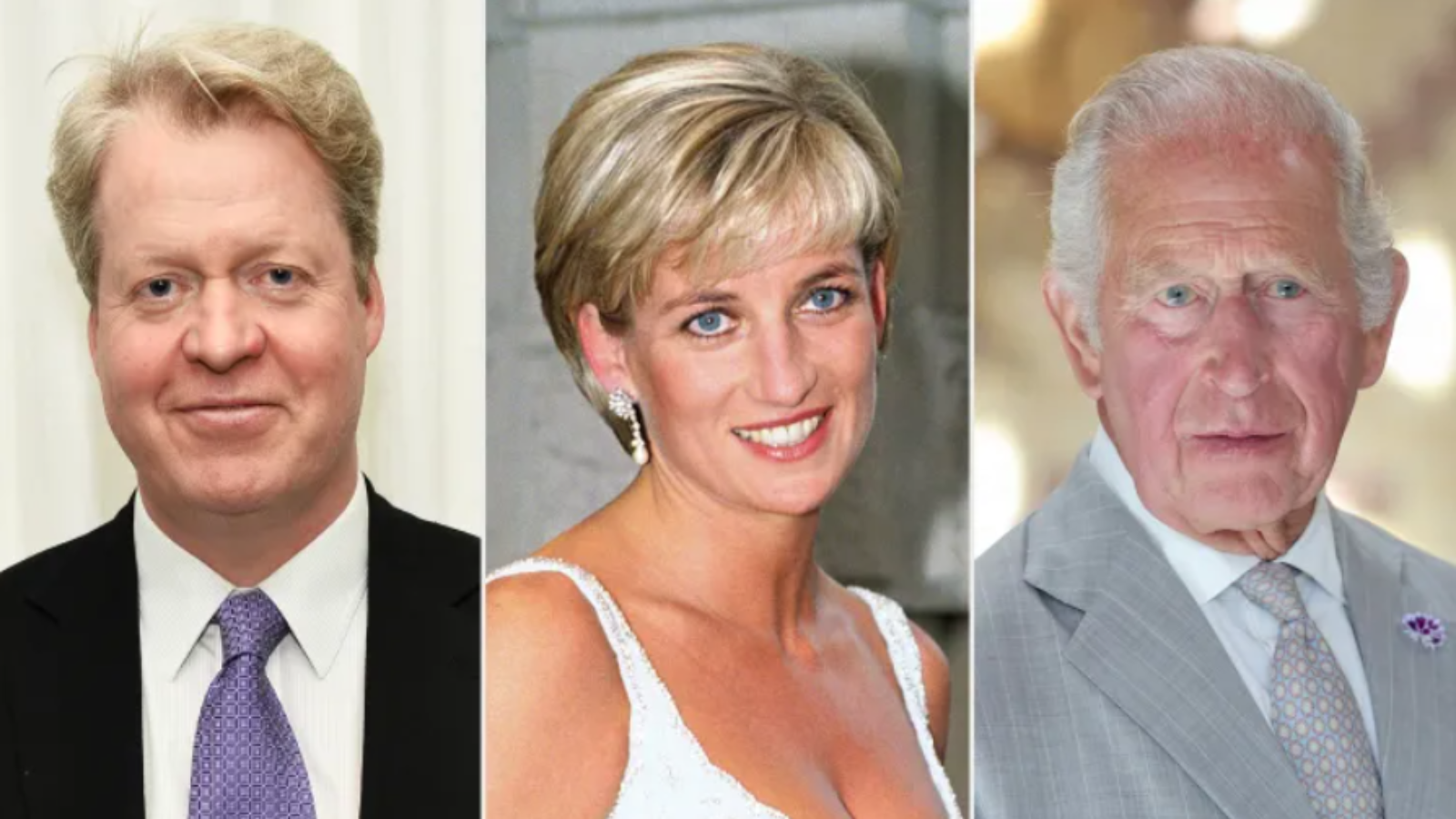
Spencer writes that when one of the late Queen’s most senior aides first informed him that William and Harry would be expected to walk in the procession, he responded firmly, telling the aide, “That’s not going to happen.”
Within minutes, Charles himself called to press the point, according to the book, citing his own experience walking in Lord Mountbatten’s funeral procession eighteen years earlier as precedent.
Spencer says he pushed back by noting that Charles had been 30 years old at the time of that earlier funeral, a world apart from the ages of his own grieving sons, a distinction he felt made the comparison inappropriate.
That pushback, according to Spencer’s account, triggered an intense reaction from Charles. The Earl writes that Charles “went nuts” at the counterpoint and continued what Spencer describes as a stream of anger before eventually falling silent.
In that charged moment, Spencer claims, Charles delivered the line that has since become the center of the controversy. “Rest assured,” Charles allegedly hissed, “we’ll forget her soon enough!”
Spencer interprets the remark as a rare and telling glimpse into what he describes as Charles’s pent-up contempt for Diana and his discomfort with how overwhelmingly the public mourned her death.
Stunned by the comment, Spencer says he was left speechless for several seconds before finally responding, “I can’t believe you just said that,” and ending the call.
Buckingham Palace Responds With an Unusually Pointed Statement
Given the palace’s longstanding policy of staying silent on claims made in books about the royal family, its decision to respond publicly to Spencer’s allegation has drawn significant attention.
A Buckingham Palace spokesman addressed the claim directly, stating, “While we do not comment on books as a matter of principle, His Majesty is mindful that the pain of fraternal grief can cloud reason, affect judgment and colour memory.”
The carefully worded statement stopped short of directly denying that the conversation took place, instead framing Spencer’s recollection as potentially shaped by decades of unresolved grief over losing his sister.
Royal commentators were quick to note just how significant it was for the palace to weigh in at all. Sky News royal correspondent Laura Bundock described the palace’s decision to respond as a remarkable intervention, characterizing the statement’s tone as unusually direct for an institution known for its restraint.
She went on to describe the response as “beyond punchy,” a phrase that captured just how far outside the palace’s usual playbook this level of public pushback actually falls.
That reaction alone has added fuel to an already highly charged story, with many royal watchers reading the palace’s willingness to respond as evidence of how seriously the institution is taking the claims in Spencer’s book.
Adding to the anticipation around the book’s release, a source close to the situation told the Daily Mail that Spencer deliberately kept his account private for nearly thirty years before finally putting it in writing.
The insider suggested that what Spencer has chosen to reveal about Charles’s reaction in the days after Diana’s death is, in their words, “what he has to say about the King’s reaction when Diana died is utterly devastating.”
Publishing insiders have additionally suggested that King Charles and his household are bracing for further difficult revelations once the book’s full contents become public later this month.
A Decades-Old Wound Between Two Families Reopened
The funeral procession dispute Spencer describes in his new book is not entirely new territory for him, though the specific details of his conversation with Charles are.
In a 2017 interview marking the 20th anniversary of Diana’s death, Spencer discussed the same underlying disagreement, revealing that palace officials had told him William and Harry wanted to take part in the walk, a claim he says he later learned was untrue.
Reflecting on the day itself, Spencer described the experience of walking behind his sister’s coffin as devastating, calling it, in his words, “the worst part of the day by a considerable margin,” and recalling that he still has nightmares about the moment decades later.
That funeral, held on September 6, 1997, at Westminster Abbey, remains one of the most watched events in modern history, drawing an estimated global audience of 2.5 billion people.
Spencer walked in the procession that day alongside William, Harry, Charles, and Prince Philip, and later delivered a eulogy widely regarded as one of the most powerful speeches of the twentieth century, one in which he referred to the Spencer family as Diana’s “blood family,” a line many at the time interpreted as a pointed message to the royal family itself.
That underlying tension between the two families, simmering for nearly thirty years beneath the surface of public royal life, is precisely what “Swan Song: Diana, My Sister” now threatens to reopen in far more explicit terms.
As the book’s September 22 release date approaches, its full contents remain only partially known through the Daily Mail’s serialization, and further revelations about Diana’s marriage and the turbulent aftermath of her death are expected to surface in the coming days.
For now, the dispute over one late-night phone call, and the six words Spencer says Charles uttered on the other end of it, has already reopened one of the most painful chapters in modern royal history, more than twenty-eight years after Diana’s death first stunned the world.
Other Stories You Might Like
- Nara Smith Gets Real About the Pressure to Be a ‘Perfect’ Postpartum Mom… And the One Thing She Can’t Make From Scratch
- Kim Kardashian Wins Her Decade-Long Paris Robbery Case… and Walks Away With Exactly $1.15
- Ed Sheeran Left Without a Single Opening Act as His Entire Loop Tour Lineup Walks Out in One Chaotic Day
If you like what you just read, then subscribe to our newsletter and follow us on social media.


