

This article was originally published on Crafting Your Home. A human contributor also wrote and edited the post.
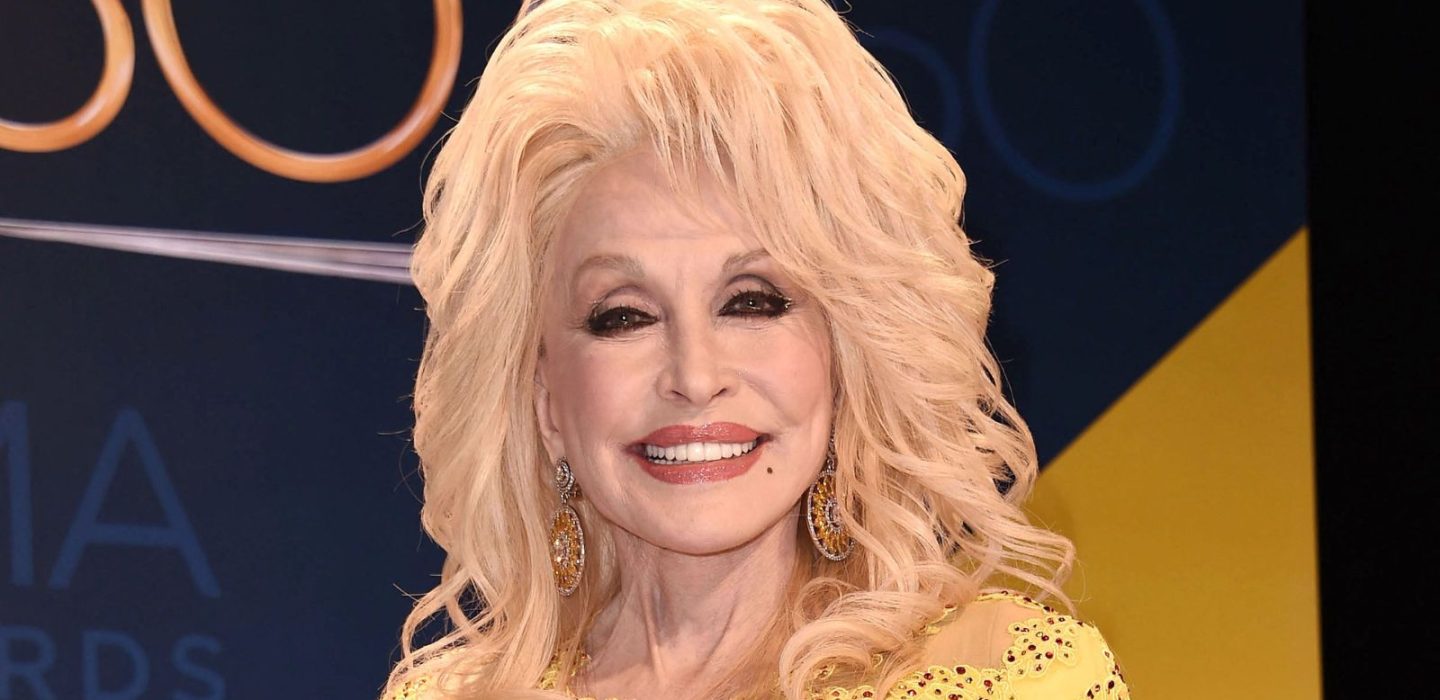
Dolly Parton’s death on Tuesday, August 25, 2026, did more than dominate headlines across the entertainment industry.
According to search data reported by PEOPLE, Parton became the most-Googled person on the planet that day, with searches for her name overtaking two of the most reliably searched categories on the entire internet: weather and sports scores.
That kind of search spike doesn’t happen for most public figures, even famous ones, and it has become one of the clearest signals yet of how deeply Parton’s presence has settled into everyday life worldwide, far beyond the country music audience that first made her a star.
The scale of the search surge stood out because of what it displaced. Weather searches are among the most consistent queries typed into Google on any given day, driven by people simply trying to plan their commute or their afternoon.
Sports scores follow a similar pattern, with fans checking updates throughout the day regardless of what else is happening in the news cycle.
For Parton’s name to outrank both categories worldwide suggests that her death did not simply register as sad celebrity news.
It appears to have interrupted the ordinary rhythm of how millions of people were using the internet that day, redirecting attention toward one name almost universally.
People Were Not Just Confirming the News, They Were Reliving Her Life
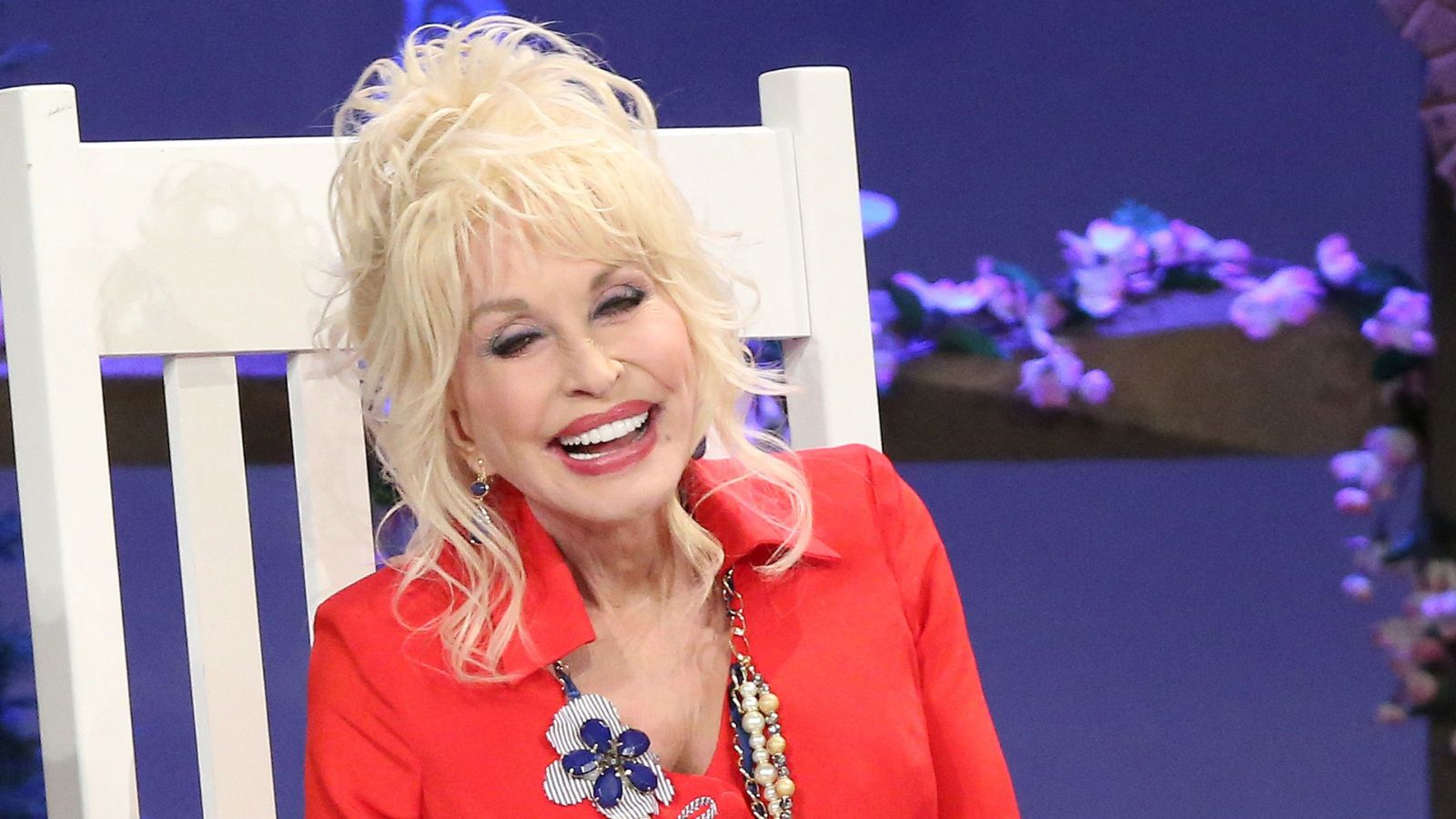
What made the search behavior particularly notable was not simply the volume, but what people were actually searching for. Rather than searches clustering narrowly around confirming whether the news was true, data showed a much broader pattern of searches tied to specific parts of Parton’s life and career.
People searched her most iconic songs, including “Jolene” and “I Will Always Love You,” alongside her film work, most notably “Steel Magnolias.”
Others searched more broadly for her life story, decades of philanthropic work, and overall legacy, suggesting that many searchers were not simply reacting to breaking news but actively trying to reconstruct the full picture of who she was and what she had done.
That kind of search pattern tends to reflect something specific about how the public processes the death of a cultural figure.
When someone dies who occupied a purely niche or specialized space in public life, search interest usually stays narrow, largely confined to confirming details of the death itself.
Parton’s search pattern looked different. The breadth of topics people searched, spanning music, film, philanthropy, and biography, pointed to a public trying to take stock of an unusually wide-reaching career rather than reacting to a single piece of news.
Search interest was especially strong in Tennessee, where Parton was born and where her cultural footprint runs deepest, but the surge was far from limited to her home state.
Significant spikes were also recorded internationally, including notable jumps in search interest across Canada, the United Kingdom, and Ireland.
That international dimension mattered because it echoed what was already being reported by other outlets covering the global reaction to her death.
Reuters described a wave of tributes arriving from what it characterized as prime ministers to pop stars, illustrating how far Parton’s reach extended beyond music charts and into a kind of cultural common ground shared across very different countries and communities.
Fans and public figures interviewed by Reuters repeatedly pointed to Parton’s rare ability to connect with audiences across differing political persuasions, age groups, genders, and cultures, a trait that several described as almost impossible to replicate in the modern entertainment landscape.
A Global Reaction That Reflects Genuine Familiarity, Not Just Fame
Australian Dolly Parton tribute performer Brooke McMullen told Reuters that when she first saw the news, her initial instinct was disbelief, saying she assumed it had to be a hoax because Parton felt like someone who would simply always be around.
McMullen, who performs a Parton tribute show across Australia, explained that part of what made Parton’s music so enduring was how personally people connected to it, noting that almost everyone has at least one Parton song tied to a specific memory, whether it was introduced by a grandmother or played at a wedding.
She summarized that connection simply, saying that everybody has a Dolly Parton song, a line that captured why the mourning extended so far beyond traditional country music fans.
Public figures well outside the entertainment industry echoed that sentiment. Ugandan opposition leader and musician Bobi Wine wrote on social media that Parton’s songs taught people how to fall in love and express themselves, closing his tribute with a nod to one of her signature lyrics.
In Japan, where Parton toured only once, back in 1979, music producer Seiji Kameda said he had been captivated by her voice since his early teenage years, describing it in terms that suggested her influence had quietly shaped listeners in places where she was never a dominant chart presence.
Public tributes extended into symbolic gestures as well, with the King’s Guard band reportedly performing Parton’s “9 to 5” outside Buckingham Palace and the Empire State Building lighting up in pink in her honor.
Music industry figures who had known Parton personally added their own reflections to the wave of coverage. Paul McCartney wrote that it was hard to imagine a world without Dolly, adding that her songwriting, singing, and philanthropy were unrivaled in country music.
Elton John separately described her as a giant of an artist with what he called the kindest heart, language that mirrored how many others in the industry characterized her combination of talent and personal generosity.
Taken together, these tributes suggest the search surge was not an isolated data point, but one visible expression of a much larger, genuinely global reaction to her death.
Why This Kind of Search Behavior Signals Something Deeper Than Fame
A recognizable pattern tends to emerge whenever a truly familiar public figure dies, one that search behavior experts and cultural commentators have long observed.
Rather than searching simply to confirm a death, large groups of people begin searching to relive and reconstruct a person’s body of work, effectively using search engines to process loss collectively.
That pattern typically appears only for figures whose presence in daily life extended well past their core audience, reaching people who may never have called themselves fans but who nonetheless grew up hearing their music, watching their films, or encountering their name in unrelated contexts.
Parton’s search data appears to fit squarely into that pattern. The breadth of topics searched, the international spread of interest, and the specific rise of nostalgic queries like her quotes and her most personal songs point to a public that wasn’t simply confirming a headline but actively trying to understand the size of what had been lost.
That distinction matters because it separates ordinary celebrity fame from the kind of cultural familiarity that very few public figures ever achieve.
Parton spent decades cultivating both an enormous professional legacy and a personal warmth that made her feel accessible even to people who had never followed her career closely.
The result, based on the verified search data and the accompanying wave of tributes from across the world, is a portrait of a public figure whose death briefly reordered how millions of people used the internet on an otherwise ordinary Tuesday.
That distinction is not typically reserved for entertainers, and it reflects the same theme running through nearly every tribute shared this week. Parton was not simply famous in the conventional sense.
She had become familiar to people who never expected to feel her loss so directly, and this week’s search data offered a rare, measurable glimpse of just how far that familiarity actually reached.
Other Posts You Might Like
- Dolly Parton, Country Music’s Beloved Queen, Dies at 80 After Brief Cancer Battle
- Taylor Swift Calls Dolly Parton “True Grace and True Grit” in Emotional Tribute
If you like what you just read, then subscribe to our newsletter and follow us on social media.


