7 Different Dining Customs From Around The Globe
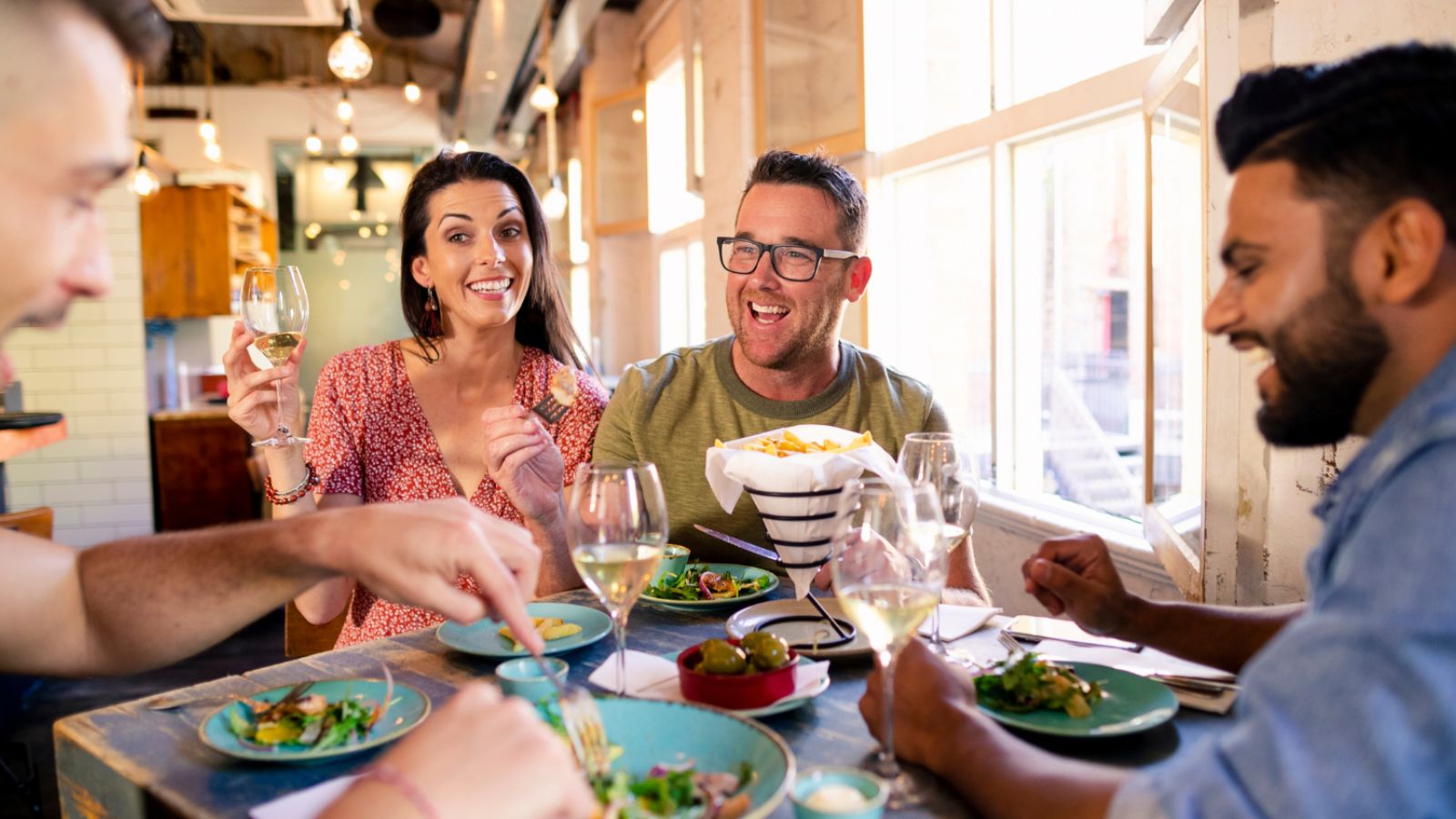
When it comes to dining abroad, one might assume that eating is just eating, no matter where you go. Yet, food etiquette can differ dramatically from one country to the next, creating both fascinating and sometimes awkward situations for travelers.
Imagine preparing for a dinner in a foreign country, only to find that something as simple as passing food or the time you arrive for a meal could have significant cultural implications. This article uncovers some surprising dining etiquette rules from around the world that, while surprising, reflect the unique cultural values and beliefs of different regions.
Why Does Food Etiquette Matter?
In every culture, food plays a role beyond nutrition. It’s a medium of communication, a form of hospitality, and an expression of tradition. Good table manners are often seen as a reflection of respect for the host and the meal itself. For some cultures, failing to adhere to local dining rules may cause offense, while in others, it may even impact your social standing.
So, whether you’re planning a trip abroad or simply love learning about cultural traditions, understanding these dining customs is an important step in ensuring a respectful and enjoyable experience.
Don’t Pass Food From Chopsticks to Chopsticks in Japan
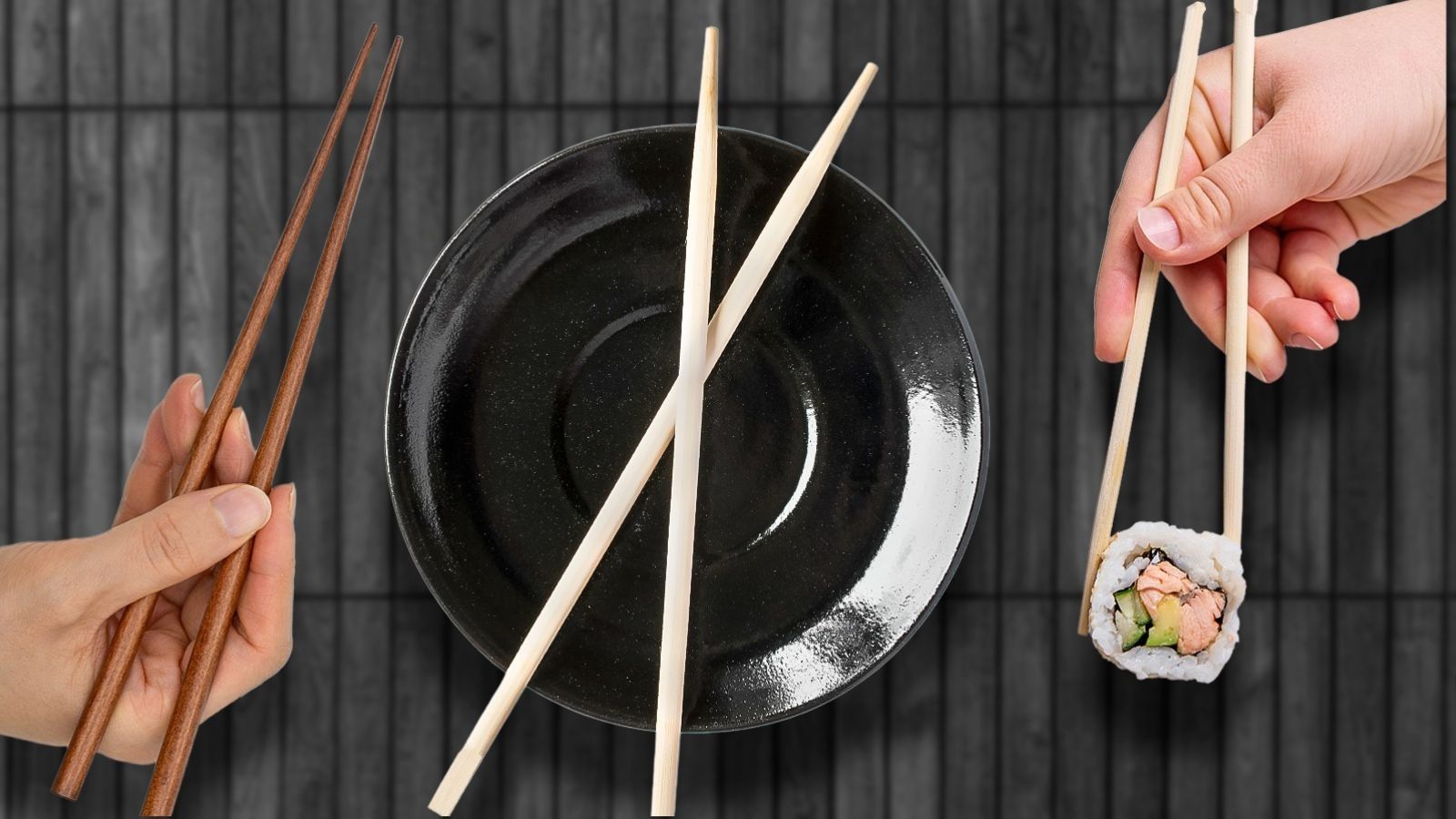
Japan’s rich history and profound connection to rituals are often mirrored in its dining traditions. One of the most surprising and important food etiquette rules in Japan is the prohibition against passing food from one pair of chopsticks to another. Why? It may seem trivial at first, but this practice has deep symbolic roots tied to funeral rites.
During Japanese funeral ceremonies, the deceased’s bones are passed from one set of chopsticks to another. This is seen as disrespectful when done at the dinner table, as it mirrors customs around death. So, when eating in Japan, avoid passing food directly from your chopsticks to someone else’s. If you want to share something, you can place it on the plate or in a bowl for your dining companion to pick up.
It’s a simple gesture but one that maintains respect for both the meal and cultural customs.
Never Flip a Fish in China
In Chinese cuisine, fish is considered a symbol of good fortune, particularly when served during important celebrations. However, flipping the fish on your plate after eating one side is seen as bad luck. This custom likely stems from the idea that flipping the fish mimics flipping a boat, which, in Chinese culture, is associated with disaster and ill fortune.
Instead of flipping the fish, use your chopsticks or a fork to gently remove the bones, so you can eat the other side without disturbing the dish’s delicate balance. While this might seem like a trivial detail, it is one that holds great importance in traditional Chinese dining.
Cappuccinos Are for Before, Not After, Meals in Italy
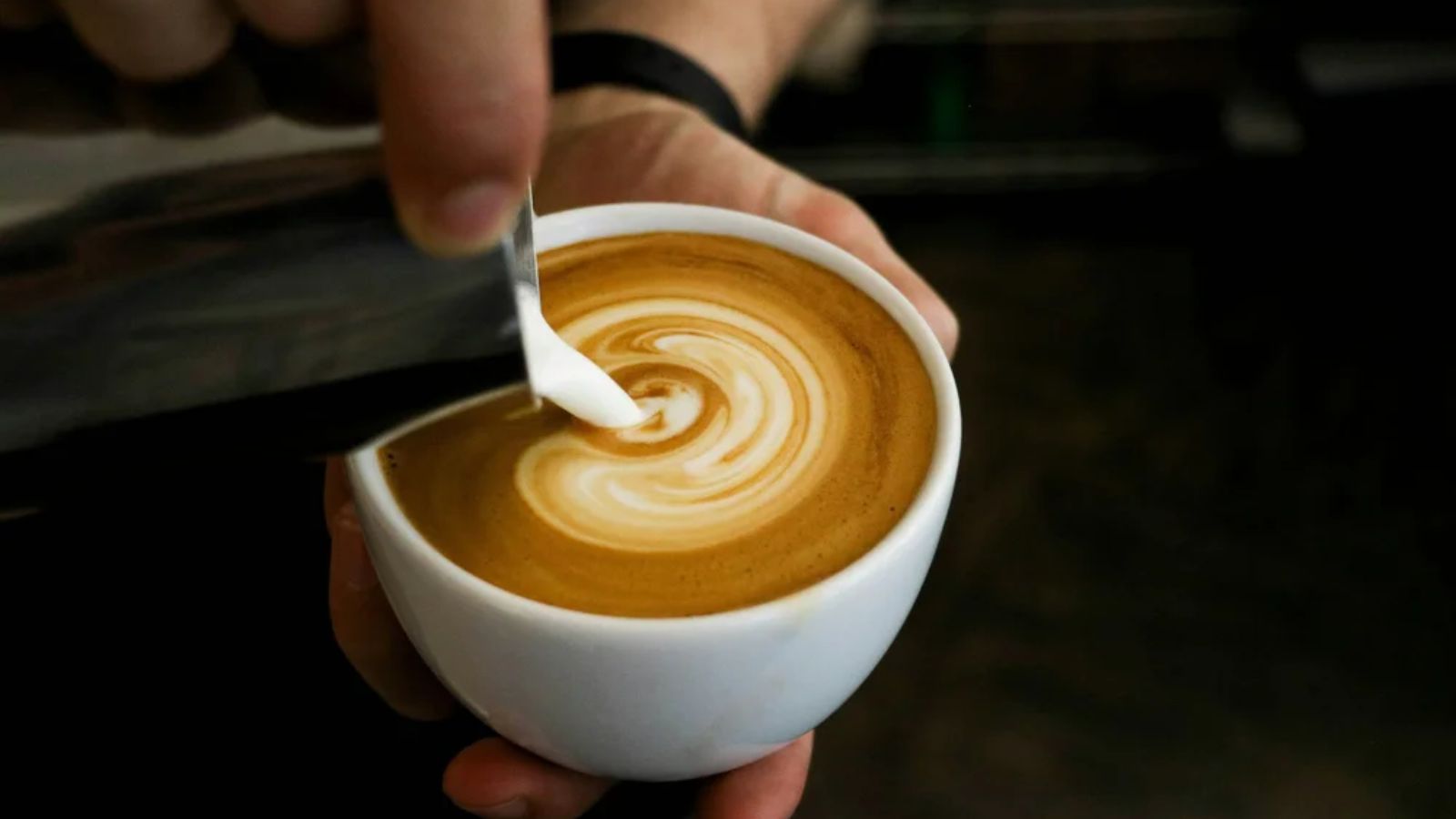
Italy, a country renowned for its coffee culture, has a very specific rule about drinking cappuccino. While cappuccinos are beloved worldwide, Italians have strict rules about when to consume them. According to Italian food etiquette, it’s considered improper to drink a cappuccino after a meal.
Why? The idea is that milk-based coffee beverages, like cappuccinos, interfere with digestion. Italians usually reserve cappuccino for breakfast or early in the day. So, if you’re in Italy, remember to order your cappuccino before the meal, ideally in the morning.
After a meal, go for a light espresso or another type of coffee. It’s a small detail but shows respect for local dining customs.
The Fork Is Not for Your Mouth, Thailand
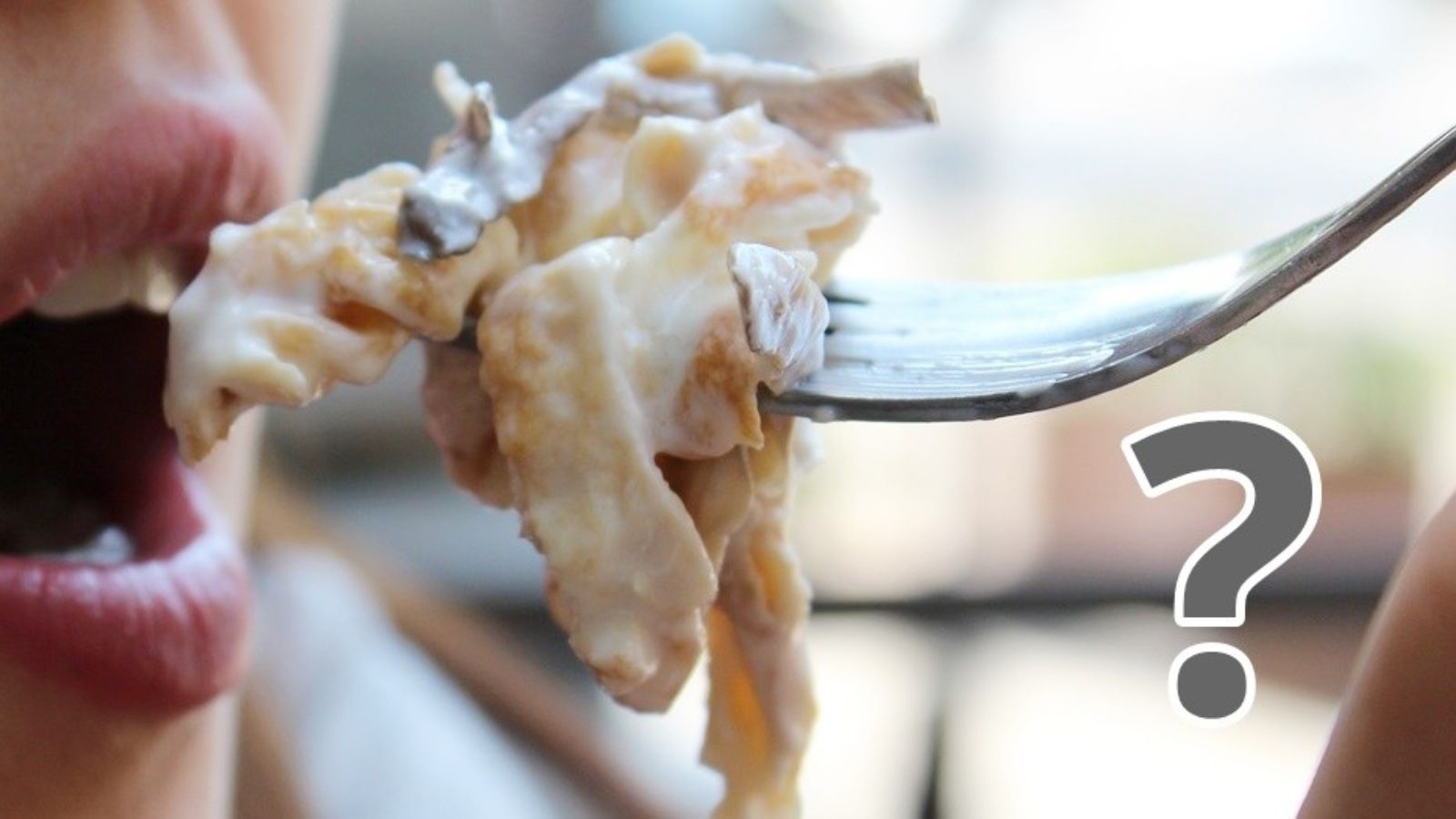
In Thailand, the fork has a very specific role at the dining table—it is used solely to push food onto your spoon. Using the fork to eat or put food into your mouth is considered improper. This rule stems from the fact that the spoon is the main utensil for eating in Thailand, while the fork is merely a tool for moving food.
So, when eating in Thailand, be sure to use your spoon for eating, and keep the fork in your left hand to push the food onto the spoon. Following this etiquette will not only make your meal more enjoyable but will also show your understanding and respect for Thai dining traditions.
Eating With Your Left Hand Is a No-Go in Arabic Countries
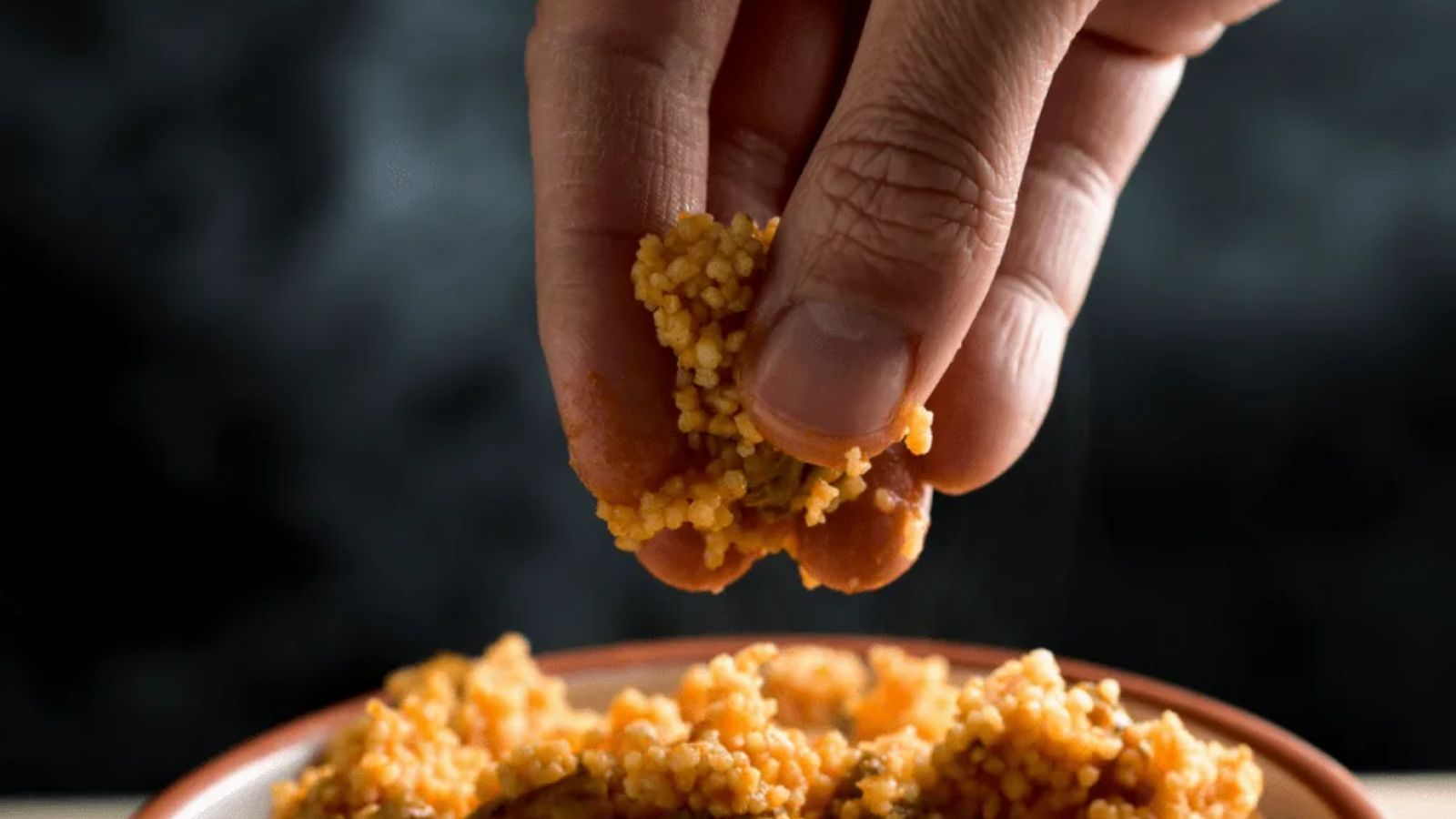
In many Arabic countries, eating with your left hand is considered not only impolite but also unsanitary. The left hand is traditionally associated with personal hygiene, and using it to eat is considered disrespectful. The right hand, on the other hand, is considered clean and proper for handling food.
If you’re dining in an Arabic country, always use your right hand to eat. It may feel awkward at first, but adhering to this rule will help you fit in and demonstrate respect for local customs.
Punctuality Can Be an Insult, Tanzania
In some countries, being on time for a meal is seen as a sign of respect and good manners. However, in Tanzania, punctuality at a dinner party is considered rude. In fact, arriving exactly on time can be viewed as an insult to your host. Tanzanians typically expect guests to arrive 20 to 30 minutes later than the scheduled time.
When invited to dinner in Tanzania, don’t fret if you find yourself running a bit late—it’s a sign of respect to the host’s more relaxed view of time. Just be sure to keep it within reason, as arriving excessively late could still be seen as disrespectful.
A Half-Full Teacup Is a Good Sign, Kazakhstan
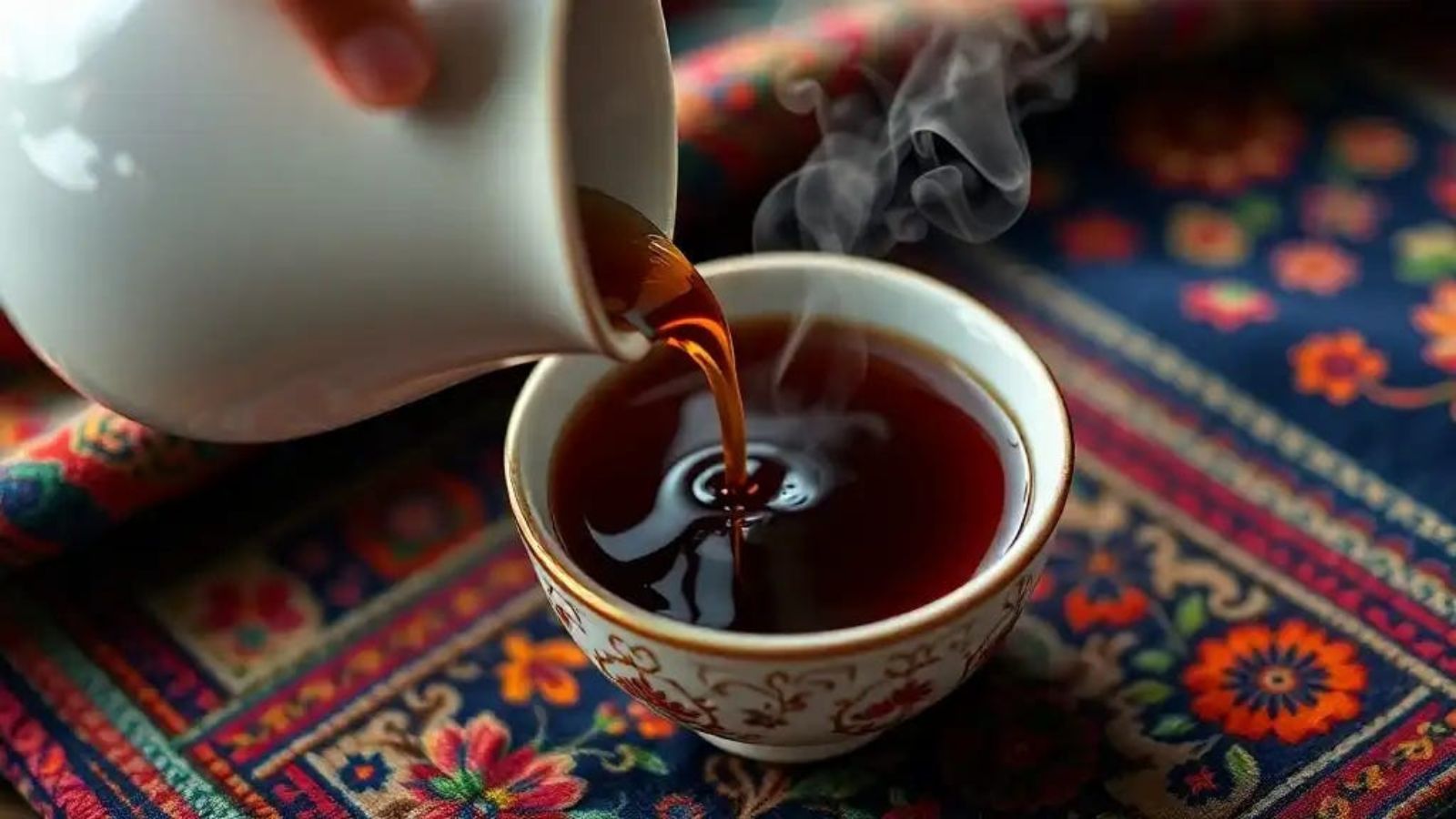
In Kazakhstan, a half-full cup of tea carries a significant cultural meaning. If your host offers you a half-filled cup, don’t be offended, it’s a sign of respect and hospitality. A full cup, on the other hand, signals that the host may be hinting that it’s time for you to leave.
This custom reflects the Kazakh tradition of offering guests tea as a sign of welcome. So, when visiting Kazakhstan, don’t rush to finish your tea. Instead, enjoy the experience and take your time—just be mindful of how much is in your cup.
Conclusion
From Japan to Kazakhstan, dining etiquette varies widely across the globe, and what may seem like an innocuous action in one country could be considered deeply disrespectful in another. By understanding these cultural nuances, you not only avoid embarrassment but also show a level of respect for the people and traditions you are engaging with.
Dining etiquette isn’t just about following rules; it’s about embracing the cultural values that these traditions represent. Whether it’s avoiding bad luck by not flipping a fish in China or understanding the deeper meaning behind a half-cup of tea in Kazakhstan, each dining custom tells a story of the country’s history, values, and way of life.
Read the original article on crafting your home