6 Daily Tasks Baby Boomer Kids Were Expected To Manage Themselves
Image Credit: peopleimages12 via 123RF
The Baby Boomer generation grew up in a world very different from the one we know today. The responsibilities they were entrusted with at a young age shaped them into resilient, resourceful adults. They learned to navigate the world without constant parental intervention, a stark contrast to the highly supervised and structured childhoods many children experience today.
Here are the skills Baby Boomer kids were expected to handle independently, helping them grow into self-sufficient, capable adults.
Developing Financial Literacy

Baby Boomer children didn’t have the financial education that many children benefit from today. Instead, they learned the value of money through necessity. This practical approach to money taught them the importance of budgeting, saving, and living within their means.
Instilling good financial habits early on can set children up for long-term financial stability. Encouraging them to earn, save, and budget fosters financial independence and ensures they understand the value of money.
Problem-Solving
In an era of limited technology, Baby Boomers spent more time solving problems on their own. From figuring out how to build a treehouse to navigating social conflicts, kids were expected to handle challenges independently. They learned to think critically, analyze situations, and come up with solutions without relying on others.
Problem-solving is a vital life skill that helps individuals succeed in both their personal and professional lives. By encouraging children to tackle challenges independently, we nurture self-confidence and decision-making abilities that will last a lifetime.
Performing Household Chores
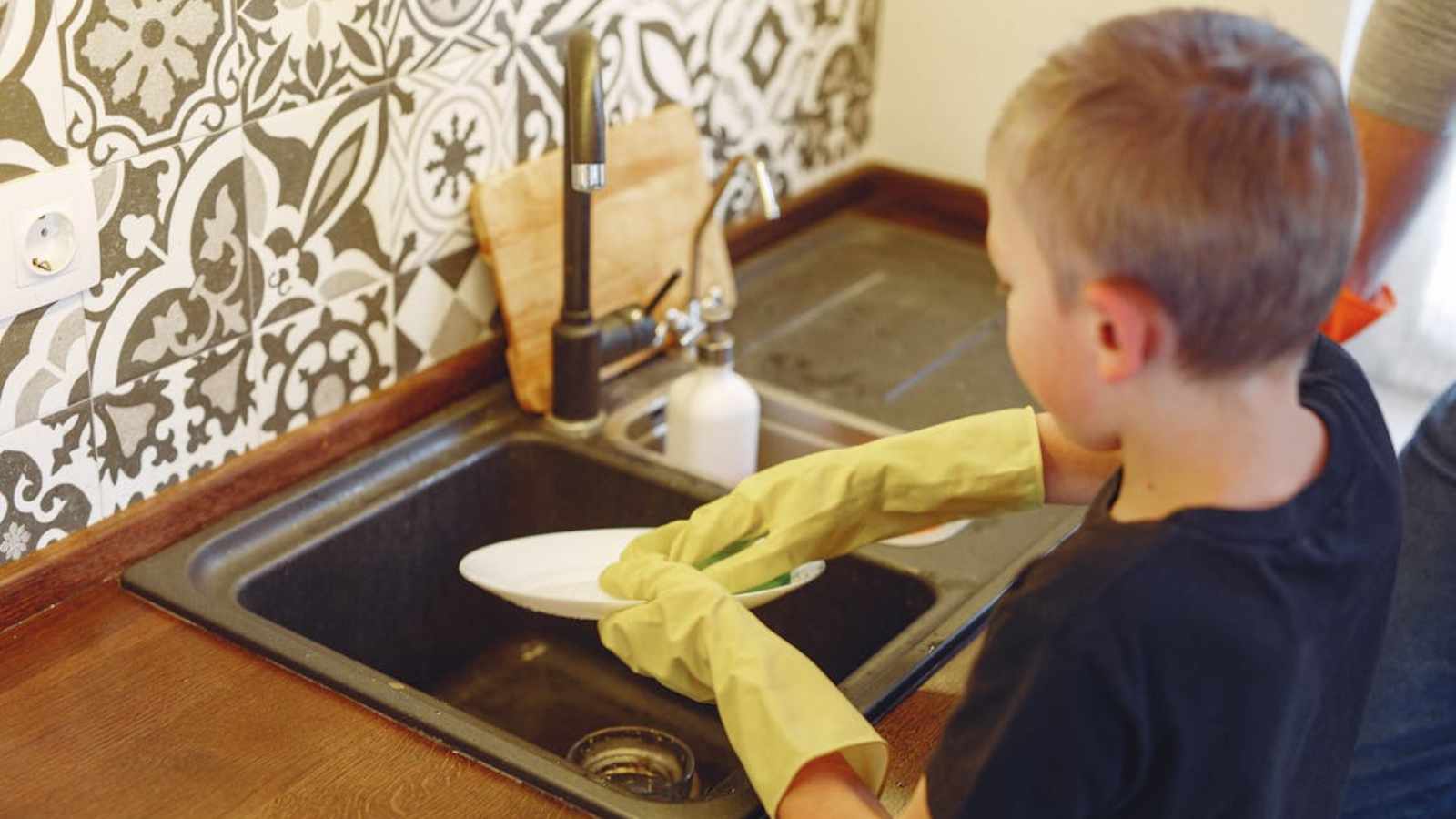
Household chores were an integral part of growing up for Baby Boomers. Washing dishes, mowing the lawn, or cleaning the house, kids were expected to contribute to the upkeep of their home. This instilled a strong work ethic and a sense of responsibility.
Completing chores teaches children the importance of teamwork and the value of hard work. It also fosters independence and self-discipline, preparing them for the demands of adult life.
Handling School Issues
Unlike today’s parents, who often step in to advocate for their children at school, Baby Boomers were expected to manage their academic lives without parental intervention. If they had an issue with a grade or teacher, they were responsible for addressing it themselves. This level of responsibility fostered a sense of ownership and accountability for their education.
Encouraging children to take responsibility for their academic progress empowers them to become active participants in their learning. It helps them develop self-discipline and a proactive attitude toward their studies.
Babysitting
Older siblings often found themselves in charge of younger siblings, either for short periods or for longer stretches. Babysitting wasn’t just a way to earn a bit of money; it was a responsibility that taught leadership, empathy, and caregiving.
Babysitting helped Baby Boomers develop emotional intelligence and conflict resolution skills. Learning how to care for others at a young age fosters a sense of responsibility and builds strong family bonds.
Cooking Simple Meals
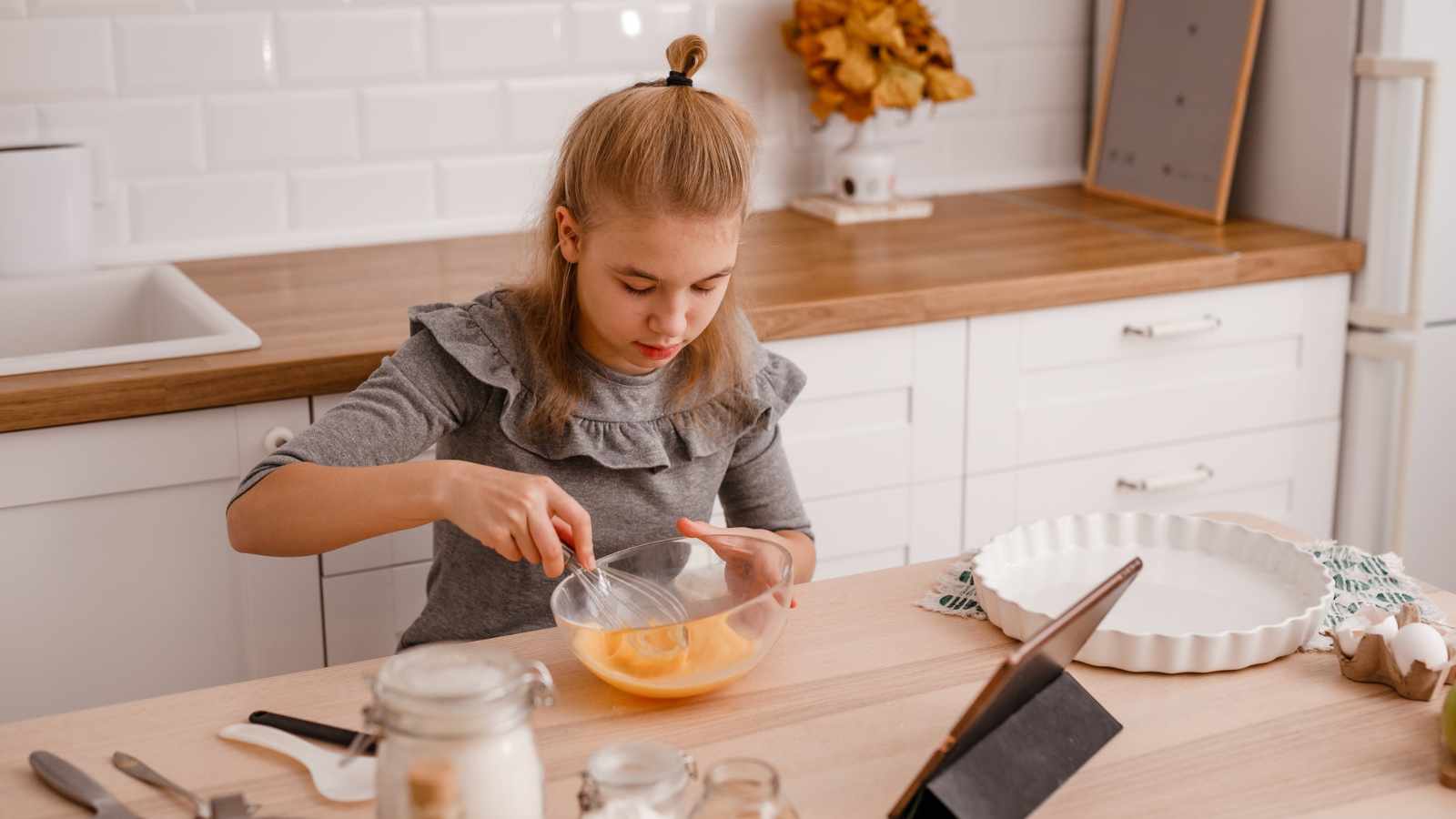
By the time they were adolescents, many Baby Boomers knew how to cook basic meals for themselves. Whether it was making a sandwich or preparing a simple dinner, they learned the life skills necessary for independence.
Teaching children how to cook is an essential part of preparing them for adulthood. It not only helps them become self-sufficient but also encourages healthy eating habits and kitchen creativity.
Key Takeaways
The Baby Boomer generation was raised with an emphasis on independence and personal responsibility. They learned how to manage their own time, solve problems, handle finances, and take care of themselves; all essential skills that helped them thrive in adulthood. The world has changed significantly since then, but the importance of these life skills remains the same.
By fostering independence and teaching children these vital skills today, we can ensure they are well-equipped for the challenges and opportunities of tomorrow.