6 Common Food Mistakes You’re Probably Making (How To Avoid Them)
Food safety is often taken for granted, but it’s an essential part of creating a healthy kitchen environment. While we may be meticulous about ingredients, we sometimes overlook small practices that can have a huge impact on our well-being. Whether it’s using the wrong cutting board, improperly thawing meat, or forgetting about those leftovers in the fridge, these seemingly minor mistakes can lead to foodborne illnesses.
In fact, many of us make these slip-ups regularly without even realizing it. By making small, thoughtful changes to our kitchen habits, we can ensure that every meal is not only delicious but also safe to eat.
Choosing the Wrong Cutting Board
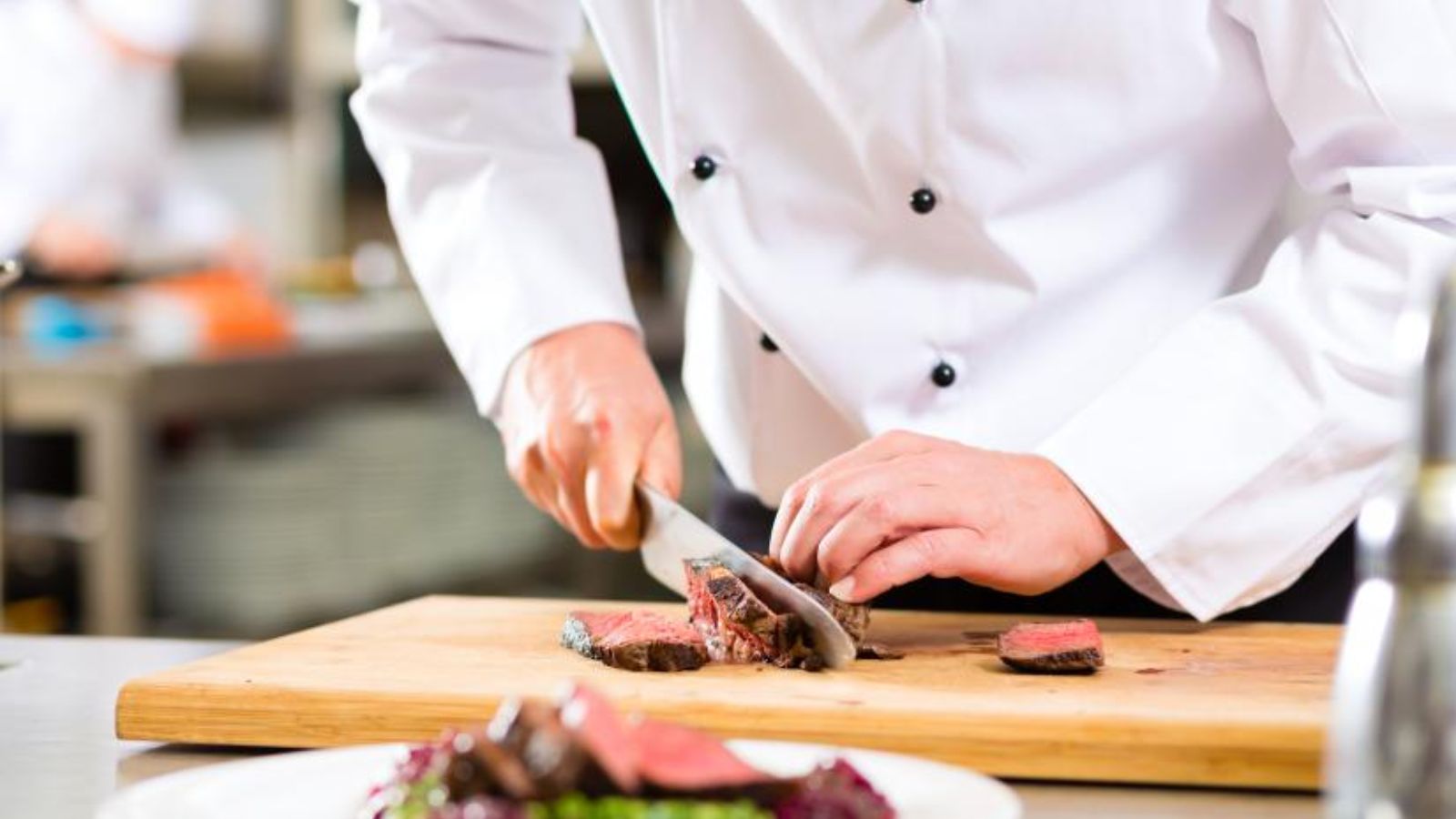
Many of us use one cutting board for all our food prep, but this can lead to cross-contamination. Wooden boards are porous and can trap bacteria, while plastic boards are easier to sanitize. Additionally, cutting boards used for meat should not be used for produce without thorough cleaning in between.
Use separate cutting boards for meat, poultry, fish, and vegetables. It’s best to reserve wood cutting boards for produce and plastic or acrylic boards for raw meat. Make sure to clean them thoroughly after each use with hot water and soap and sanitize them regularly to avoid bacteria buildup.
Forgetting About Your Dishcloths
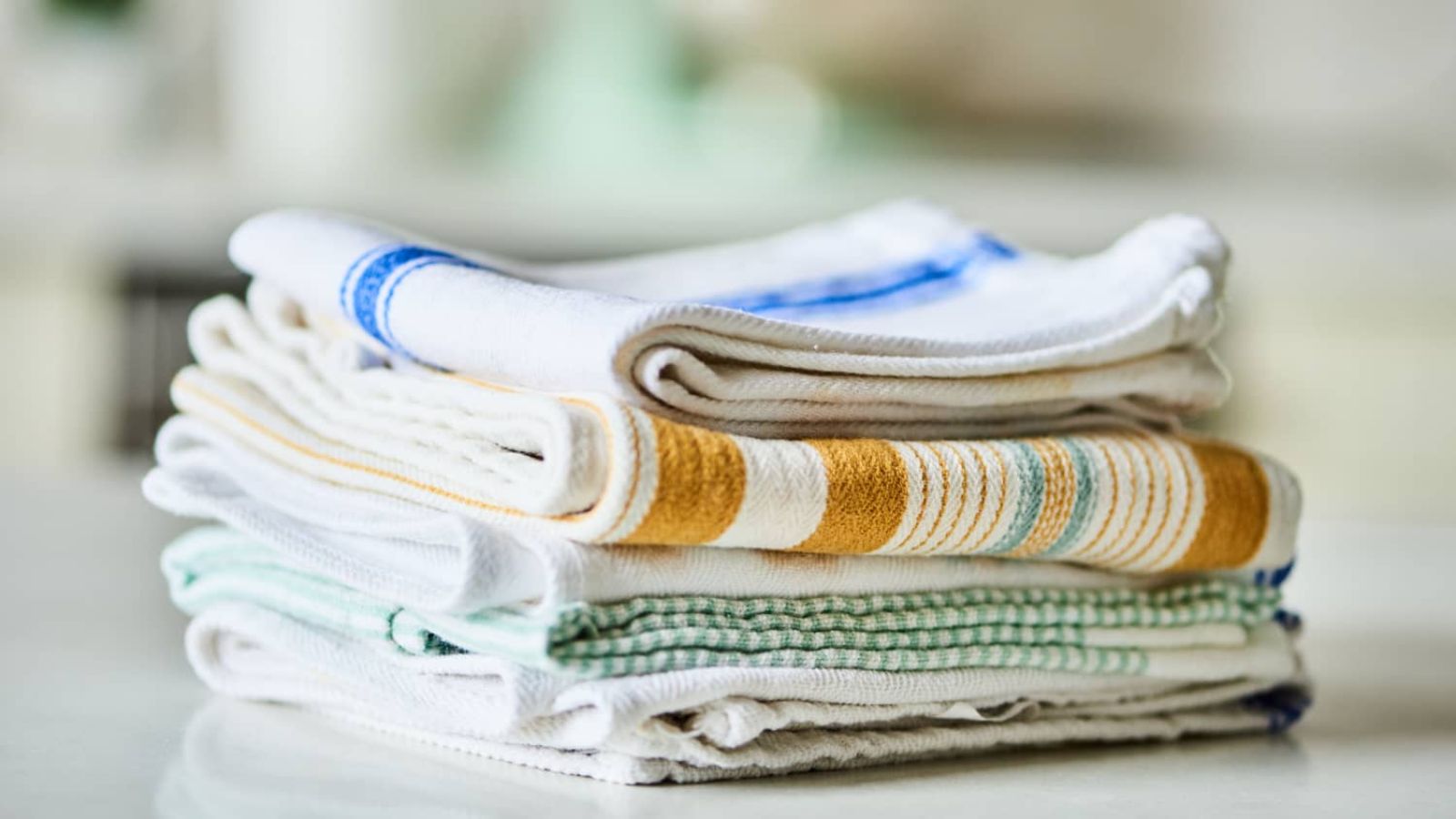
Dishcloths are often overlooked when it comes to food safety, but they can become a hub for bacteria. Dishcloths are frequently used to wipe up spills and dry dishes, and over time, they collect food particles and germs that can spread to other surfaces in your kitchen.
Wash your dishcloths regularly and consider using separate ones for drying hands and drying dishes. It’s also a good idea to sanitize dishcloths in the washing machine with hot water, or by soaking them in a bleach solution. If you notice any lingering smells, it’s time to replace them.
Keeping Leftovers Too Long
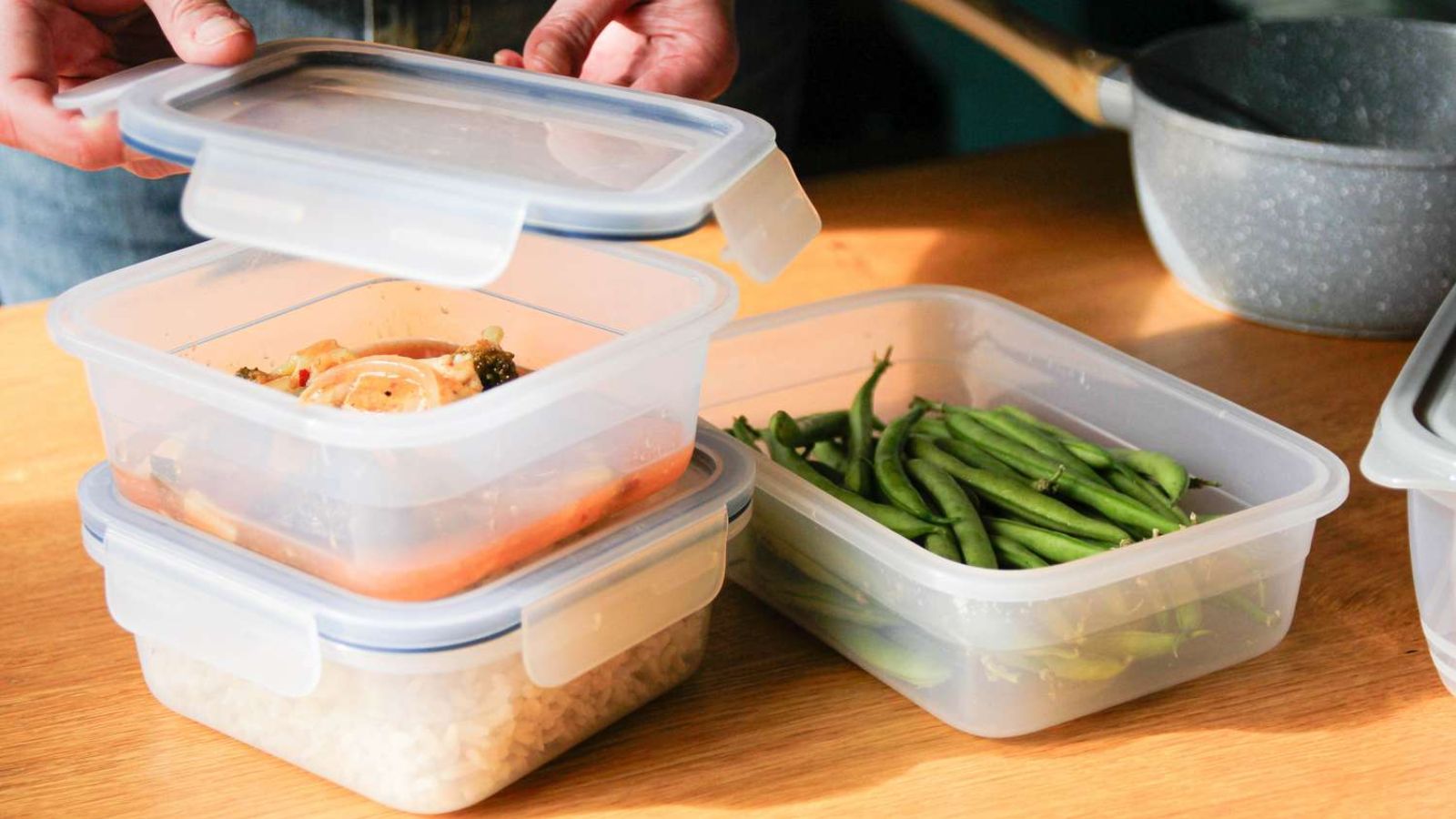
Leftovers are convenient, but they can also be a breeding ground for bacteria if stored improperly or kept too long. While leftovers can be safe for up to four days, they can quickly become hazardous after this time frame, especially if they have not been stored at the right temperature.
Store leftovers in airtight containers in the fridge and consume them within three to four days. If you can’t eat them in time, consider freezing them to extend their shelf life. When reheating leftovers, make sure they reach a safe internal temperature of 165°F to kill any bacteria that may have developed.
Not Cleaning or Replacing Your Sponge Often Enough
Sponges are indispensable tools for kitchen cleaning, but they can also become breeding grounds for bacteria. After just a few uses, sponges can harbor dangerous pathogens that spread germs across your kitchen surfaces. In fact, the damp environment inside a sponge makes it a perfect home for harmful bacteria such as Salmonella and E. coli.
To keep your sponge in check, clean it every day. You can microwave it for one minute, run it through the dishwasher on the dry cycle, or soak it in a bleach solution for a minute to kill bacteria. Don’t forget to replace your sponge regularly, ideally once per week, to avoid unwanted germs. If your sponge starts to smell, toss it immediately—smell is usually a sign that bacteria are flourishing.
Rinsing Your Poultry
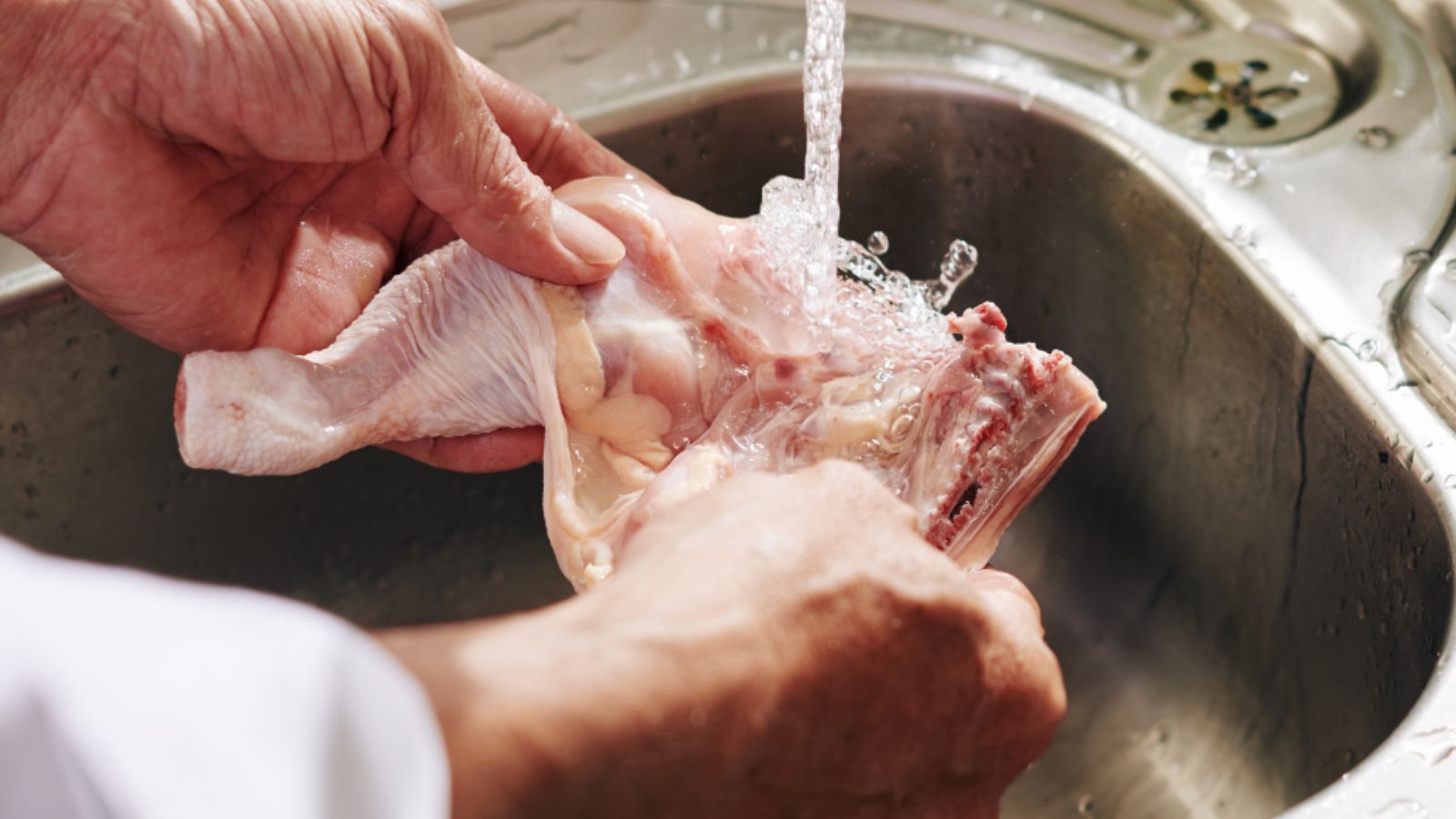
Washing poultry like chicken, turkey, or duck before cooking is a common practice in many households. However, research has shown that rinsing poultry doesn’t remove harmful bacteria. In fact, it can spread germs to surrounding surfaces through splashing water.
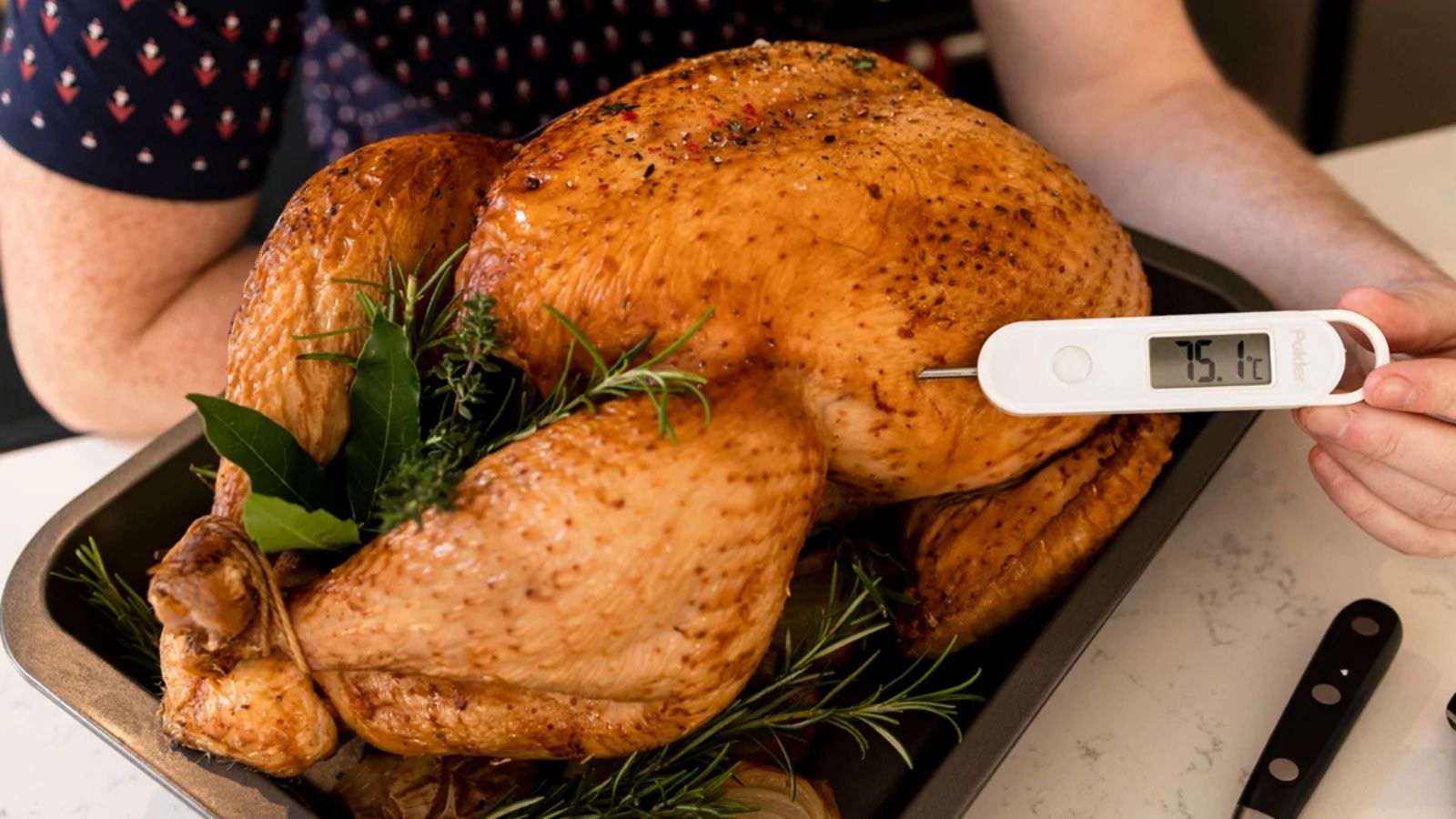
Instead of rinsing, cook your poultry to the correct internal temperature to kill any bacteria. According to food safety experts, chicken and turkey should be cooked to an internal temperature of 165°F. This is the only guaranteed method to eliminate pathogens such as Salmonella and Campylobacter, which are often found on raw poultry.
Not Checking Your Meat’s Temperature
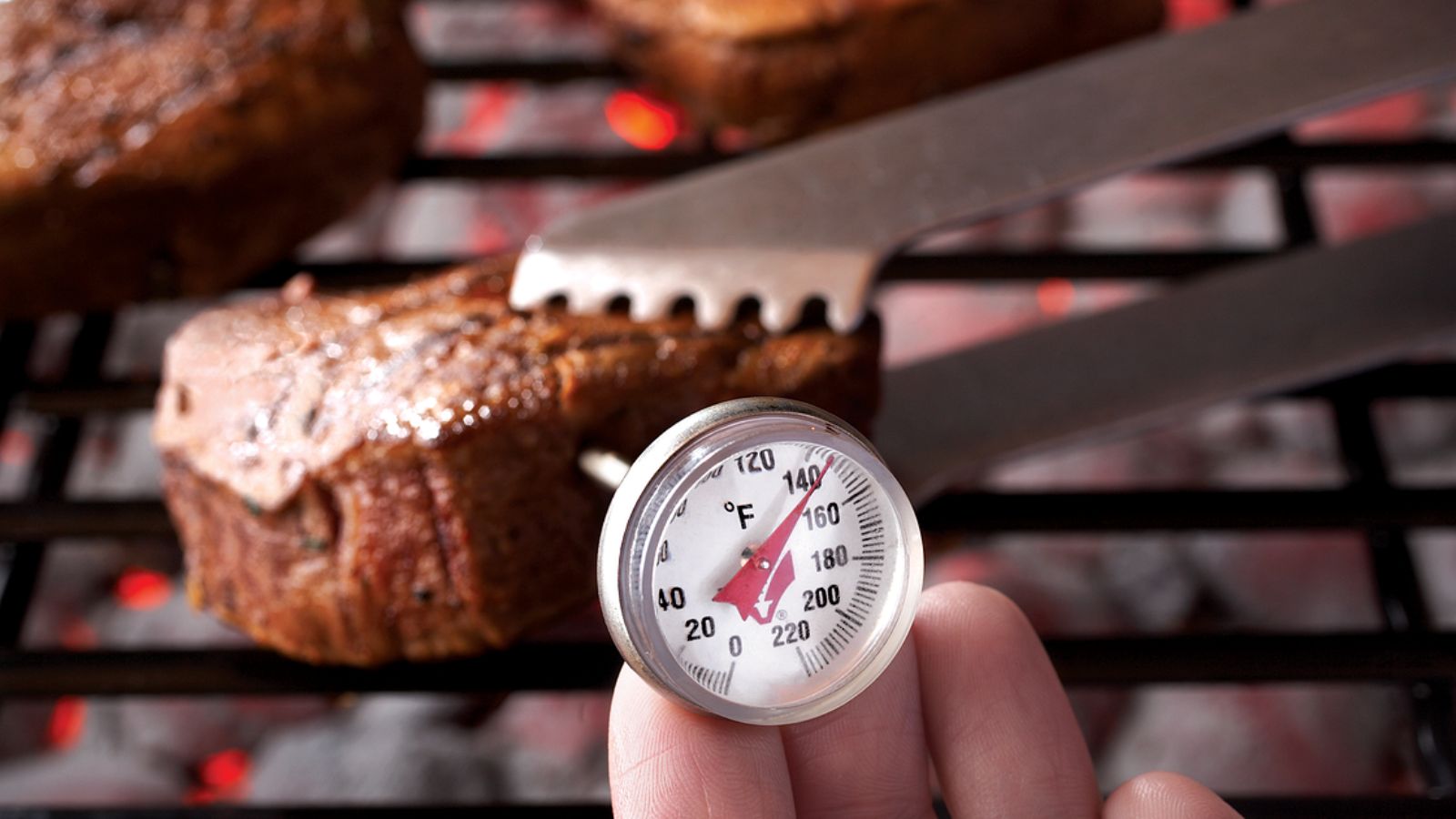
Cooking meat, poultry, and fish to the proper internal temperature is one of the best ways to prevent foodborne illness. Many people rely on appearance or touch to gauge when their meat is done, but this method is not always accurate.
Invest in a good meat thermometer to ensure your food has reached a safe internal temperature. Poultry and leftovers should be cooked to 165°F, while pork, beef, and fish should reach 145°F. Using a thermometer ensures that harmful bacteria, such as Salmonella and E. coli, are effectively killed.
Key Takeaways
Food safety may not always be the most glamorous topic, but it’s crucial for ensuring the health and well-being of you and your loved ones. By avoiding these common kitchen mistakes and implementing a few simple changes, you can significantly reduce the risk of foodborne illnesses.
Remember to regularly sanitize your kitchen tools, store food properly, and always cook food to the right temperatures. By staying vigilant, you can enjoy your meals with peace of mind, knowing you’re keeping yourself and your family safe.
Read the original article on crafting your home