Concerns over escalating tensions between the United States and Iran have intensified after commentator Bill O’Reilly predicted that President Donald Trump may soon authorize a large-scale military strike against Iran.
Speaking on his broadcast, O’Reilly suggested that any potential operation could result in significant civilian casualties and may occur shortly after the July Fourth holiday period. His remarks come amid ongoing fragile diplomatic efforts and renewed clashes reported in the region.
O’Reilly Predicts Possible “Big Time” Military Action

During a recent episode of his program, Bill O’Reilly stated that he expects a significant military response involving Iran in the near future. He described the potential action as a “big time” strike and suggested that it could follow the Independence Day holiday period in the United States.
O’Reilly indicated that he does not expect immediate action during the holiday itself but believes developments could unfold shortly afterward. His comments were framed as a prediction rather than an official announcement, but they quickly drew attention due to the sensitive nature of U.S.–Iran relations.
He also expressed concern that such an escalation could lead to civilian casualties, emphasizing the human cost of military conflict.
Ongoing Diplomatic Efforts and Fragile Ceasefire Conditions

The prediction comes at a time when diplomatic efforts between the United States and Iran are still ongoing. Negotiations involving U.S. officials and Middle Eastern counterparts have reportedly focused on reaching a long-term agreement aimed at reducing tensions and preventing further escalation.
Recent discussions have included international meetings intended to stabilize relations and address security concerns in the region. However, progress has been described as inconsistent, with both sides reportedly struggling to reach lasting consensus.
Despite these efforts, the situation remains unstable, with periodic breakdowns in ceasefire conditions contributing to continued uncertainty.
Reports of Renewed Military Activity
Tensions have been further complicated by reports of renewed incidents involving maritime and regional security. According to accounts referenced in public discussions, there have been claims of attacks near key shipping routes, including areas close to the Strait of Hormuz, a critical global energy corridor.
Following such incidents, retaliatory actions have reportedly taken place, further escalating concerns about broader conflict. These developments have contributed to heightened international attention on the region and increased speculation about future military responses.
While details of specific operations remain contested across different accounts, the overall environment has been described as volatile.
Political Messaging and Escalation Rhetoric
Statements attributed to President Donald Trump have also added to the intensity of the situation. In public messaging, he has warned of strong responses to further violations of ceasefire conditions and indicated that continued escalation could lead to more severe military action.
These remarks reflect a hardline stance in response to ongoing regional instability. They also highlight the unpredictable nature of diplomatic relations at a time when both negotiation and military deterrence appear to be active components of U.S. policy.
At the same time, officials have continued to emphasize that diplomatic channels remain open, even as tensions fluctuate.
Risk of Civilian Impact in Any Escalation
One of the central concerns raised in commentary around the situation is the potential impact on civilian populations in the event of military escalation. Analysts and commentators have noted that any large-scale operation in the region could carry significant humanitarian consequences.
O’Reilly specifically referenced the likelihood of civilian casualties in his prediction, underscoring the broader risks associated with armed conflict. These concerns reflect long-standing fears about the consequences of escalation in densely populated regions where military and civilian areas may overlap.
Humanitarian organizations have consistently warned that any expansion of conflict in the region could have widespread consequences for non-combatants.
Strategic Importance of the Region
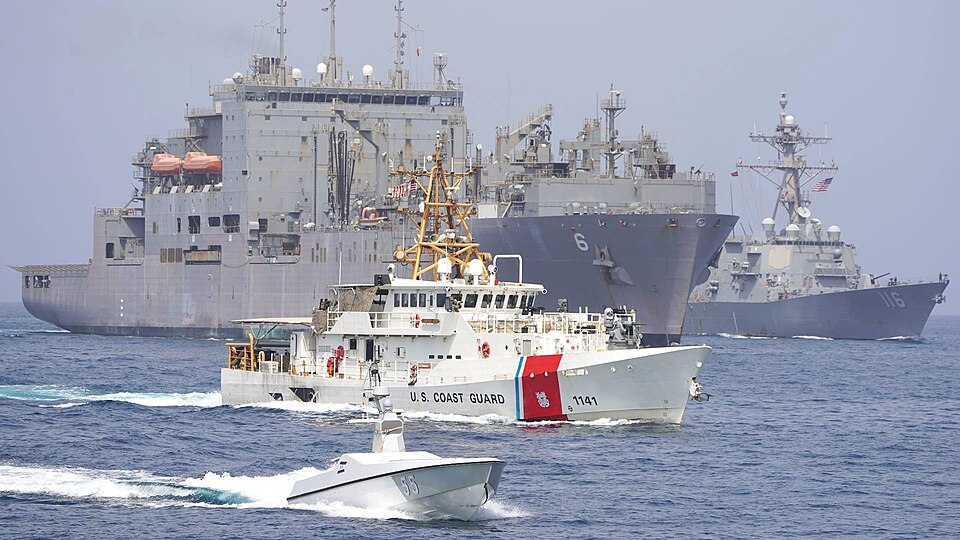
The Middle East remains one of the most strategically sensitive regions in global geopolitics, with critical shipping routes, energy infrastructure, and military installations concentrated in key areas.
The Strait of Hormuz, in particular, plays a vital role in global oil transportation, making stability in the region a priority for multiple nations. Any disruption in this area has the potential to impact global energy markets and international trade.
Because of this, even limited military action or regional conflict carries broader global implications beyond the immediate participants.
Uncertainty Over Future Developments
At this stage, there has been no official confirmation of any planned military operation against Iran. The comments made by Bill O’Reilly reflect his personal assessment rather than verified policy decisions.
Diplomatic negotiations are reportedly still ongoing, and the situation remains fluid. While tensions persist, the balance between negotiation and potential escalation continues to shape expectations in international policy discussions.
The coming weeks, particularly following the U.S. holiday period mentioned in commentary, are expected to be closely watched by analysts and governments alike.
Bill O’Reilly’s prediction of a possible major U.S. military strike against Iran has added to growing public attention on an already tense geopolitical situation. While diplomatic efforts continue and no official action has been confirmed, the broader environment remains unstable, with ongoing incidents and strong rhetoric contributing to uncertainty.
As negotiations and regional developments unfold, the potential for escalation remains a key concern for observers focused on security, diplomacy, and the humanitarian impact of any future conflict.