7 Christmas Foods Boomers Loved (But Rarely See Today)
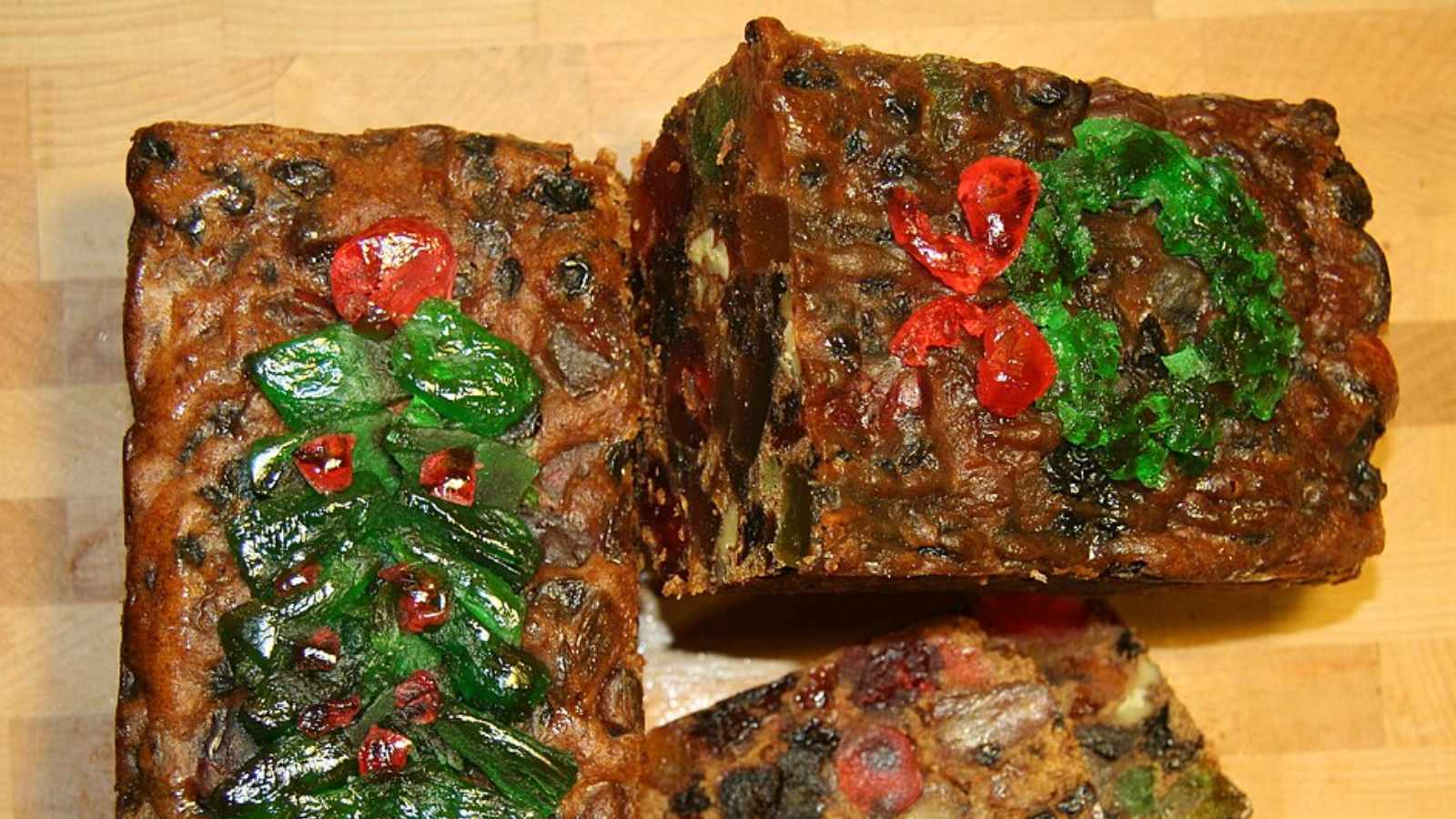
Image Credit: Jonathundervia Wikimedia commons, licensed under CC BY-SA 3.0
The holiday season, once marked by timeless rituals and comforting flavors, has witnessed profound changes in the foods that grace our tables. For many Baby Boomers, Christmas was more than just a celebration; it was a sensory experience woven into traditions passed down through generations.
Yet, over the years, some of the foods that defined those holiday memories have quietly faded into obscurity. As we reflect on these nostalgic dishes, it’s important not just to remember the past but to appreciate the effort, care, and joy they brought to holiday gatherings.
Ribbon Candy
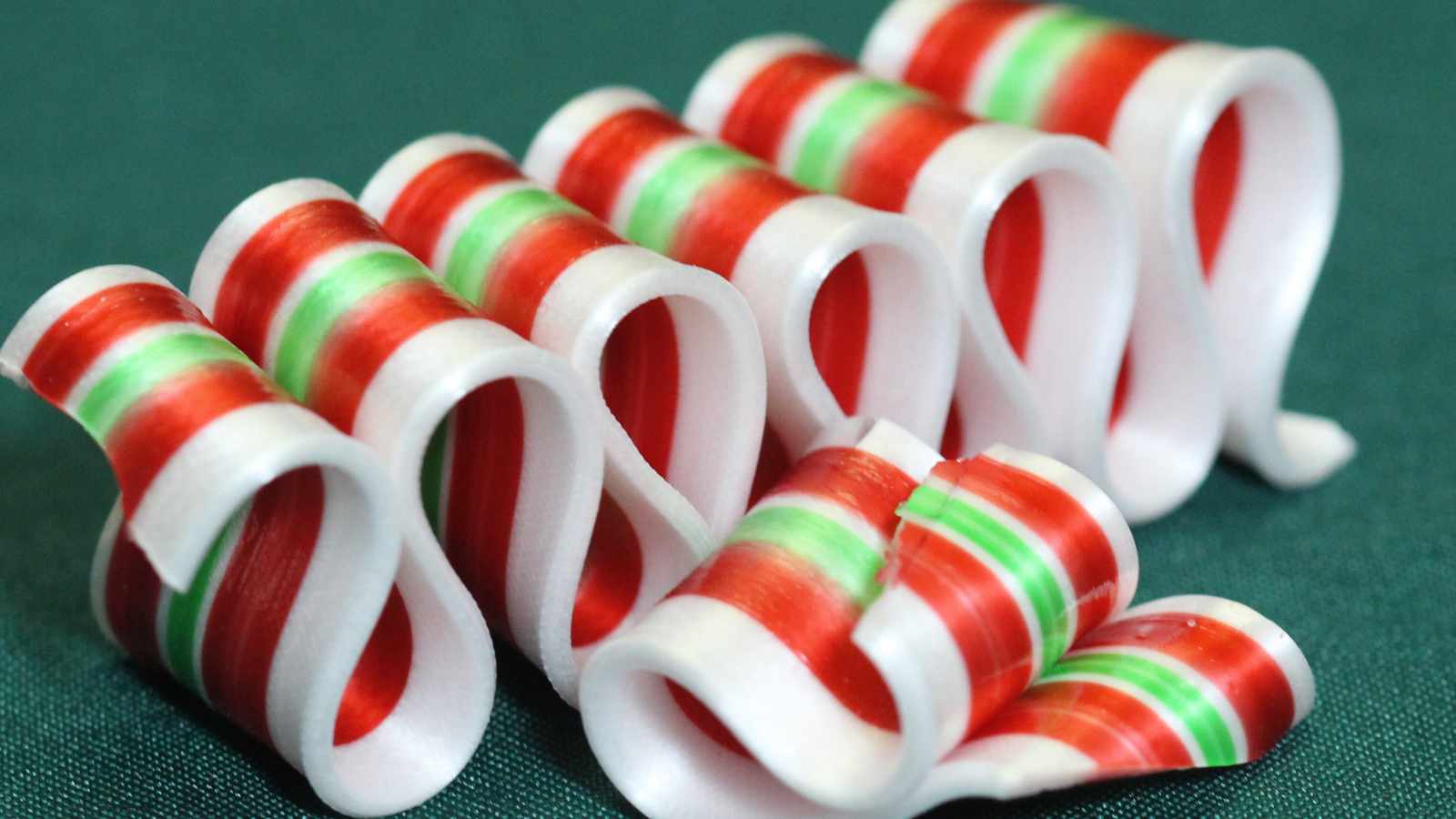
Ribbon candy was another quintessential holiday treat that adorned many Christmas tables. These colorful, twisted ribbons of hard candy were more than just sweet snacks; they were a part of the festive decor, elegantly displayed in glass bowls or candy dishes. Their bright hues added a sense of grandeur to the holiday setting, and the candy’s long shelf life ensured that it lasted throughout the season.
Though ribbon candy may seem outdated today, it once symbolized the meticulous care families took in creating a beautifully decorated home. It was as much about the presentation as the taste, a reflection of a time when decoration was an art form. Today, the focus has shifted to more practical and commercially available candies, making ribbon candy a rarity outside of vintage displays.
The One Dough Christmas Cookie Tradition
Baking Christmas cookies was a major event in many Boomer households. A single dough recipe would be transformed into a variety of cookies, each shaped, decorated, and flavored differently. This approach allowed families to make dozens of cookies in a short time, ensuring there were plenty to share with friends, neighbors, and relatives.
Today, many people opt for store-bought treats or focus on making only a few favorites. The tradition of dedicating an entire day to baking dozens of different cookies has largely disappeared, replaced by quicker, less labor-intensive options. For Boomers, however, baking a wide assortment of cookies was more than just a chore; it was a holiday tradition that brought people together in the kitchen and kept the spirit of generosity alive.
Fruitcake
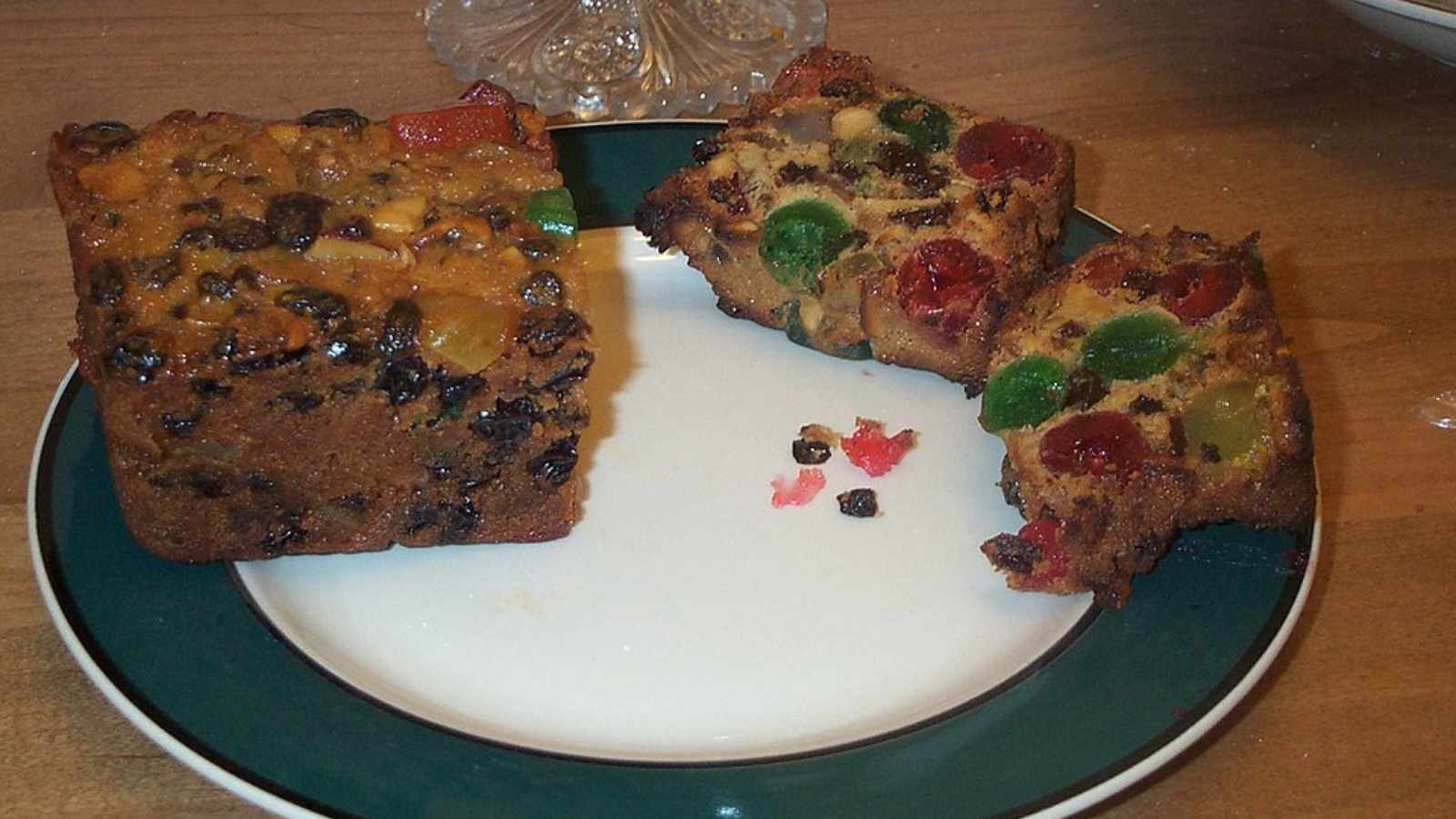
Fruitcake holds a special place in the hearts of Boomers. No Christmas celebration was complete without this dense, rich cake, filled with candied fruits and soaked in spirits for weeks. The preparation of fruitcake was as much a part of the holiday as the cake itself. It required patience and care, and the resulting confection was not just eaten; it was savored. Friends and family were often offered slices with coffee, and it was never dismissed as a joke.
Over time, however, tastes shifted, and fruitcake’s reputation took a hit. Lighter desserts, pre-packaged cookies, and trendy treats overtook this once-cherished holiday staple. Yet, for those who grew up with it, fruitcake still represents a meaningful part of Christmas, a symbol of craftsmanship and tradition.
Christmas Pudding with Hard Sauce
Christmas pudding, dense and rich, was once the centerpiece of holiday desserts. Often made weeks in advance and sometimes aged until Christmas, it was a dessert full of symbolism and ritual. Families would prepare the pudding, and on Christmas Day, they would set it ablaze before serving it with a decadent hard sauce or custard. This ceremony was an integral part of the celebration, elevating the meal into something truly special.
As lighter, more accessible desserts became the norm, Christmas pudding became less popular. Today, it’s a rarity, found mostly in traditional households that still honor the old customs. For Boomers, Christmas pudding is more than just a dessert; it’s a tradition that connects them to the past and adds a sense of ceremony to the holiday meal.
Divinity Candy
Divinity candy, with its light, airy texture, once graced many holiday tables as a labor of love. Made from egg whites, sugar, and nuts, it required careful timing and attention to detail. Families gathered around the kitchen, watching candy thermometers and beating mixtures by hand. Divinity was not just a sweet treat; it was a symbol of shared effort and patience, a product of the holiday season’s slower pace.
With the rise of convenience foods and quicker dessert options, divinity fell out of favor. Its fragility and sensitivity to humidity made it difficult to prepare. Yet, for Boomers, divinity represents the essence of Christmas, an activity that brought families together in a shared pursuit of perfection.
Candied Citrus Peels
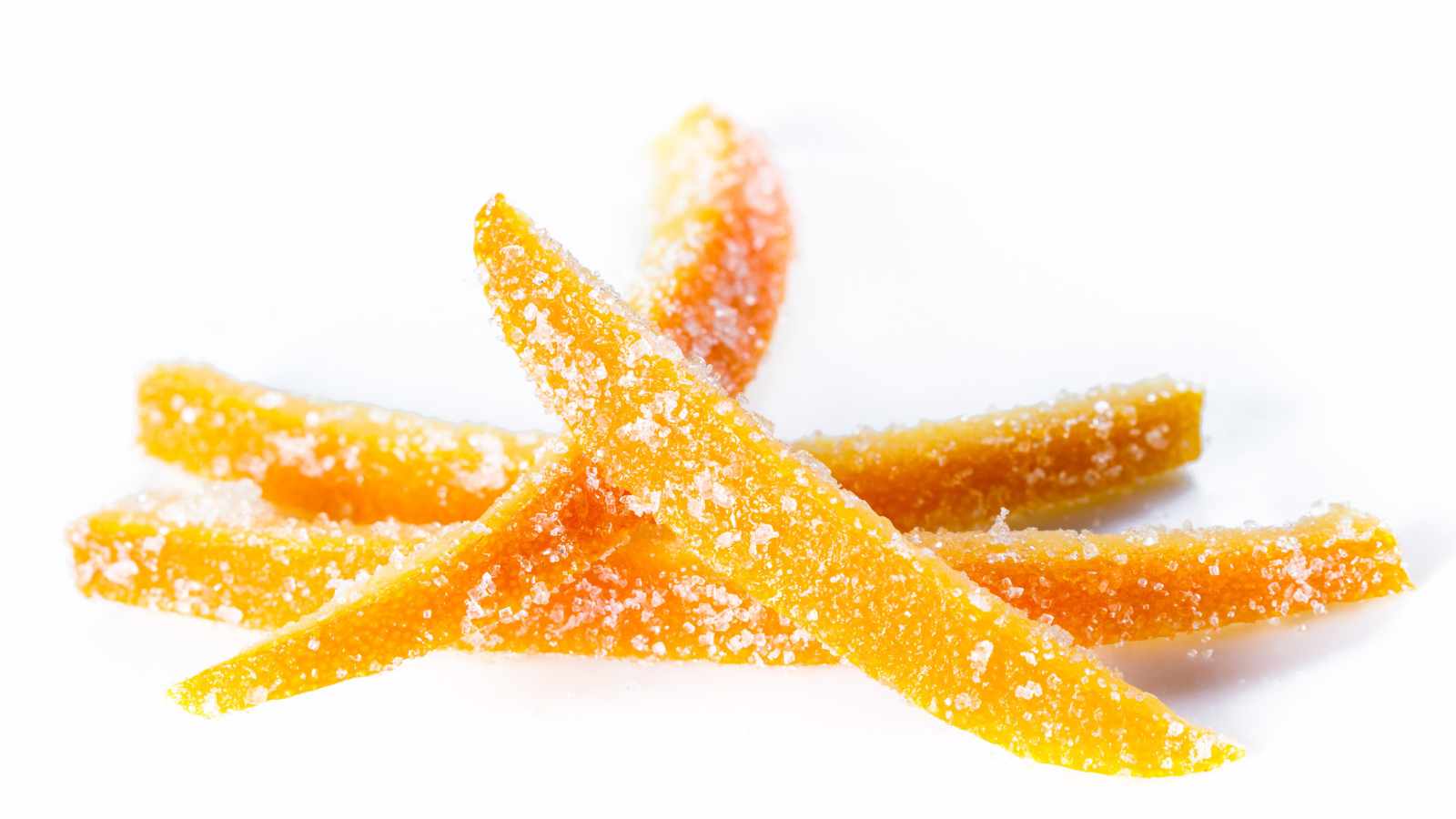
Candied citrus peels were once a beloved holiday treat, often made from orange or lemon peels that were carefully boiled, sugared, and dried. This time-consuming process allowed families to make use of every part of their fruit, reflecting a time when waste was avoided and ingenuity thrived. The result was a sweet, slightly bitter candy that could be enjoyed on its own or incorporated into baked goods.
With the rise of convenience foods, the tradition of candied citrus peels faded away. Today, many people simply discard the peels without a second thought. For Boomers, however, these treats represent a time when holiday cooking was about making the most of ingredients and taking pride in creating something from scratch.
Boiled Custard
Boiled custard was once a comforting holiday beverage, carefully prepared from scratch with milk, eggs, sugar, and a gentle hand over the stove. Unlike store-bought eggnog, which is quick and convenient, boiled custard required patience and attention to detail. It was served warm, often in small cups, and was a beloved part of the Christmas evening, enjoyed as a soothing end to the festivities.
Today, boiled custard has been replaced by the convenience of ready-made eggnog. The tradition of making custard from scratch has largely disappeared, and with it, the quiet moments spent in the kitchen on Christmas Eve. Yet, for Boomers, boiled custard is a reminder of the simpler pleasures that made Christmas feel warm, intimate, and genuine.