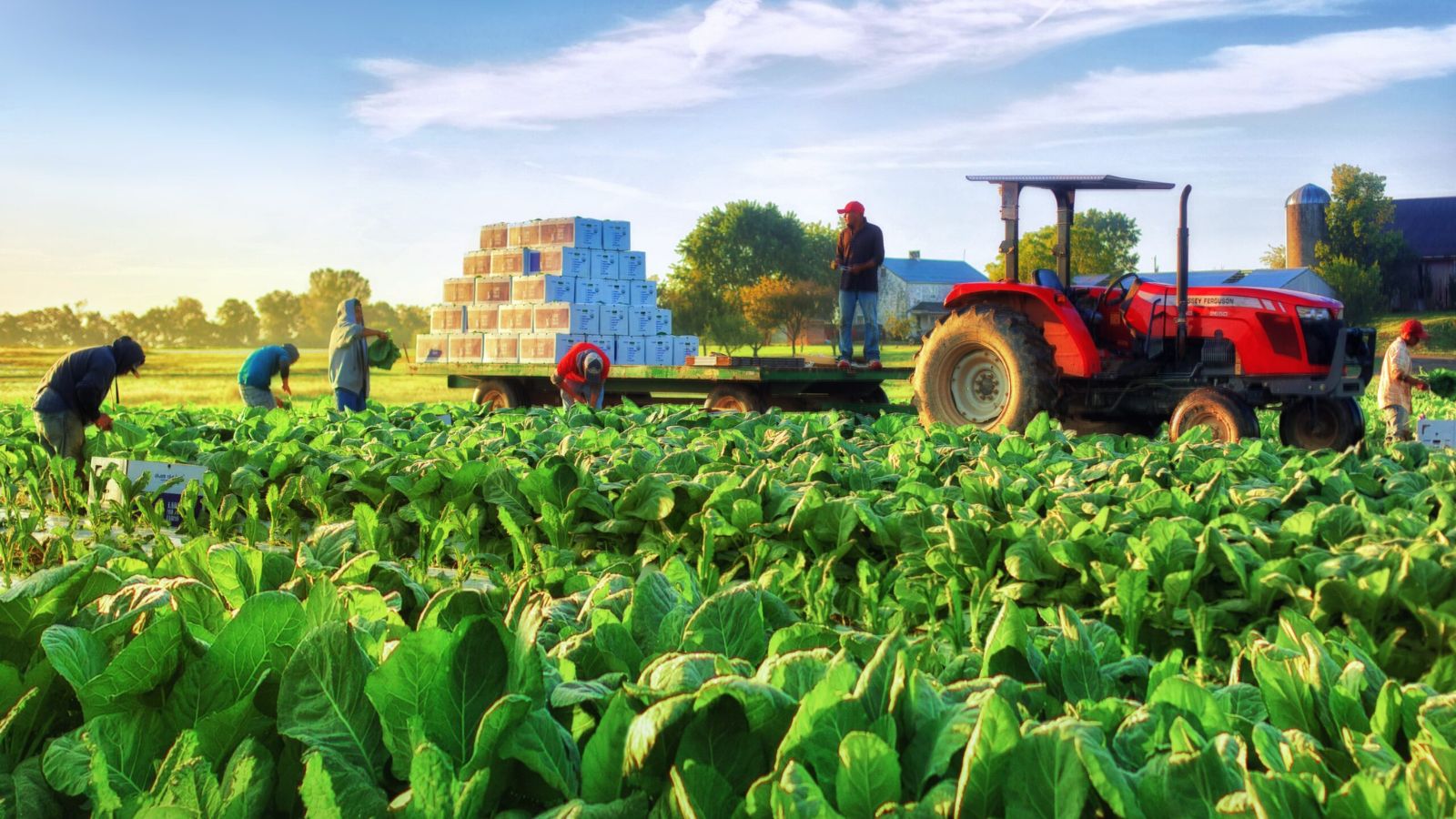
Farming has always been an essential part of human civilization, but in recent years, agricultural innovation has taken some unexpected turns. While traditional farming techniques still dominate, a number of groundbreaking methods have emerged that challenge our conventional views of what farms can look like.
From underwater crops to floating farms, these bizarre farming practices are not only changing the way we think about agriculture but also how we interact with the environment. As climate change, population growth, and resource scarcity continue to present new challenges, these innovative farms offer solutions that could shape the future of food production.
In this article, we explore ten of the most unusual and forward-thinking farms around the world—farms that may seem out of this world, but could soon become the norm.
Crops Inside Balloons
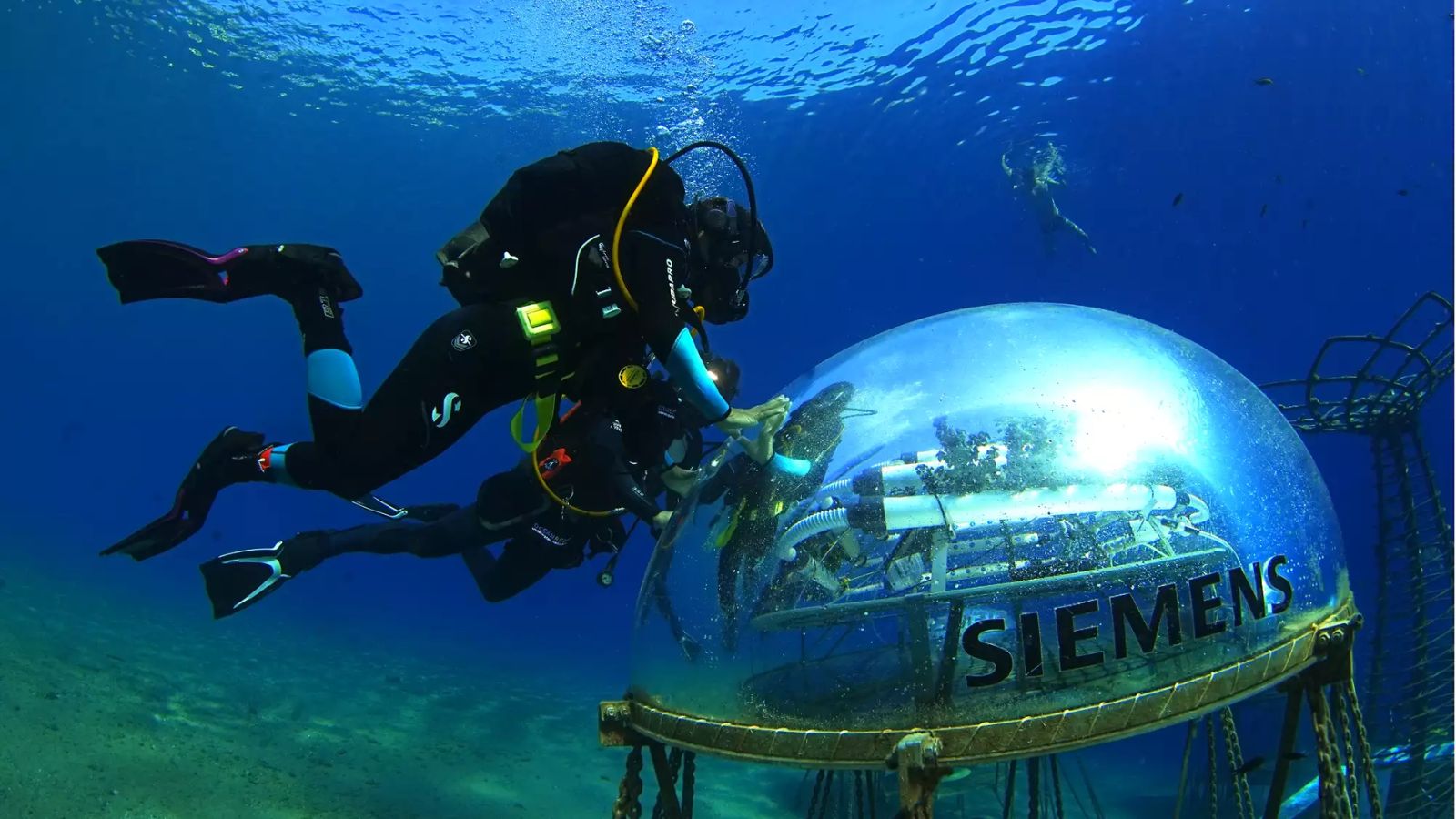
In Italy, an innovative project by scuba diver Sergio Gamberini has taken farming to a whole new level. He created underwater greenhouses using giant oxygen‑filled balloons placed nearly 6 meters below sea level. These giant balloons are sealed off from the surrounding ocean, creating a controlled environment for growing crops like strawberries, basil, and lettuce.
By combining artificial lighting with carefully monitored CO2 levels, Gamberini’s underwater farms replicate ideal greenhouse conditions. However, these farms are not without their challenges. Rough seas and stormy weather sometimes destroy the fragile balloon structures, but the concept is a fascinating approach to growing crops in unconventional environments.
Despite the risks, it’s a potential solution for climate change and space‑limited urban areas, offering a sustainable way to cultivate fresh produce without taking up valuable land.
Desert Farm Using Saltwater
In the vast, dry landscapes of Australia’s desert, Sundrop Farms has created a groundbreaking solution for growing vegetables in arid conditions. This farm uses desalinated seawater to irrigate crops such as tomatoes, basil, and cucumbers. Located in one of the driest places on Earth, the farm’s ability to utilize saltwater for irrigation reduces reliance on freshwater, a critical resource in desert climates.
The farm operates in a state-of-the-art greenhouse powered by solar energy, harnessing abundant Australian sunlight to desalinate seawater and provide the energy needed to grow the crops. Sundrop Farms is an example of how renewable energy and innovative farming techniques can work together to sustain food production even in the most challenging environments.
This method has enabled annual production of tens of thousands of tons of tomatoes, and the model is being replicated in other dry regions around the world.
Floating Sea Farm
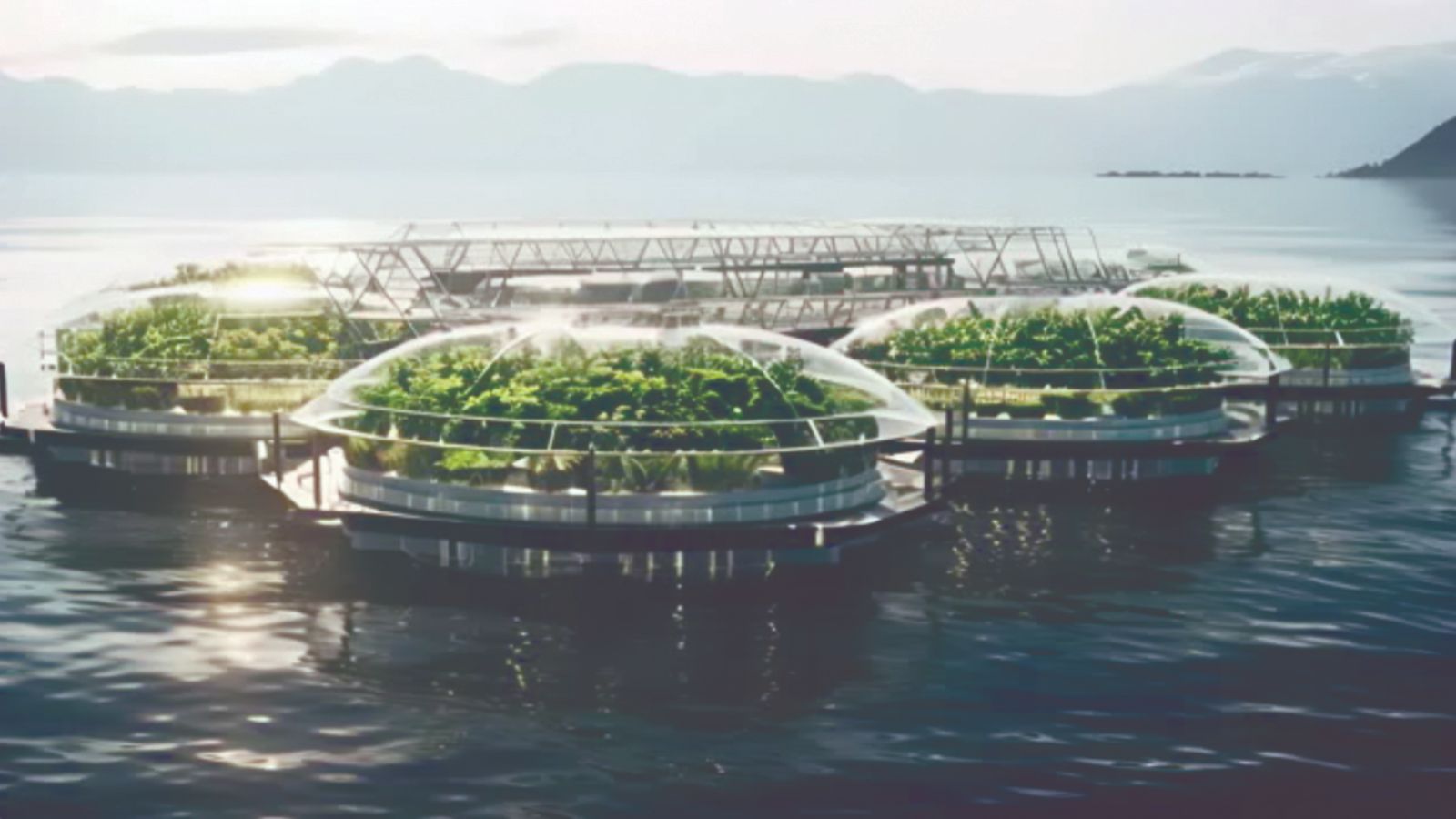
Another innovation in Australia, the floating sea farm, is a visionary project designed to tackle both food and water scarcity. Built on the ocean’s surface, this farm uses solar energy to evaporate seawater into freshwater, which is then used to irrigate crops like lettuce, broccoli, and other vegetables.
The floating platform acts like a self‑sustaining island, growing crops while also reducing the burden on terrestrial freshwater resources. The concept is designed to address the issues of drought and freshwater shortages, which are particularly pressing in coastal and desert regions. The floating sea farm is a clear example of how human ingenuity can harness natural resources to improve food security while reducing environmental footprints.
The farm’s ability to operate in the middle of the ocean makes it a promising option for regions where traditional farming is either impossible or unsustainable due to land or water constraints.
Farming Algae over Highways
In Switzerland, a revolutionary farming technique takes place above the highways. Transparent tubes filled with algae are suspended above the roadways, where they play a unique role in combating air pollution. These algae consume the carbon dioxide emitted by passing vehicles, use it for photosynthesis, and convert it into oxygen.
As they grow, the algae not only help improve air quality but also reduce the environmental impact of the bustling traffic below. The algae are harvested and processed into a variety of products, including biofuels, cosmetics, and even nutritional supplements. This urban farming method is a creative solution to addressing both pollution and food production in densely populated areas, and it’s a model that could be expanded to other urban locations worldwide.
As environmental concerns grow, such as greenhouse gases and particulate matter, projects like this offer a glimpse of how cities can become more sustainable.
A Farm Where Cows Rule
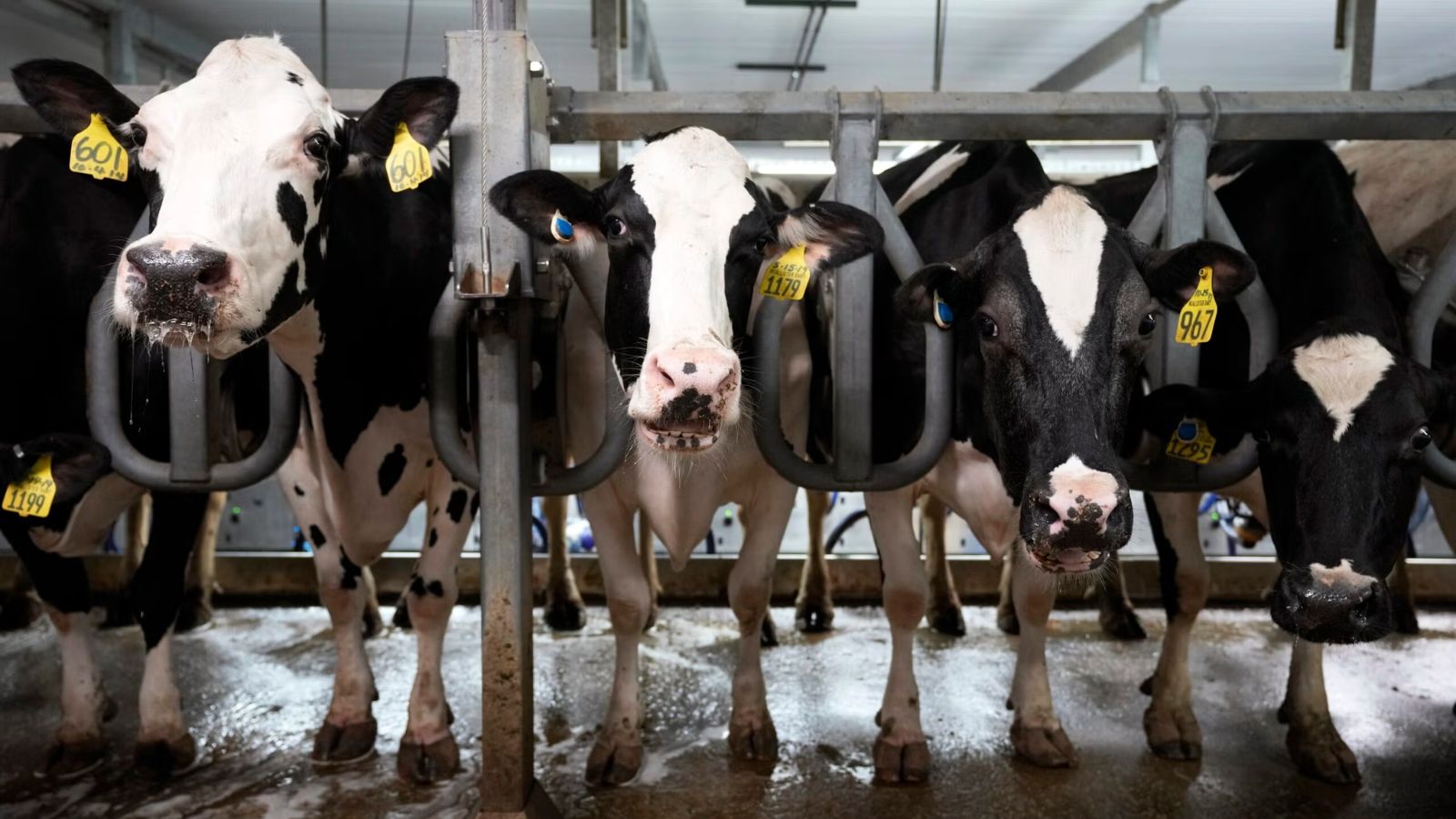
At the University of Connecticut’s Dairy Center, cows are treated with a level of respect and autonomy rarely seen in farming operations. Here, cows are free to choose when they eat, rest, and get milked, thanks to a fully automated milking system. The cows enter the milking machines voluntarily, allowing them to maintain their natural routines without the stress of physical confinement or a rigid schedule.
Researchers collect data on the cows’ behaviors, which can improve their welfare and lead to better milk production. This system not only enhances the quality of life for the cows but also improves the efficiency and sustainability of dairy farming.
By allowing animals to follow their instincts, the farm demonstrates how technology and animal welfare can coexist to create a more ethical and productive agricultural environment.
A “Snow Farm”
In Canada’s Banff Sunshine Village, workers practice a form of “snow farming” that doesn’t involve making artificial snow. Instead, they collect natural snow in massive drifts by installing long fences on mountain ridges. These fences catch the wind-blown snow, which is then spread across the ski slopes, creating a natural snow base.
This technique ensures that skiers have a consistent surface to enjoy, even before the regular snowfall begins. The farm relies on the natural processes of the mountain environment, bypassing the need for artificial snowmaking systems, which often require large amounts of water and energy.
This method is environmentally friendly and aligns with the region’s efforts to promote sustainability in tourism. It’s an innovative way to use the region’s natural resources while minimizing the ski resort’s environmental impact.
Floating Cow Farm
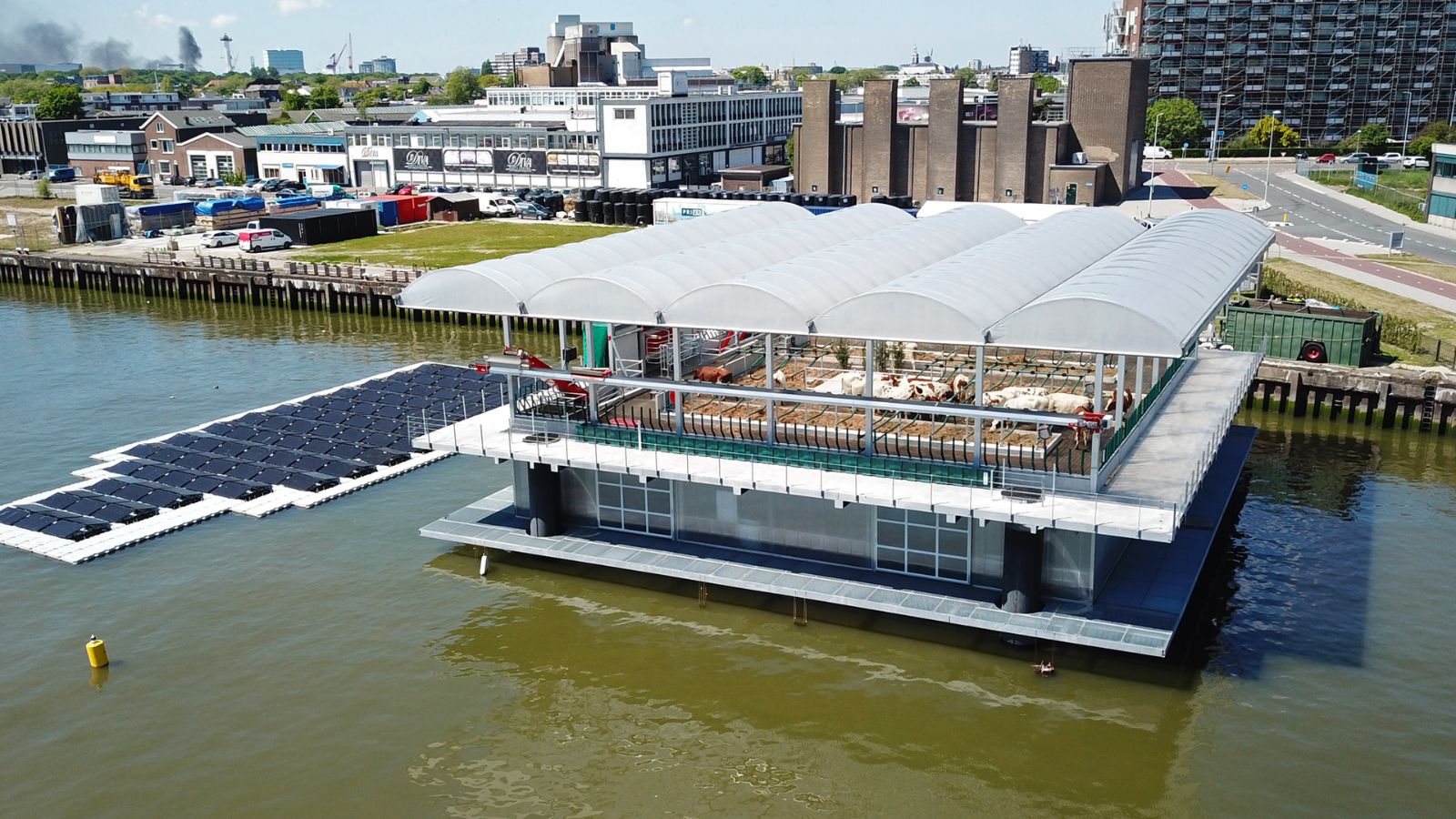
A groundbreaking project in the port of Rotterdam, Netherlands, features a large floating farm that houses 35 dairy cows. This floating farm is designed to be completely self-sustaining, with grazing areas and automated systems that milk the cows and clean the barns.
The cows roam freely in an open-air environment on a two-story floating platform, which provides them with fresh grass and a stress-free living space. The milk produced is sold locally, reducing transportation emissions and ensuring the farm supports the surrounding community.
The project also aims to address urban challenges by utilizing the unused space on water for agricultural production. The floating farm serves as a model for other cities around the world, showing that farming can be integrated into urban environments in innovative and sustainable ways.
Golden Dog Farm

Golden Dog Farm, located in Vermont, USA, is a delightful and unusual farm where the stars aren’t crops or livestock but golden retrievers. The farm produces traditional farm products like maple syrup and is known for its collection of golden retrievers, who are the farm’s beloved mascots.
Visitors can book an hour to spend with up to a dozen dogs, and many people seek out the farm to interact with these friendly, affectionate animals. The farm is especially popular among people who are grieving the loss of their own pets or are unable to own dogs due to living restrictions.
The dogs play a therapeutic role, providing emotional support and joy to visitors, proving that sometimes the best “farm” animals aren’t necessarily cows or chickens. Golden Dog Farm offers a unique blend of agriculture and therapy, where the healing power of pets meets traditional farming practices.
Mystical Rare Tea Harvest
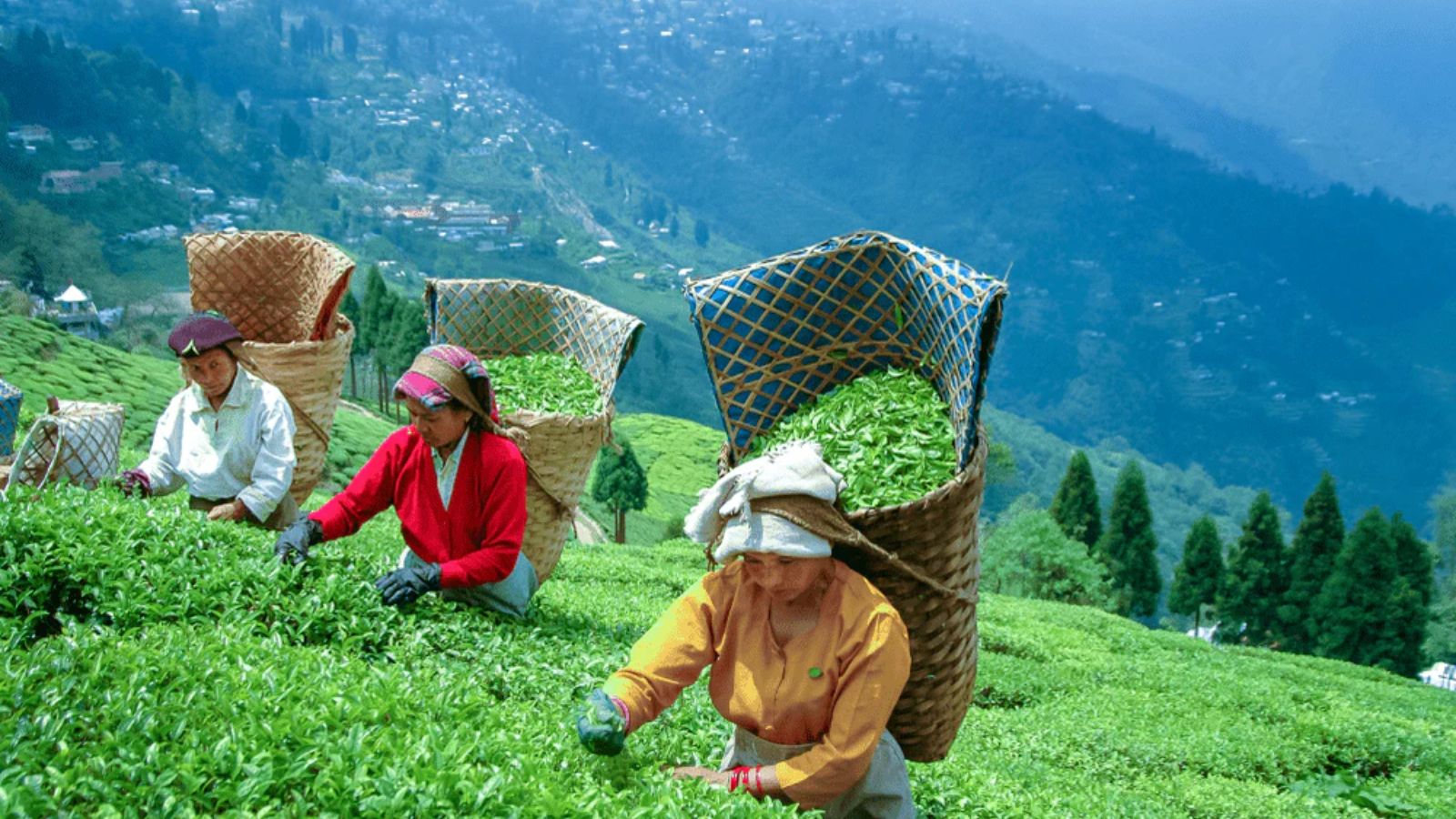
Makaibari Tea Estate in India’s Himalayas has developed a highly mystical and rare form of tea harvesting. Workers harvest tea leaves based on biodynamic principles that align with lunar and planetary cycles. This practice, believed to enhance the flavor and quality of the tea, involves picking the leaves during specific astrological conditions, often during a full moon.
This tea is highly prized and has been sold at extraordinarily high prices due to its unique qualities and limited availability. The estate’s biodynamic farming methods consider not only the land and climate but also celestial factors, which sets it apart from traditional tea-growing practices.
Makaibari’s rare tea is considered a luxury by connoisseurs, with its flavor often described as pure, delicate, and complex. This form of tea farming connects human agriculture with the rhythms of nature in a way few other practices do.
Herd of Deadly Cows
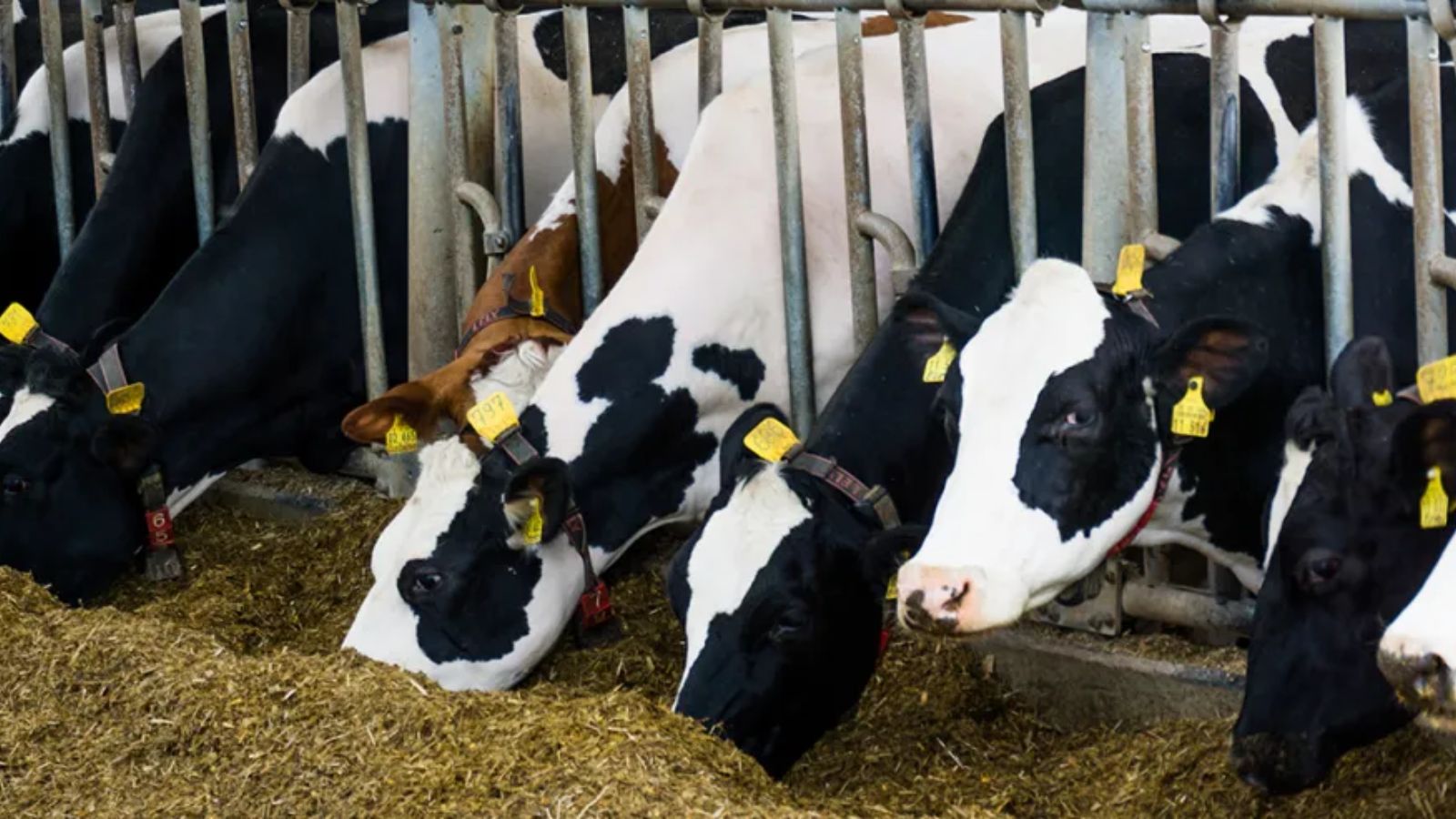
In the past, one of the most bizarre and dangerous farming practices involved the use of Heck cattle, a breed designed to recreate the extinct aurochs. In Devon, England, a farm kept these massive, aggressive animals, which were known for their powerful frames and volatile nature.
Created in the 1930s, the Heck cattle were bred to resemble wild aurochs, the ancestors of modern cattle, and were kept in the hopes of reintroducing this ancient breed. However, the cattle’s size and temperament made them difficult to manage, and several dangerous incidents forced the farmer to cull several of the herd.
Though the Heck cattle are now mostly extinct, their legacy remains a cautionary tale about the challenges of breeding and maintaining such powerful, unpredictable creatures. Despite their dangerous reputation, the farm was part of an ambitious, albeit short-lived, experiment in recreating an ancient species through modern breeding practices.
Final Thoughts
The world of farming is evolving, and these bizarre farms highlight the incredible ingenuity and creativity that are driving this change. Whether it’s growing crops in the middle of the ocean, reducing carbon emissions with algae above highways, or allowing cows to rule their own schedules, these farming innovations are pushing the boundaries of what we thought possible.
As global challenges such as climate change and water scarcity continue to grow, these unconventional farming methods offer hope for a more sustainable and efficient future. While these practices may seem unusual today, they could pave the way for the future of food production, proving that sometimes the most unconventional ideas are the ones that offer the best solutions.
With continued investment and experimentation, who knows what other bizarre farms we’ll see popping up in the years to come?