Biggest myths you may believe about aging

Image Credit: Awesome Content/Pikwizard
Aging is a natural part of life, and with it come a myriad of beliefs and misconceptions. Society often paints a picture of growing older with a set of assumptions that may or may not hold true. With physical decline and mental deterioration, aging has been surrounded by myths that limit how we view this phase of life.
As we age, our physical and mental health become more important than ever. Yet, there are many misconceptions about what happens to our bodies and minds as the years go by. Let’s have a look at the top 6 myths about aging, busting each one with the facts and shedding light on the reality of growing older.
Depression and Loneliness Are Inevitable in Older Adults
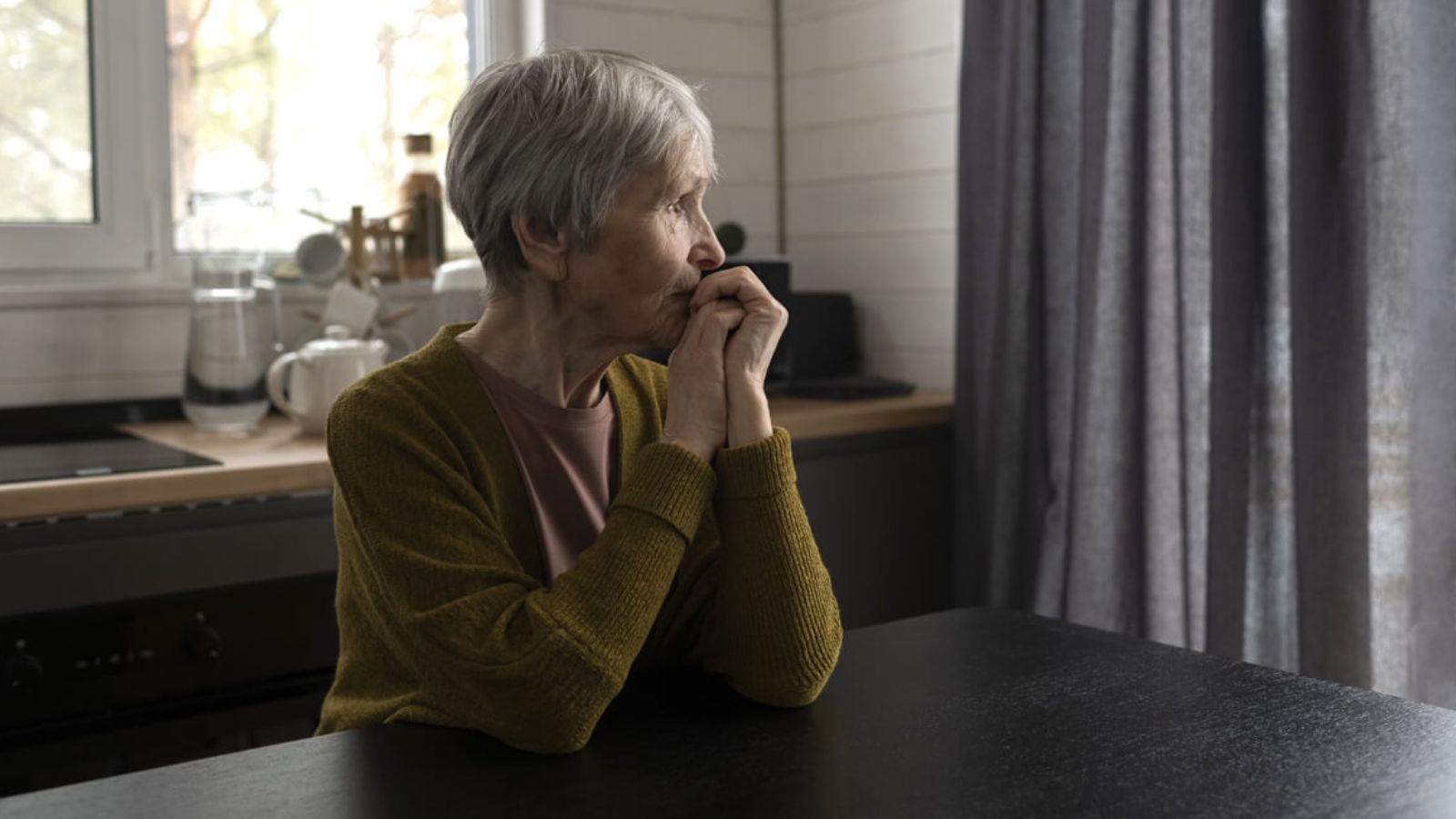
Many people believe that depression and loneliness are inevitable in older age. While it’s true that loneliness can affect older adults—especially those who lose a partner or live alone—this is not a universal experience.
Many older adults report higher levels of happiness as they age. The U-curve of happiness suggests that contentment tends to improve in later life as people have fewer responsibilities and pressures.
Moreover, loneliness and depression are not unique to older individuals. Younger generations face similar mental health challenges. Thus, while there’s a heightened risk for certain individuals, it’s not an inevitable consequence of aging.
Older Adults Need Less Sleep
The myth that older adults need less sleep is another misconception. While it’s true that sleep patterns change with age, the amount of sleep required remains relatively consistent throughout life.
In fact, older adults still need the recommended 7-9 hours of sleep each night, even though they might have more difficulty achieving restful sleep. Factors like increased nocturnal awakenings, medical conditions, and medications can interfere with sleep, but the need for it doesn’t diminish with age.
Older Adults Can’t Learn New Things

One of the most damaging myths about aging is the belief that older adults can no longer learn new skills. This is not only false but also detrimental to our perceptions of older individuals.
The brain remains highly adaptable throughout life, a concept known as neuroplasticity. Older adults can—and often do—learn new skills, whether it’s picking up a hobby, mastering a new technology, or going back to school.
The capacity to learn is not diminished by age; it’s simply a matter of staying curious and engaged with the world around us.
Dementia Is Inevitable for Older Adults

While the risk of dementia increases with age, it is not a guaranteed outcome for everyone. Many people live well into their 90s and beyond without ever experiencing cognitive decline.
Genetics and lifestyle factors such as diet, exercise, and mental engagement play significant roles in determining whether someone will develop dementia. Preventative measures, including staying mentally active, eating a healthy diet, and maintaining social connections, can help reduce the risk.
Older Adults Should Avoid Exercise to Prevent Injury

There’s a misconception that older adults should take it easy and avoid physical activity to prevent injury. This myth is far from the truth. Regular physical exercise is not only safe for older adults, but it’s also essential for maintaining health and well-being.
Activities like walking, swimming, tai chi, and even strength training can improve mobility, balance, and overall quality of life. The key is to choose exercises that are appropriate for one’s fitness level and physical condition.
If a Family Member Has Alzheimer’s, I Will Get It Too
Having a family member with Alzheimer’s disease may increase one’s risk of developing it, but it does not guarantee that you will get it. Alzheimer’s disease has a genetic component, but lifestyle choices can have a profound impact on its onset.
Diet, exercise, mental stimulation, and social engagement all play a role in maintaining cognitive health. While family history can raise the risk, it is not a definitive predictor of Alzheimer’s disease.
Conclusion
Aging is a multifaceted journey, and it’s important to challenge the myths that hold us back from embracing this stage of life with optimism and vitality. Contrary to popular belief, aging doesn’t equate to physical decline or mental deterioration.
With the right mindset, lifestyle choices, and a commitment to lifelong learning, we can continue to live vibrant, fulfilling lives well into our later years. By rejecting the myths about aging, we open ourselves up to the possibility of experiencing personal growth, meaningful connections, and continued happiness.
It’s essential to remember that aging is not something to fear, but something to embrace. The more we understand about the aging process, the more empowered we become to live our best lives.