5 Dishes Americans Love That Seem Absolutely Strange To Everyone Else
Shopstone, CC0, via Wikimedia Commons
Food has an uncanny way of bringing comfort and nostalgia. While certain dishes hold a special place in the hearts of those from specific regions, they can seem utterly perplexing to those outside of those circles. The United States, in particular, boasts a rich culinary history that can occasionally leave foreign visitors scratching their heads.
From sweet concoctions at dinner tables to combinations that play with the line between savory and sweet, American cuisine has its share of beloved dishes that seem downright bizarre to outsiders. Let’s explore 6 such foods that Americans enjoy but which might raise eyebrows in other countries.
Grits
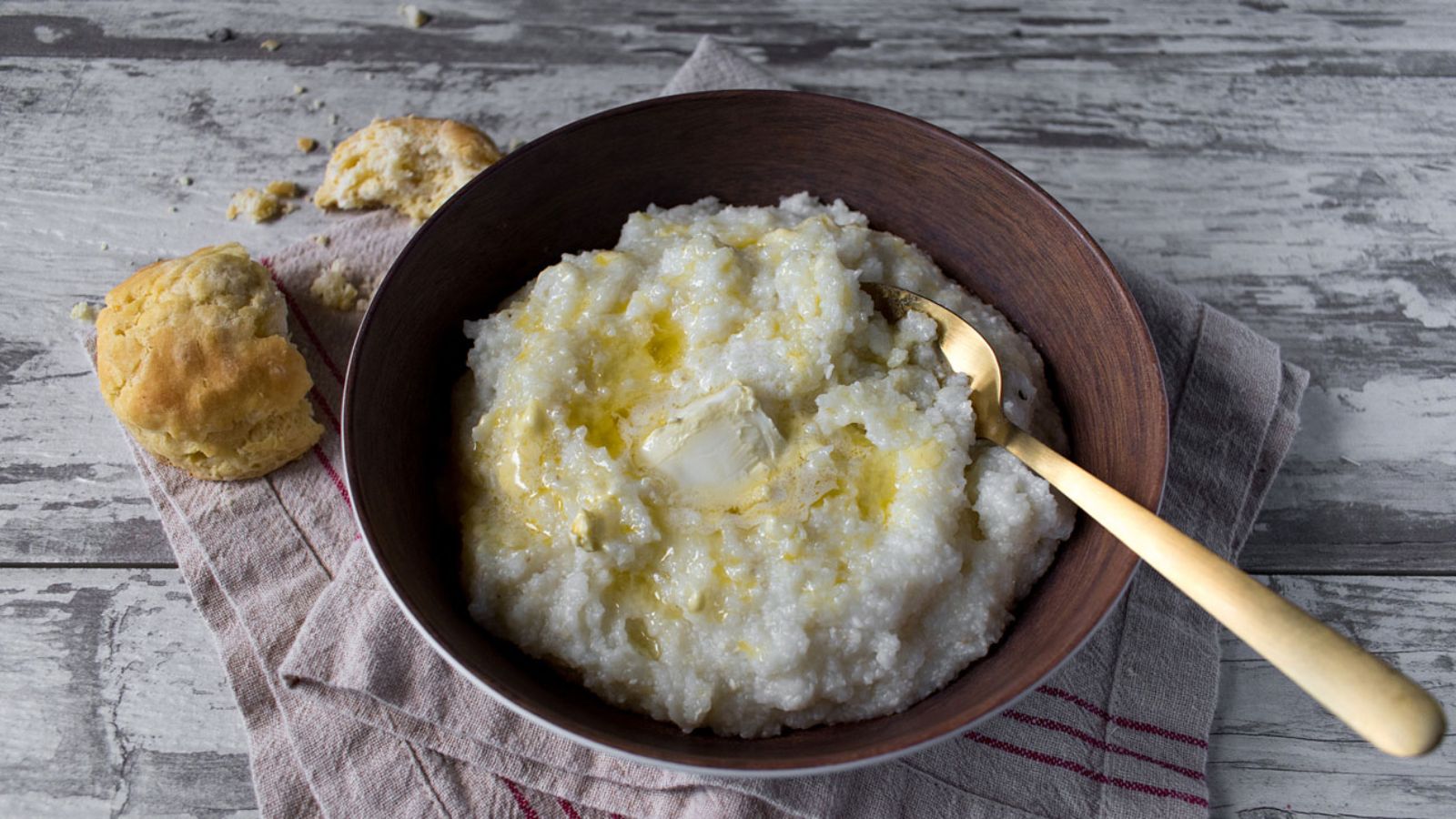
Grits are quintessentially Southern and have deep cultural significance in the U.S. Historically, grits were made from ground hominy or corn and were a staple food for Native Americans and early colonists. Today, grits are enjoyed in various forms—whether as a savory dish with butter and cheese or as a sweetened dish.
For many outside of the U.S., grits are a foreign concept, and the name itself can cause confusion. Are they like polenta? Are they sweet or savory? How are they meant to be eaten? These questions often arise when someone from outside the U.S. encounters grits for the first time. Though grits can be a comfort food for many Americans, for the uninitiated, they might appear as an unusual, unappetizing mash.
Sweet Potato Casserole
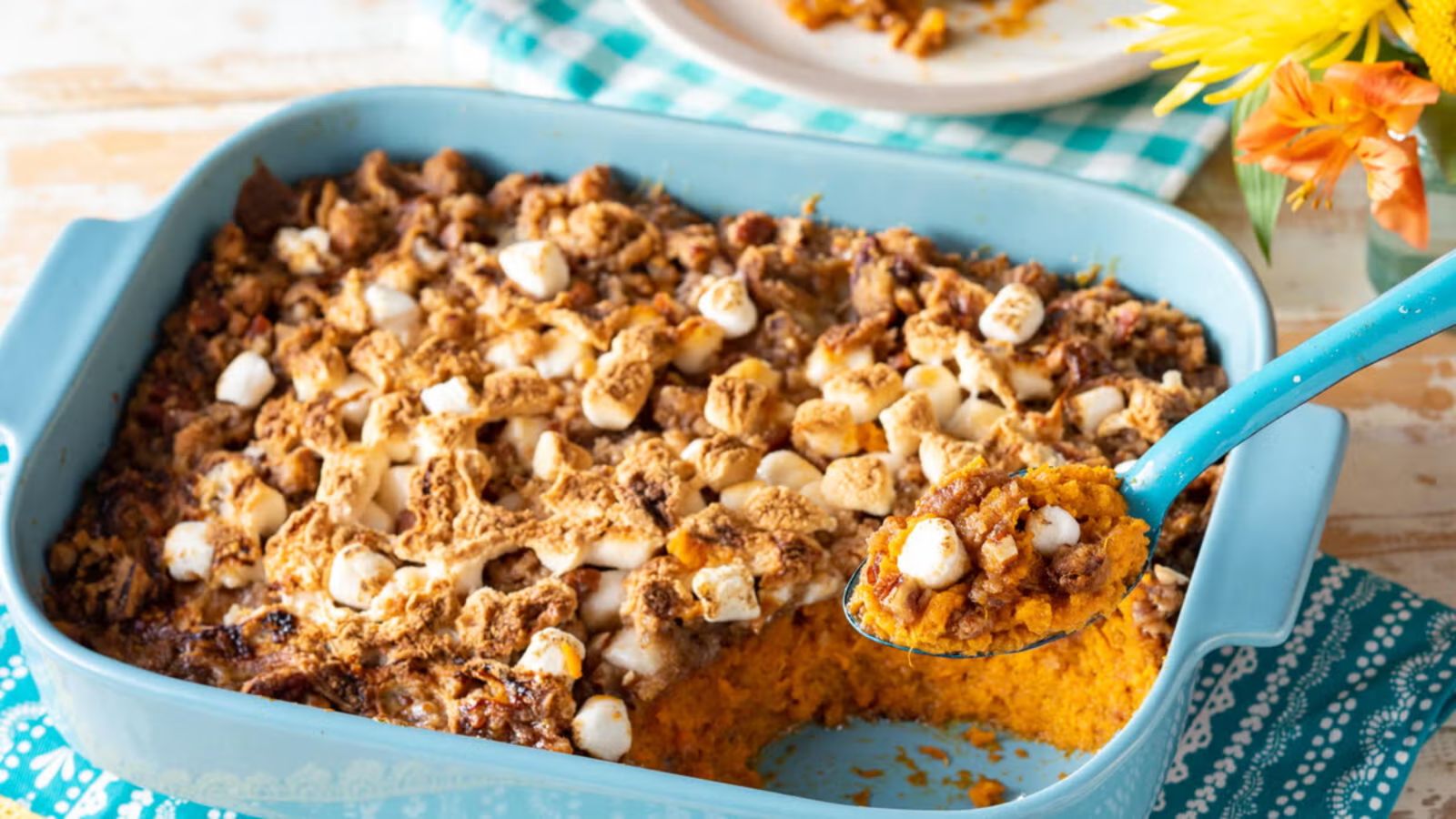
In the United States, sweet potato casserole is a staple of Thanksgiving meals. But what’s not to love about soft, creamy sweet potatoes, topped with gooey marshmallows and baked to perfection? For many outside of the U.S., the idea of serving a sweet potato dish as a savory side is foreign, to say the least.
Sweet potatoes are often considered dessert-worthy in other parts of the world, but layering them with sugar and marshmallows is where the confusion begins. To some, it might feel like a dessert that found its way onto the wrong table at dinner. However, for many Americans, this dish embodies tradition and the sweet, nostalgic flavors of the holiday season.
Chicken and Waffles
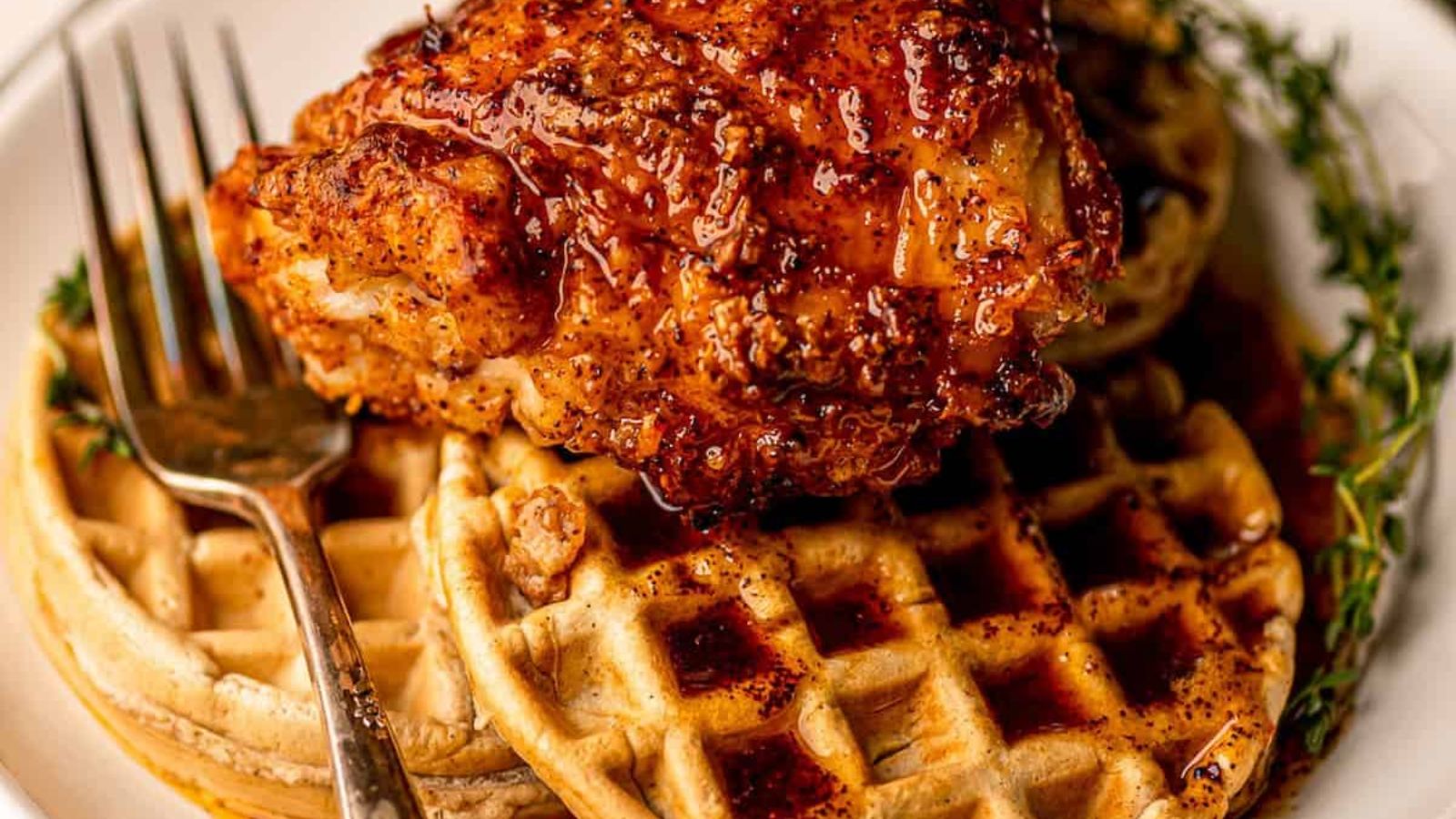
In many American households, chicken and waffles is a beloved dish that straddles the line between breakfast and dinner. But for those unfamiliar with this iconic pairing, the combination of crispy fried chicken placed atop a fluffy waffle—often drizzled with syrup or honey—can be downright confusing.
The sweet-and-savory fusion makes it unique, yet the idea of eating fried chicken with syrup seems far removed from traditional savory meals. Those who are used to eating fried chicken for dinner and waffles for breakfast might wonder how these two distinct dishes ever came together in the first place.
Regardless, this fusion is a testament to American creativity in the kitchen, even if it’s perplexing to outsiders.
Peanut Butter and Jelly Sandwich
Few dishes are as universally American as the peanut butter and jelly (PB&J) sandwich. It’s a lunchbox staple, a quick snack, and even a comfort food. Yet this seemingly simple creation leaves people from other countries scratching their heads. The combination of smooth, nutty peanut butter with sweet fruit jelly between two slices of bread is an iconic American duo.
But for many, particularly in places where peanut butter isn’t a regular pantry item, the concept of mixing peanut butter with jelly can be unsettling. In some cultures, pairing sweet and savory is an alien concept, and the texture of peanut butter itself can be a deal-breaker. So, it’s no surprise that some would find this sandwich odd and not quite make sense.
Root Beer Floats

A root beer float is one of those treats that takes many Americans back to their childhoods. The simple recipe involves scooping vanilla ice cream into a glass and pouring root beer over the top. But while Americans associate root beer floats with nostalgia and old-time soda fountains, many non-Americans find root beer’s flavor unappealing.
Root beer is made from sassafras root and other herbs, which give it a distinct taste that some describe as reminiscent of cough medicine or mouthwash. For people not accustomed to it, pairing it with sweet ice cream can seem off-putting, making root beer floats a perfect example of an American dish that doesn’t always translate well abroad.
Deep Dish Pizza
Chicago-style deep dish pizza is an American classic that elicits strong opinions. Some love it, while others find it unworthy of the name “pizza.” This pizza is characterized by its deep, buttery crust and layers of cheese, sausage, and a thick tomato sauce. Unlike traditional pizza, which has a thin, crispy crust and is eaten with your hands, deep-dish pizza is often served with a fork and knife.
For Italians, deep dish is a far cry from their beloved Neapolitan-style pies. The hefty crust and gooey cheese inside feel more like a savory pie than a pizza. For many, especially those who are accustomed to lighter, thinner crusts, deep dish pizza may seem like a culinary misstep—an indulgence they can’t quite wrap their minds around.
Conclusion
Food is a deeply personal thing. What seems perfectly normal to one culture can be completely baffling to another. The foods that Americans cherish—whether it’s sweet potato casserole, peanut butter and jelly sandwiches, or deep dish pizza—may seem strange to people abroad, but that’s the beauty of cuisine: it’s shaped by culture, tradition, and history.
These dishes represent more than just food; they tell stories of comfort, creativity, and American ingenuity. While these foods may seem odd to some, they embody the diversity of American food culture, where anything can be a beloved dish if it’s made with care and shared with loved ones.\
Read the original article on crafting your hom[