American Cities That Faced Decline Due to Self-Inflicted Decisions
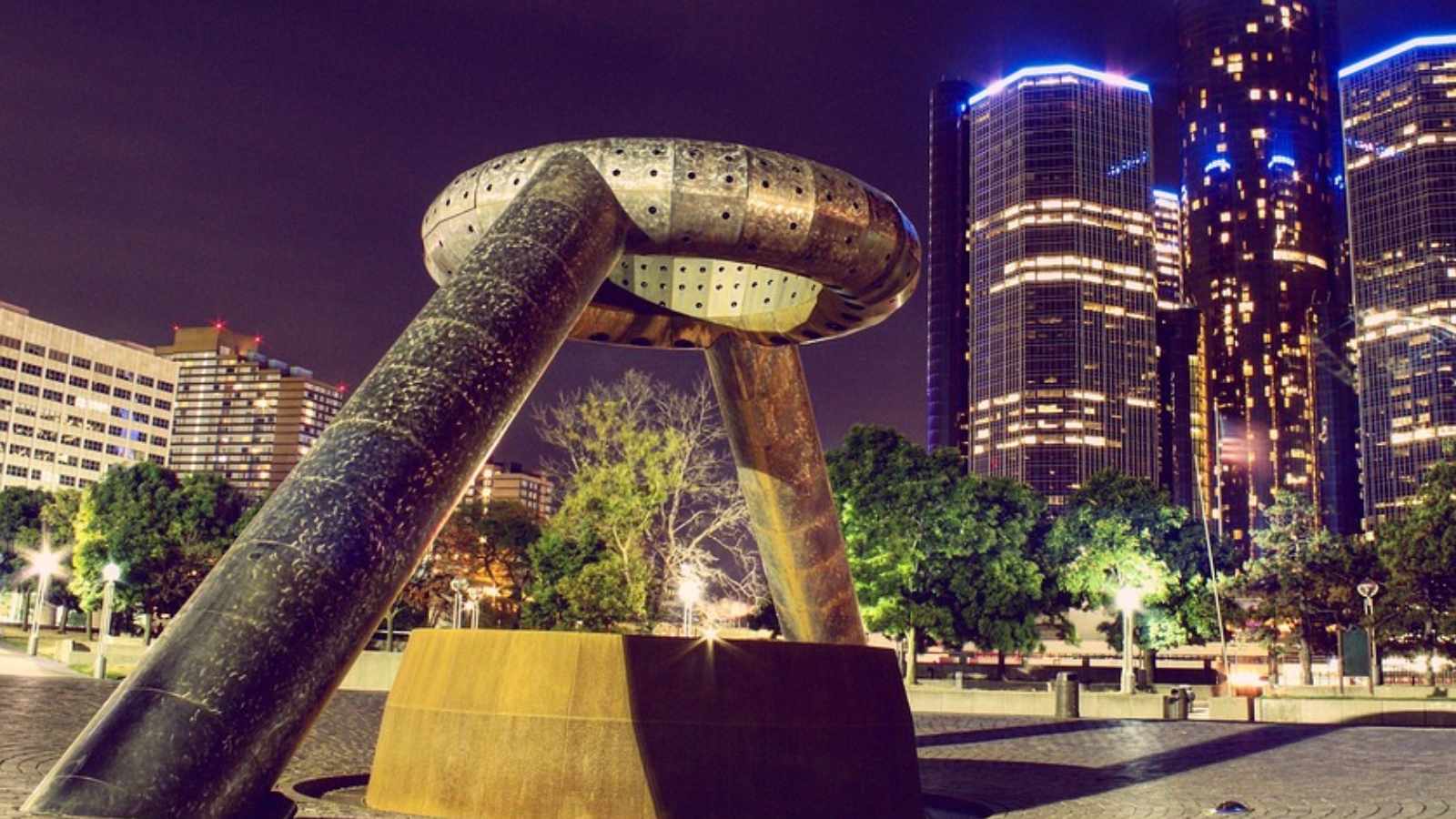
Image Credit: PhotosByMahin via pixabay
Across the United States, some cities that once thrived as economic powerhouses or cultural hubs have faltered, largely due to choices made by local leaders. These decisions, often driven by short-term benefits, set the stage for long-term consequences, turning vibrant communities into shadowed reminders of what could have been.
These cities now serve as cautionary tales for future urban planning. Here’s a look at the American cities that were ruined by their own decisions.
Detroit, Michigan: The Auto Industry’s Grip and Decline
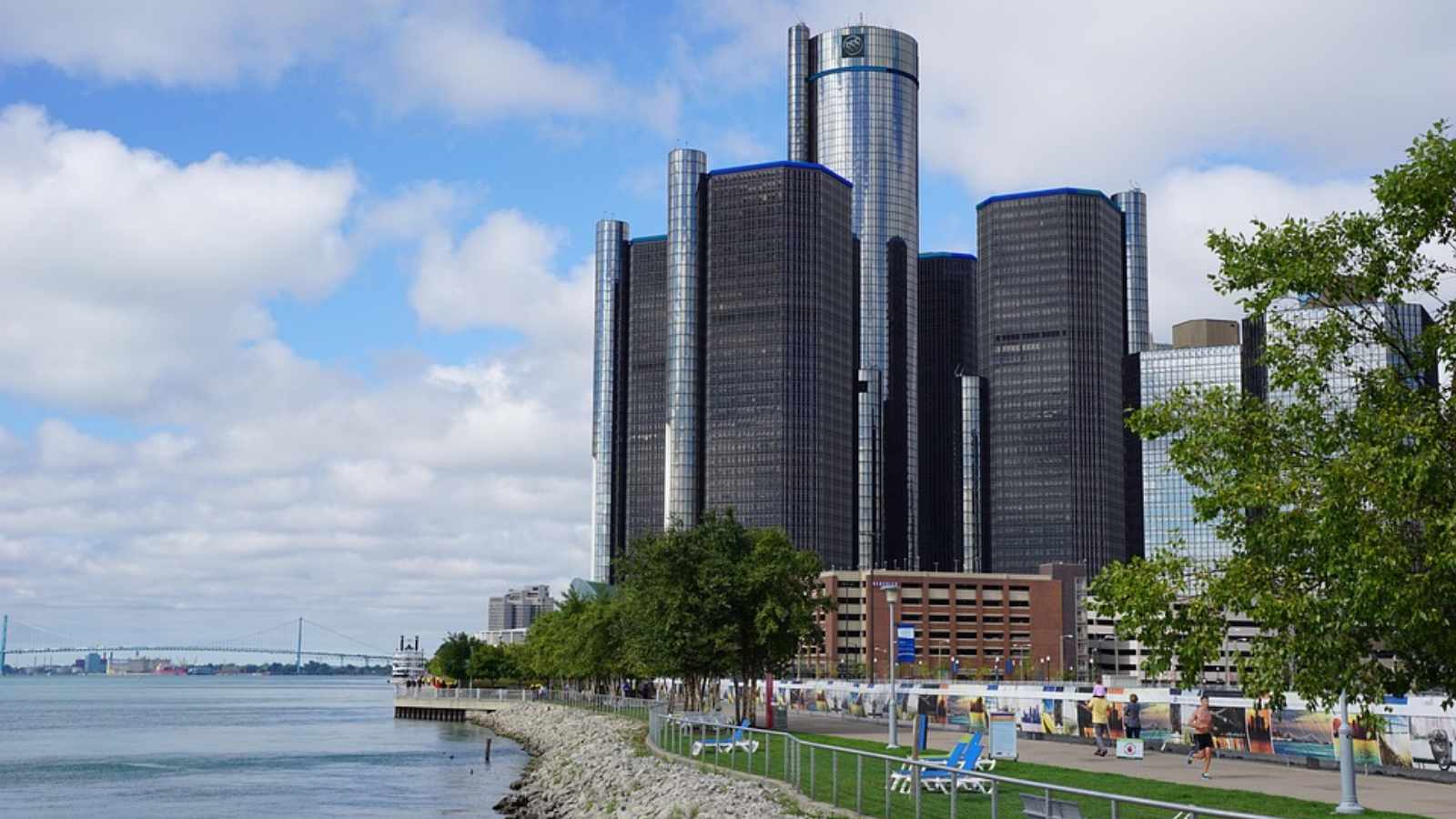
Detroit’s reliance on the auto industry led to its downfall. As automakers moved production out of the city, Detroit’s economy collapsed, and its population shrank by over 60%. The decision to favor highways over public services, along with suburban flight, left the city struggling to recover.
Atlantic City, New Jersey: Gambling All In
Atlantic City bet its future on casinos, offering tax incentives but failing to diversify its economy. When other states legalized gambling, Atlantic City’s once-booming industry faltered, and the city struggled with unemployment and declining revenue, showing the risks of a one-dimensional economy.
Flint, Michigan: A Water Crisis Fueled by Cost-Cutting
Flint’s decision to switch its water supply to the contaminated Flint River in 2014 led to a devastating water crisis. The city neglected important corrosion controls, causing lead to leach from pipes and poisoning its residents. The damage was more than infrastructure—it shattered trust in government.
St. Louis, Missouri: Urban Renewal Gone Wrong
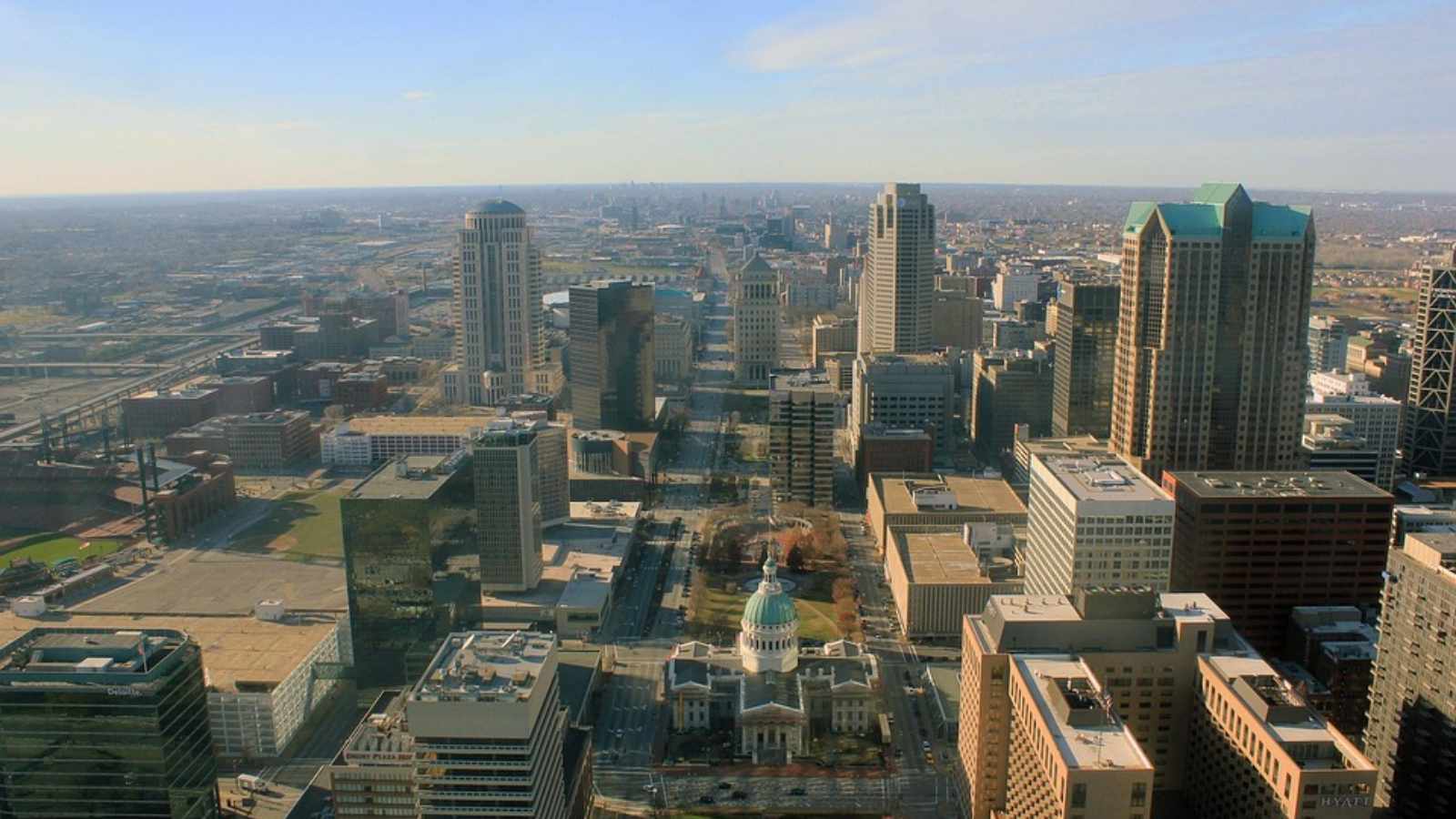
St. Louis’s mid-century urban renewal projects destroyed entire neighborhoods, including the infamous Pruitt-Igoe housing complex. The resulting fragmentation and poverty left deep scars in the city, making it difficult for St. Louis to rebuild and grow sustainably in the decades that followed.
New Orleans, Louisiana: Vulnerable by Design
Decisions such as the construction of the Mississippi River Gulf Outlet and the poorly built levees left New Orleans ill-prepared for Hurricane Katrina. When the levees failed in 2005, the city suffered catastrophic flooding and loss, exposing decades of poor environmental planning.
Gary, Indiana: A Company Town with No Plan B
Built around the U.S. Steel plant, Gary’s economy was entirely dependent on the steel industry. When automation and global competition killed steel jobs, the city’s population plummeted. Gary’s failure to diversify left it with abandoned buildings and a dwindling tax base.
Phoenix, Arizona: Sprawling Into the Furnace
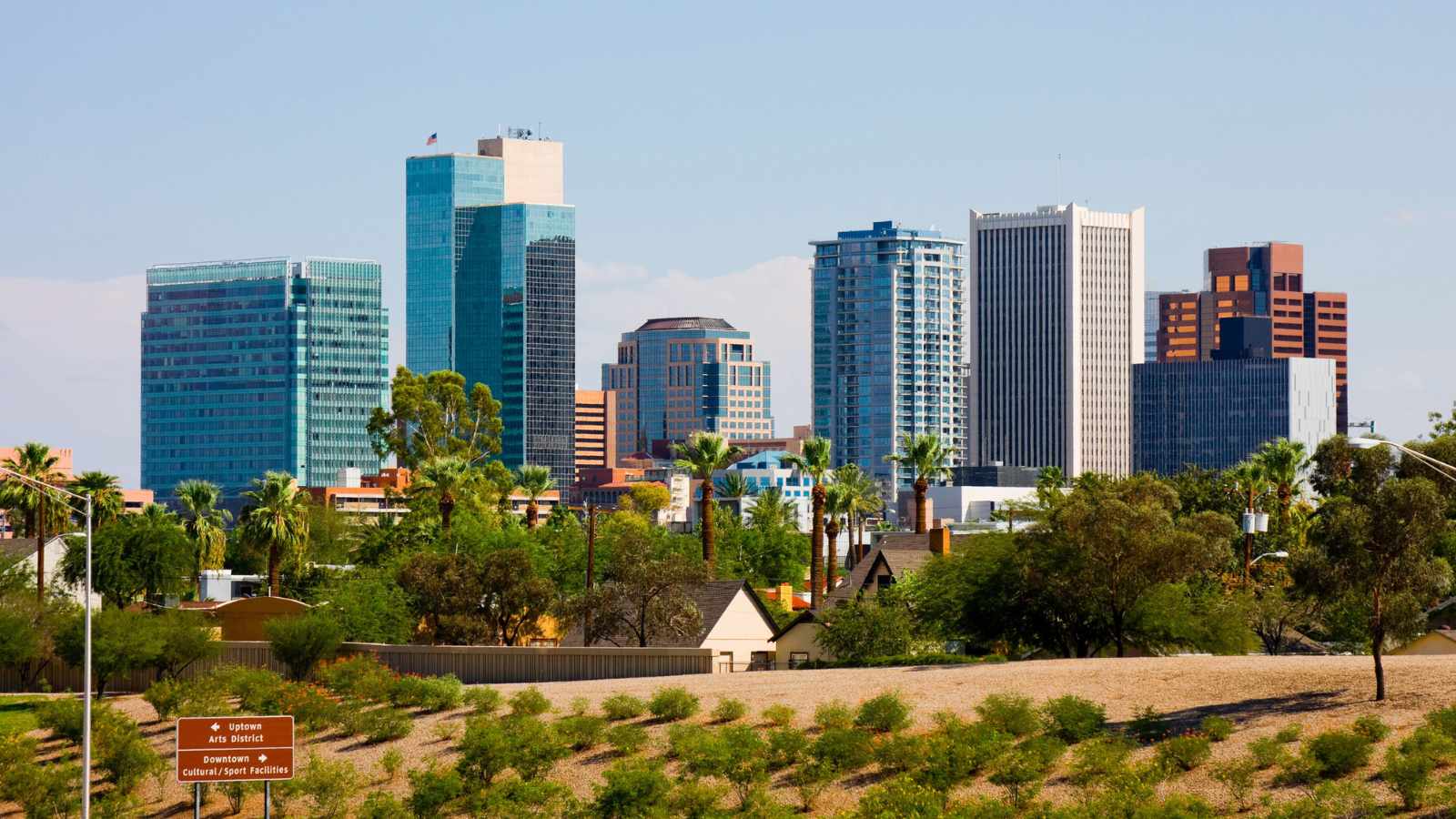
Phoenix grew outward, building low-density housing and wide roads that trapped heat, worsening the urban heat island effect. This sprawl, combined with heavy water use, is now straining resources, making it increasingly difficult for the city to adapt to extreme temperatures and water scarcity.
The Cost of Short-Sighted Decisions
These cities exemplify the dangers of focusing on short-term gains and ignoring long-term consequences. Poor planning, lack of diversification, and environmental neglect have left lasting damage. Their experiences should guide future leaders toward more sustainable and adaptable urban development strategies.