


The natural world is home to creatures of all shapes and sizes, from the towering giraffe to the massive blue whale. But just as remarkable, in their own right, are the tiny versions of animals that often go unnoticed. These pint-sized wonders offer a fresh perspective on how nature adapts to fit a variety of environments, creating creatures that are not only adorable but also surprisingly resilient.
The Fairy Penguin

Despite their small size, Fairy Penguins are incredibly resilient. They thrive in the temperate waters of Australia and New Zealand, far from the freezing cold of the Antarctic. Their blue plumage glistens in the sunlight, making them a joy to watch as they march along the beach.
Fairy Penguins are flightless, but they are excellent swimmers, diving up to 20 meters deep to hunt for small fish and invertebrates. Their unique coloration is one of the features that sets them apart from their larger relatives, earning them the nickname “Little Blue Penguins.”
The Buff-Faced Pygmy Parrot
At only 8.4 centimeters (3.2 inches) long and weighing just 10–15 grams (0.35–0.5 oz), the Buff-Faced Pygmy Parrot is the smallest parrot in the world. These tiny, vibrant birds inhabit the tropical forests of New Guinea, where they feed on a variety of plants, including lichens, bark, seeds, and fruit.
The Buff-Faced Pygmy Parrot may be small, but it possesses the same skills as larger parrots. It has a strong beak capable of cracking open seeds and a keen ability to navigate its forest habitat. Their jewel-like appearance, with vibrant green feathers and a distinct buff-colored face, makes them a sight to behold.
The Dwarf Lantern Shark
The Dwarf Lantern Shark, found in the deep waters off the coasts of Venezuela and Colombia, is one of the smallest shark species in the world. Measuring just 21.2 centimeters (8.3 inches) long, this tiny predator might not strike fear in the hearts of swimmers, but it’s a fascinating creature in its own right.
What sets the Dwarf Lantern Shark apart from other sharks is its ability to glow in the dark. These creatures have bioluminescent photophores that allow them to light up in the deep ocean, where sunlight does not penetrate. The reasons for this glow are still not entirely understood, but it’s thought to serve various purposes, including attracting prey and communicating with other sharks.
The Mexican Dwarf Crayfish

While many crayfish species can grow to impressive sizes, the Mexican Dwarf Crayfish is a miniature version that reaches just 3.8 centimeters (1.5 inches) in length. Native to the warm waters of Mexico, these little creatures are often mistaken for shrimp due to their small size and similar body structure.
The Mexican Dwarf Crayfish may be small, but it plays an important role in its aquatic ecosystem. These little creatures are both hunters and scavengers, feeding on detritus, algae, and small invertebrates. They use their sharp claws to search for food and defend themselves against predators.
The Falconet
The Falconet is the smallest bird of prey in the world, measuring just 14 centimeters (5.5 inches) long, with a wingspan of 27 centimeters (11 inches). These tiny raptors are found in Southeast Asia, China, and the Malayan Archipelago, where they hunt small prey such as insects, amphibians, and even small birds.
Despite their small size, Falconets are fierce hunters. Their sharp beaks and talons allow them to capture and kill prey much larger than themselves. These birds have a keen sense of vision and can spot their prey from great distances, swooping in to make a quick kill.
The Minute Salamander
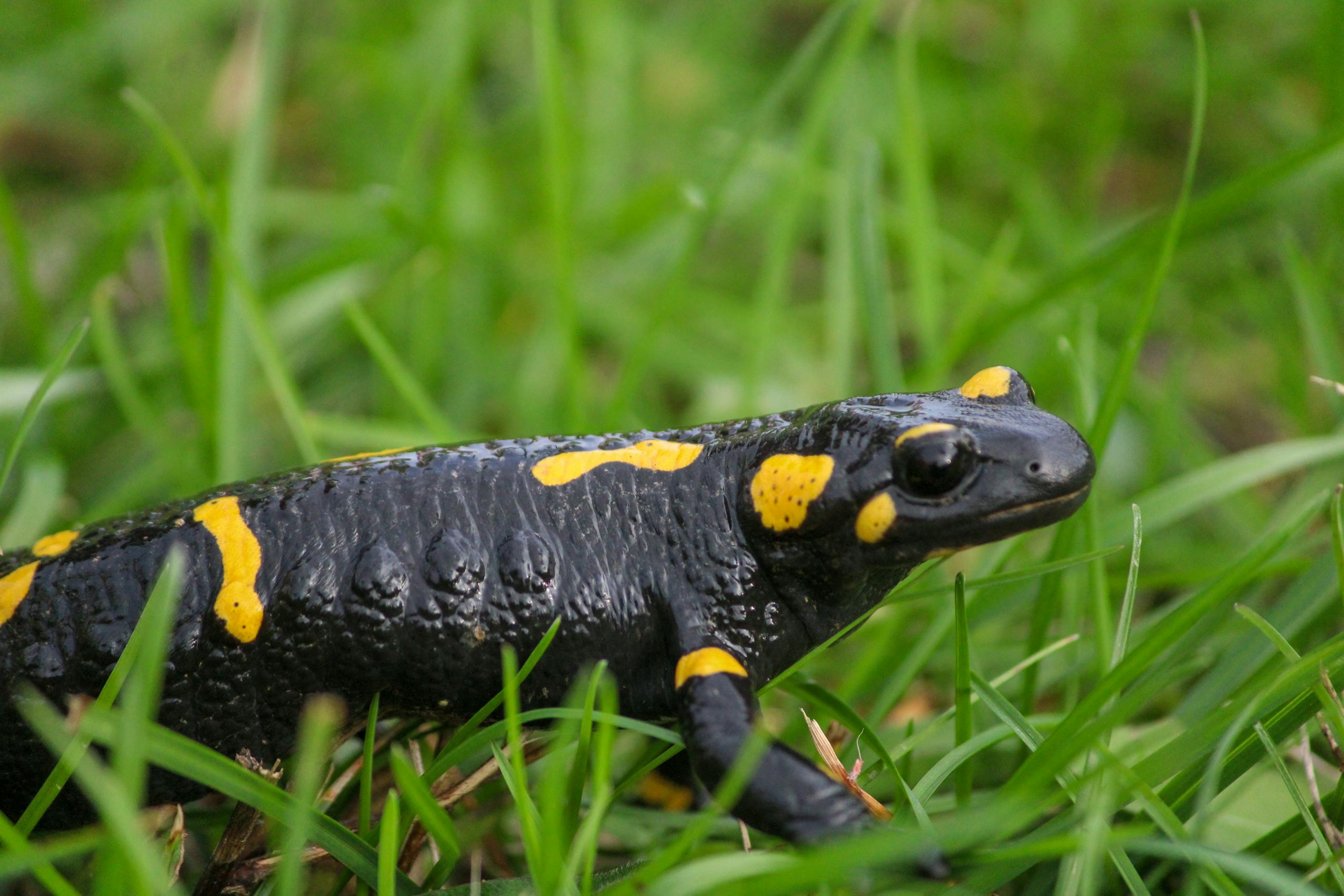
The Minute Salamander is one of the smallest amphibians in the world, with some species measuring as little as two centimeters (just under one inch) in length. These tiny creatures belong to the genus Thorius and are found in moist habitats across North America and Brazil.
Minute Salamanders are incredibly elusive and difficult to spot in the wild. They inhabit humid, upland forests and are often found hiding in leaf litter or under rocks. Despite their small size, these salamanders are incredibly important to their ecosystems, playing a role in controlling insect populations.
The Pygmy Hog
Pygmy Hogs are incredibly unique, not only because of their size but also because of their behavior. Unlike other wild pigs, they make bird-like grass nests to rest at night. Their small size makes them agile and quick, allowing them to escape predators easily.
The Pink Fairy Armadillo
The Pink Fairy Armadillo is the smallest armadillo species in the world, measuring just 13–15 centimeters (5–6 inches) in length. Despite its tiny size, the Pink Fairy Armadillo is a powerful burrower, using its strong front claws to dig through the sandy soil of Argentina’s grasslands.
What makes the Pink Fairy Armadillo so fascinating is its unique appearance. Its soft, pink shell is made up of blood vessels that give it a distinctive color. The armadillo’s shell serves as both armor and a tool for digging, allowing it to tunnel underground in search of food and shelter.
The Vaquita

The Vaquita is a critically endangered species of porpoise found only in the northern part of the Gulf of California. Measuring just 1.2 to 1.5 meters (4 to 5 feet) in length, the Vaquita is the smallest species of porpoise in the world.
The Paedocypris
The Paedocypris progenetica, a species of carp found in the swamps of Sumatra, holds the title of the world’s smallest fish. Measuring just 7.99 millimeters (0.3 inches) in length, this tiny fish is a marvel of nature.
Conclusion
The world’s smallest animals may be diminutive in size, but they are giants in terms of their adaptability, resilience, and importance to their ecosystems. From the deep oceans to the dense rainforests, these tiny creatures have evolved in fascinating ways to survive and thrive in their unique environments.
The stories of these animals remind us that size does not determine an organism’s worth. Each of these tiny creatures plays a vital role in maintaining the delicate balance of nature. Whether it’s the Fairy Penguin waddling along a beach, the Buff-Faced Pygmy Parrot fluttering through a rainforest, or the Vaquita porpoise struggling for survival, these animals are a testament to the wonders of the natural world.


