

The Post 10 Everyday Experiences Boomers Remember That Younger Generations Rarely Have First Appeared In Crafting Your Home.
There was a time when making a phone call required patience, Christmas shopping began with a thick paper catalog, and a trip to the grocery store could bring you one step closer to a new kitchen appliance.
Nobody thought these things were particularly remarkable. They were simply part of everyday American life.
For many baby boomers, born between 1946 and 1964, these are reminders of childhood, family traditions, and the ordinary little rituals that once shaped American homes.
Saving S&H Green Stamps for Household Treasures
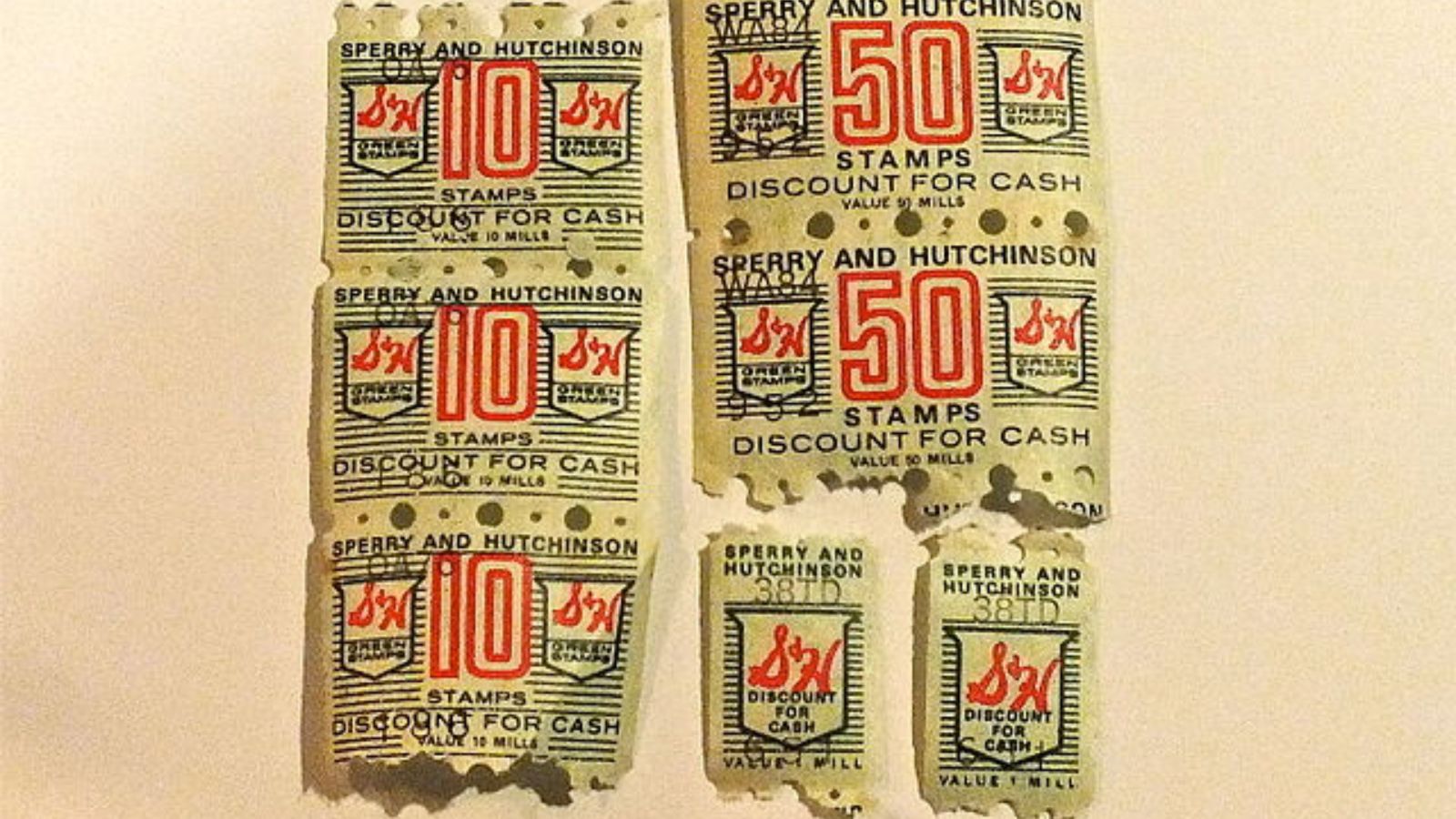
Families could exchange their completed stamp books for household goods, including furniture and silverware. The program became enormously popular during the 1960s, when more than 100,000 businesses participated across the United States.
According to Smithsonian Magazine, S&H operated approximately 800 redemption centers at its peak.
Sharing a Telephone Line With the Neighbors
Before privacy became something you could control with a button, some families shared their telephone service with neighboring households. These connections, known as party lines, were particularly common in rural areas where installing separate lines could be expensive.
But there was a catch. Another person sharing the line could lift their receiver and hear a conversation already underway.
As Southern Living explains, party lines remained in use for different lengths of time across the country. Southwestern Bell was still announcing conversions to private lines in Texas in 1992.
For families who remember them, making a telephone call sometimes required more consideration than simply picking up the receiver.
Dialing Every Number on a Rotary Telephone
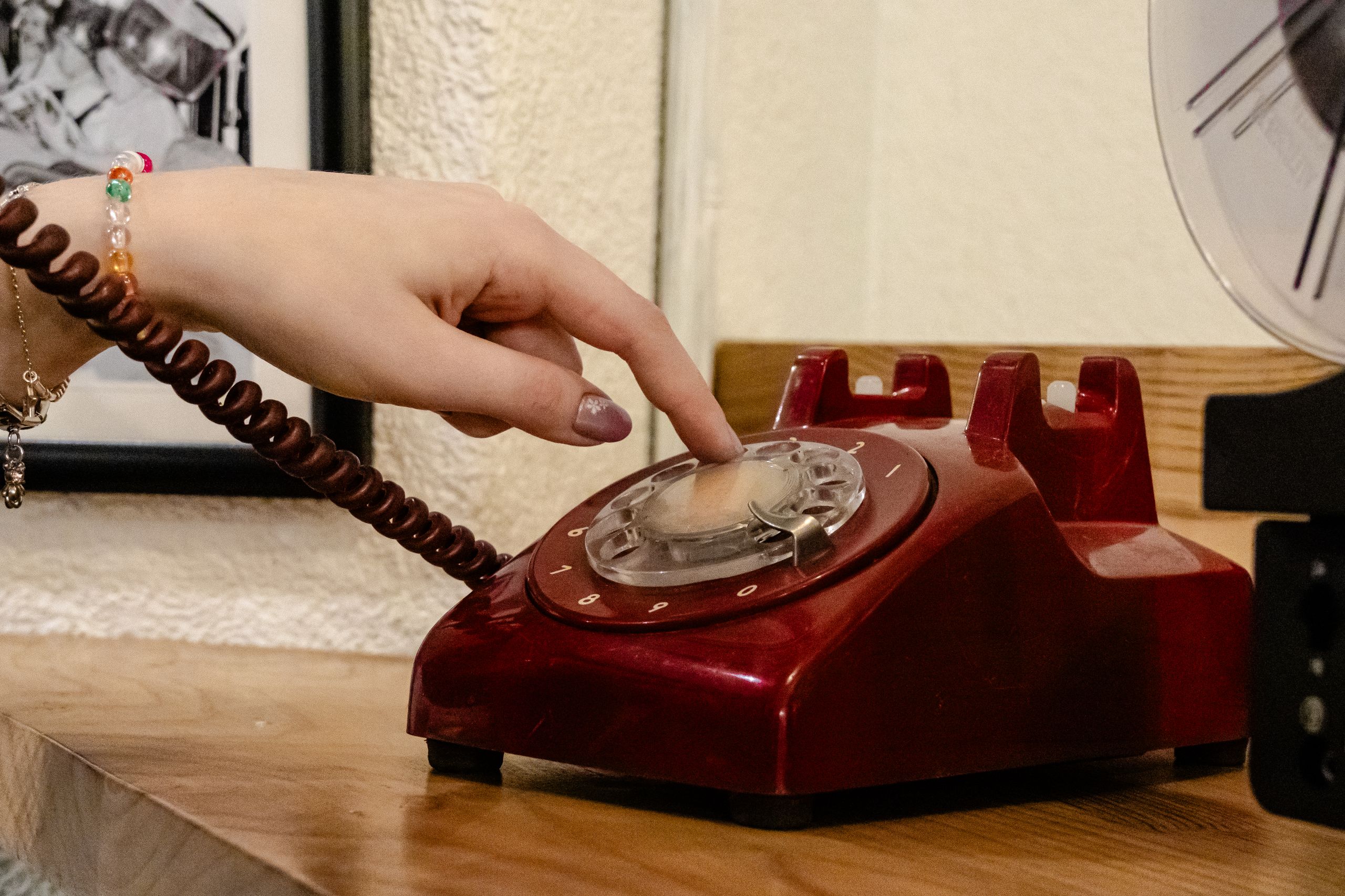
Making a phone call once involved an unmistakable sequence of clicks and whirs. You lifted the receiver, listened for the dial tone, slipped your finger into the correct opening, and turned the rotary dial until it stopped.
Then you waited for the dial to return before entering the next digit.
AT&T even produced an instructional film in 1927 explaining how customers should operate the technology.
Planning Christmas With the Sears Wish Book
Long before online wish lists, Christmas dreams arrived through the pages of a thick catalog. The Sears Christmas Book brought toys, clothing, household goods, and gifts together in one enormous collection.
That year’s edition contained 605 pages, including 225 devoted to toys and 380 to adult gifts, according to Sears’ archival history.
For many families, browsing those pages became part of the holiday season itself. Children studied the toys while adults considered everything from practical household purchases to Christmas presents.
Searching Through Library Card Catalogs
Readers searched the cards to locate books, then used the information to find the appropriate shelves.
This system gradually gave way to computerized catalogs. OCLC, a major library-services organization, printed its final catalog cards on October 1, 2015.
For those who remember the wooden drawers, there was a particular rhythm to searching: pulling open a cabinet, flipping through cards, and following the details toward a book waiting somewhere in the library.
Replacing a Camera Flashcube After Four Pictures
Sylvania and Eastman Kodak introduced the Flashcube in July 1965, offering photographers a more convenient alternative to handling individual flashbulbs.
According to contemporary New York Times reporting, a package containing three flashcubes originally cost $1.95.
Waiting for Kodachrome Slides to Be Developed
Family photographs once required patience long after the camera had been put away. Kodachrome film captured images that needed specialized processing before they could be viewed as finished color slides.
Kodak introduced Kodachrome in 1935, with 35 mm slide and 8 mm home-movie versions arriving the following year.
The film was discontinued in 2009, and the last certified processing facility, Dwayne’s Photo in Kansas, ended its Kodachrome color-processing service in December 2010.
Choosing Between Leaded and Unleaded Gasoline
That changed as automobile technology and federal regulations developed.
According to the EPA’s historical account, the sale of leaded gasoline for on-road vehicles was prohibited beginning January 1, 1996.
Flying on Airplanes Where Smoking Was Allowed
Air travel once included something modern passengers would find startling: smoking was permitted on many commercial flights. For travelers accustomed to today’s rules, it’s difficult to reconcile that