



The post 10 Things You Didn’t Know You Could Get for Free at Grocery Stores first appeared on Crafting Your Home.
Grocery shopping can cost more than expected, especially when food prices, household essentials, and everyday necessities compete for the same budget. However, some grocery stores offer complimentary samples, promotional giveaways, loyalty rewards, and other useful extras that shoppers may overlook. These benefits are not available everywhere. Some depend on store policies, promotional events, membership requirements, or local regulations. Still, knowing what to look for can help you discover opportunities to try new products, explore cooking ideas, and make better use of available offers.
It is also important to understand what “free” actually means. A complimentary sample that requires no purchase is different from a reward that requires you to spend a certain amount. The U.S. Federal Trade Commission’s guidance on advertising claims explains that businesses should clearly disclose the conditions attached to free offers.
Here are 10 things you may be able to get for free at grocery stores, along with practical tips for finding them.
Free Samples of New and Popular Foods
Food samples are among the most recognizable freebies at grocery stores. During certain promotional events, stores or product manufacturers may offer small portions of cheese, crackers, snacks, beverages, sauces, or other foods for shoppers to taste before deciding whether to buy them.
These tastings can help customers evaluate a product’s flavor and texture without purchasing a full package. They can also introduce shoppers to unfamiliar brands or products that they might not otherwise consider. However, food samples are not a guaranteed feature of every supermarket. Availability may depend on the store, the brand’s marketing activities, staffing, and when promotions run. A sample station that appears on one shopping trip may not be present on the next.
To find these opportunities, check promotional displays, ask employees whether tastings are scheduled, or look at the store’s official website and social media pages for announcements. Food safety matters, too. The U.S. Food and Drug Administration’s retail food protection resources explain how grocery stores and other retail food establishments oversee food safety. Choose samples handled appropriately, and ask staff about ingredients if you have food allergies.
Free Fruit for Children
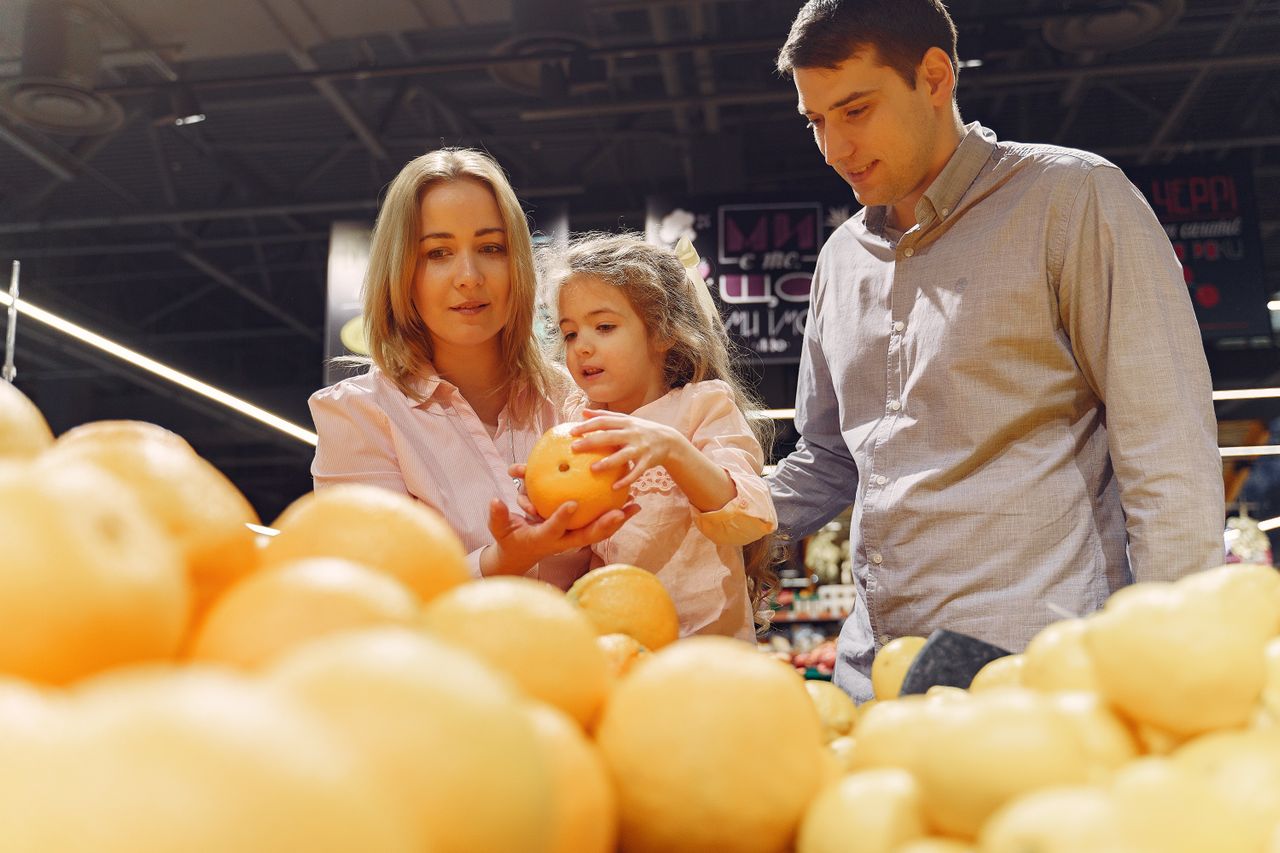
Some grocery stores allow young children to receive a piece of fruit during a shopping trip. Depending on the retailer, the offer may be called a children’s fruit program or simply part of the store’s family-friendly service. When available, this can make grocery shopping more enjoyable for families. It may also let children have a simple snack while their parents finish shopping.
Policies vary, and an offer at one branch may not apply at another. Parents should ask staff rather than assume that fruit is complimentary. If a store offers this benefit, check whether children must meet a particular age requirement and whether an employee must hand out the fruit.
For parents, treat complimentary fruit as an occasional convenience rather than a guaranteed part of every grocery trip.
Related: The 5 Tastiest Fruits You Should Try Today
Complimentary Bakery Tastings
The bakery section is another place to watch for occasional free samples. Some stores may offer small pieces of bread, cake, pastries, or other baked goods during product demonstrations, special events, or promotional campaigns.
For shoppers, these tastings offer a chance to try a new flavor or bakery product before buying. They can be especially useful when deciding whether an unfamiliar bread, seasonal pastry, or specialty baked item suits your preferences. Nevertheless, don’t assume every bakery offers free samples. Some retailers sell individual portions, while others offer tastings only during specific promotional periods. A product displayed near the counter isn’t necessarily available for sampling.
If you are interested in trying something, ask an employee whether samples are being offered. A simple question can help you understand the store’s policy without making things awkward.
Free Condiment Packets and Small Extras
Ketchup, mustard, mayonnaise, hot sauce, and other condiment packets are familiar examples of small items some retailers may provide free. However, these products are more commonly associated with food-service counters, prepared-food areas, or particular takeout arrangements than with ordinary grocery shopping.
A supermarket with a deli, café, or hot-food counter may have different policies from one that sells only packaged groceries. Some locations may include condiments with an eligible food purchase, while others may charge for them or limit distribution. Ask staff whether extra condiments are available and whether they limit quantities. Taking only what the store permits helps avoid waste and respects its policies.
Free Product Samples for Household Needs
Grocery stores sell more than food. Many also carry laundry detergent, dishwashing liquid, personal-care products, cleaning supplies, and other household essentials. From time to time, manufacturers may promote these products by distributing trial-size packages or samples.
A small sample helps shoppers assess a product before buying a full-size container. Depending on the promotion, shoppers may find them at an in-store demonstration, through a manufacturer’s campaign, or as part of a giveaway. However, trial sizes are not automatically free. Some are standard retail products sold at a lower price, while others are distributed only during specific campaigns. Shoppers should check the label and the offer terms before taking an item.
One useful strategy is to look for official promotional announcements from the manufacturer or retailer. These can explain where samples are available, how long the promotion lasts, and whether registration or other conditions apply.
Be wary of offers that request payment details for a supposedly free sample. The Federal Trade Commission’s consumer guidance on free trials warns that some trial offers can lead to unexpected charges or recurring memberships when important conditions are overlooked. Before signing up, read the terms, check whether shipping costs apply, and confirm whether the offer creates an ongoing payment obligation.
Related: 7 Simple Ways to Go Green with Your Cleaning Routine
Free Digital Deals Through Grocery Store Apps

Some grocery retailers offer mobile apps or online accounts that let customers browse weekly offers, access digital coupons, check product availability, and manage loyalty rewards. These tools make it easier to spot promotions before you visit the store. In some cases, shoppers may find a complimentary product offer, but many app-based deals are discounts rather than free items. For example, a digital coupon might reduce a product’s price, while a separate promotion might offer a free item after the shopper meets stated requirements. The difference matters when planning a grocery budget.
To get started, visit the retailer’s official website and follow its instructions for downloading the correct app. Review each offer’s terms, including expiration dates, eligible products, purchase limits, and whether you must activate the coupon before checkout.
Also check whether a digital offer requires a loyalty account. Some stores provide member-only pricing, and others make certain coupons available to all customers. Don’t assume a promotion shown online will be accepted at every branch. Availability and participation can differ by location.
Free Loyalty Rewards You Might Be Missing
Many supermarkets offer loyalty programs that give registered customers access to points, member prices, digital coupons, birthday benefits, or other promotional rewards. Benefits vary by retailer and program.
Some rewards can reduce the amount a shopper pays for groceries. Others may provide a complimentary product after certain eligibility requirements are met. For that reason, it’s worth checking loyalty benefits, especially if you shop at the same store regularly. However, not every loyalty reward is a free item. A discount lowers the price of a purchase, while a points-based reward may require you to spend money before you can redeem it. Don’t confuse these benefits with a product that costs nothing and requires no purchase.
Start by reviewing the store’s official loyalty program information. Check whether membership is free, whether rewards expire, and whether there are minimum spending or redemption requirements. Also review digital coupons before shopping. A coupon may apply only to a particular product, quantity, or shopping period. Confirm the final price at checkout rather than assuming every advertised offer applies automatically.
The FTC’s advertising guidance for small businesses emphasizes clearly communicating the conditions attached to free offers and promotions.
Free Seasonal Giveaways
Holidays, store anniversaries, product launches, and community events sometimes give grocery stores opportunities to distribute complimentary promotional items. Depending on the campaign, these might include small branded products, decorations, recipe booklets, or other merchandise. These giveaways are usually temporary, not permanent store benefits. They may be available only at selected branches, during particular hours, or while supplies last.
The best way to find them is to follow official retailer announcements and look for in-store event notices. Local branches may also advertise activities through their own social media accounts. Before traveling specifically for a giveaway, check the date, location, eligibility requirements, and whether registration is necessary. This can prevent a wasted trip if a promotion has ended or an item is no longer available.
It is also wise to read the details carefully. An advertisement featuring a complimentary gift may require a qualifying purchase, attendance at a particular event, or participation in a loyalty program. The FTC’s guidance on advertising claims is a useful reference for understanding why free-offer conditions should be clear.
Related: Want a Free Pumpkin? These 8 Places Will Hand One Over
Free Recipe Ideas and Cooking Inspiration
Some grocery stores also offer recipe cards, printed cooking guides, and online meal ideas. These materials may feature seasonal ingredients, quick meals, dishes built around particular products, or suggestions for using ingredients in different ways.
Unlike a food sample or promotional gift, a recipe card does not provide a physical grocery product to eat. Its value lies in the information it offers. Availability varies, so don’t assume every supermarket carries printed cards. If you cannot find them in-store, check the retailer’s official website for recipes and meal-planning resources. Before shopping, review the ingredient list and serving sizes. Consider substituting ingredients you already have, especially if the original recipe calls for an expensive or unfamiliar product.
Free Family Activities and Promotional Items
Some supermarkets organize family-friendly activities, demonstrations, or special events. Depending on the retailer and occasion, these may include children’s activity sheets, stickers, demonstrations, or small promotional items. Not every store offers these activities. Larger branches, community-focused retailers, and stores running special campaigns may offer different experiences from smaller locations.
Parents can look for event notices on official websites, in-store posters, newsletters, or retailer social media pages. If an activity is advertised, confirm the date, age suitability, registration requirements, and whether there is an attendance fee or purchase condition.
Also distinguish a promotional activity from a permanent service. A store that distributes stickers during a children’s event may not offer them on ordinary shopping days.
Key Takeaways

Grocery stores can offer more than the products on their shelves. Depending on the retailer, shoppers may discover free samples, promotional products, recipe resources, loyalty benefits, and occasional family activities.
The important thing is to separate genuine freebies from discounts and purchase-dependent rewards. Check official sources, ask staff when necessary, and read the conditions before participating.
Most importantly, do not let the promise of a free item encourage unnecessary spending. The best grocery store perk provides genuine value without pressuring your budget.
Other Posts You Might Like
- 10 Purchases That Aren’t Worth the Money Anymore
- 8 Things You Should Never Buy Secondhand No Matter How Good the Deal Looks
- The 3PM Crash Is Lying to You
If you like what you just read, then subscribe to our newsletter and follow us on social media.


