
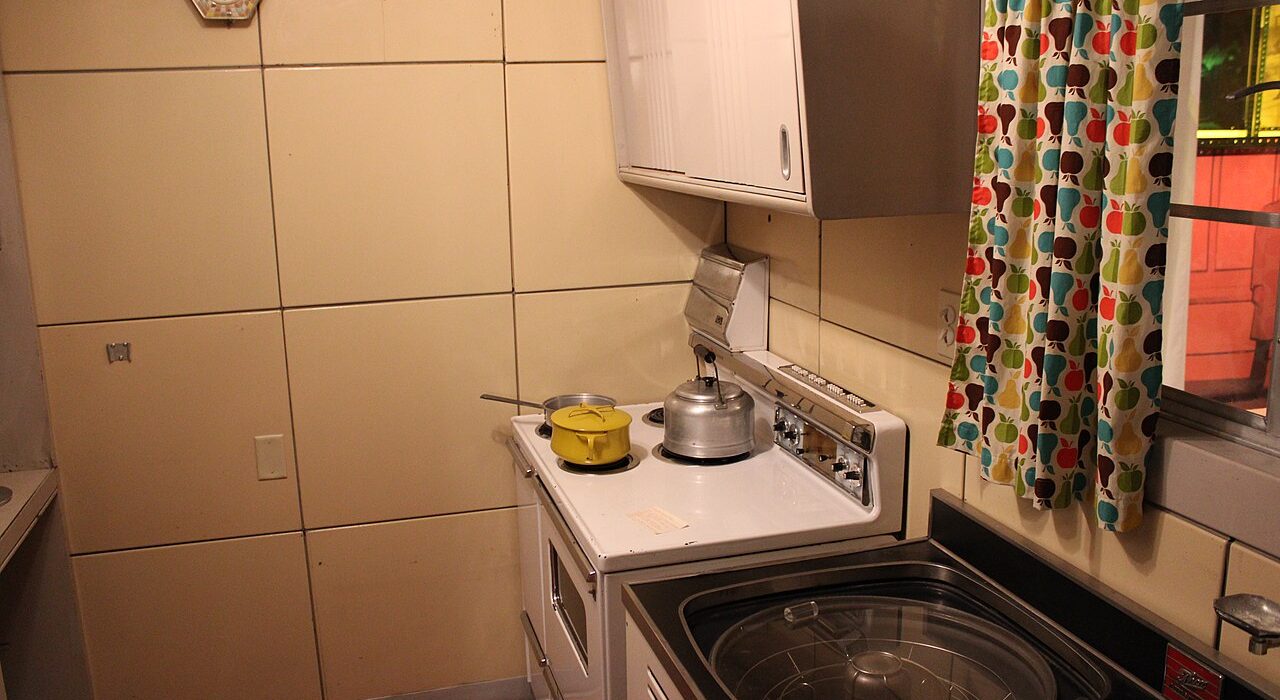

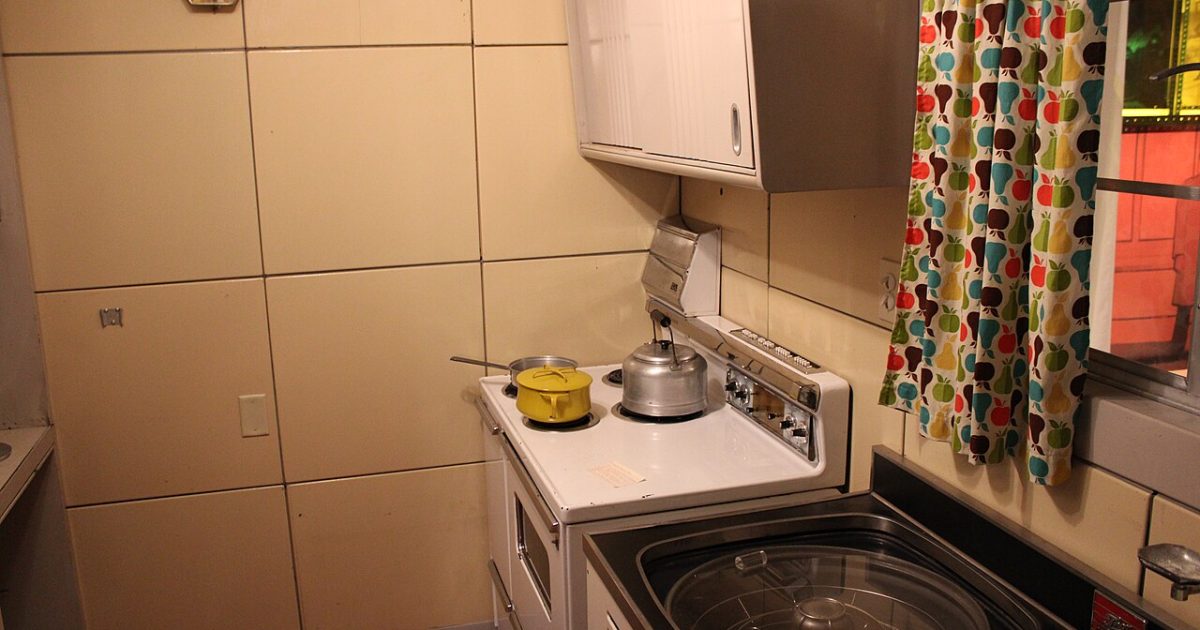
Step into a typical American house of the 1950s and the first thing to notice is how much of it was brand new. Postwar paychecks, a housing boom and a wave of advertising filled rooms with gadgets that earlier generations had never owned.
According to a list from Cheapism, sixteen items capture the era best. They are counted off below, room by room, with some history from the Smithsonian, the New York Historical Society and Wikipedia.
The Living Room and Hall: Items 1 to 3

1. A large wood-cabinet television. Early sets were bulky pieces of furniture with rabbit-ear antennas, and most households owned just one. The New York Historical Society calls TV the most popular new appliance of the postwar era, one that replaced radio as the family’s main source of entertainment.
2. A tabletop or console radio. Radio still sat in nearly every home, often in the kitchen or bedroom, carrying music, sports and news. Anyone curious about how living rooms looked a few decades later can browse childhood experiences from the 70s and 80s, or the forgotten household items from the past that came next.
3. A heavy rotary telephone. The family phone stayed put in one spot, and each digit meant turning the dial. Some neighborhoods still shared party lines, a habit that belongs with the little rituals that disappeared without much notice.
The Kitchen: Items 4 to 11
4. A chrome-and-Formica kitchen table. Dinette sets paired chrome legs with easy-to-clean laminate tops and vinyl chairs in bright colors. Towns that still look like this are rounded up in a piece on ten U.S. towns that feel like the 1950s.
5. A newer electric refrigerator. Models gained freezer space and came in colorful finishes with rounded doors and chrome handles. The postwar buying boom that put these appliances in kitchens also shows up in a look at how family income shifted by 1980.
6. Tupperware. Lightweight plastic containers with airtight lids offered an alternative to glass, and home sales parties helped them spread. Wikipedia notes that the party plan let women of the 1950s earn independent income, and that Brownie Wise became vice president of marketing in 1951.
7. Colorful Pyrex bowls. These patterned glass bowls often came in nesting sets and worked for mixing, serving and storing. Like the things that decorated every 70s home, they have since become collectibles.
8. A Sunbeam Mixmaster. The heavy countertop mixer handled batters, whipped cream and mashed potatoes, part of a small-appliance wave that also brought toasters and juicers to countertops.
9. An electric coffee percolator. Electric versions grew common, though many families still used stovetop models. The glass knob on top let the cook watch the brewing. Readers who like this era may also enjoy eight reasons Gen Z would struggle to survive a week in the 1960s and boomer habits that are making a comeback.
10. A pop-up toaster. Chrome toasters made breakfast easier, with a lever that popped the toast back up.
11. Swanson TV dinners. Frozen meals in divided aluminum trays went straight into the oven. Smithsonian Magazine reports that Swanson sold about ten million trays in 1954, its first full year of production.
Laundry, Sewing and Windows: Items 12 to 15
12. A wringer or early automatic washer. Machines ranged from wringer models to newer automatics, typically kept in a basement or utility room.
13. A backyard clothesline. Many families hung laundry outdoors with clothespins, with an indoor drying rack as the backup in bad weather.
14. A sewing machine in a wooden cabinet. The sturdy machine looked like ordinary furniture when closed and became a sewing station when opened.
15. Venetian blinds. Horizontal blinds, often metal, were common on midcentury windows and could be paired with curtains.
The Bathroom: Item 16
16. A pastel-colored bathroom. Fixtures and tile in pink, blue, yellow or green often matched across the tub, toilet and sink.
All of it was driven by spending. The New York Historical Society says spending on furniture and appliances rose 240 percent after the war, and that wives made about 75 percent of family purchases on average. Americans moved into more than one million new homes each year in the first four years after the war.
Cheapism’s list is a snapshot rather than a census, and not every household owned every item. Still, the sixteen things above explain why the decade’s homes look so recognizable decades later.
Get stories like this by email. Sign up for Crafting Your Home.
This article was produced with AI assistance and edited for accuracy against the sources linked above.
