

The post 7 Reasons Why Pouring Hot Water Down Your Drain Is a Household Game-Changer first appeared on Crafting Your Home.
When people hear about pouring hot water down a kitchen or bathroom sink, they usually assume it is a quick-fix plumbing hack meant to clear a stubborn clog.
While thermal shock can sometimes assist with minor blockages, the real value of hot water maintenance goes far beyond emergency plumbing.
Incorporating regular hot water rinses into your weekly cleaning routine offers surprising preventive benefits that protect your pipes and keep your home fresh.
If you are wondering whether this simple habit is worth your time, the answer is a resounding yes. It is scientifically sound, entirely chemical-free, and highly engaging for readers looking for low-cost home maintenance tips. Here are seven verifiable reasons why you should regularly pour hot water down your drain:
It Instantly Dissolves Built-Up Grease and Fat
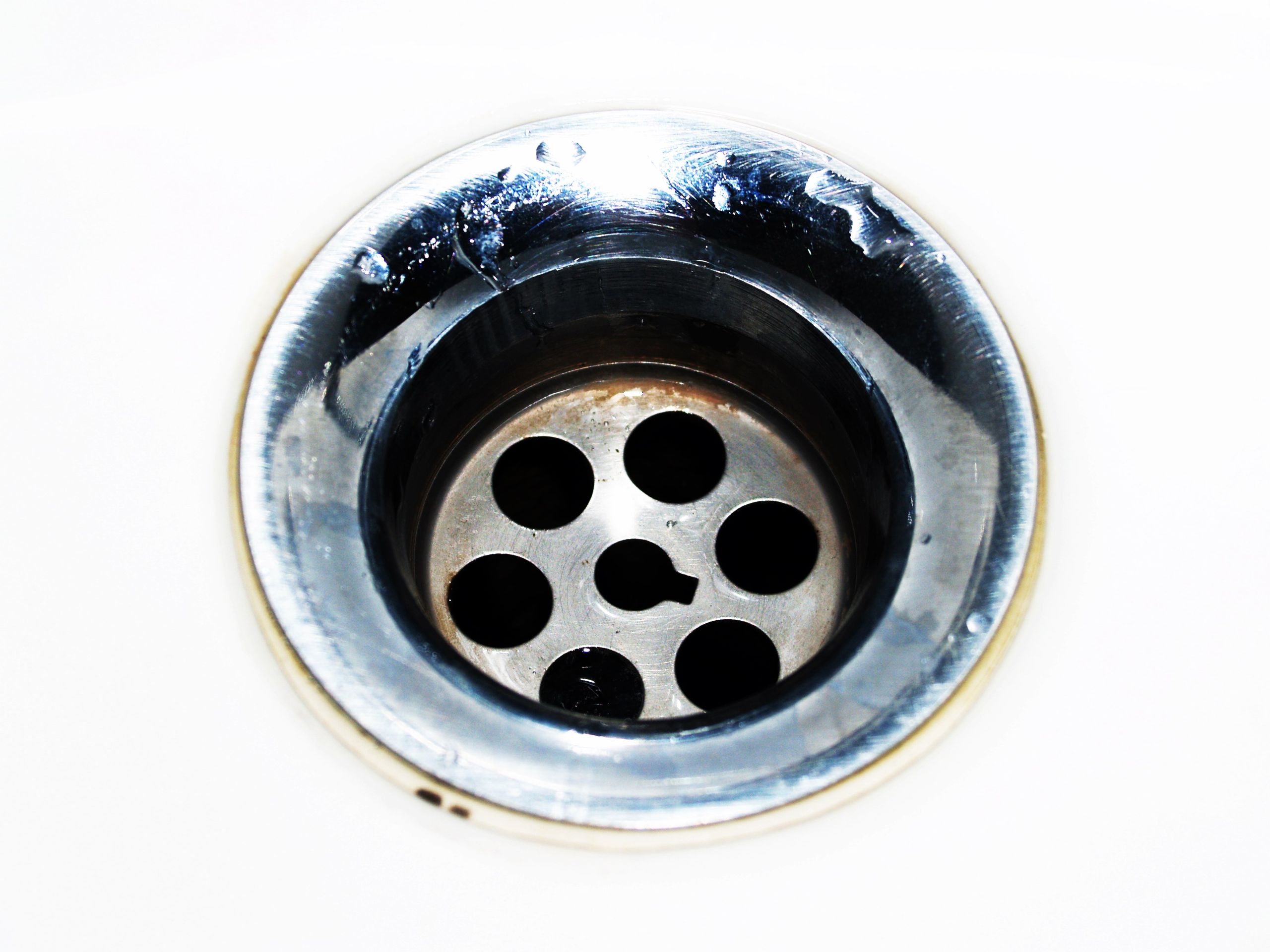
Every time you wash greasy pans or plates, microscopic fats and cooking oils go down the drain. As these liquids cool inside your pipes, they solidify and stick to the interior walls, gradually trapping food particles and creating severe clogs.
Pouring near-boiling water down the drain periodically melts these trapped fat layers, turning solidified grease back into liquid form so it safely flushes out into the municipal sewer line.
Related: Pour These 8 Things Down Your Sink And, You’ll Regret It
It Flushes Away Stubborn Soap Scum and Hair Residue
In bathroom sinks and showers, the primary culprits behind slow drains are combinations of soap scum, body oils, and shed hair. Traditional bar soaps contain animal fats and lye that react with minerals in tap water to form a sticky residue.
Hot water breaks down these stubborn chemical bonds, helping to melt away accumulated soap film before it binds with hair to form a solid mass.
It Neutralizes Foul Pungent Odors at the Source
If an unpleasant smell is wafting up from your kitchen sink, it is usually caused by decomposing food particles trapped inside the P-trap or coating the inner walls of the pipe.
While harsh commercial deodorizers only mask these smells with artificial fragrances, a steady stream of hot water sanitizes the pipe surface, melting away the organic slime and washing the odor-causing bacteria away for good.
Related: Your plumber wishes you would stop putting these 8 things down the drain
It Prevents Scale and Mineral Buildup in Hard Water Areas
If your home has hard water, dissolved calcium and magnesium minerals gradually precipitate and form a hard, crusty scale inside your plumbing fixtures.
While hot water alone won’t dissolve old, heavy mineral scale like an acid would, regular thermal maintenance prevents fresh mineral crystals from cementing themselves to pipe surfaces, keeping your plumbing infrastructure running smoothly.
It Activates and Boosts Natural Drain Cleaners
Pouring hot water down the drain becomes even more powerful when paired with eco-friendly cleaning agents like baking soda and vinegar.
The thermal energy from hot water accelerates the chemical fizzing action of baking soda and vinegar, helping the mixture cut through deep organic grime and grease much faster and more effectively than cold water ever could.
Related: 8 Things You Should Never Put Down the Drain: What to Do Instead
It Safely Melts Residual Detergent Clumps in Laundry Lines
Washing machine discharge lines are frequent victims of built-up laundry detergent and fabric softener residue, which are designed to cling to fabrics and often leave a pasty sludge inside outlet pipes.
Running hot water through utility sinks or washing machine drains periodically melts these waxy detergent accumulations, preventing sluggish drainage and costly utility room overflows.
It Eliminates the Need for Harsh, Pipe-Corroding Chemicals
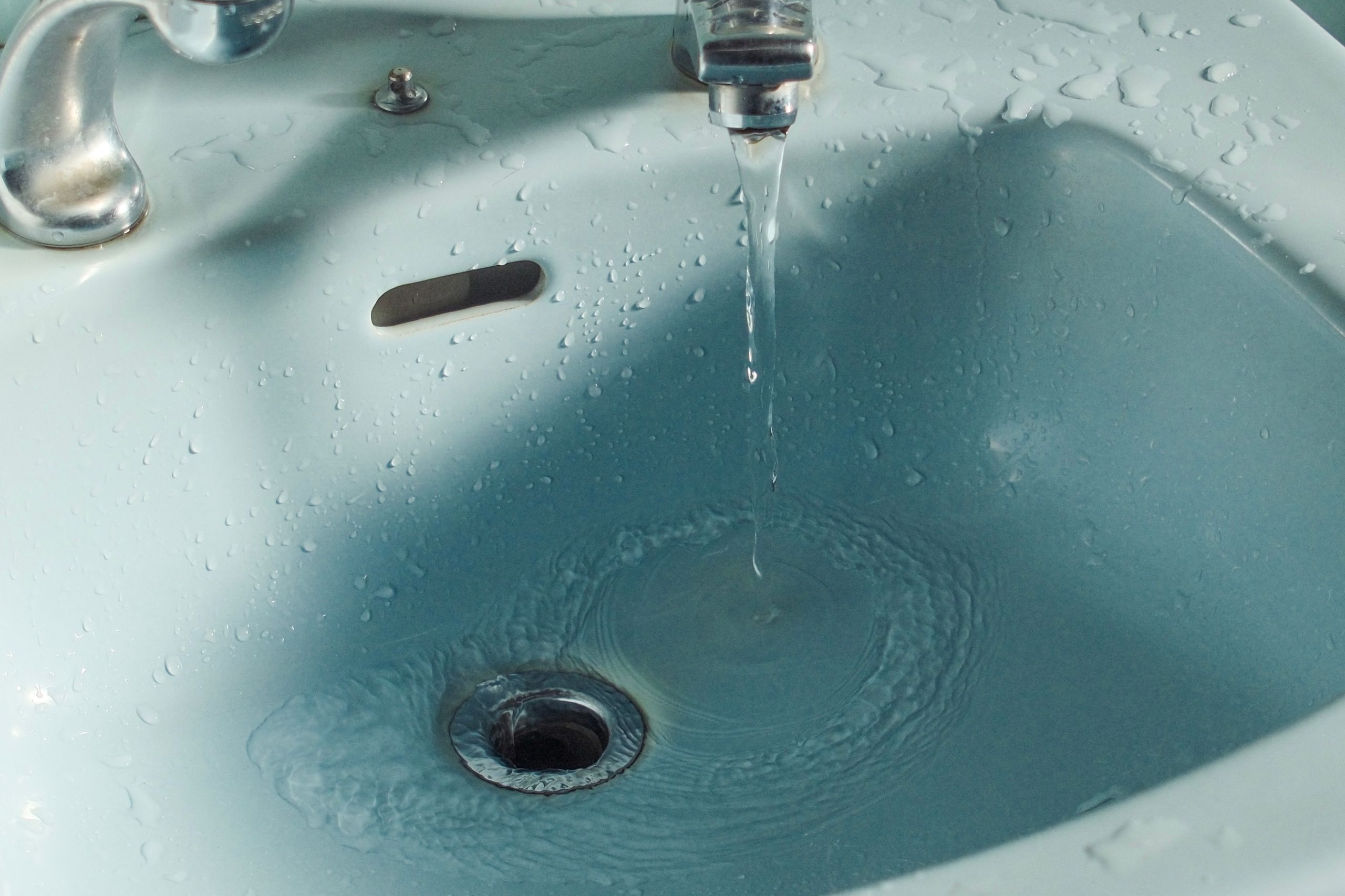
Many store-bought chemical drain cleaners rely on powerful lye or acid formulas that generate extreme heat through chemical reactions.
Over time, this intense heat and caustic formulation can warp PVC pipes, degrade rubber seals, and corrode metal plumbing. Using plain, heated tap water provides a completely safe, non-corrosive alternative that protects the structural integrity of your plumbing system.
Related: How to Get Rid of Mold in the Bathroom and Keep it From Returning
Conclusion
Pouring hot water down your drain is one of the most underrated, cost-effective maintenance habits you can adopt. By shifting your approach from reactive emergency plumbing to proactive thermal maintenance, you save money on repairs, eliminate foul odors, and keep your home running seamlessly with zero chemical waste.
If you like what you just read, then subscribe to our newsletter and follow us on social media.