

A rental car turns a trip into a string of small contracts: fuel, insurance, tolls, drivers and a deposit hold. Most of the expensive surprises come from decisions made in the first five minutes at the counter, not from anything that happens on the road.
With Thanksgiving travel about three weeks away, the Federal Trade Commission’s rental guidance and two consumer-travel lists of common errors point to the same 9 mistakes. Each one is easy to avoid when it is known in advance.
At the Counter: The Walkaround, the Fuel Plan and the Coverage Question

Renters who land at a busy airport often rush the pickup, much like the road trippers who run into the gas station mistakes even experienced drivers make. Anyone packing light for the trip, as in this guide to carry-on suitcases worth packing for Thanksgiving, still has to slow down for the next four items.
1. Skipping the walkaround. The Points Guy advises photographing and videoing the car before leaving the lot, scratches and dents included, and having an agent document any damage, so a later dispute rests on a record rather than memory.
2. Prepaying for fuel without a plan. The Federal Trade Commission says prepaid fuel is convenient but often costs more than refueling at a pump. The Points Guy adds that unused fuel is not refunded. Returning the car at the level it had at pickup is usually the cheaper route.
3. Buying coverage before checking what already exists. According to the FTC, a personal auto policy, a homeowner’s policy, an employer’s insurance or a credit card may already cover a rental. Checking before the counter prevents paying twice for the same protection.
4. Using card coverage without declining the waiver. The FTC notes that to rely on a credit card’s collision coverage, a renter typically must decline the rental company’s coverage. Without a waiver or personal coverage, a renter may owe the full value of any damage.
On the Road: Other Drivers, Mileage and Tolls
The next three mistakes show up after the car has left the lot, when a convenient shortcut can quietly void protection or add fees.
5. Letting an unauthorized person drive. The FTC warns that reckless or impaired driving, or letting an unauthorized person behind the wheel, can cancel a collision damage waiver. A spouse or friend who will share the driving should be added as a driver at the counter, even if an extra-driver fee applies.
Anyone planning a longer holiday trip may also want the checklist in this roundup of travel blunders that turn a vacation into a stress fest, and the airport tips in what experienced travelers never do at the airport.
Holiday renters who fly in should also confirm identification rules, since a missing REAL ID at security can mean a $45 TSA fee, and a pre-trip routine such as the one in 10 things to do before leaving the house empty keeps the home side of the trip covered. Packing smart helps too, as in this primer on how to pack a suitcase and these tips and tricks for traveling cheaply.
6. Overlooking the mileage limit. The FTC says mileage limits vary by company and vehicle type, so a renter should estimate the driving first. A Best Life roundup notes that some weekend rentals are capped at 100 miles a day, which a holiday route can pass quickly.
7. Ignoring the toll program. Automatic toll programs can charge a daily fee, a flat fee for the whole rental or a fee per toll, the FTC explains. The Points Guy puts the typical daily administrative fee at $3 to $10, so on a short trip the program can cost more than the tolls themselves.
Before Returning the Car: Phones and the Card Hold
8. Plugging a phone into the USB port and leaving paired devices behind. Newer rentals are connected cars, and Best Life notes that rental companies are not required to erase synced data. The FTC advises charging devices with a cigarette lighter adapter rather than the USB port, which may transfer data, granting only the permissions needed, and deleting paired devices and data before the car goes back.
9. Forgetting the card hold. Rental companies often place a hold on a card for more than the cost of the rental, the FTC says. A traveler near a credit limit or with a low balance may find other purchases declined until the hold clears.
Two smaller points from the FTC round out the picture. Returning a car more than 24 hours early may bring a fee, and airport locations can add surcharges even when the lot is off-site and reached by shuttle. A quick look at the quote for taxes and fees before signing keeps those from becoming a surprise at drop-off.
None of the nine takes more than a minute or two at the counter. A video walkaround, a call to an insurer or card issuer the week before, and a question about tolls and mileage are the habits that separate a smooth pickup from a disputed bill.
Get stories like this by email. Sign up for Crafting Your Home.
This article was produced with AI assistance and edited for accuracy against the sources linked above.
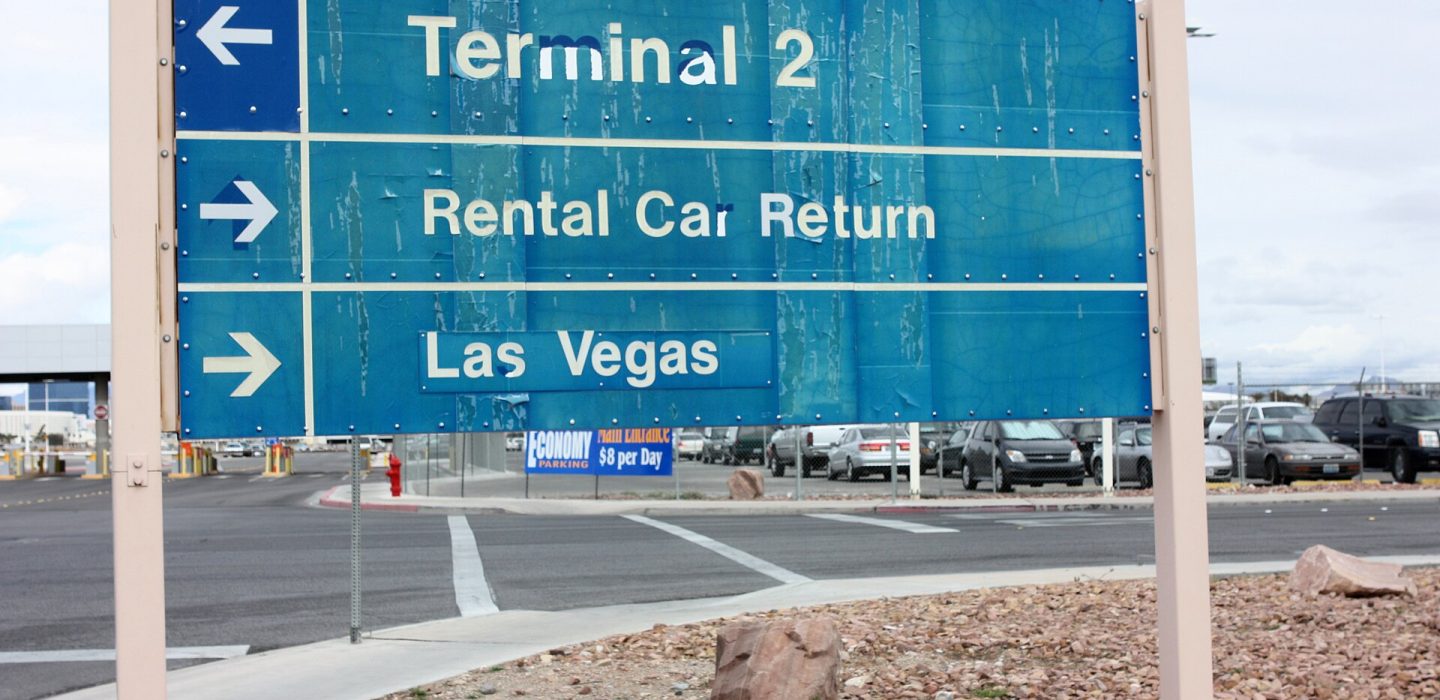
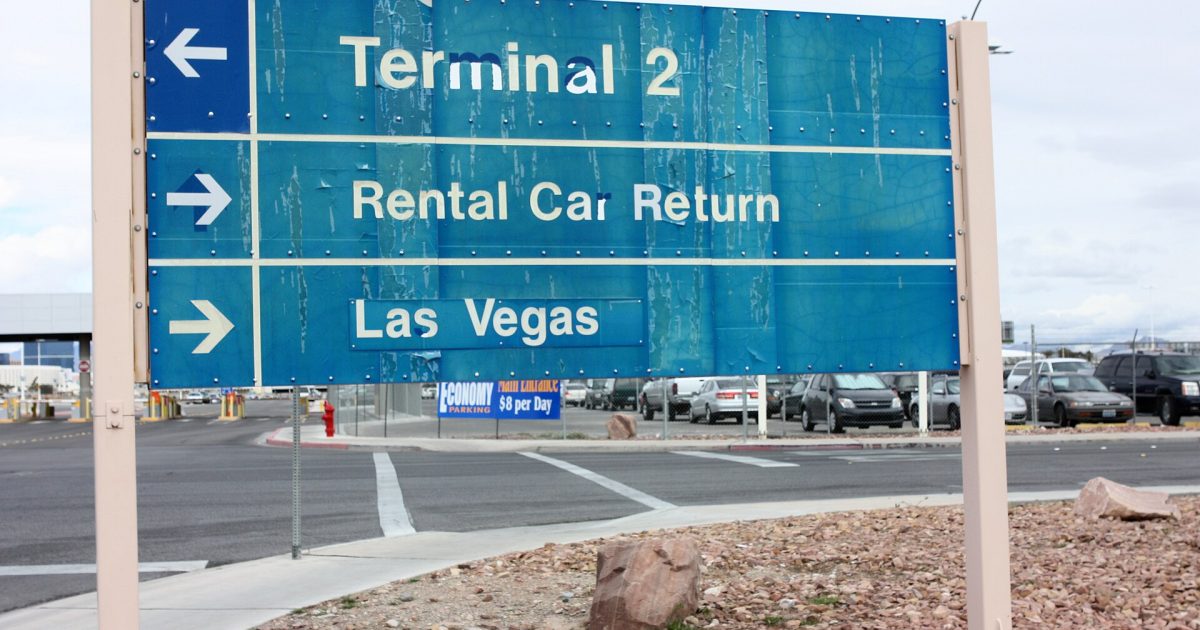
Image: Michael Dorausch from Venice, USA – CC BY-SA 2.0/Wikimedia Commons
