

This article was originally published on Crafting Your Home. A human contributor also wrote and edited the post.
A home doesn’t need renovation to feel calmer. Researchers who study the psychology of physical space have found that several small, specific changes have a measurable effect on stress and mood, often more than people expect from something so minor. Here’s what the research actually points to.
Clear One Surface Completely

Princeton Neuroscience Institute researcher Sabine Kastner has spent two decades studying visual attention and found that clutter directly competes with the brain’s ability to focus, tiring out cognitive function over time. Rather than trying to tidy an entire home at once, clearing just one surface, a kitchen counter or an entryway table, gives the brain one less place to constantly scan and filter.
Add a Plant or Two
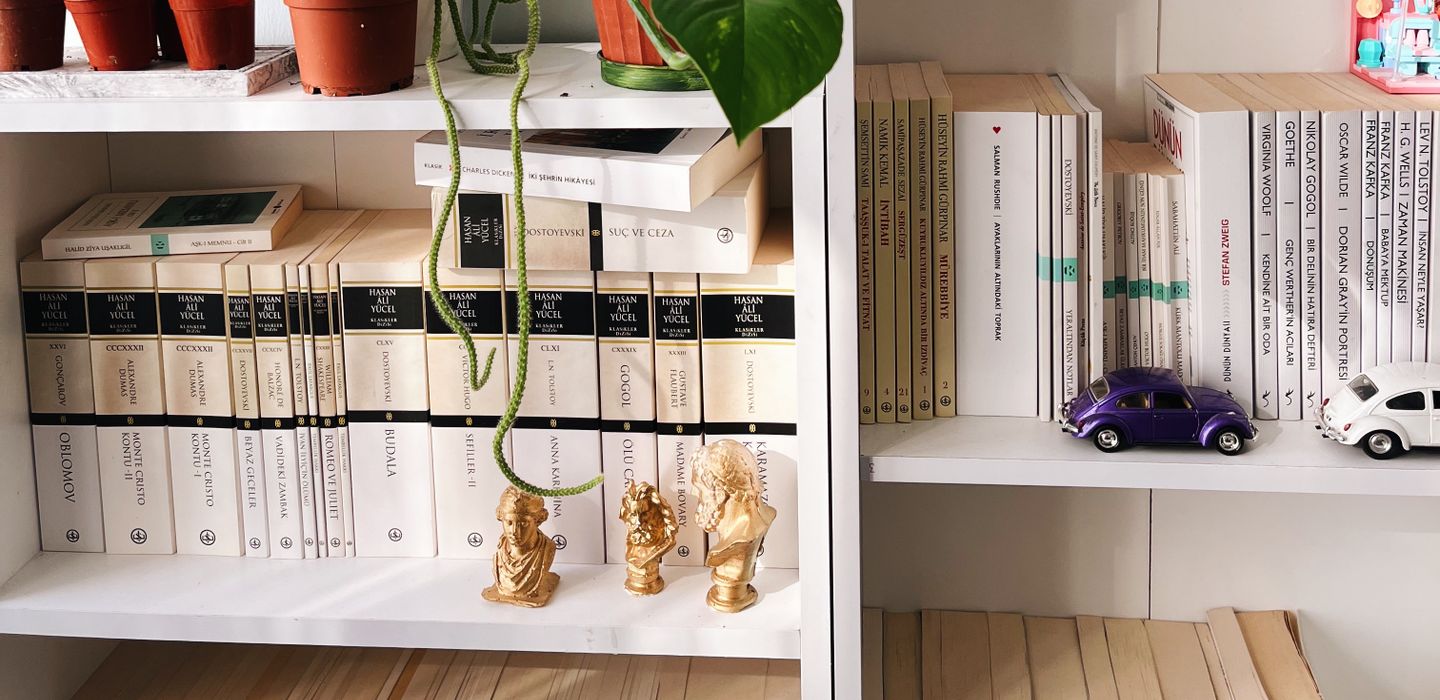
A systematic review of biophilic design research found that interacting with indoor plants can reduce psychological and physiological stress by calming the autonomic nervous system, with indoor greenery showing a stronger effect on physiological stress markers than other types of natural elements tested.
Related:10 Alarming Reasons the American Dream of Homeownership Feels Out of Reach
Get More Natural Light During the Day
A 2021 study published in the International Journal of Environmental Research and Public Health found that more daylight at home improved circadian alignment, sleep quality and mental health in otherwise healthy adults. Opening blinds fully in the morning or moving a chair closer to a window are low-effort ways to apply this.
Dim the Lights in the Evening
The same body of circadian lighting research supports the reverse pattern at night: bright light later in the day can delay the body’s natural wind-down process, while warmer; dimmer lighting in the evening supports the transition toward rest.
Create a Landing Zone by the Door
A consistent spot for keys, bags, and mail prevents those items from scattering across other surfaces throughout the day. This directly addresses what researchers describe as the brain’s tendency to register scattered, unfinished-looking items as ongoing demands on attention, even in an otherwise orderly home.
Sit Somewhere with a View Outside
Research on biophilic indoor environments found that having a window with daylight and an outdoor view specifically helped participants recover from anxiety, a distinct effect from the stress reduction provided by indoor plants. Even rearranging a single chair to face a window can help.
Related:9 Cheap Home Fixes That Can Make Your House Feel Less Drafty This Fall
Give Each Space One Clear Job
Research on family wellbeing and home environments points to the psychological benefit of having distinct areas for distinct activities, rather than one room serving as office, dining table, and catch-all storage simultaneously. A space with an unclear purpose tends to accumulate clutter from every activity that happens to occur there.
Build In a Short Daily Reset
Extensive research on environmental tidiness recommends committing to a brief, consistent block of time, around 10 to 20 minutes, to return a space to its baseline each day. This approach is framed as more sustainable than periodic deep cleans because it prevents the kind of accumulation that later creates the sense of an overwhelming task.
Reduce Cords and Visual “Noise” in Shared Spaces
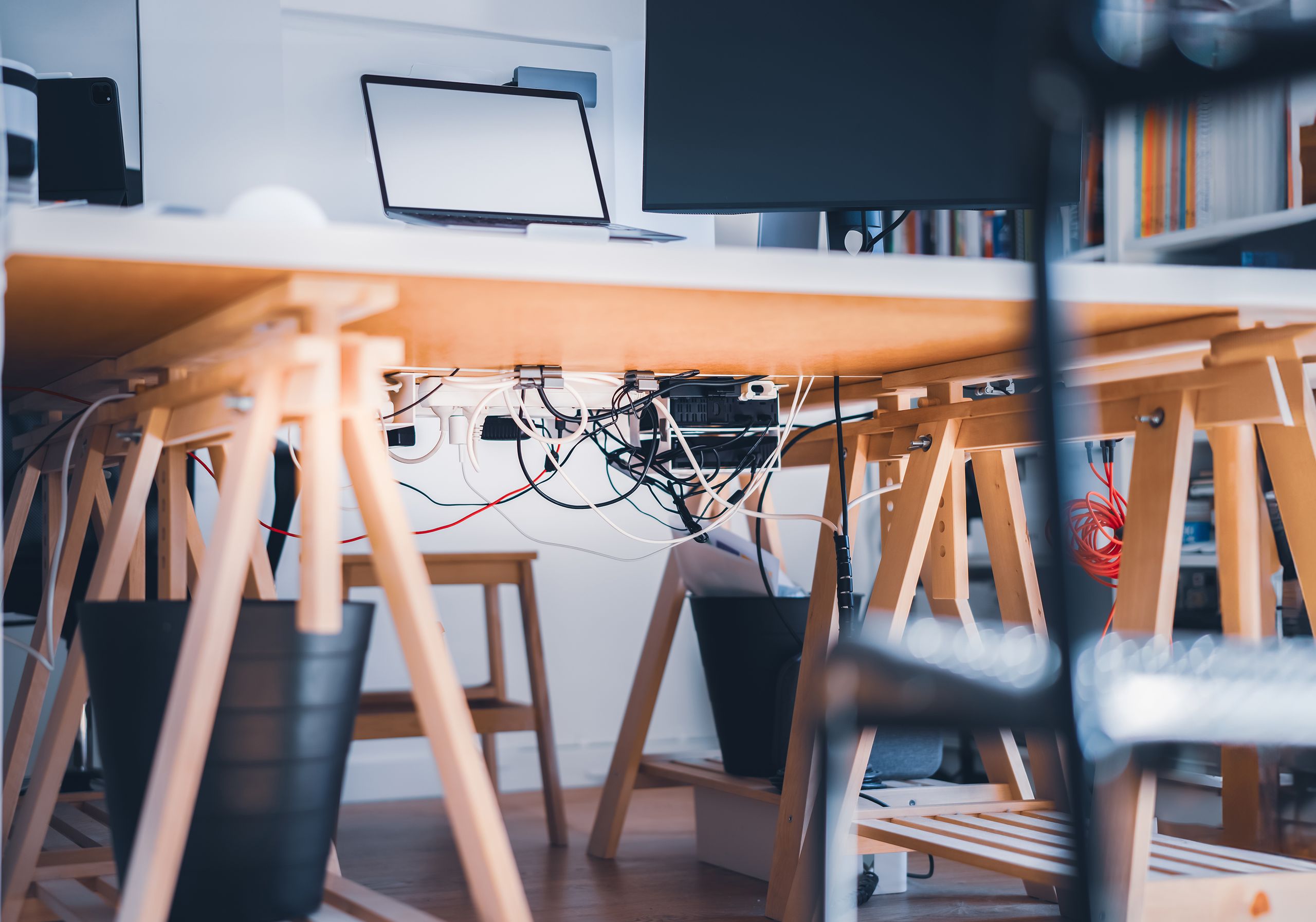
Because Kastner’s research found that every additional object in the visual field adds to the brain’s processing load regardless of its size, tucking away cords, chargers, and small clusters of miscellaneous items in a main living space reduces this competing visual input, even when the items themselves are small.
Related:8 Things Florida Residents Should Know About the New Home Insurance Problem
Why Small Changes Work
None of this requires a full decluttering overhaul or a redesign budget. The research consistently points to the same mechanism: a calmer home isn’t necessarily an emptier one; it’s one with fewer things quietly competing for the brain’s limited attention at any given moment.
Other post you might like:
- 6 Things Homeowners Should Do Before September Slips Away
- The Fall Home Maintenance Tasks Chicago Homeowners Should Start Before Temperatures Drop
- 6 Reasons Why Arizona Homeowners Are Increasingly Worried About Losing Their Homes
If you like what you just read, then subscribe to our newsletter and follow us on social media


