



The post Dogs Don’t Actually Feel Guilty — What That ‘Guilty Look’ Really Means, According to Research first appeared on Crafting Your Home
A chewed slipper looks like evidence. A dog with its head lowered beside it looks like a confession. Put the two together, and it is easy to believe your pet understands exactly why you are upset.
But one dog-cognition experiment produced a result that complicates that familiar household scene: dogs that had obeyed their owners could look especially “guilty” when they were wrongly scolded.
That finding changes how we might respond to scattered trash, damaged shoes, or torn furniture. The expression is something we can observe; the explanation we attach to it deserves more care. Before treating a lowered head as an admission, here are eight things worth understanding.
An Innocent Dog Can Give You the Same Look
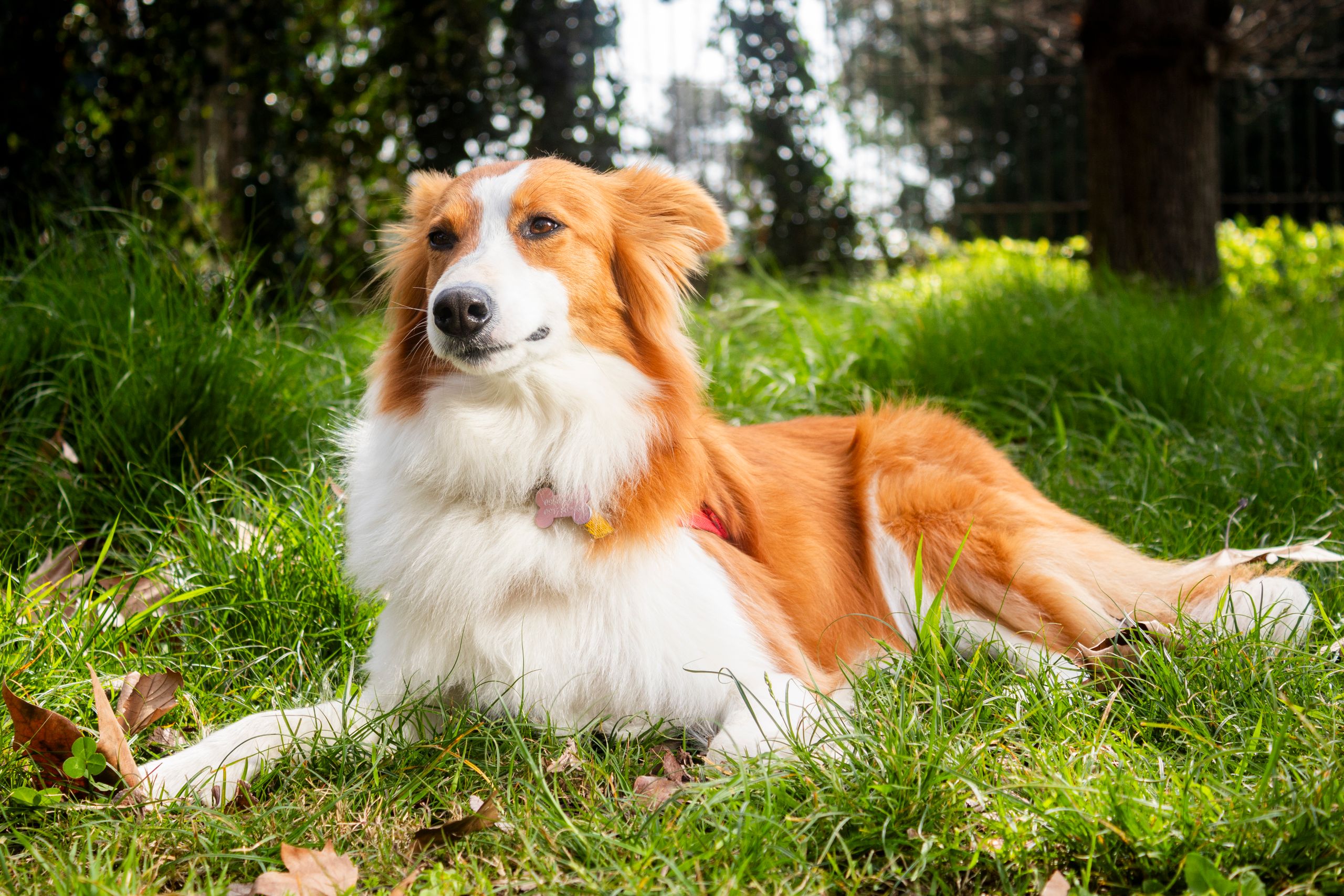
In Alexandra Horowitz’s 2009 experiment, 14 dogs were instructed by their owners not to eat a treat before being left alone. Some ate it, while others obeyed.
Owners then received information about what had happened, but that information was not always accurate. They subsequently greeted or scolded their dogs.
The dogs displayed more behaviors associated with the “guilty look” when scolded, whether or not they had eaten the treat. Dogs that had obeyed but were mistakenly scolded showed the strongest response.
A convincing expression, in other words, did not reliably identify which dog had broken the rule.
Your Reaction May Explain More Than the Mess
Horowitz’s findings suggest that the familiar posture is better understood as a response to an owner’s cues than as evidence of awareness of wrongdoing.
Your voice, stance, and facial expression all belong to the situation your dog is experiencing when you discover the damage. A change in those cues may help explain why its behavior changes, too.
That makes the sequence important. Seeing a mess and then seeing your dog lower its head does not establish that the dog is reflecting on what happened earlier.
A Larger Study Also Compli0cated the Confession Story
A later study involving 96 dog-owner pairs reached a compatible conclusion. The dogs’ actions and the visible evidence of an alleged misdeed did not reliably predict the “guilty look.”
Social context and owners’ beliefs were major factors.
For readers trying to make sense of life with a dog at home, that is a useful distinction. Knowing that something was damaged does not mean the dog’s expression explains its understanding of the event. The mess and the posture are separate observations, even when they seem to tell one tidy story.
Related: Why Do Dogs Tilt Their Heads? Researchers Found a Surprising Clue
One Gesture Cannot Explain the Whole Encounter
Looking away, turning the body, lowering the head, crouching, holding the ears back, or tucking the tail can all be part of what people call a guilty expression. Lip licking and moving away may appear alongside them.
These gestures need context. One movement alone does not tell you why it happened.
Look at the dog’s whole posture, its surroundings, its history, and what occurred immediately beforehand. A head lowered after a sharp change in your voice gives you different information from the same movement observed in another situation.
Learning a Household Pattern Is Different From Feeling Remorse
Dogs can learn associations. A dog may learn that its person’s voice changes when torn paper appears on the floor, for example.
That does not establish that it understands the earlier act as a moral wrong.
The distinction matters because the research does not show that dogs lack emotions or cannot learn rules. Its narrower finding is that the familiar “guilty” posture does not reliably demonstrate human-like guilt. You can recognize your dog’s ability to learn without treating every expressive reaction as remorse.
A Delayed Lecture May Miss the Lesson You Intended
Finding damage is not the same as catching the behavior while it happens. By the time you discover a chewed slipper, the chewing may already be well in the past.
A delayed scolding is unlikely to connect with that earlier action in the way an owner expects. The dog may instead learn associations involving your reaction around damaged objects.
This is why timing matters. Immediate, humane teaching can help dogs learn associations, while an after-the-fact confrontation may communicate something quite different from the household rule you wanted to explain.
Prevention Gives You Something Concrete to Change
After finding chewed shoes, put tempting items away, provide appropriate chew items, and reward your dog for choosing them.
For a raided trash can, consider a secure bin, a gate, or a closed door. Positive “leave it” and “trade” cues are also options described in the brief’s training guidance.
These changes address access and future choices. They give you practical work to do without requiring you to decide whether your dog’s face means it feels sorry. The next useful step can be as ordinary as moving the slippers or securing the kitchen bin.
Related: Why Senior Dogs Wait So Much Longer in Shelters — And What Their Adopters Say Is Worth It
Reward-Based Teaching Offers a Clearer Way Forward
The American Veterinary Society of Animal Behavior recommends reward-based training and advises against methods involving yelling, intimidation, or physical correction.
If your dog withdraws when you react to a mess, soften your voice and body language and allow distance. Then turn your attention to the setup and the behavior you want to encourage.
The next damaged shoe does not need to become a household interrogation. Clean up, review what your dog could reach, and make the preferred choice easier to practice.
And before deciding that familiar face proves your dog “knows what it did,” consider the study’s most revealing detail: even a dog that followed the instruction could look guilty when its owner believed otherwise.
Other Posts You Might Like
If you like what you just read, then subscribe to our newsletter and follow us on social media.


