


The post 13 Things That Surprise Americans the First Time They Visit Europe first appeared on Crafting Your Home.
The bathroom needs a coin, dinner hasn’t started, and the restaurant check you’ve been waiting for may never arrive until you ask. A first trip to Europe can upend familiar routines before you’ve even finished your first meal.
Those small surprises deserve a place in your planning alongside hotels and sightseeing. Knowing how to order water, when kitchens serve dinner, and whether shops open on Sunday can help you spend less of your trip figuring things out at the last minute.
There is one catch: the answer can change with your destination. Europe has no single set of dining habits, payment customs, or opening hours. These are differences you may encounter, with local details worth checking before you leave home.
Crossing a Border Can Change More Than the Language
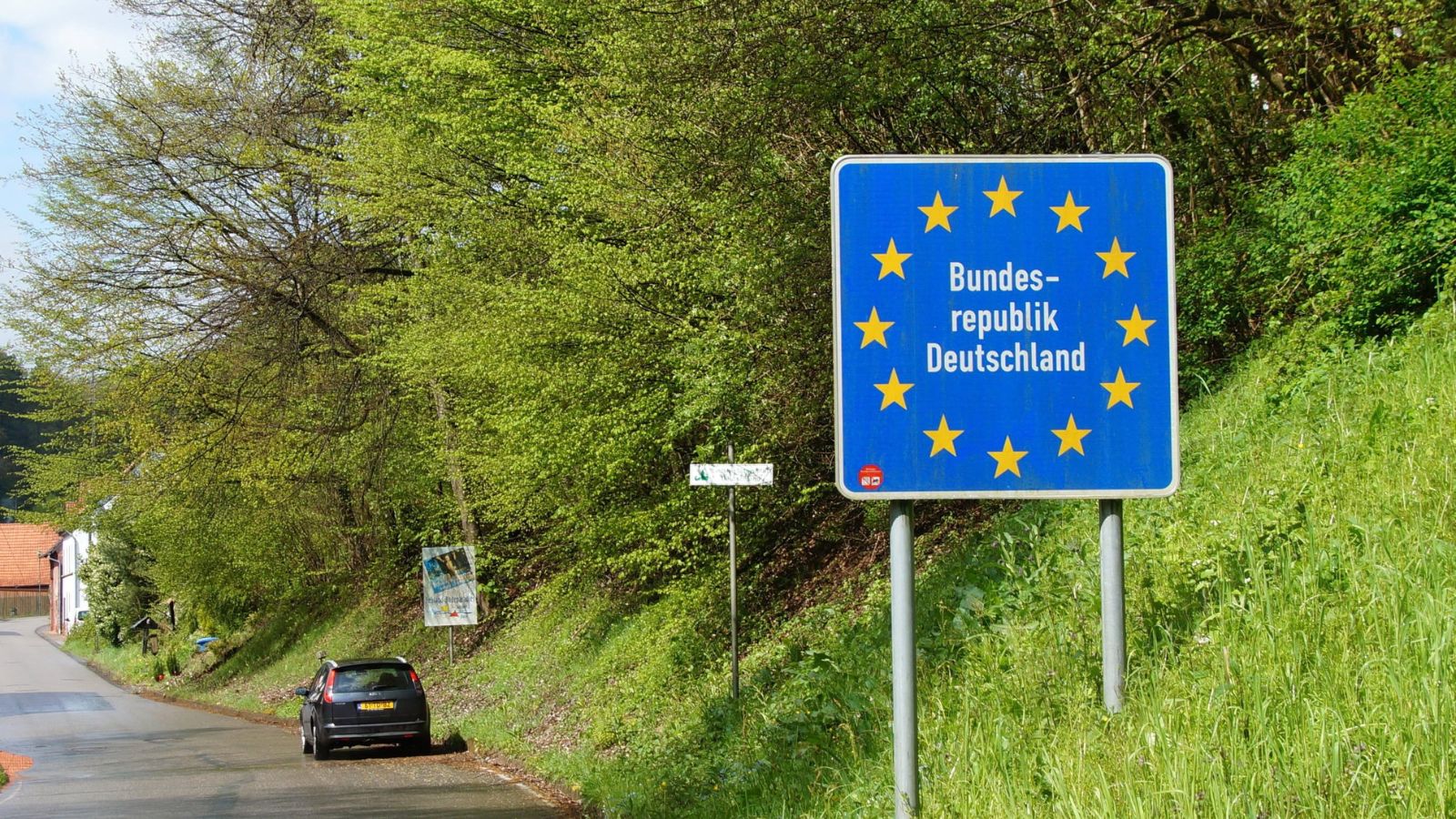
A journey between European countries can bring a different currency, electrical plug, meal schedule, or tipping custom. The ease of traveling between destinations can make those changes easy to overlook.
Plan for each country on your itinerary individually. Advice that works in one place may need adjusting at your next stop, even when the journey between them is short.
Attentive Service May Mean Fewer Interruptions
If you associate good restaurant service with frequent check-ins and automatic refills, a quieter approach can take some getting used to.
In France, for example, dining service traditionally involves fewer interruptions than the North American model. A server giving you space may be allowing you to enjoy your meal. When you need something, ask rather than waiting for another visit to the table.
You May Need to Request the Check
Finishing your meal does not always signal that you want to leave. In many restaurants, bringing the bill without being asked can be interpreted as hurrying guests out.
The custom varies by restaurant and destination, but asking for the check is a useful habit when you’re ready. Otherwise, you may spend the end of your meal watching for a bill the staff has no reason to bring.
Dinner Hours May Be Later Than Yours
An early dinner at home may fall outside a restaurant’s evening kitchen hours abroad.
Portugal’s national tourism office lists typical dinner service as 7 p.m. to 10 p.m., with later and longer hours common in big cities and nightlife areas. Schedules differ elsewhere. Before choosing a restaurant, check when its kitchen serves food, rather than relying solely on the business’s opening time.
Related: 16 things considered normal in Europe but totally weird in America
Tipping Requires a Local Answer

Reaching automatically for a familiar percentage can overlook what is already included in the bill.
In Portugal, service is included, and the tourism board describes an additional 5% to 10% tip as customary. France traditionally includes service as well. Read the bill and check the practice at your destination; a tipping habit from home is not a reliable guide to every restaurant you visit.
A Public Bathroom May Require Payment
At some train stations, highway rest stops, sights, and tourist areas, using the restroom comes with a small charge.
Travel writer Rick Steves advises carrying small change for pay toilets. Payment methods vary, so having coins and a card gives you options. It is a modest detail to prepare for, and an inconvenient one to discover only when you urgently need a bathroom.
Ordering Water Can Take an Extra Question
A request for water may lead to bottled still water, sparkling water, or a carafe, depending on the restaurant and destination. Bottled water can carry a charge.
Free-water rules and customs differ between countries, so be specific about what you want and ask whether it costs extra. That brief exchange can prevent a surprise when the bill arrives.
Your Drink May Arrive With Very Little Ice
In many restaurants and cafés, a chilled drink may contain much less ice than an American visitor expects.
Practices vary by country, season, and tourist area. If ice matters to you, ask when ordering. There is no need to read much into a nearly ice-free glass; it may simply reflect the way that establishment serves its drinks.
Related:
8 Tipping Habits You May Not Know Are Rude
Everyday Spaces Can Feel Compact
Cars, hotel rooms, elevators, and washing machines can feel smaller than their familiar counterparts at home. Narrow streets can add to the adjustment.
Think about luggage when making your plans. A compact room or elevator may be perfectly workable, but it can prompt a rethink of how much you want to bring and move between destinations.
Getting Around May Start With a Transit Stop
In many European cities, walking, cycling, trams, metros, and rail are routine ways to travel. Visitors can often reach restaurants, museums, neighborhoods, and day-trip destinations without renting a car.
Before arranging a rental, look at the transport options for your actual itinerary. You may find that the useful question is which stop gets you closest to where you want to go.
Related:
Sunday Shopping Can Require Advance Planning
In some towns and countries, Sunday restrictions or local patterns mean shorter hours or closed shops and restaurants.
That is not true everywhere: tourist districts, stations, major cities, and convenience shops can follow different schedules. Check the businesses you expect to use, and buy groceries or travel snacks beforehand if necessary.
Cash and Cards Both Deserve a Place
Contactless and mobile payments are widespread in many European countries, while some smaller businesses, market stalls, rural locations, and bathrooms may still prefer cash.
Other cities are strongly oriented toward cards. Carry a backup payment option and some appropriate local currency rather than assuming every stop will accept your preferred method.
Easy Travel Still Needs Country-by-Country Preparation
Moving quickly between countries can make a multi-stop trip appealing, but convenience does not erase border or visa requirements.
Geographically, Europe, the European Union, and the Schengen Area are overlapping, different groupings. Check which requirements apply to your itinerary before departure, along with the everyday details covered here.
Then leave room to be surprised. Which would make you pause first: paying for the bathroom, waiting for dinner, or realizing the check needs an invitation?
Other Posts You Might Like
If you like what you just read, then subscribe to our newsletter and follow us on social media.


