

The post 9 Heirlooms Adult Children Say They Actually Want — and the Ones They Don’t first appeared on Crafting Your Home.
An heirloom can be worth very little at an antique shop and still mean a great deal to a family. A handwritten recipe, an old photograph, a watch that belonged to a grandparent, or a well-used kitchen tool may carry a history that its resale price cannot measure. But the reverse is also true. An expensive dining set, a large collection of china, or a room full of decorative objects may not mean the same thing to the next generation. Research on family possessions suggests that what makes an object important is often its connection to people, memories, family identity, and continued use, not simply its age or financial value.
That helps explain why conversations about heirlooms can be surprisingly complicated. Parents may see a treasured family possession as part of their legacy, while adult children may see the same object as something they have nowhere to put.
So what tends to carry meaning across generations, and what is more likely to become unwanted clutter?
9 Heirlooms Adult Children Are More Likely to Treasure
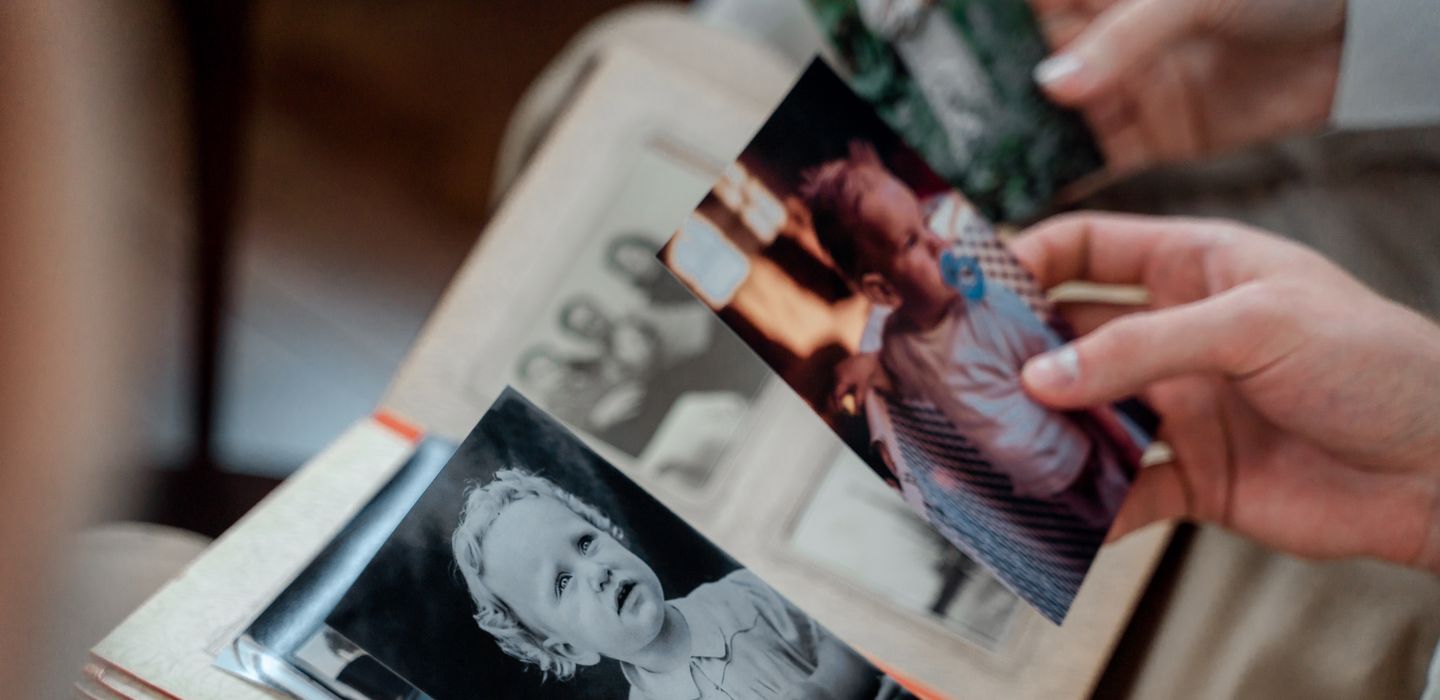
Family Photographs and Albums
Photographs are among the clearest examples of objects whose value comes from the history they preserve. Family archives research identifies photographs as important carriers of family memory and narrative. They can provide visual connections to relatives, places, and periods younger generations never experienced.
The most useful family photographs are not necessarily the professionally framed ones. An ordinary photograph can become important when someone can identify the people in it and explain when, where, and why it was taken. That makes labeling valuable. Names, approximate dates, locations, and relationships can turn a box of unidentified photographs into a usable family record.
Handwritten Letters, Recipes and Journals

A handwritten recipe is more than instructions for preparing a meal when it contains a parent’s handwriting, a familiar annotation, or a note about who originally taught the recipe. The same principle applies to letters and journals. Their significance comes from their direct connection to a particular person and period of family history. Research on family archives describes how written and photographic materials can help preserve narratives that might otherwise be lost between generations.
These items also have an advantage over bulky household possessions: they can preserve a story without requiring much physical space.
Related: 9 Emotional Wounds Strict Parents May Have Left You Carrying Into Adulthood
Jewelry With a Family Story
Jewelry frequently appears in research on inherited possessions because it can combine monetary value, personal history, and family continuity. A 2023 study of inheritance experiences noted that inherited jewelry can carry significance beyond its financial value. The researchers described cases in which people wanted to preserve an item’s original form because it represented a chain of family relationships across generations.
That does not mean everyone will want every necklace, brooch, or ring. Taste matters. But a relatively small piece of jewelry can be easier to pass on than a large household object, particularly when its previous owners and history are known.
A Parent or Grandparent’s Watch
A watch can have a similar appeal because it is both personal and functional. Sociologist Helen Holmes found that objects passed between relatives can carry sentimental meaning while also being retained because they still perform a practical function. Her research included ordinary kitchen items, tools, clothing, and furniture.
That combination matters. An object used regularly may stay connected to family life rather than becoming something that simply occupies a display shelf.
Well-Made Furniture With History
Furniture is more complicated because of its size, but some pieces can have lasting appeal when they fit the recipient’s home and have a clear family connection. Research on inherited domestic objects shows that people actively decide whether to retain, reposition, replace, or otherwise incorporate objects from previous generations into their homes. Their meaning can depend on how well the objects fit contemporary life.
A single chair that belonged to a beloved grandparent may therefore mean more to someone than an entire matching dining suite. The practical question is important: does the recipient have somewhere to put it, and does it suit the way they live?
Quilts and Other Handmade Pieces
Handmade textiles can combine craftsmanship with family history. A quilt sewn by a grandmother, for example, may preserve both the object itself and knowledge about the person who made it. Recent research on traditional textiles describes inherited fabrics and garments as potential repositories of family memory, identity, and intergenerational continuity, although such meanings vary considerably across cultures and families.
The strongest connection is usually personal, not simply decorative. Knowing who made an item, when it was made, and why it mattered can add context that an attractive but anonymous textile lacks.
Meaningful Kitchenware and Serving Pieces
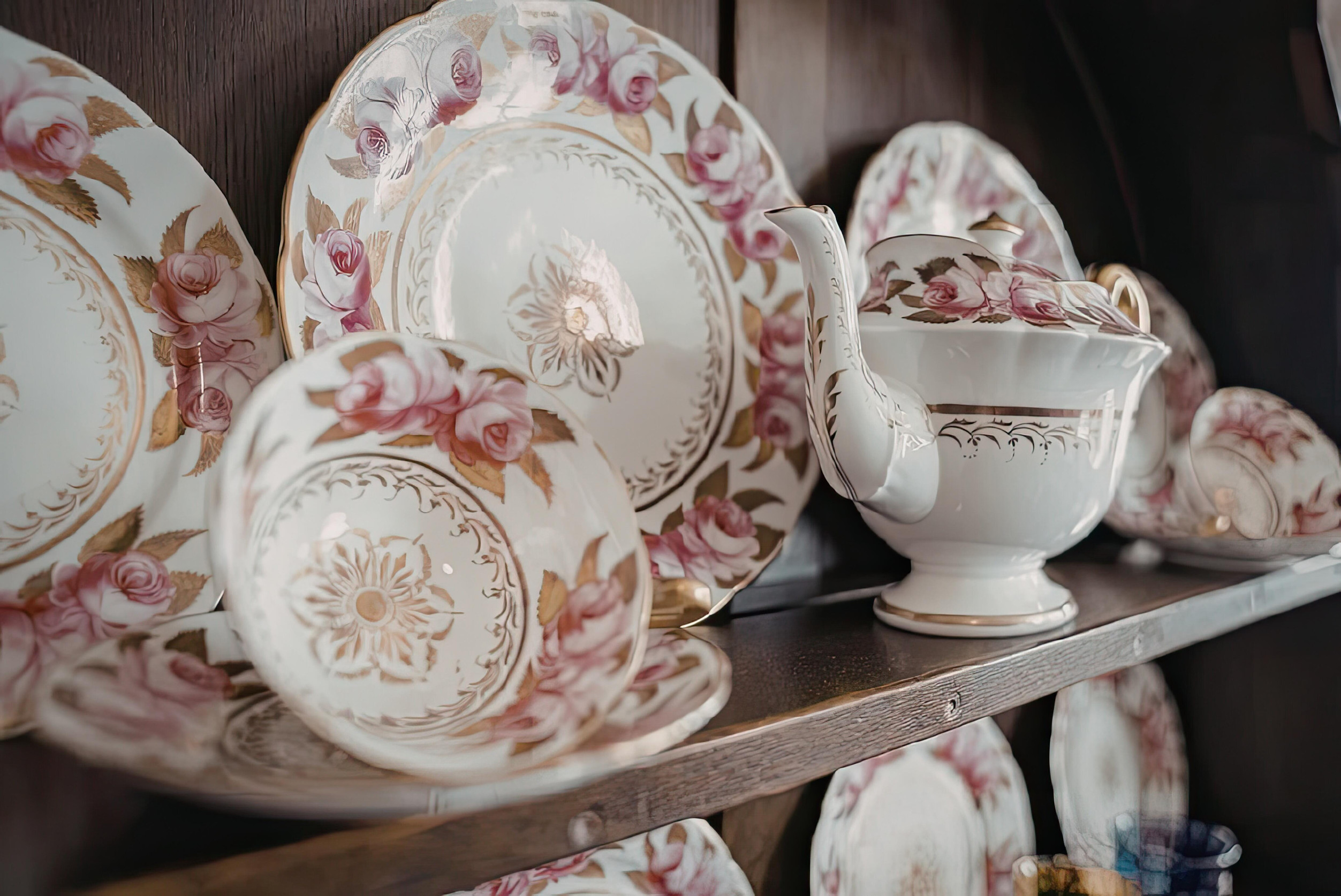
Not every inherited kitchen object needs to be valuable or antique. Holmes’s research on material possessions found that people may keep ordinary inherited objects, including kitchen utensils and cookware, because they are useful and emotionally meaningful. Continued use can help maintain a connection with the previous owner.
This may explain why a well-used saucepan or a few familiar serving spoons can last longer than an elaborate set that rarely gets used.
Related: 8 Household Items That Begin to Feel Immature After 30
Books With Personal Inscriptions
A book becomes a different kind of object when someone has written inside it. An inscription can identify a relationship, occasion, or period in family history. More broadly, research into family archives shows that objects become meaningful through the narratives attached to them, not their physical characteristics alone.
A shelf of anonymous books may not be especially meaningful to an adult child. A favorite novel bearing a grandparent’s handwriting can be another matter.
Small Objects That Carry a Specific Memory
The final category may be the broadest: small personal objects whose importance comes from a particular story. A medal, a childhood toy, a travel souvenir, a sewing box, or another modest possession may become an important family reminder if someone can explain its significance.
Objects can act as tangible links to people and events, with their meaning developing through personal experience and family narratives. The object does not have to impress anyone outside the family. Its importance can be entirely personal.
Why Some Family Treasures Become Clutter
The word “clutter” can sound dismissive when applied to another person’s possessions. Yet inheritance research recognizes a genuine tension: an object can carry emotional meaning for one person while creating practical difficulties for another. A 2023 review of inheritance research described inherited possessions as potentially meaningful but also capable of becoming “sentimental clutter” when the volume becomes difficult to manage. The study emphasized that inherited objects can have practical, sentimental, and cultural significance at the same time.
That is why an adult child declining an heirloom is not necessarily rejecting the person who owned it. Space, lifestyle, maintenance, and personal taste all influence whether an inherited object can realistically become part of someone’s life.
Related: 8 Ways to Declutter Your Home and Simplify Your Life
What Adult Children Wish Their Parents Would Do Before Downsizing
The safest approach is not to guess. Ask family members which objects matter to them. Allow them to choose rather than assigning possessions based on assumptions about what they should value.
In a qualitative study involving 50 interviews with people in Canadian families, participants described both resistance to inheritance conversations and the importance of communication in reducing uncertainty around distributing possessions. The researchers also noted that they obtained adult children’s perspectives indirectly, which limits how broadly the findings can be generalized.
The evidence points toward a more useful principle: ask the people who will eventually live with the objects.
If nobody wants a particular possession, that does not erase its history. You can photograph, record, or write down its story before you sell, donate, give it to another relative, or otherwise pass it on.
Key Takeaways

An heirloom is not successful simply because it survives another generation.
Its purpose may be to preserve a relationship, memory, family story, or piece of identity. Sometimes that requires keeping the object. Sometimes it means keeping only a small part of a collection. And sometimes the most respectful choice is to let the physical item go while preserving the story behind it.
The most useful inheritance conversation, then, may not begin with “Who gets this?”
It may begin with a simpler question: “Is there anything here that you would genuinely like to have, and do you know the story behind it?”
That question leaves room for both attachment and choice. It also recognizes something important about family heirlooms: their value is not determined by age, price, or size alone. What often matters most is whether the next person can see a meaningful connection between the object, the family, and their own life.
Other Posts You Might Like
- 10 Reasons Some Boomers Are Choosing Not to Leave Their Wealth to Millennials
- 9 Things Retired Americans Wish They Had Done Differently Before Age 60
- 6 Popular Self-Improvement Lies That Are Secretly Holding You Back
If you like what you just read, then subscribe to our newsletter and follow us on social media.


