

The post Never Delete These 7 Things From a Loved One’s Phone: The Voicemails, Photos and Texts Worth Saving first appeared on Crafting Your Home.
Before a loved one’s phone is returned, traded in, reset, or left sitting in a drawer, take a moment to consider what may be stored inside. The device may hold more than contacts and apps; it can contain a familiar voice, family memories, important documents, and small details that tell the story of a person’s life.
A phone can become an unexpected family archive. A voicemail may preserve the sound of someone’s voice. A photo may capture a moment no one else knew existed. A saved note or message thread may explain a family tradition or provide information needed later.
But preserving those memories requires care. A phone should not automatically be treated as something anyone can search or share. Access to digital accounts and communications can depend on consent, account rules, state law, and estate authority. Before making changes, families should identify who is authorized to handle the device and preserve important information carefully.
The Federal Trade Commission’s guidance for disposing of a phone is straightforward: back up important information first, remove SIM and SD cards when applicable, and erase personal information before getting rid of the device.
Voicemails and voice recordings

For many families, a person’s voice becomes one of the most meaningful digital keepsakes.
A saved voicemail, voice memo, or audio message can capture the way someone laughed, told a story, or shared a simple everyday thought. These recordings may become treasured reminders of a person’s personality and presence.
Before resetting or replacing a phone, look for:
- Voicemails from the loved one
- Voice Memo recordings
- Audio messages in messaging apps, where accessible and authorized
- Family stories, speeches, songs, or recorded memories
- Audio connected to birthdays, holidays, or special events.
The most valuable recording may not be a formal message. Sometimes it is an ordinary moment that reveals who someone was.
Photos and videos that exist nowhere else
A phone’s camera roll often contains more than the pictures people shared publicly.
Look for:
- Unsent photos
- Videos from family gatherings
- Images of handwritten notes, recipes, or keepsakes
- Pictures of old photographs and documents
- Screenshots that provide helpful context
Before deleting anything, confirm that photos and videos are actually backed up. A good practice is to keep more than one copy in more than one location, such as a secure cloud folder and an external storage device.
The photo worth saving may not be the perfect portrait. It may be the picture nobody else knew existed.
Image Credit: 8 Grandmillennial Hobbies That Bring Old School Charm Back Home
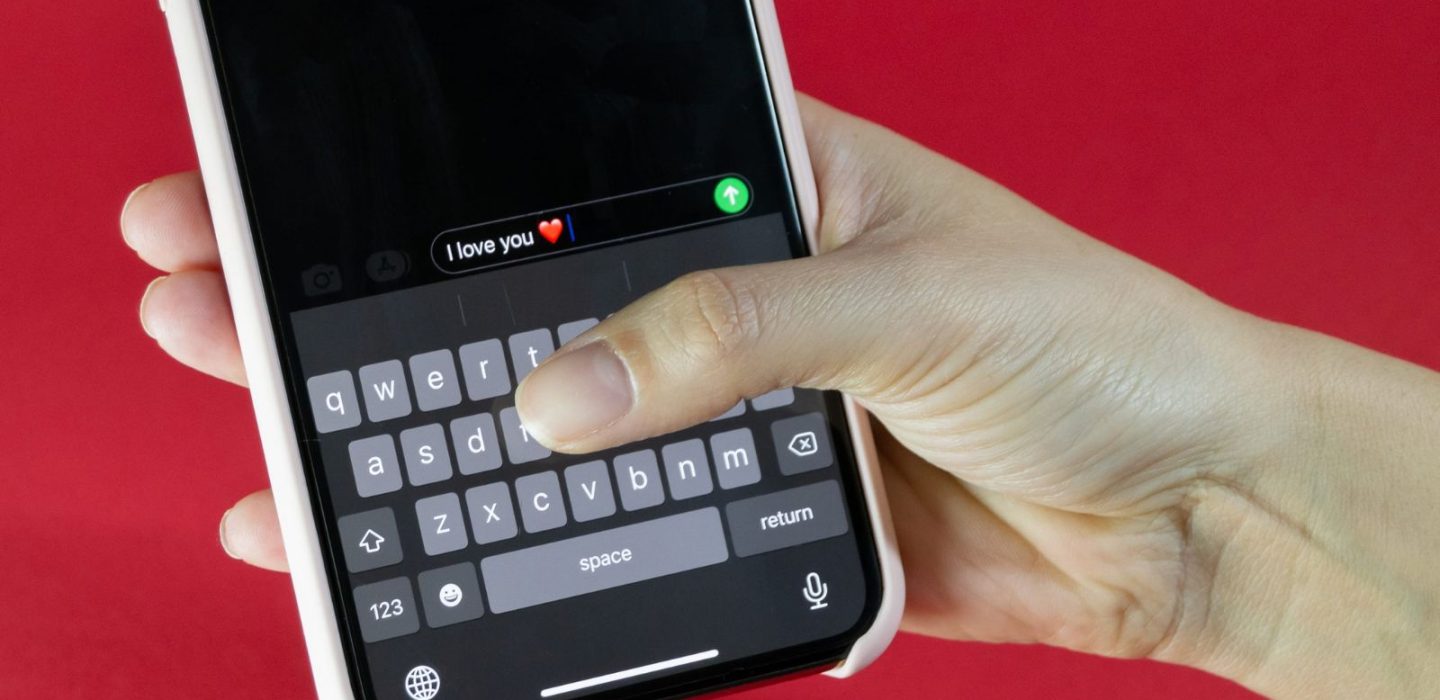
Meaningful text conversations
Text messages can preserve stories, relationships, and everyday moments.
Families may want to save conversations that include:
- Personal stories and memories
- Messages with close family members and friends
- Details explaining the history behind a photo or keepsake
- Information related to estate tasks, bills, or appointments
- Contact information for people who may need to be notified
However, text conversations involve other people’s private messages too. Before sharing screenshots or forwarding conversations, consider the privacy of everyone involved.