



This post: Why More Older Couples Are Choosing to ‘Live Apart Together’ first appeared on Crafting Your Home.
For many older adults, finding love does not always mean combining households. A growing number of couples are choosing a relationship style known as “living apart together”, where partners remain committed and emotionally connected while maintaining separate homes.
Love Without Sharing an Address

Living apart together describes couples in a committed relationship who intentionally choose to live in separate households. These couples may spend significant time together, travel together, celebrate holidays as a pair, and support each other emotionally, while still returning to their own homes at the end of the day.
Research increasingly recognizes LAT relationships as a legitimate form of partnership among older adults. Studies in several countries, including the United States, United Kingdom, Canada, and the Netherlands, have found that a small but significant number of older adults choose this arrangement. Rather than viewing LAT as casual dating, researchers describe it as a distinct type of committed relationship.
Protecting Independence After Years of Building a Life
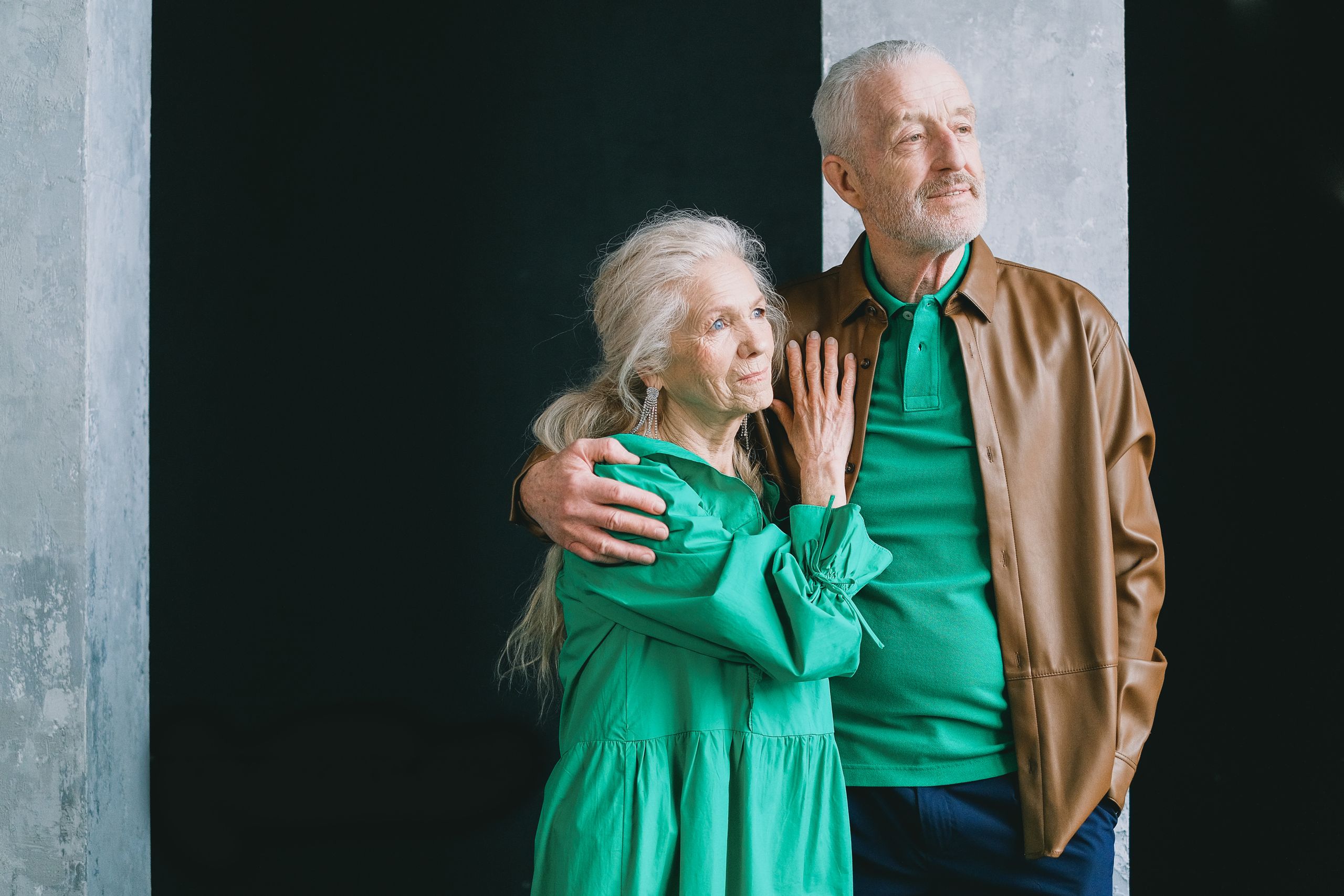
One of the biggest reasons older couples choose LAT is the desire to maintain independence. By the time people reach their 50s, 60s, and beyond, many have created lives that feel comfortable and established. They may have their own homes, close friendships, favorite routines, communities, and family commitments.
Moving in with a new partner can require major adjustments. It may mean changing daily habits, sharing personal space, combining finances, or negotiating household responsibilities. For some people, especially those who have spent years managing their own lives, keeping separate homes feels like a way to preserve the identity they have built.
Later-Life Relationships Often Come With More History

Older couples often enter new relationships with more life experience and more responsibilities than younger couples. They may have children from previous relationships, grandchildren, property, retirement plans, health concerns, and long-established friendships.
These factors can make moving in together more complicated. Some couples may want to keep their finances separate, protect assets for their children, or avoid conflicts over property ownership and retirement income.
The Emotional Benefits of Separate Homes

One reason LAT appeals to older adults is that it can provide the emotional rewards of a relationship while reducing some of the challenges that come with full-time cohabitation.
Research suggests that older adults in LAT relationships often experience emotional well-being levels similar to those of married couples or those living together. The arrangement may provide companionship and emotional security while allowing partners to avoid some daily conflicts that can arise from sharing a household.
Why Some Women Prefer This Arrangement

For many older women, LAT can be especially appealing because it allows them to protect their independence. After years of marriage or caregiving responsibilities, some women may not want to return to traditional household roles where they are expected to manage most domestic tasks.
Communication Is Still Essential
Although living apart can reduce some household conflicts, it does not eliminate the need for communication. Successful LAT couples still need to discuss important issues, including how often they spend time together, how they handle holidays, what happens during illness, and whether they expect their arrangement to change.
A New Understanding of Commitment
Living apart together reflects a broader change in how people view love and commitment later in life. For many older adults, a strong relationship does not have to mean sharing every part of daily life.
If you like what you just read, then subscribe to our newsletter and follow us on social media.


