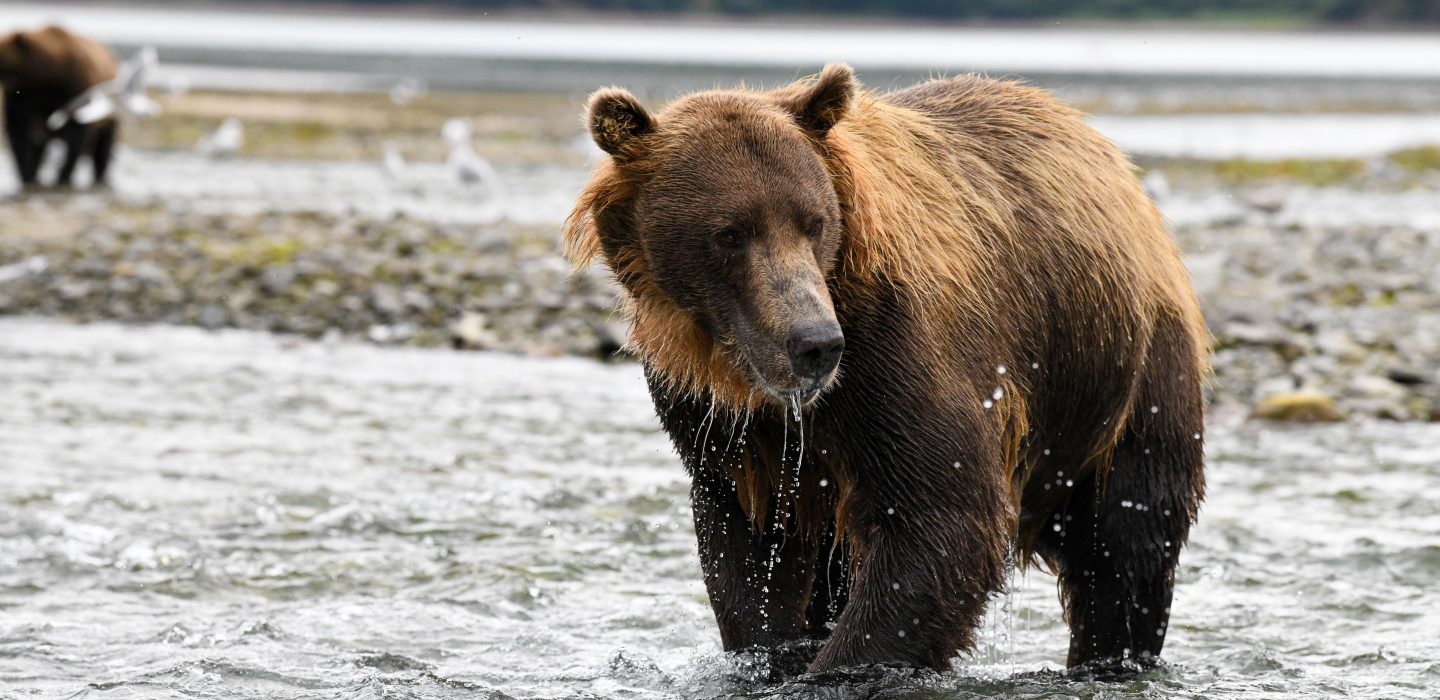
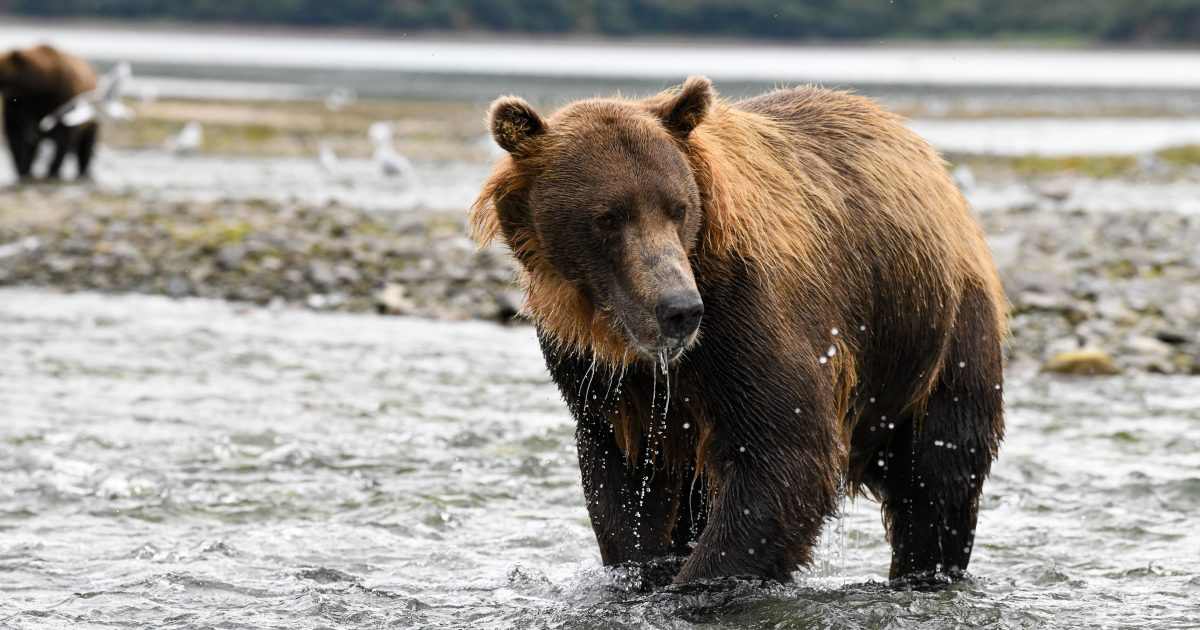
Picture this. You’re standing on a wooden viewing platform in the Alaskan wilderness. Below you, a massive brown bear stands at the edge of a rushing river, waiting patiently. Suddenly, a salmon launches through the air, the bear snaps its jaws, and click, you capture the wildlife photo of a lifetime.
That’s the dream that makes Katmai National Park and Preserve famous. But here’s the reality. Katmai isn’t a wildlife vending machine where you insert a plane ticket and get a guaranteed bear-catching-salmon moment. The magic is real, but it takes patience, planning, good weather, and respect for the animals.
Located on Alaska’s remote Alaska Peninsula, Katmai protects an enormous wilderness area shaped by volcanoes, rivers, forests, and thousands of years of human history. The park was created in 1918 after the devastating Novarupta eruption and now protects salmon habitats and one of the world’s highest densities of brown bears. Around 2,200 brown bears live across Katmai’s 4.2 million acres.
The star attraction is Brooks River, where sockeye salmon create a seasonal buffet that brings bears together. This is why photographers, travelers, and livestream viewers around the world know Katmai’s name. Abundant salmon, protected habitat, predictable bear gathering areas, and carefully designed viewing platforms create a rare opportunity to watch wild bears safely.
Why Katmai’s bears are so impressive
Image Credit: A G /Pexels
Katmai’s bears are brown bears, the same species as grizzlies. In Alaska, the difference is mostly about geography. Coastal bears are often called brown bears, while inland animals are commonly called grizzlies. Coastal bears like those in Katmai can grow larger because they have access to rich food sources, especially salmon.
Salmon is the real superstar of this story. Bears gather at Brooks River not because they enjoy posing for visitors. They are there because salmon provide a huge energy reward before winter. Catching fish efficiently helps bears build the fat reserves they need to survive.
At Brooks Falls, some bears claim prime fishing positions where salmon movement gives them the best chance of success. Other bears may fish downstream at places like the Riffles or move toward lower river areas later in the season when salmon become easier to find. The famous waterfall scene is just one chapter in a much bigger feeding strategy.
When should you visit
Timing matters, probably more than many travel advertisements admit. July is the classic Katmai postcard month. Sockeye salmon are actively moving through the river, and bears are often visible fishing around Brooks Falls. During peak periods, visitors may even see more than 25 bears at the falls. But July is also the busiest month, with long waits at the viewing platform.
September offers a different experience. Bears are often larger and heavier after months of feeding, and many move toward lower river areas to eat salmon that have spawned. You may see plenty of bears, but the famous bear catching a jumping salmon at the waterfall scene is less likely.
August can surprise visitors because Brooks River may be quieter. The salmon and bears are simply in a different stage of the seasonal cycle. A summer trip does not automatically mean nonstop waterfall action.
Getting there is part of the adventure
Image Credit: A G /pexels
Katmai feels remote because it is remote. Most visitors reach Brooks Camp by small floatplane or boat. The usual gateway is King Salmon, often reached by commercial flight from Anchorage, then transferred to a floatplane or air taxi. You do not have to join a guided tour.
Independent travelers can arrange transportation, lodging, or camping on their own. However, everyone must complete the required bear safety orientation before exploring. Tours mainly simplify logistics. They do not guarantee better weather, shorter waits, or more bear sightings.
Planning ahead is essential. Limited flights, lodging, campground spaces, platform capacity, and changing weather conditions all affect availability. July trips especially require early preparation.
The rules that keep everyone safe
Katmai works because visitors and bears have boundaries. The main rule is simple. Stay at least 50 yards (46 meters) from bears. Visitors must also avoid getting close to bears using concentrated food sources such as salmon areas.
The viewing platforms protect both humans and wildlife. Visitors are asked not to cheer at bears, use flash photography, or behave like they are watching a performance. These animals are wild, not actors waiting for applause.
If a bear comes near, the goal is not a better photo. It is calm behavior. Rangers advise visitors not to run, but instead to speak calmly and slowly back away until the bear resumes normal activity.
The Instagram lesson
The famous Katmai photograph hides a lot of behind-the-scenes reality. That perfect image requires the right salmon movement, the right bear, the right position, good light, and a photographer who has waited patiently. A visit to Katmai is not about collecting proof that you won wildlife photography.
The real reward is watching an ancient seasonal rhythm unfold. Bears competing for food, mothers making careful choices, salmon completing their final journey, and an ecosystem working exactly as nature designed it. Katmai can deliver an unforgettable bear encounter, but the wilderness decides the schedule. And that unpredictability is exactly what makes it special.
Shally Akoth is a writer whose work has been featured on NewsBreak and MSN. She specializes in trending news, entertainment, lifestyle, and human-interest stories, creating engaging content that informs and connects with readers.