

The post U.S. Residents Can Still Visit National Parks Free on Two More Days This Fall first appeared on Crafting Your Home.
U.S. residents still have two opportunities this fall to visit National Park Service sites without paying an entrance fee. The remaining 2026 fee-free dates are October 27, Theodore Roosevelt’s birthday, and November 11, Veterans Day.
The National Park Service says these fee-free dates apply to NPS sites that normally charge an entrance fee. However, “free” applies to admission only. Timed-entry reservations, camping, tours, parking, and other charges may still apply at individual parks. Beginning in 2026, the fee-free benefit is limited to U.S. citizens and residents; non-U.S. residents are subject to regular entrance and applicable nonresident fees.
For travelers planning a fall trip, the two dates also fall during a period when conditions vary considerably across the country. Some parks are known for autumn foliage, while others offer cooler desert temperatures, wildlife viewing, or seasonal access to areas that can be difficult to visit during summer.
The Two Remaining Fee-Free National Park Days
The first remaining date is October 27, 2026, which the National Park Service designates as Theodore Roosevelt’s birthday. The second is November 11, 2026, Veterans Day. The NPS lists both as fee-free entrance days in 2026.
The program covers entrance fees at participating NPS sites, not every possible expense associated with a park visit. For example, an entrance fee may be waived while a campground, guided tour, reservation, or timed-entry charge remains payable. Visitors should check the official page for their chosen park before traveling, as requirements and operating conditions differ.
10 National Parks to Consider for a Free Fall Visit
Great Smoky Mountains National Park
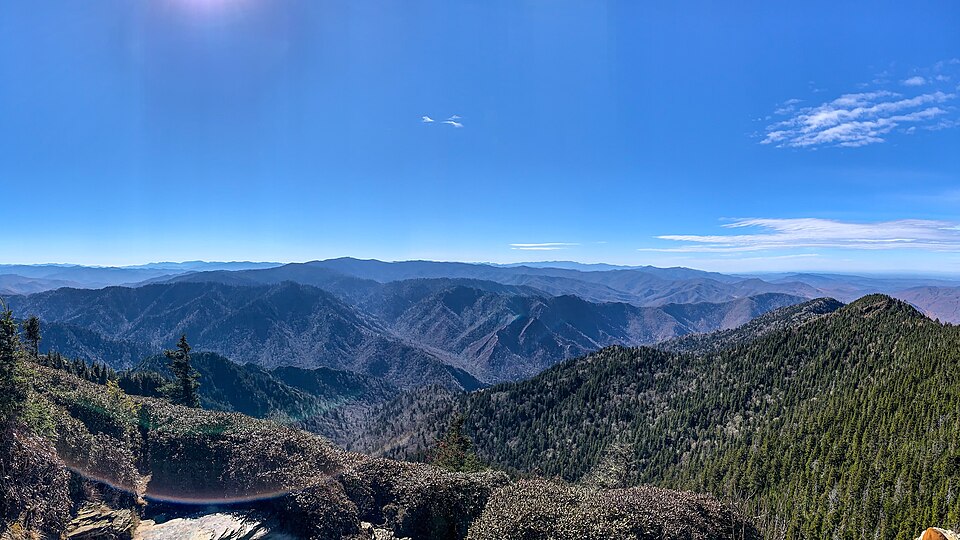
For travelers specifically looking for fall foliage, Great Smoky Mountains National Park is one of the most obvious places to consider. The National Park Service says the park’s autumn color season develops over several weeks, moving from higher elevations toward lower valleys.
At elevations above 4,000 feet, color commonly develops from early to mid-October. At lower and middle elevations, the most brilliant displays often occur from mid-October into early November, although the exact timing changes from year to year. October is also the park’s busiest month, and the NPS warns that traffic can significantly increase travel times.
Visitors can consider scenic drives such as Cades Cove Loop Road, Foothills Parkway, and Roaring Fork Motor Nature Trail, along with numerous fall hiking routes. Because popular areas can fill quickly, the park recommends having an alternative plan.
Related: 6 Most Beautiful National Parks to Visit in the United States
Shenandoah National Park
Shenandoah National Park is another option for travelers interested in autumn color. The NPS describes its typical fall season as running from late September through November, with daytime temperatures averaging about 49°F to 60°F.
The park’s long north-to-south geography and changes in elevation mean that foliage conditions can vary considerably from one part of Shenandoah to another. The NPS also notes that fall weekends can bring large crowds and that campground demand is high. Checking current foliage and weather information before a trip is therefore particularly useful.
Acadia National Park
Maine’s Acadia National Park is another fall destination, particularly for visitors interested in changing foliage and coastal scenery. The National Park Service says fall weather in Acadia is variable, with temperatures typically ranging from about 30°F to 70°F.
The park also reports that its peak fall color generally arrives around mid-October. That means October 27 may fall after the usual peak, although foliage timing varies and visitors should check current conditions rather than rely on a fixed calendar date.
Rocky Mountain National Park
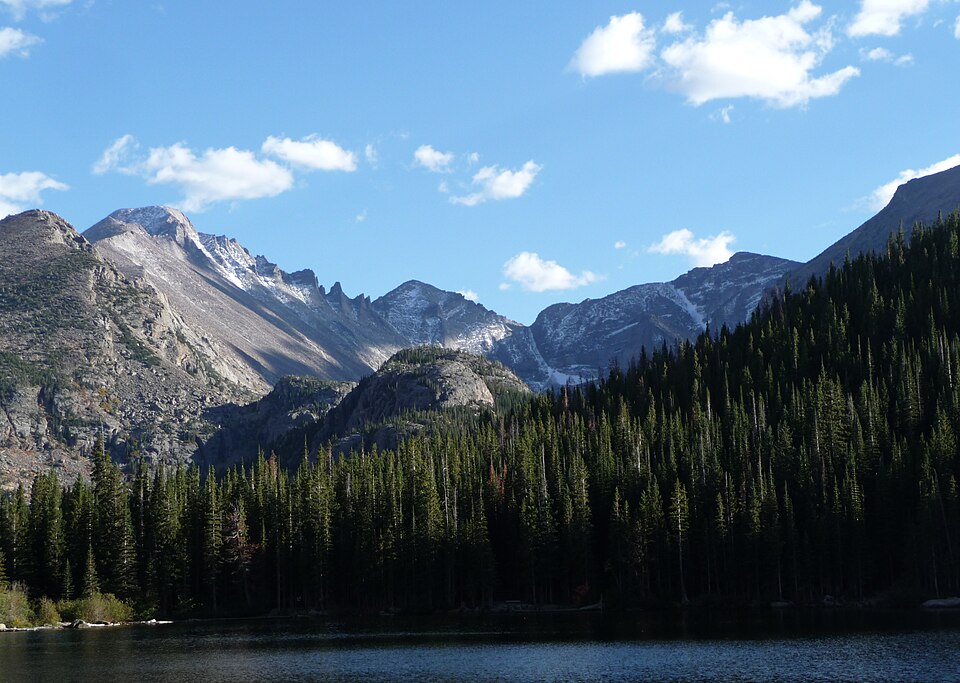
Rocky Mountain National Park offers a different type of fall experience, combining changing aspens, mountain scenery, and elk activity. The NPS describes September and October as months with crisp conditions, though early snow can occur.
Aspen leaves begin changing around mid-September, and the elk rut generally begins in September and continues through most of October. Visitors should also watch seasonal road conditions. Trail Ridge Road usually closes for winter by mid-October, so don’t plan an October 27 visit around access to that road.
Related: More Families Are Trading Pricey Day Trips for Something Closer to Home
Zion National Park
Zion can be an option for visitors who want autumn scenery without planning around peak summer conditions. According to the NPS, October and November bring cooler conditions, while fall colors begin at higher elevations before moving toward Zion Canyon in late October and early November.
The park’s shuttle system remains important during this period, although service becomes less frequent as the season progresses. The NPS also says visitation begins to decline in November. Visitors should check the latest shuttle schedule and park conditions before setting out.
Grand Canyon National Park
The Grand Canyon can provide a very different fall experience because temperatures vary significantly by elevation and location. At the rims, the NPS says average highs generally drop from the 60s°F in September to the 50s°F by November.
That makes late October and November substantially different from the hotter summer period, but conditions can still vary between the South Rim, North Rim, and lower elevations. Travelers should check which facilities, roads, and services are open before choosing an itinerary.
Yellowstone National Park
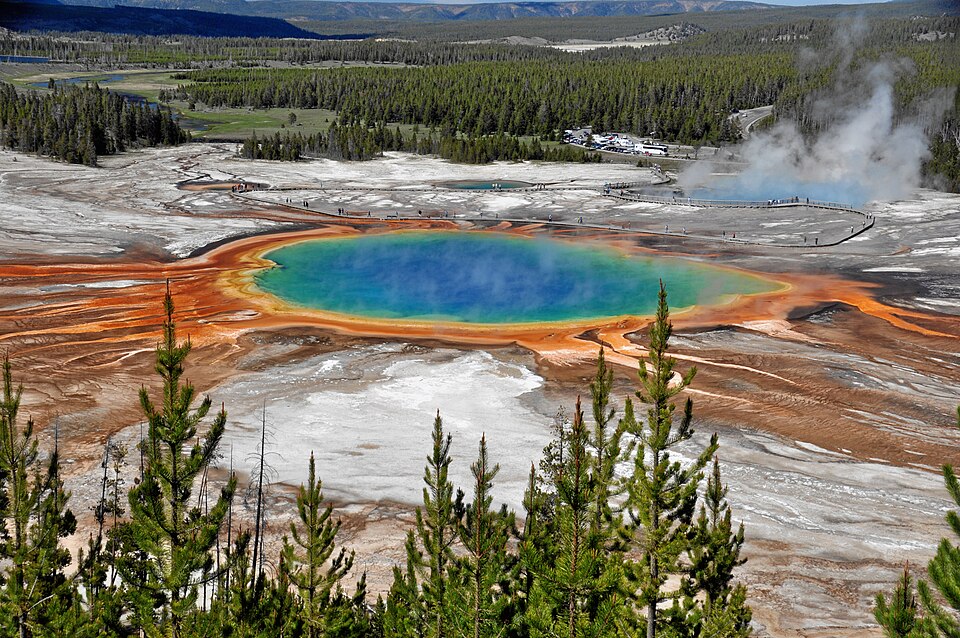
Yellowstone can be appealing in October, but it requires more seasonal planning. The NPS describes October as moderately busy and notes that colder weather begins to arrive, with snow becoming increasingly common at higher elevations.
Wildlife viewing remains one of the activities the park suggests in October, while fall color can be seen below 7,000 feet. However, road access changes as winter approaches. The NPS says Dunraven Pass and the Beartooth Highway typically close around mid-October, so visitors should not assume that every route will remain accessible on October 27.
Related: 8 Breathtaking American Escapes That Feel Worth the Journey
Arches National Park
For a desert-focused fall trip, Arches National Park in Utah offers a different alternative to the foliage destinations in the eastern United States. The NPS says spring and fall temperatures are more comfortable than summer, when daytime temperatures often exceed 100°F.
Arches is normally open year-round, although it can be busy between March and October. The park recommends entering before 8 a.m. or after 3 p.m. to avoid some traffic. Its visitor center also moves to fall hours in November.
Joshua Tree National Park
Joshua Tree is another desert park where fall can be a practical time to explore. The NPS says temperatures are generally more comfortable in fall and spring, with typical fall highs around 70°F to 85°F and lows around 50°F.
The park is open 24 hours a day year-round, and entrance reservations are not required. However, the NPS warns that weekends and holidays from October through May can bring crowds, limited parking, long lines, and full campgrounds.
Everglades National Park
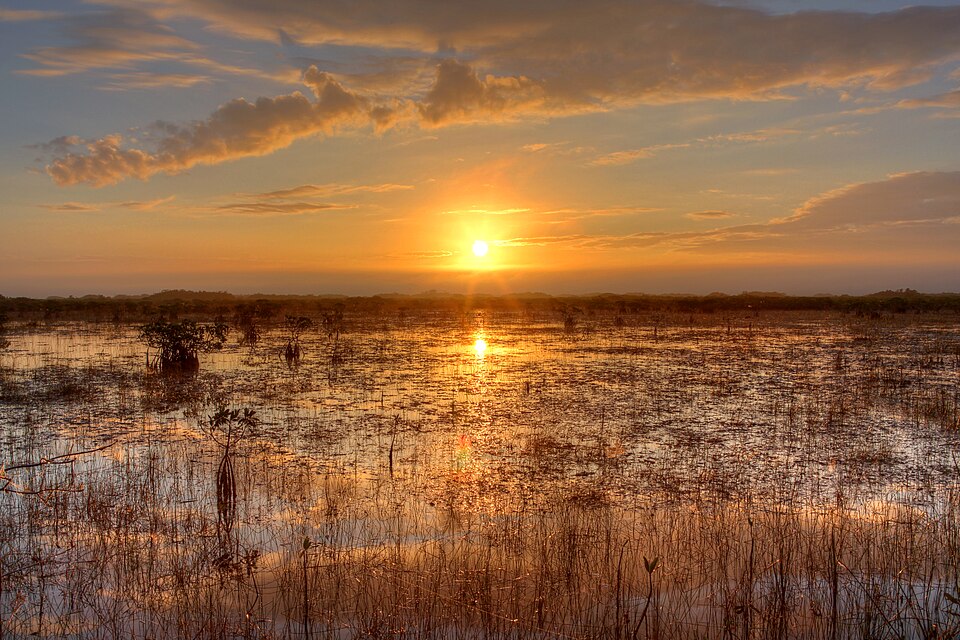
For a November 11 trip, Everglades National Park offers a warmer alternative. The park operates year-round, but November marks the beginning of its dry season according to the NPS’s seasonal operating information.
The dry season brings lower humidity and generally cooler conditions than the wet season. The park’s dry-season guidance identifies November through April as a popular period and lists average highs around 77°F and lows around 53°F. Visitors should remember that the park’s three main entrance areas are not interconnected, so choosing the right entrance matters when planning a visit.
Related: Vacation Spots People Love Even More During the Off Season
What to Know Before Visiting on a Free Day
A fee-free date does not eliminate the need for trip planning. Popular parks can get crowded, especially during fall weekends and peak foliage. Great Smoky Mountains, for example, identifies October as its busiest month, while Shenandoah warns that fall weekends bring large crowds.
Seasonal access is another consideration. Mountain parks can experience snow and road closures by late October or November, while desert parks may have different visitor-center schedules. Yosemite, for example, warns that October and November weather can shift rapidly and that higher-elevation roads and facilities may close as winter approaches.
Before leaving home, visitors should check the official NPS page for their chosen park for current road conditions, trail closures, weather, reservations, shuttle schedules, and operating hours. This is especially important when traveling for a single day, since admission is free.
Other Posts You Might Like
- Streets, Parks and Parking Lots Are Becoming America’s New Town Squares, and Communities Are Leading the Charge
- Why More Families Are Turning to Local Parks for Simple Everyday Escapes
- 9 Things Americans Often Do Abroad That Locals Find Rude
If you like what you just read, then subscribe to our newsletter and follow us on social media.


