


The post 15 Forgotten Purchases Boomers Once Loved first appeared on Crafting Your Home.
Remember when a trip to the store could mean picking up a roll of film, a new cassette tape, a TV Guide, or a blank VHS tape for the weekend? For millions of Americans who grew up in the postwar decades, these weren’t unusual collectibles. They were everyday purchases found in homes, cars, kitchens, and living rooms.
Baby Boomers helped make many of these products household essentials. But technology, changing lifestyles, and the rise of smartphones slowly pushed them aside. While many of these items have disappeared from shopping lists, they remain powerful reminders of a different era one filled with simple routines, patience, and family traditions.
Here are 15 forgotten purchases that can still bring back memories with just one glance.
VHS Tapes and VCRs
For many families, the VCR transformed entertainment. Movie night no longer depended entirely on what was playing on television. People could record favorite shows, rent movies, and build personal collections.
Boomers loved VHS because it gave them control over their entertainment. A family could record a holiday special, replay a favorite movie, or rent a new release from a video store.
VCR ownership exploded in the 1980s, making it a common household item. DVDs eventually replaced VHS, and streaming services later made physical movie collections less necessary. The words “Be Kind, Rewind” instantly bring back memories of video rental stores.
Cassette Tapes
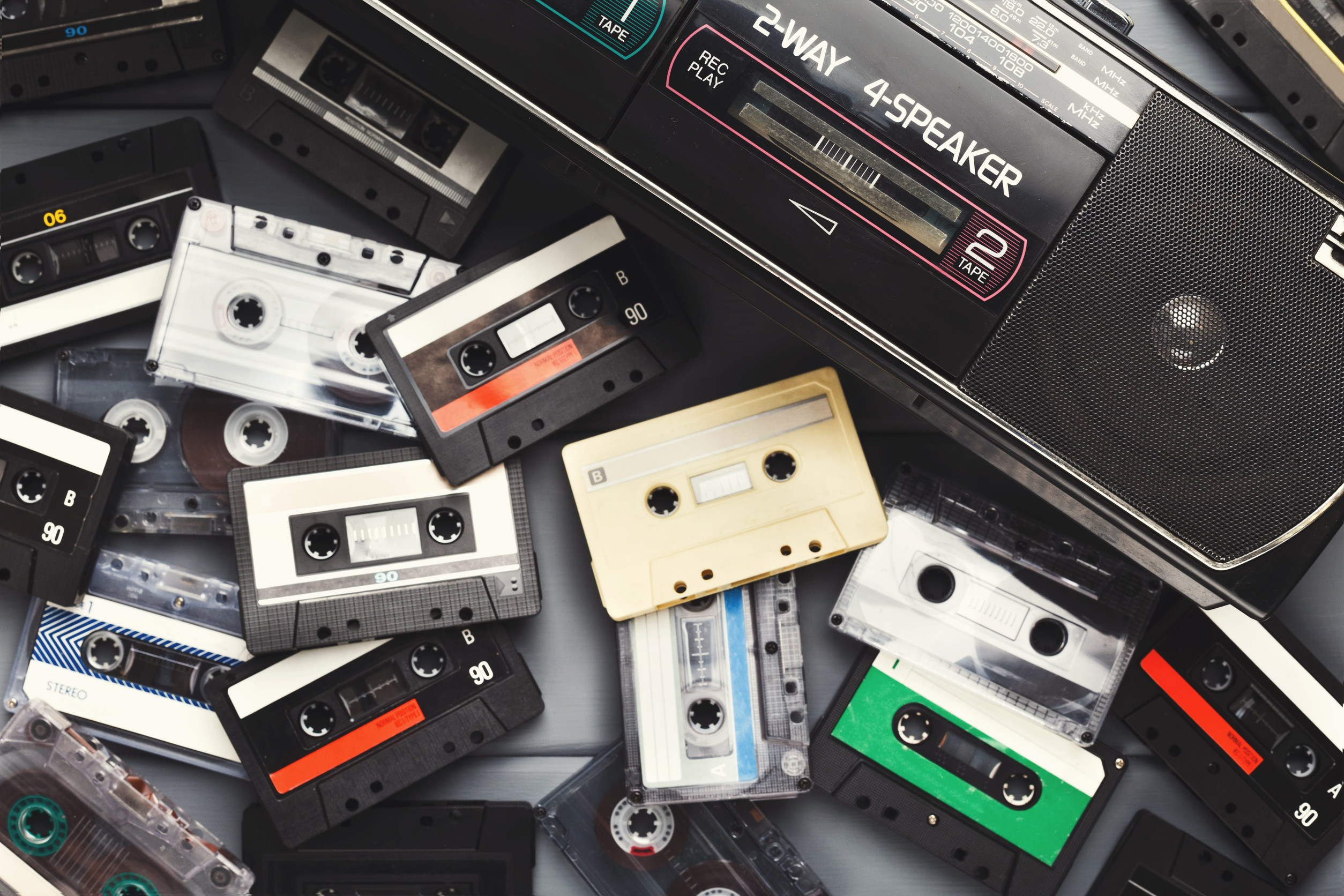
Before streaming playlists, cassette tapes were around. These small plastic rectangles carried favorite songs, radio recordings, and carefully created mixtapes.
Boomers loved cassettes because they were portable and recordable. A person could create a custom music collection and take it anywhere with a Walkman or car stereo.
Today, smartphones and streaming apps have replaced the need for physical music collections. But many people still remember the excitement of making a perfect mixtape for someone special.
8-Track Tapes
Before cassette players became popular, 8-track tapes ruled car entertainment. These bulky cartridges brought music into vehicles during road trips and family vacations.
They were especially popular in the 1960s and 1970s before smaller, more convenient cassette tapes replaced them. The sudden “click” when an 8-track switched programs was unforgettable.
Film Cameras and Rolls of Film
Taking pictures used to require planning. Families bought rolls of film, carefully selected each shot, and waited days to see the results. Because every photo cost money, people often photographed important moments like birthdays, vacations, graduations, and holidays.
Digital cameras and smartphones changed everything. Today, most people carry a camera everywhere without thinking about it. Opening a developed photo envelope and discovering which pictures turned out well was part of the experience.
Phone Books and Yellow Pages
Sears Catalogs
Printed Photo Albums
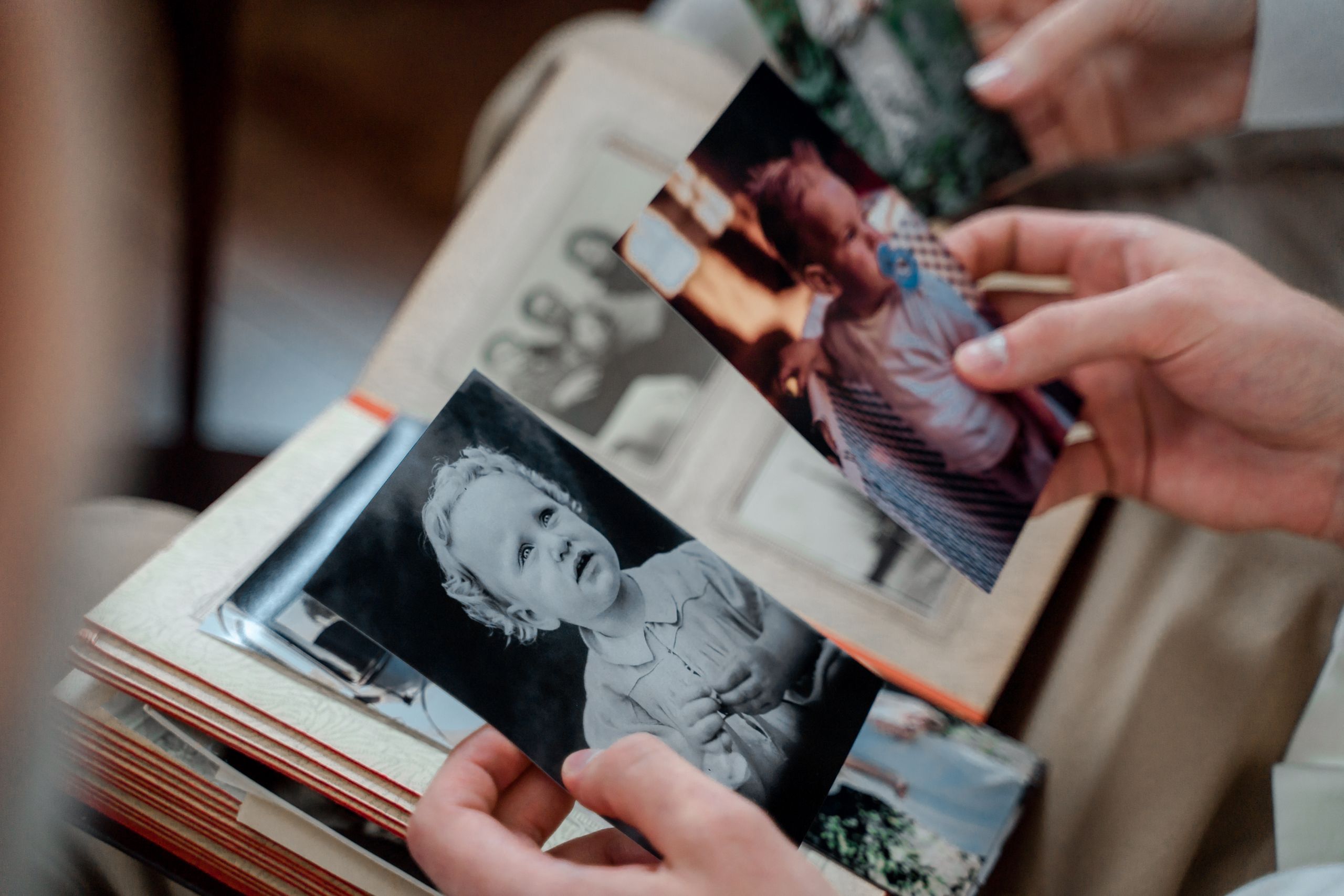
Boomers didn’t just take pictures; they preserved them. Families bought duplicate prints, organized albums, and shared memories around the coffee table. Photo albums became family history books filled with birthdays, vacations, weddings, and childhood milestones.
Digital galleries and cloud storage have replaced many physical albums, but flipping through old photographs remains a special experience.
Paper Road Maps
Before GPS, every road trip required preparation. Families kept folded maps in glove compartments and planned routes before leaving home. Paper maps gave travelers independence and encouraged exploration.
Today, navigation apps provide instant directions, traffic updates, and estimated arrival times. Refolding a giant map after getting lost was a family challenge.
TV Guide Magazine
Landline Telephones

A home phone was once a household necessity. Many homes had phones in kitchens, bedrooms, or hallways. Unlike today’s personal smartphones, one phone number belonged to the entire family. Calling someone took patience, and long conversations often happened while you were tethered to a wall or sat beside a phone table.
Mobile phones eventually replaced most traditional landlines. Picking up the phone and realizing someone else was already listening created unforgettable family drama.
Typewriters
Checkbooks
Paper Bills and Payment Envelopes
Incandescent Lightbulbs
Stand-Alone Alarm Clocks
Why These Items Still Matter
These purchases disappeared because technology improved, not because they were meaningless. Each one solved a real problem for its time: recording entertainment, preserving memories, finding directions, communicating, or organizing daily life.
What changed was not just the products themselves, but the routines built around them. Renting a movie, waiting for photos to develop, making a mixtape, or unfolding a road map created small moments that many people still remember fondly.
The next time you find an old cassette, photo album, phone book, or forgotten gadget in a drawer, take a closer look. It may not just be an outdated object; it may be a piece of everyday life from another generation.
Which forgotten purchase brings back the strongest memories for you? Do you still have one hidden away somewhere?
Other Posts You Might Like
- 10-everyday-purchases-americans-make-that-can-look-more-expensive-than-they-really-are
- 10-purchases-that-can-quietly-drain-a-retirement-budget-in-2026
- 12 useless-purchases-baby-boomers-commonly-make-in-retirement
If you like what you just read, then subscribe to our newsletter and follow us on social media.


