

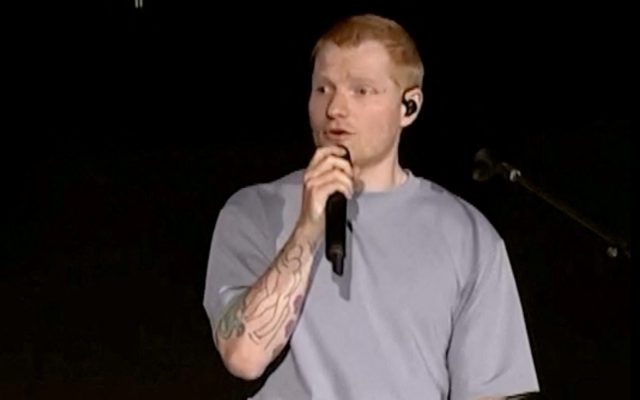
The post “I’ve had to take and make difficult decisions, and I am making mistakes. I’m so, so sorry. I don’t want to disappoint fans.” Ed Sheeran apologizes after the Macklemore Tour Dispute first appeared on Crafting Your Home.
Ed Sheeran addressed the growing controversy surrounding his U.S. tour after rapper Macklemore was removed from the remaining dates, delivering an emotional apology during a concert in Philadelphia. The moment followed days of public debate about free speech, political expression, the Israel-Gaza war, and musicians’ role in speaking about humanitarian issues. Sheeran told the audience he had faced difficult decisions, acknowledged mistakes, and regretted disappointing fans.
During his onstage remarks, Sheeran explained that he had traditionally avoided presenting himself as a political commentator. He described his concerts as spaces focused on unity and bringing people together, but he also recognized that the tour had become tied to a major global conflict. He spoke about the suffering caused by the war, describing the Hamas-led October 7, 2023 attacks on Israel as horrific and the situation in Gaza as catastrophic.
The apology came after Macklemore’s removal from the tour created strong reactions from fans, musicians, and public figures. Sheeran emphasized that he did not personally make the final decision to remove Macklemore. According to Sheeran, the tour promoter and the venues involved made the decision. He said that he had been part of discussions with different groups while trying to find a way forward, but the final outcome was determined by those responsible for the tour arrangements.
Sheeran’s comments highlighted the challenges international artists face when performing on large public platforms. A performer may want to maintain a welcoming environment for audiences from different backgrounds while also responding to serious political and humanitarian concerns. The controversy put Sheeran in a difficult position: some critics questioned whether he should have responded differently, while others recognized the complex relationship among artists, venues, promoters, and contractual obligations.
The apology did not end the debate, but it showed Sheeran attempting to address criticism directly. His response reflected the wider challenge of balancing personal beliefs, public expectations, and the practical realities of organizing large-scale concerts involving thousands of fans and many workers.
How Macklemore’s Statements Triggered the Backlash
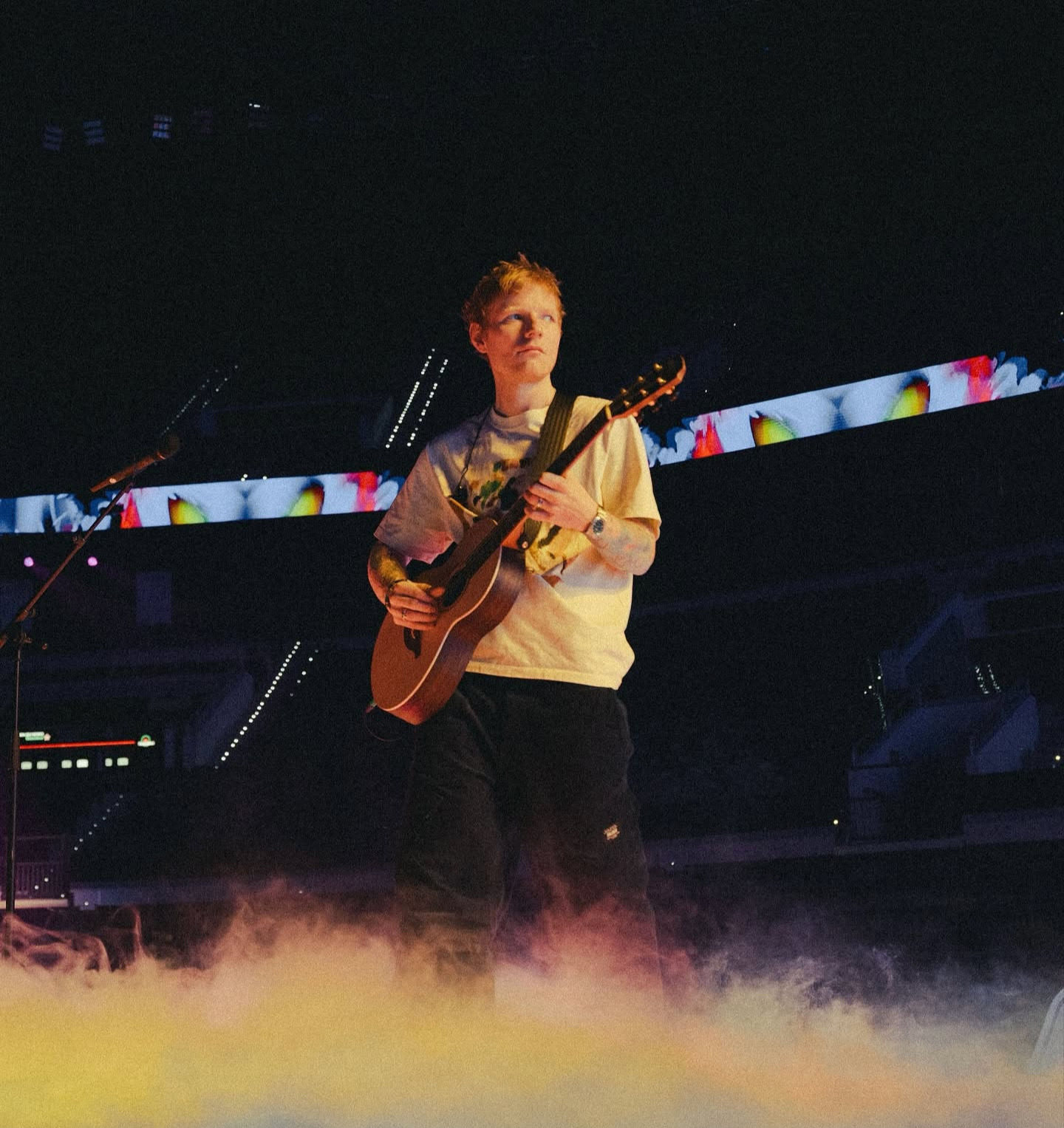
The dispute began after Macklemore used his opening performances during Sheeran’s U.S. tour to express support for Palestinians. At shows in New Jersey, Macklemore made political statements, including saying “Free Palestine,” and performed his protest song “Hind’s Hall,” which is associated with pro-Palestinian demonstrations. His comments quickly drew attention and sparked criticism from groups and individuals who objected to his message.
The reaction expanded beyond online discussion. The Israeli American Council launched a petition calling for Macklemore’s removal from the tour, while other critics argued that his statements were harmful or offensive. Some public figures also spoke against his comments. The controversy became especially significant because concerts involve many different stakeholders, including performers, promoters, venue owners, sponsors, and ticket holders.
Following these objections, Macklemore was removed from the remaining U.S. tour dates. The promoter said venues had indicated they would not allow concerts to continue with Macklemore in the lineup. The promoter also warned that cancellations could affect large numbers of fans and workers connected to the shows.
Macklemore later described the situation as a disagreement between himself and Sheeran over how artists should respond to major world events. He said they had difficult conversations that ended in fundamental disagreement, while also expressing respect for their personal relationship. He argued that speaking publicly about political issues can carry professional consequences. These statements represented Macklemore’s interpretation of events and his own perspective on the dispute.
Other performers also reacted to the controversy. Several support acts, including Aaron Rowe, Finneas, Beoga, and Lukas Graham, announced that they were withdrawing from the tour after Macklemore’s departure. Their decisions added another layer to the debate and showed how disagreements over political expression can affect relationships within the music industry.
The controversy highlighted the increasingly complicated role musicians play in public discussions. Modern artists often have global audiences with diverse viewpoints, meaning that any public statement on a sensitive issue can generate both support and criticism. The Macklemore dispute became not only a disagreement about one performer’s comments but also a larger conversation about artistic freedom, responsibility, and the expectations placed on celebrities.
What the Controversy Reveals About Artists, Politics, and Public Responsibility
The Ed Sheeran and Macklemore dispute reflects a broader debate about whether musicians should use their platforms to address political and humanitarian issues. Some artists view public advocacy as part of their responsibility, while others believe concerts should primarily provide entertainment and a place where audiences can come together despite different opinions. Sheeran said he respected Macklemore’s right to express his views but believed people could work toward peace through different approaches.
For major touring artists, decisions are rarely simple. A performer must consider freedom of expression, relationships with fellow musicians, venue agreements, financial commitments, and fan expectations. A headlining artist is connected not only to their own performance but also to crews, promoters, support acts, and local businesses that depend on successful events.
The controversy also shows how quickly celebrity decisions can become global conversations. In the age of social media, audiences often judge not only what artists say but also when they say it, how they respond to criticism, and whether their actions match their public statements. A single decision about a concert lineup can tie into wider discussions about values, identity, and social responsibility.
Sheeran’s apology tried to explain his position while acknowledging people’s frustration. He did not present himself as an activist musician, but he also recognized the importance of discussing human suffering and conflict. His response showed how difficult it is to maintain a neutral public image when global events intersect with entertainment spaces.
Ultimately, the dispute highlights the tension between personal expression and public responsibility in the entertainment industry. Artists today often face pressure to respond to major issues, but their choices can produce disagreement among fans, colleagues, and communities. The debate surrounding Sheeran and Macklemore shows how music, politics, and public expectations increasingly intersect in ways that can affect careers and conversations worldwide.
Other posts you might like
If you like what you just read, then subscribe to our newsletter and follow us on social media.


