

The post Here’s Why Women Must Exist for a Religious Institution to Last first appeared on Crafting Your Home.
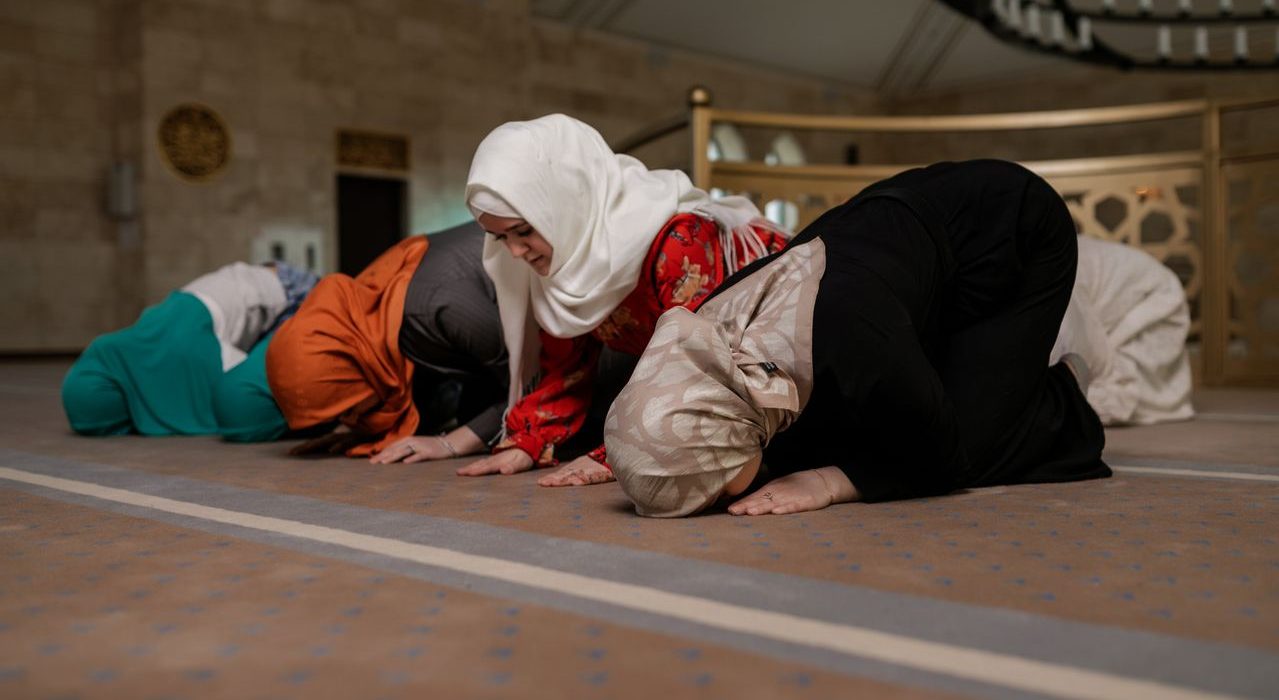
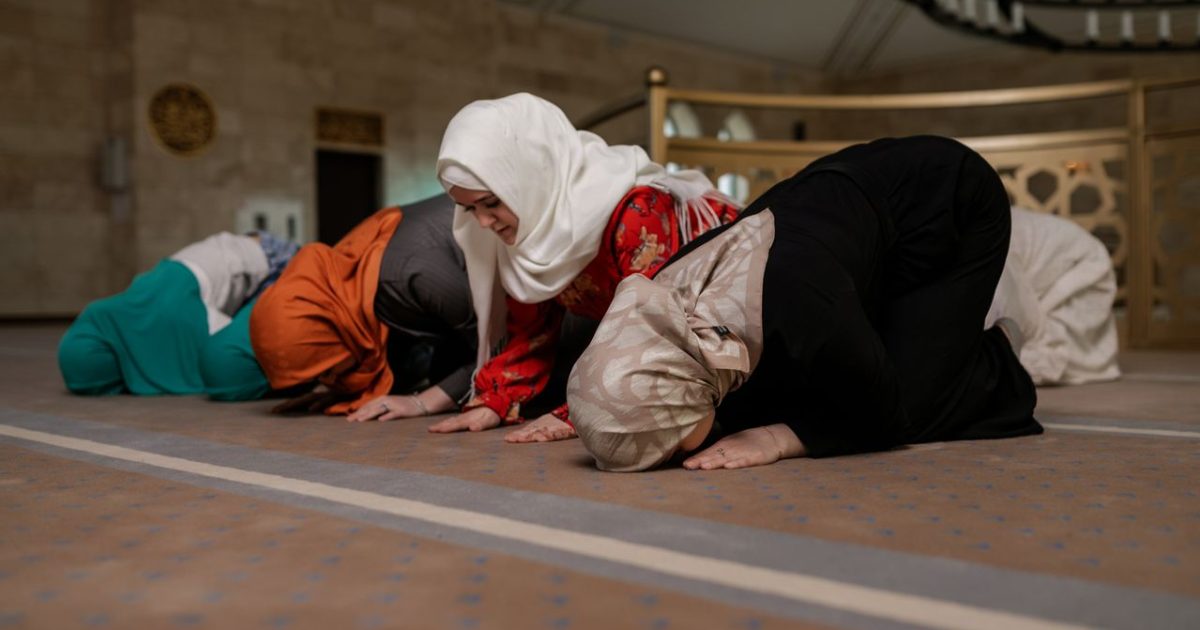
American congregations have long drawn more participation from women than men, even as Wokeism emerges at greater rates among women.
Pew Research Center found that 40% of American women attend religious services weekly, compared with 32% of men. In comparison, 60% of women say religion is very important in their lives, compared with 47% of men.
Globally, Pew’s analysis of censuses and surveys across 192 countries found that 83.4% of women identify with a religious group, compared with 79.9% of men, a difference that amounts to roughly 97 million more religiously affiliated women worldwide.
Institutions built on male authority are, statistically, sustained by female membership. That contradiction rarely makes it into a sermon.
A research group put a number on the dependency
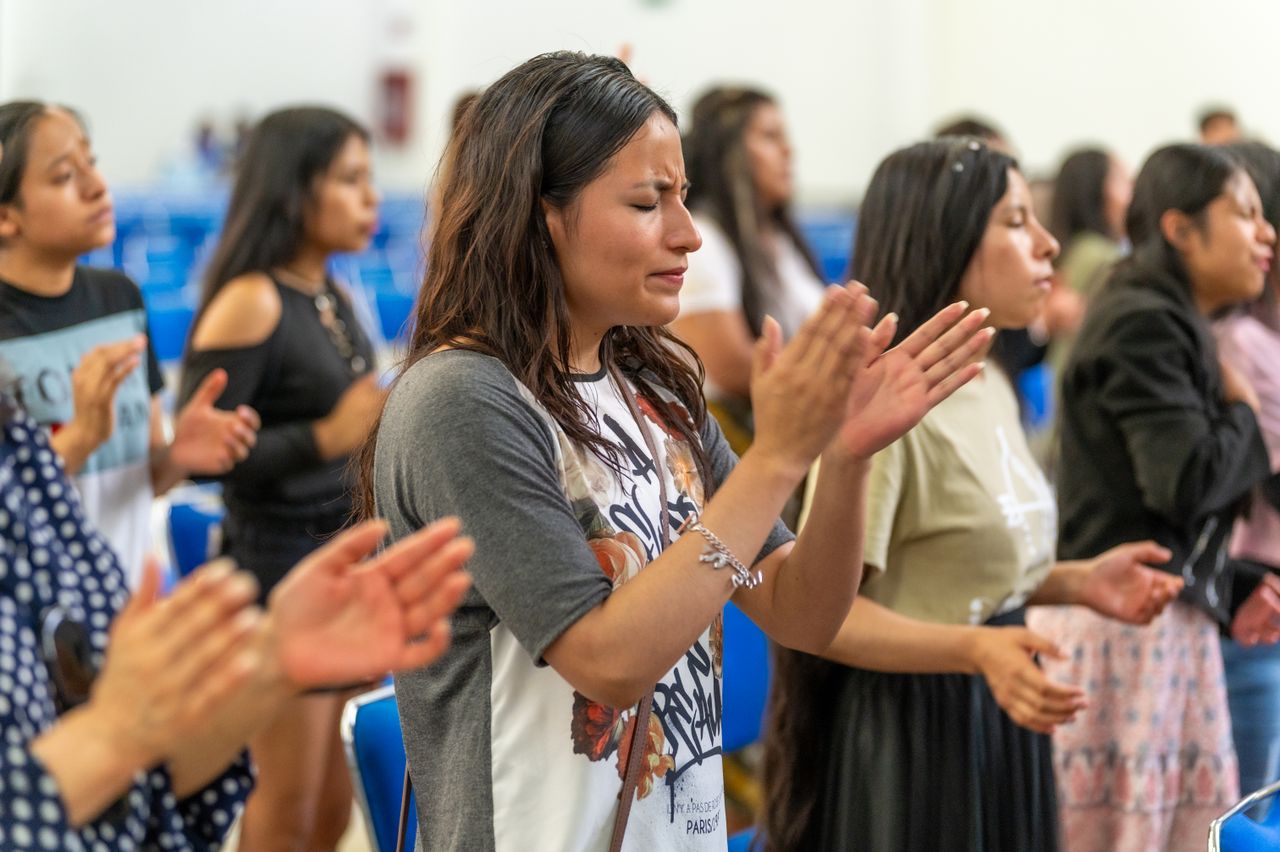
Barna Research Group went further than attendance counts.
Its survey found the United States would have nearly 60% fewer Christians without women, since women are considerably more likely than men to identify as born again, roughly 11 million to 13 million more women than men by that measure. Barna president George Barna described women as typically emerging as the primary, sometimes only, spiritual mentor inside a family.
Spiritual continuity, by that account, runs through mothers and grandmothers, not through the institution’s official leadership chart.
The unpaid engine room keeps the lights on
Attendance is the visible layer. Beneath it sits labor that rarely appears on a budget line. A Lifeway Research survey of women’s ministry leaders found that 83% work unpaid, and 86% have no formal theological training, despite running programs that reach large shares of a congregation.
Even in churches with more than 500 attendees, only 29% of women’s ministry leaders held paid full-time roles, another 24% were paid part-time, and 46% received nothing.
Someone is teaching the children, coordinating the meals for grieving families, and running the small groups. Lifeway’s numbers say that someone is overwhelmingly a woman, and overwhelmingly not on payroll.
Devotion measured in hours, not doctrine
Barna’s data breaks down what that devotion looks like in practice. Women were 33% more likely than men to volunteer for a church, 29% more likely to read scripture, attend, and share their faith with others, and 23% more likely to give financially.
Sociologists Marc Musick and John Wilson, in their book Volunteers, describe this kind of labor bluntly: work admired as a person’s character but devalued as an economic contribution, because society assumes anything worth doing gets paid for.
Care work, in other words, gets a compliment instead of a paycheck, whether it happens at home or in a fellowship hall.
Where the pattern actually reverses
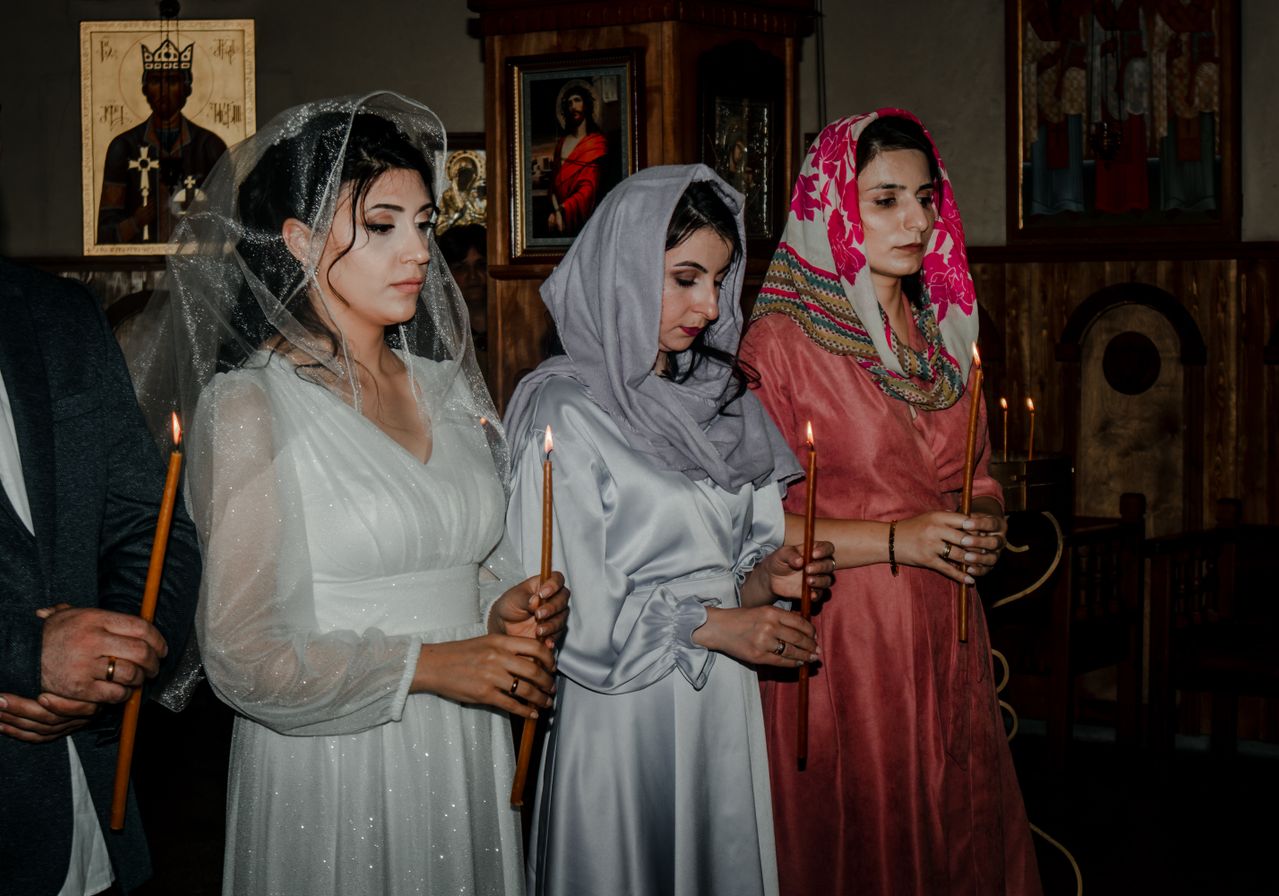
Crediting women as religion’s universal backbone flattens a picture that is more complicated once faith traditions are separated out.
Pew’s global research found that among Muslims and Orthodox Jews, men attend services more often than women, with an average 28-point gender gap favoring male attendance across 39 countries studied for Muslim populations specifically. Religious norms that prioritize men’s public worship attendance, rather than universal female devotion, explain the reversal.
The rule holds mainly inside Christian-majority contexts. Elsewhere, gender and religious participation follow a different logic entirely, built around who the tradition formally obligates to show up.
Related: Countries Where Religion and Politics Are Inseparable: 10 Powerful Case Studies We Can’t Ignore
The generational floor is dropping out
None of this is fixed.
Public Religion Research Institute found 43% of American women under 30 now identify as religiously unaffiliated, closing in on parity with young men, whose overall religious identification sits at 58% against 57% for young women, according to Pew.
Political scientist Melissa Deckman has argued the shift tracks a collision between younger women’s values and the traditional gender roles that many conservative congregations still promote.
An institution that quietly depends on female labor to function is watching the generation best positioned to supply that labor exit at a faster rate than at any point Pew has measured.
Leadership still lags behind reliance
Hartford Institute for Religion Research’s Charissa Mikoski notes that women still make up roughly 60% of active congregation members nationally, even as their overall religious identification softens.
That share has not translated into proportional authority. Formal ordination, senior pastoral roles, and denominational leadership remain concentrated among men in most of the traditions these same women fill the pews for.
Institutions have been willing to accept women’s time, tithes, and children’s ministry hours while restricting how much say those same women get over doctrine or budget.
The uncomfortable trade the data describes
Put plainly, several major American faith traditions have relied for decades on women for much of the attendance, unpaid volunteer work, and transmission of religious beliefs across generations.
Yet leadership and institutional authority in many of these traditions have remained disproportionately concentrated among men.
Pew’s numbers show that arrangement was never a minor detail; it was closer to the operating model.
PRRI’s numbers on Gen Z suggest that model is now being tested by the first generation of women less willing to accept it without change.
Other Posts You May Like
- How Secular Societies Keep Traditions Alive Without Traditional Religion
- 12 Common Misconceptions About World Religions—and the Nuance Behind Them
If you like what you just read, then subscribe to our newsletter and follow us on social media.


