

The post Ed Sheeran Makes His Stage Return After Macklemore Was Cut and Other Acts Pulled Out first appeared on Crafting Your Home.
Ed Sheeran’s Loop Tour became the center of a major debate after Macklemore was removed from the remaining U.S. dates following political statements made during his opening performances. The dispute quickly expanded beyond one performer’s participation and raised broader questions about freedom of expression, venues’ roles, and artists’ responsibilities in large-scale entertainment events.
The controversy began during Macklemore’s performances at MetLife Stadium in East Rutherford, New Jersey, on September 4 and 5, 2026. During his set, Macklemore expressed support for Palestinians, said “Free Palestine,” discussed the situation in Gaza and the occupied West Bank, and performed his song “Hind’s Hall” while images of destruction in Gaza appeared on stadium screens. His comments drew both support and criticism, increasing pressure over his involvement in the tour.
Following the performances, the Israeli American Council launched a petition calling for Macklemore’s removal. Robert Kraft, who owns Gillette Stadium and is connected with the Massachusetts venue where the tour was scheduled to appear, said Macklemore would not perform there. Kraft described the performance as involving what he considered hate speech and argued that some of Macklemore’s statements and previous imagery had offended Jewish people.
Messina Touring Group, the promoter of the U.S. leg of the tour, later stated that venues had informed the company they would not allow concerts featuring Macklemore. According to reports, the promoter said keeping him on the lineup could have resulted in cancellations affecting hundreds of thousands of fans. Macklemore was subsequently removed from the remaining U.S. performances.
The decision created a larger conflict because other artists connected to the tour withdrew. Aaron Rowe, Beoga, Lukas Graham, and Finneas announced they would no longer participate, with several saying they were leaving in solidarity with Macklemore and in opposition to what they viewed as the silencing of political expression.
The Debate Over Political Messages at Concerts
At the heart of the dispute is whether artists should use entertainment platforms to express political views. Macklemore argued that speaking about Palestinian suffering was a humanitarian issue and should not be interpreted as hostility toward Jewish people. During his second MetLife Stadium appearance, he stated that criticism of Israel or opposition to actions described as apartheid or genocide was not criticism of Jewish people.
Macklemore also argued that artists sometimes face professional consequences for taking public positions on controversial issues. After his removal, he said that taking a stand could affect an artist’s money, sponsorships, festivals, relationships, and access to opportunities. He maintained that remaining neutral was not possible when dealing with what he viewed as oppression.
Supporters of Macklemore and the artists who withdrew viewed the situation as a question of free expression. They argued that performers should be able to discuss political and humanitarian issues, especially when those issues involve human suffering. Some critics of the decision focused on the influence of wealthy venue owners and questioned whether business interests should determine which messages artists can share publicly.
However, supporters of Macklemore’s removal argued that concerts should remain welcoming spaces for all audiences. Critics of his performance said that some Jewish and pro-Israel attendees felt targeted by his remarks. Elan Carr, chief executive of the Israeli-American Council, argued that Macklemore’s statements had no place in a concert environment because they made some audience members feel unwelcome.
The disagreement reflects a broader challenge facing modern entertainment: artists increasingly use public platforms to address political issues, while venues and organizers must consider audience reactions, business concerns, and safety responsibilities.
Ed Sheeran’s Response and the Future of Stadium Touring
Throughout the controversy, Ed Sheeran said Macklemore’s removal was not his personal decision. Sheeran said the promoter, not him, decided to remove Macklemore from the tour. He explained that Macklemore’s agreement was with the promoter and said he had spent time communicating with venues to find a solution.
Sheeran also addressed the wider conflict between Israel and Palestine, saying that the suffering caused by the conflict represented a human tragedy. At the same time, he explained that he does not use his concerts as political forums because his audiences include people from many backgrounds, including children. He described his role as creating a space of safety and enjoyment rather than political debate.
The singer also emphasized his responsibility to fans, crew members, musicians, and workers involved in the tour. He argued that canceling performances would affect many people who depend on concerts for their livelihoods.
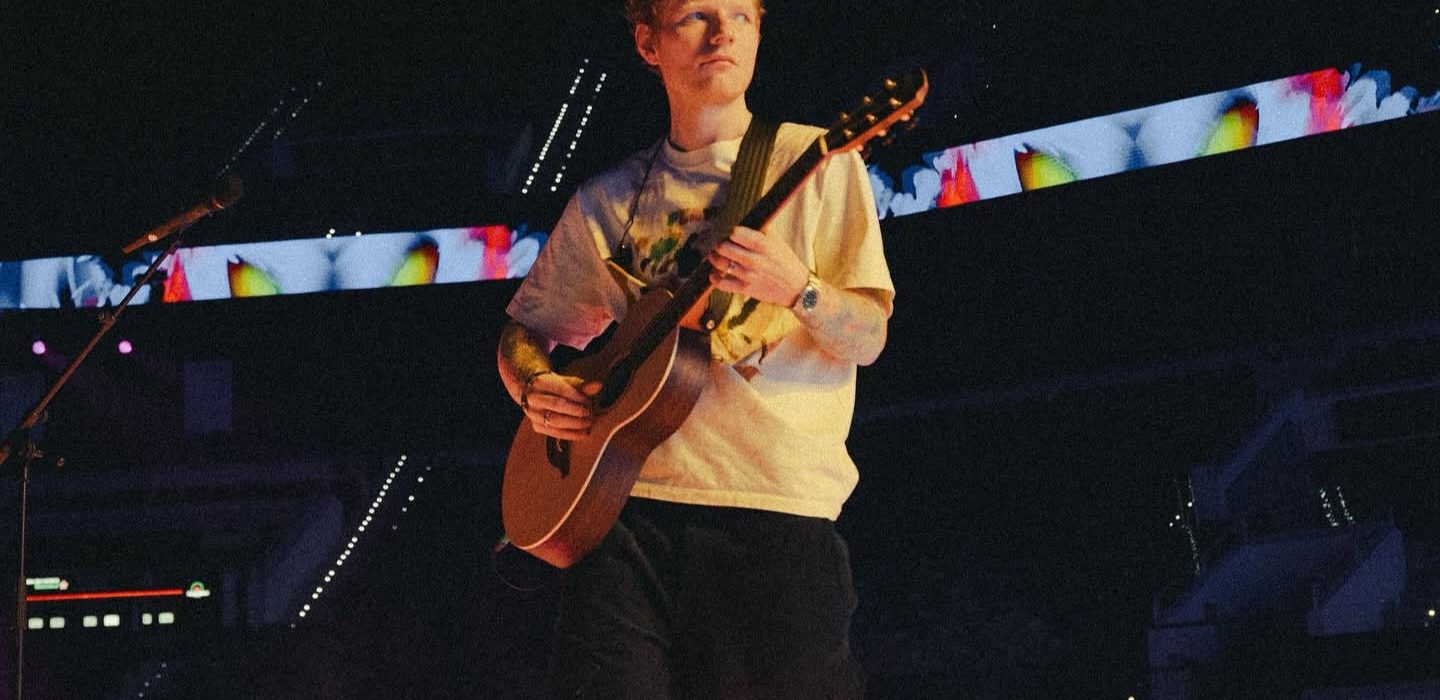
The Philadelphia concert scheduled for September 19, 2026, represented Sheeran’s first return to the stage after the dispute. At that point, no replacement opening acts had been publicly announced, and it remained unclear whether the show would include new performers or whether Sheeran would perform without additional support acts.
The controversy highlights the complex structure behind major stadium tours. Although a headline artist may represent a tour’s public image, many other organizations influence whether an event can proceed, including promoters, stadium operators, sponsors, production teams, and business partners.
Ultimately, the dispute between Macklemore, Sheeran, venues, and fellow performers demonstrates the difficult balance between artistic freedom and the expectations placed on large entertainment events. Supporters of Macklemore emphasize the importance of allowing artists to speak about global issues, while supporters of the removal emphasize the responsibility to maintain inclusive spaces for audiences.
The situation also raises questions for the future of live music. Promoters may need clearer agreements on political statements, performer responsibilities, and venues’ authority over tour lineups. As artists continue to use their platforms to discuss social and political issues, conflicts like this may become increasingly common in the entertainment industry.
Other posts you might like
- celine-dions-paris-comeback-is-more-than-a-concert-its-a-celebration-of-style-emotion-and-resilience
If you like what you just read, then subscribe to our newsletter and follow us on social media.


