The post Soybeans, Corn, and Wheat Tariffs Could Drop Before Trump and Xi’s September 24 Meeting first appeared on Crafting Your Home.
American farmers are watching a narrow window.
Five days before President Donald Trump hosts Chinese President Xi Jinping in Washington on September 24, negotiators from both governments are quietly working through the details of a tariff rollback that could reach three of the country’s largest export crops before harvest season peaks.
A fentanyl dispute created the tariff that farmers now want gone
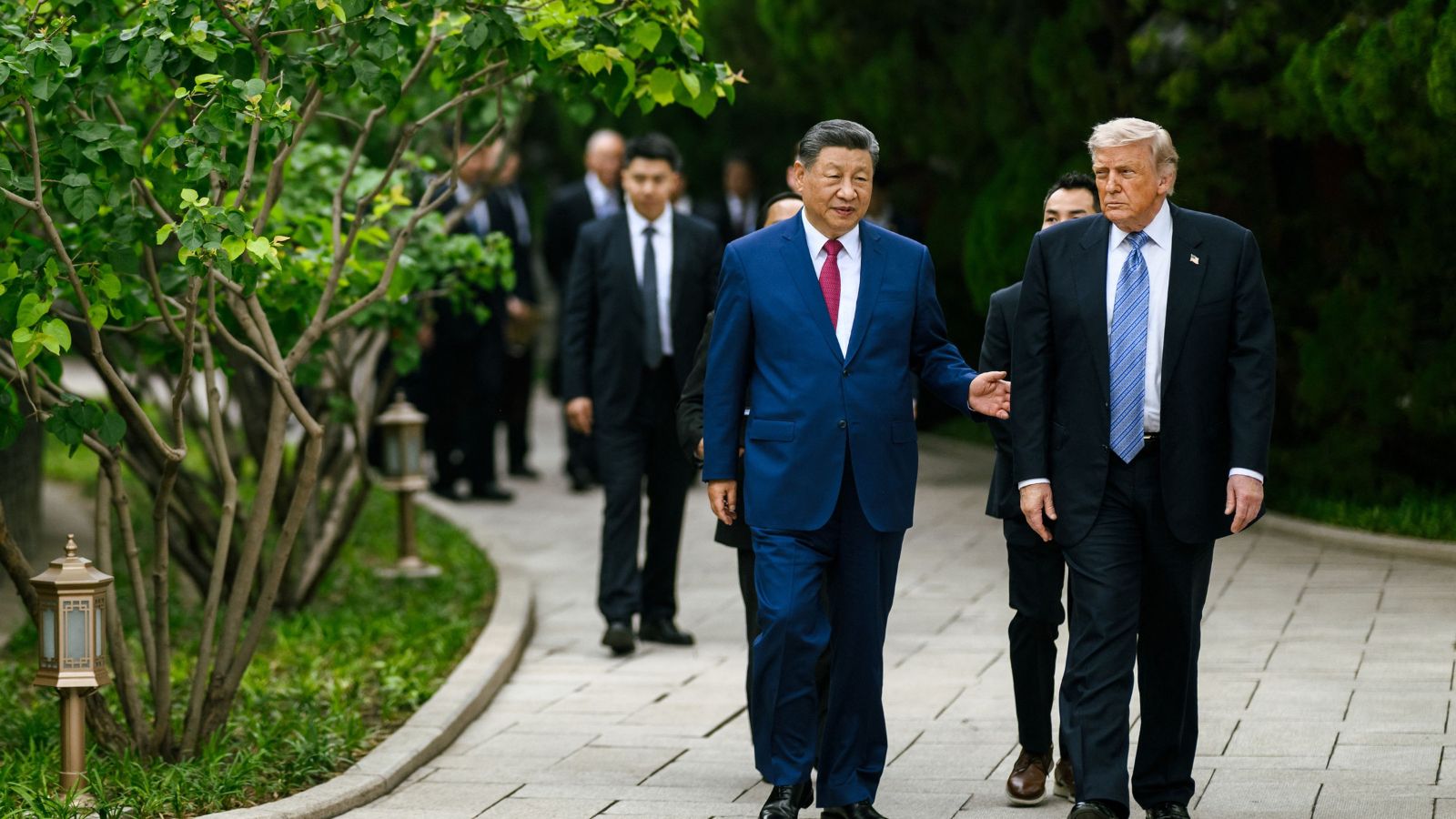
The tariff at the center of this week’s talks did not start as an agriculture policy. Under the reciprocal deal reached in July 2026, Beijing agreed to remove its 10% retaliatory tariffs on U.S. soybeans, corn, and wheat after Washington withdrew a separate 10% levy linked to fentanyl precursor chemicals.
That timing is not accidental. It lines up with the seasonal window when Brazilian soybean supplies typically tighten, giving US exporters a narrow competitive opening just as harvest accelerates across the Midwest.
Cabinet-level talks are setting the table before the leaders sit down
Treasury Secretary Scott Bessent is set to meet Chinese Vice Premier He Lifeng in New York City this weekend, with US Trade Representative Jamieson Greer also expected to join, ahead of the September 24 summit in Washington.
US Trade Representative Jamieson Greer has said announcements on agriculture and non-tariff barriers are expected to accompany Xi’s visit, which the White House has said will include a state dinner.
Those sub-summit talks matter because leader-level meetings rarely produce technical tariff schedules on their own. Career negotiators tend to draft the framework first, leaving Trump and Xi to finalize or announce it.
Purchases are already running ahead of the political calendar
China committed last year to buying 25 million tonnes of US soybeans annually through 2028, layered on top of a separate pledge worth at least 17 billion dollars a year in additional agricultural purchases.
As of mid-September, Chinese state-owned buyers had already passed the halfway mark on this year’s soybean commitment, based on trade reporting checked against USDA export data.
Chinese buyers picked up roughly 1 million metric tons of US soybeans in a single week this month, accelerating a buying pace that has made soybeans a rare pocket of cooperation inside a relationship still strained by technology restrictions and rare earth disputes. Yet the purchasing is lopsided.
State-owned firms have driven most of the recent buying. At the same time, private Chinese crushers have largely stayed on the sidelines, still favoring Brazilian beans for their higher protein content even where tariff relief could narrow the price gap.
Farm groups and lawmakers are pressing the administration this week
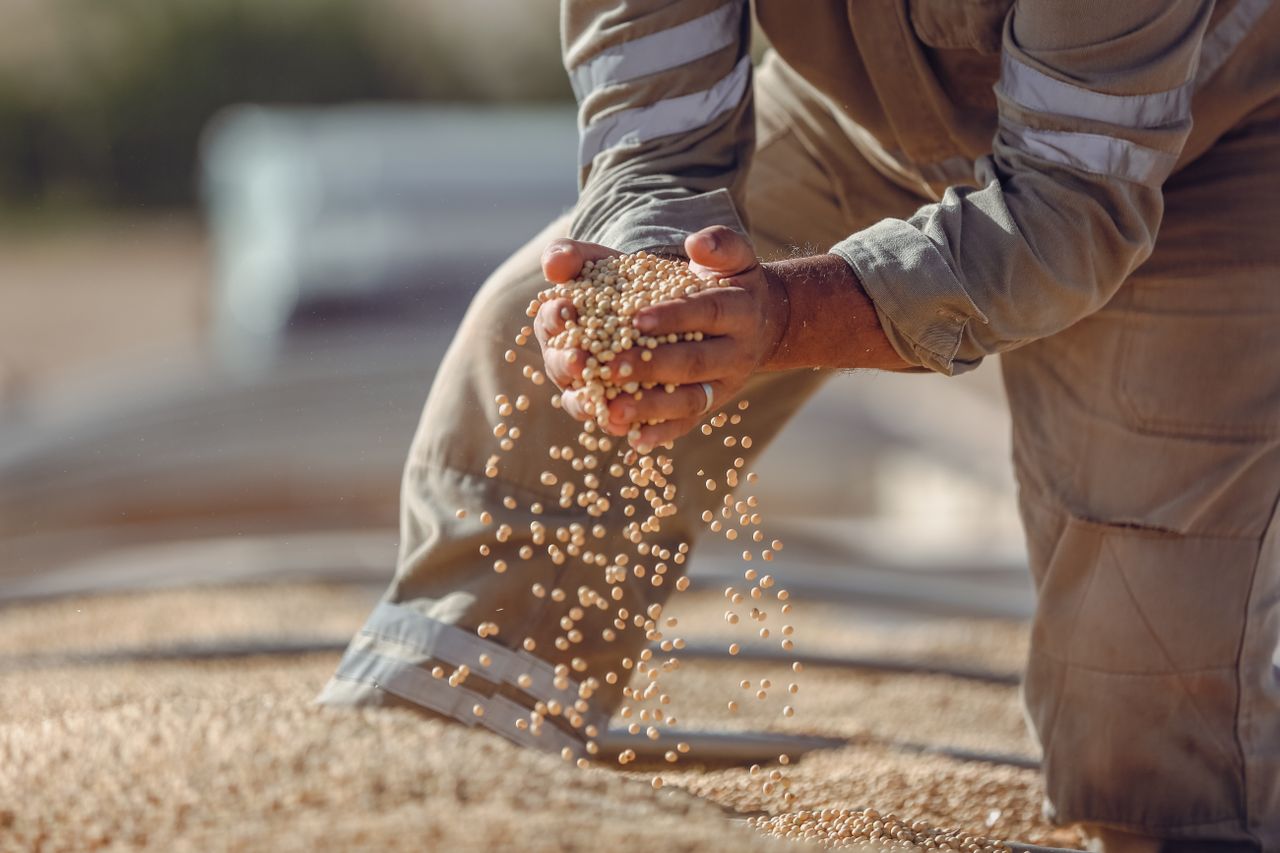
The American Soybean Association sent a letter to Trump on September 17 urging his administration to ensure China fulfills its purchase commitments and to address the 10% tariff directly. ASA President and Ohio soybean farmer Scott Metzger said soybean farmers need consistency and predictability in one of the industry’s most important export markets.
Representative Don Davis sent a separate letter to Trump on September 15, urging him to seek a verifiable, structured timeline for China’s soybean purchases. Davis also called for the removal of the additional 10% tariff on soybeans, which he said had pushed Chinese commercial buyers toward suppliers in South America.
The letter, addressed directly to the president ahead of the summit, is among the clearest congressional markers of what lawmakers want out of September 24.
Related: Diesel Prices Are Up 61% This Year, Squeezing Farmers Right Before Harvest
Skeptics note that pledges and delivered cargoes are not the same thing
Not every signal points toward a clean resolution. Analysts caution that purchase commitments differ from signed, delivered shipments, and that structural preferences among Chinese crushers will not disappear overnight even if tariffs fall.
A formal agriculture announcement tied to a leader-level summit would carry more weight than the incremental, cargo-by-cargo purchases seen through the summer, because it would signal whether Beijing intends to treat the 25 million tonne pledge as a floor rather than a ceiling for the next three years.
The broader truce expiring in November looms over everything
China’s Foreign Minister Wang Yi said the two countries need to overcome obstacles to high-level exchanges, a comment that captures how fragile the run-up to the summit remains.
The wider US-China tariff truce, first struck at a Busan summit on October 30 last year, is set to expire on November 10, and multiple reports indicate both sides expect to extend it to align with the US midterm elections on November 3.
Agriculture is unlikely to dominate the summit’s public agenda. AI safety and the ongoing war in Iran are expected to draw more attention, and Xi’s visit marks his first trip to the US capital in eleven years.
But for soybean, corn, and wheat growers watching prices ahead of harvest, the tariff decision buried in this broader diplomatic package may matter more than anything said at the state dinner.
Other Posts You May Like
- Trump Announces He’s Scrapping the 10% Tariff on Irish Whiskey
- Canadian Grocers Are Ditching US Products as Buy Canadian Movement Grows
If you like what you just read, then subscribe to our newsletter and follow us on social media.