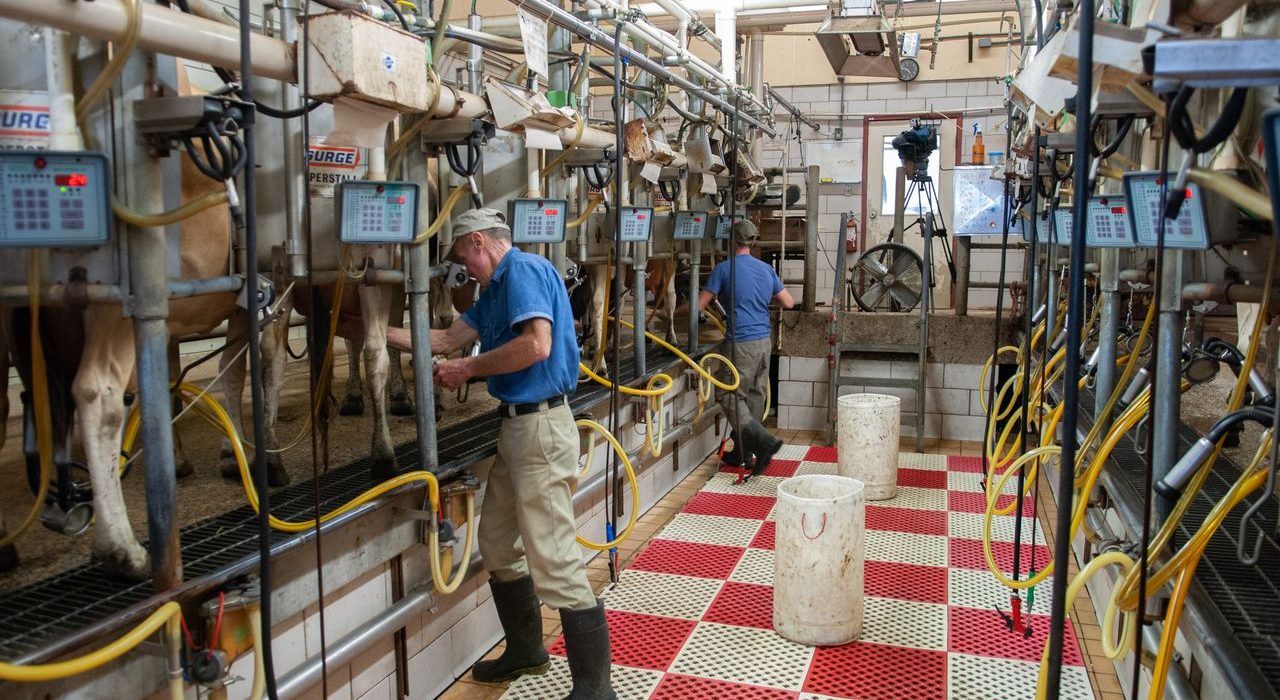

The U.S. Department of Agriculture moved this week to strip climate and sustainability spending from the dairy checkoff program. This decision traces back to a Wisconsin courtroom and now touches the wallets of dairy producers nationwide.
A lawsuit becomes a policy shift
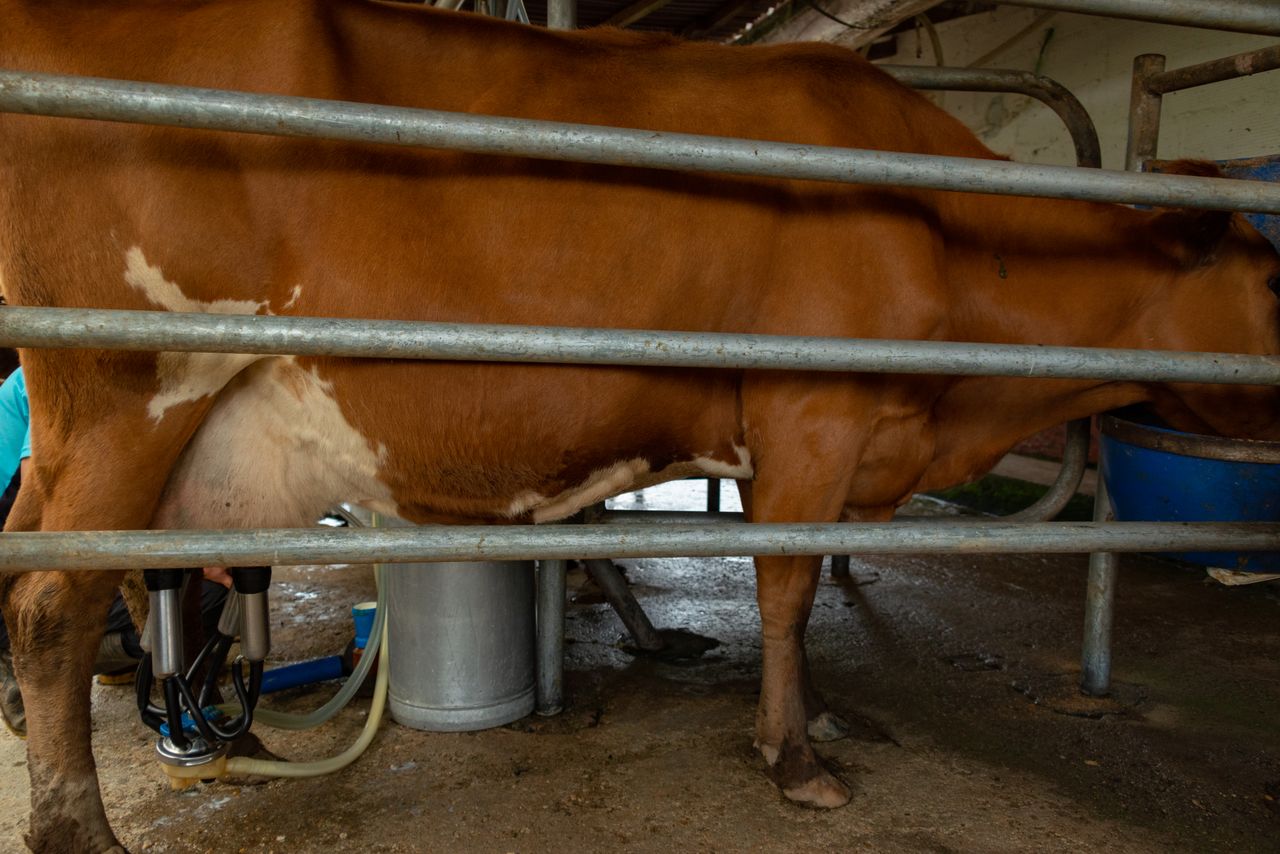
On September 17, Agriculture Secretary Brooke Rollins directed the department to end dairy checkoff funding for Environmental, Social, and Governance initiatives and redirect the money toward conventional market promotion. The move follows a federal lawsuit filed three months earlier by the Wisconsin Institute for Law & Liberty on behalf of three dairy farmers, and it lands as an administrative response rather than a court order.
Abby Swan of Westfield, Adam Faust of Chilton, and Christopher Baird of Ferryville brought the case, Swan et al. v. Rollins et al., in the U.S. District Court for the Eastern District of Wisconsin on June 9.
Their complaint argued that mandatory checkoff assessments were bankrolling a private ideological agenda the farmers themselves never agreed to fund, a claim WILL framed as a First Amendment violation involving compelled speech.
What the checkoff was built to do
Congress created the dairy checkoff system through the Dairy Production Stabilization Act of 1983, authorizing mandatory producer assessments for promotion, research, and nutrition education.
Over four decades, those dollars built one of agriculture’s most closely watched marketing programs, expanding demand for cheese, milk, and dairy exports well beyond what individual farms could achieve alone.
Independent economists at Texas A&M University later found that checkoff-funded promotion increased demand for the products it advertised, and that the profit gains flowing back to producers outweighed what the program cost them.
That finding gave the checkoff structure institutional credibility for years, even as new spending categories crept into its budget.
Where the money had drifted
The Innovation Center for U.S. Dairy, an organization established through checkoff funding, had pursued a slate of ESG-related commitments, including greenhouse-gas reduction and net-zero targets.
Specific initiatives named in the farmers’ lawsuit included the U.S. Dairy Net Zero Initiative, Pathways to Dairy Net Zero, and the FARM Environmental Stewardship program.
None of those efforts existed in the checkoff’s original 1983 mandate. Farmers paying into the system had no mechanism to opt out of funding them, which is the core grievance the Wisconsin plaintiffs brought to court.
Related: 10 Green Practices That Truly Make a Difference: Effective Ways to Contribute to Sustainability
The scale of the change
USDA’s decision does not eliminate the dairy checkoff. It bars checkoff funds specifically from ESG-related projects while preserving the program’s administrative functions and its traditional promotion work.
The department also instructed the Agricultural Marketing Service to review whether research and promotion funds tied to other commodity checkoffs carry similar ESG exposure, extending the policy’s scope beyond dairy alone.
WILL estimates the shift could touch more than 20,000 dairy farms across the country, a figure the organization attaches to the total base of producers who pay into the checkoff system nationally.
Farmers on the ground react
Swan has said publicly that dairy farmers were effectively subsidizing private organizations pursuing climate research and sustainability mandates they had no say in choosing, framing the outcome as long overdue. Her account, echoed by her co-plaintiffs, centers on the idea that checkoff dollars should build demand for milk rather than fund adjacent policy work.
That framing puts a face on assessments most consumers never think about: the fees quietly embedded in the price chain every time a gallon of milk or block of cheese moves through the market.
A bigger fight over agriculture’s climate role
Rollins has tied the decision to a broader administration position that farmers and ranchers should not be treated as the front line of climate policy, a stance she has contrasted with prior USDA leadership’s approach to agricultural sustainability commitments made at international forums. That tension, between viewing farms as economic producers versus environmental stewards, has shaped agriculture policy debates well beyond dairy.
Critics of the rollback could point to the Texas A&M findings as evidence the checkoff system functions best when left broadly intact, since sustainability spending arguably supported export markets increasingly sensitive to environmental claims.
USDA’s own release does not address that tension directly, instead treating ESG spending as a departure from statutory purpose rather than a market strategy worth weighing on its merits.
What happens next
The Agricultural Marketing Service review of other commodity checkoffs is still underway, meaning cattle, egg, and other producer boards could face parallel funding restrictions depending on what that audit finds.
For dairy farmers specifically, the immediate effect is narrower: checkoff dollars now flow exclusively toward the promotion and research categories Congress authorized more than 40 years ago, with the Innovation Center’s climate programming cut off from that funding stream going forward.
Other Posts You May Like
- Diesel Prices Are Up 61% This Year, Squeezing Farmers Right Before Harvest
- Canadian Grocers Are Ditching US Products as Buy Canadian Movement Grows
If you like what you just read, then subscribe to our newsletter and follow us on social media.