



The post Americans’ Gut-Healthy Eating Habits Stay Flat Even as Probiotic Use Soars 287% first appeared on Crafting Your Home.
In 2025, Danone North America introduced reformulated Activia products and launched Activia Proactive. The company said the new Proactive cups contained 10 grams of protein and 3 grams of prebiotic fiber per serving, while the reformulation removed 3 grams of sugar, carrageenan, stabilizers and gums. The changes were presented as part of an effort to modernize the brand and appeal to consumers interested in gut health and functional nutrition.
Danone has also identified biotics as a strategic area of interest. In discussing its 2026 strategy, the company estimated the global gut-health products market at about €120 billion and highlighted opportunities involving probiotics, prebiotics and other biotic products.
The broader U.S. supplement market is growing as well. Nutrition Business Journal data reported in March 2026 put U.S. dietary supplement sales at $72.88 billion in 2025, up 5.5% from the previous year. Specialty ingredients accounted for 22.4% of the market and grew 7.1%. That category includes probiotics alongside omega-3s, CoQ10, collagen and other ingredients, so the 22.4% figure should not be interpreted as probiotics’ individual market share.
NBJ also reported that gut health was among the major supplement growth drivers in 2025, with the category growing 6.5%. Gastrointestinal health accounted for 6.2% of supplement sales by health focus, according to the same data.
A category that already crashed once
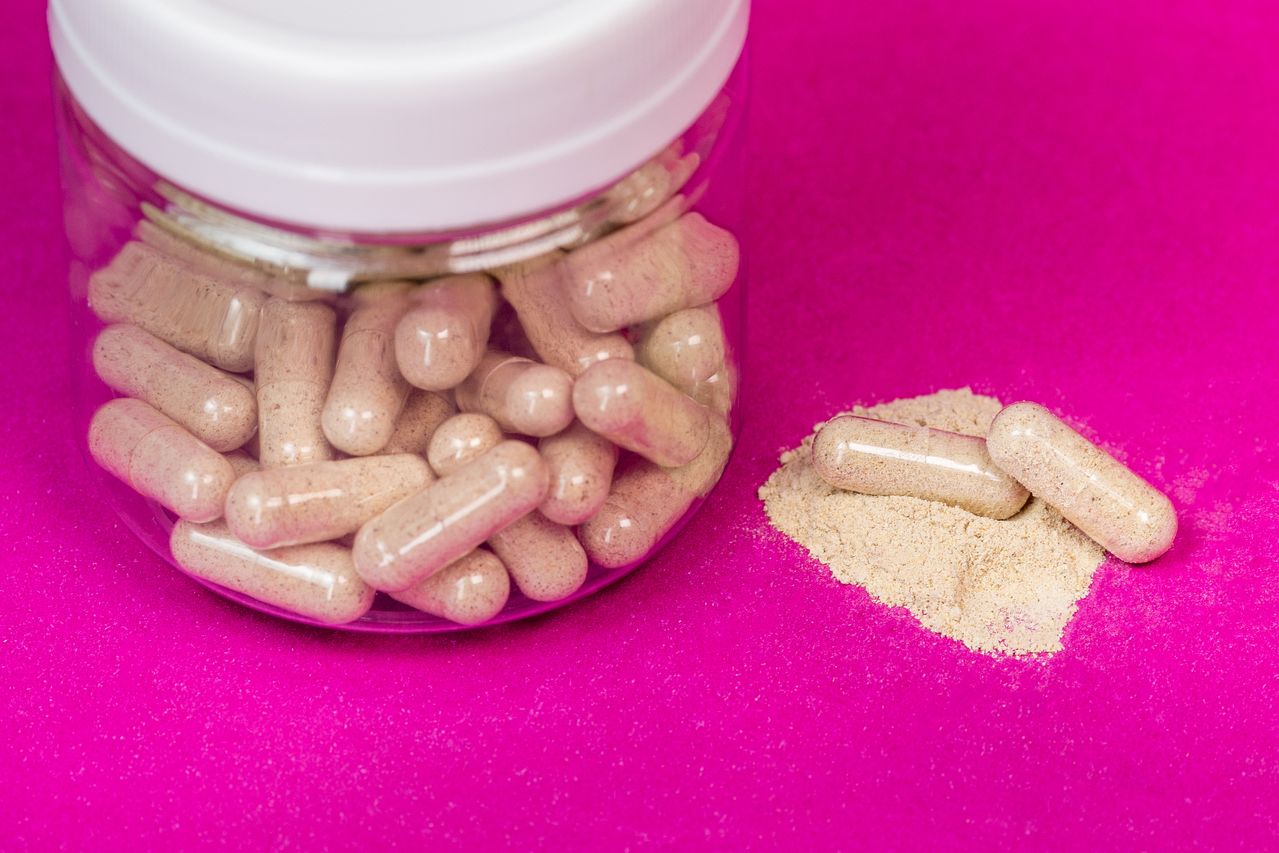
Money has not flowed into probiotics in a straight line. NBJ’s own numbers show probiotic supplement sales growth falling from 17.1% in 2017 to 10.2% the following year, a slowdown sharp enough that trade press at the time openly questioned whether the category had peaked. It had not, but the rebound came from an unexpected direction.
Rather than pills and capsules regaining momentum, food and beverage formats picked up the slack, an early signal of the pivot Activia’s 2025 relaunch now represents.
NBJ separately tracks a Gut Health Report that splits supplement shoppers into two camps, one it calls Gut Optimizers and another it calls Digestive Relief Seekers. This segmentation suggests the market is no longer selling one story to one type of buyer.
Where the dollars are actually landing
SPINS, the retail analytics firm most natural-channel brands use to track shelf performance, has flagged digestion-focused products, prebiotic fiber, and probiotic formulas as a standout growth pocket within its Natural Enhanced and multi-outlet channel data.
Organic-labeled supplements grew 1.8% to $1.7 billion in the 52 weeks ending in late 2024, with digestion specifically named as a driver within that figure.
Put the two data providers side by side and a pattern holds across both. Whether measured through NBJ’s category-level sales tracking or SPINS’ retail-shelf data, probiotics keep showing up as one of the few reliably growing lines in a supplement market where several older categories, condition-specific formulas among them, have gone flat or shrunk.
Related: 6 Supermarket Strategies That Make You Overspend
The industry’s growth story runs into a consumption problem
Here is where the market data collides with what people are actually consuming.
A separate NHANES-based analysis published online September 7 in Clinical Gastroenterology and Hepatology, led by University of Michigan physician Kira L Newman, found that probiotic supplement use among US adults climbed 287% between 2009 and 2023, from 1.8% of adults to 6.96%. Children and teens rose even faster, up 786 percent.
That NHANES figure tracks individual usage rather than industry dollars, a different measure than NBJ’s sales data, but it points in the same direction.
More Americans are buying into the category than ever before.
Related: As Americans Get Health-Conscious, 7 Food Giants Are Cashing In on a $2.3 Trillion Market
The plate has not followed the cart
What has not moved is diet. Daily fiber intake among adults in the same NHANES sample slipped slightly, from 8.52 to 8.26 grams per 1,000 calories, while federal guidance recommends 14 grams.
Consumption of high-microbial foods, the raw produce and fermented items federal dietary guidelines point to ahead of supplements, stayed close to flat across the same fourteen years.
Newman’s team also found that probiotic supplement users are disproportionately higher-income and college-educated, a demographic overlap that mirrors the shopper profile brands like Danone are targeting with premium reformulated products rather than mass-market ones.
What it means for the shelf
For an industry that just posted its strongest specialty-ingredient growth in years, the mismatch between rising probiotic purchases and flat dietary patterns is not necessarily bad news.
It is closer to a market opportunity hiding inside a data gap. Brands betting on functional food formats, not just capsules, appear to be reading that gap correctly, and the NBJ and SPINS numbers suggest retailers are rewarding them.
Whether that translates into Americans actually eating more fiber, or simply buying more products that promise to substitute for it, is the open question heading into 2026.
Other Posts You May Like
If you like what you just read, then subscribe to our newsletter and follow us on social media.


