


A generation ago, children could disappear on their bicycles for half a day, question an adult at their own risk, and hear “because I said so” as the beginning and end of a family discussion. Try some of those parenting rules now, and we would probably start an argument before breakfast.
Parenting has never followed one universal rulebook, and Baby Boomer households were certainly not identical. Still, many children who grew up during the 1960s, 1970s, and 1980s experienced a style that prized obedience, independence, toughness, and adult authority. Parents generally had fewer digital tools for supervision, less access to modern child-development research, and very different expectations about how much explanation children deserved.
We have changed more than the technology. We now talk openly about emotional regulation, consent, healthy boundaries, attachment, mental health, online safety, and a child’s developing sense of autonomy. Some old-school practices still contain useful lessons, particularly when it comes to independence and responsibility. Others would clash head-on with how many families approach parenting today.
Here are 6 parenting rules that once sounded completely ordinary but could cause serious chaos in a modern household.
“Children should be seen and not heard”
Few old-fashioned sayings reveal the generational divide more clearly.
The rule was simple: adults talked, children listened. Interrupting was rude, challenging an adult was worse, and joining an adult conversation without permission could earn an immediate correction. Respect often meant silence.
We still need to teach children when it is appropriate to speak, how to listen, and why constantly interrupting other people is inconsiderate. Good manners did not suddenly become obsolete. What has changed is the assumption that respect requires a child to have no voice.
We increasingly want children to explain what happened, describe uncomfortable situations, identify their emotions, ask questions, and respectfully disagree. Those skills matter long before adulthood. A child who learns that speaking up is automatically disrespectful may also hesitate when something genuinely needs to be said.
Modern parenting therefore tends to distinguish between having a voice and controlling the room. We can tell children, “I want to hear what you think, but wait until she finishes speaking.” That teaches both confidence and courtesy instead of treating them as opposites.
Related: 5 Positive Parenting Techniques for a Calmer, Happier Home
“Stop crying or I’ll give you something to cry about”
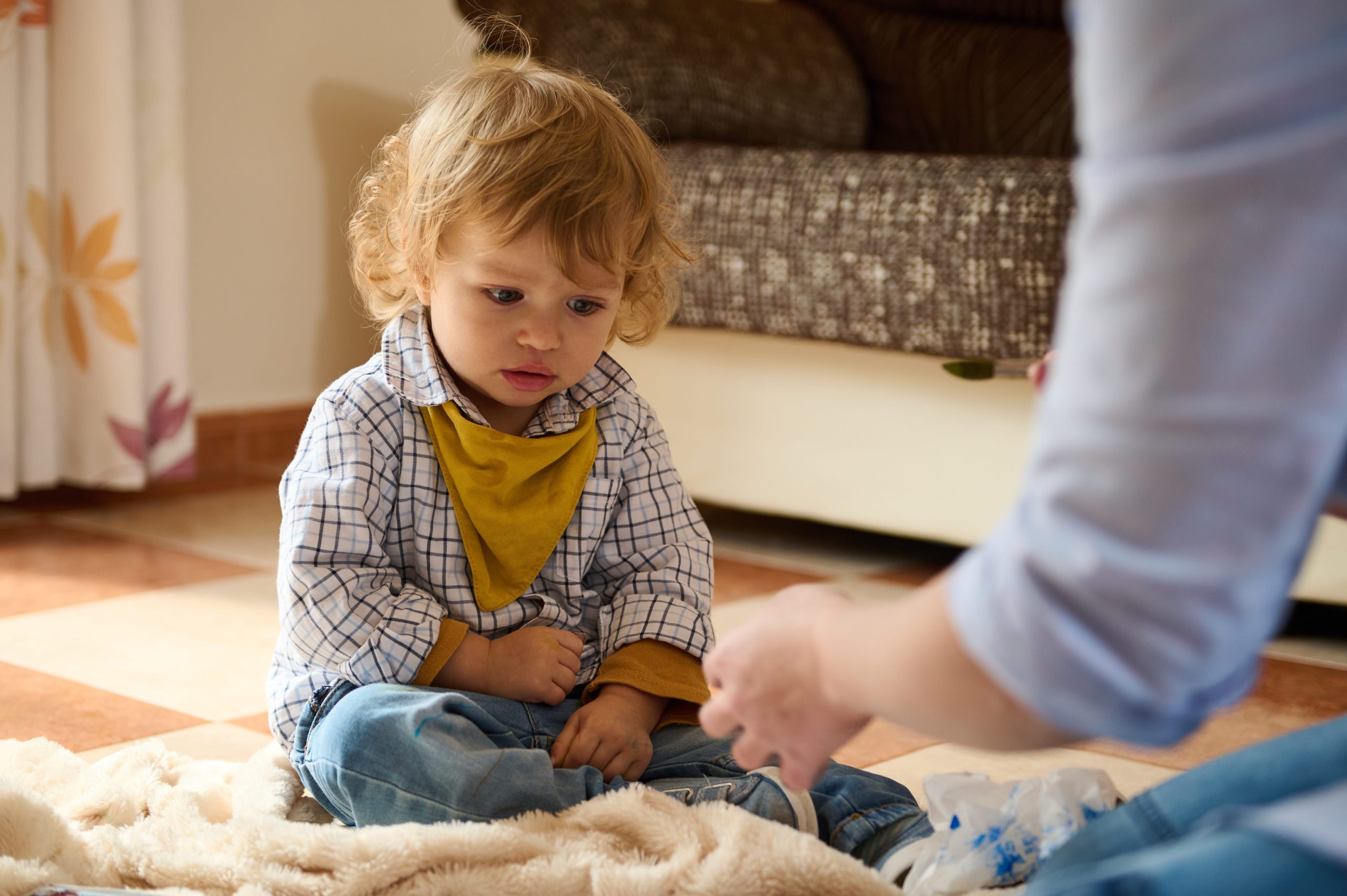
This sentence probably sends a shiver of recognition through more than a few adults.
Older generations often treated visible emotion as something children needed to control quickly. Crying could be interpreted as complaining, weakness, dramatics, or an attempt to get attention. Toughening children up was considered preparation for a difficult world.
We now understand emotional development differently. Young children do not enter the world knowing how to regulate disappointment, fear, anger, embarrassment, or frustration. They learn those skills gradually.
That does not mean every emotional reaction should change the rule. A child can be furious that we said no to another cookie, and the answer can remain no. We can acknowledge the feeling without surrendering the boundary: “I know you are disappointed. You really wanted another one.”
There is a big difference between teaching children they can survive uncomfortable emotions and teaching them those emotions are unacceptable. The first develops coping skills. The second may simply teach children to hide what they feel.
“Go outside and come home when the streetlights turn on”
For millions of children, this was not a figure of speech. We left the house with bicycles, baseball gloves, roller skates, or absolutely no plan at all, then wandered through neighborhoods with remarkably little adult supervision. Parents might have known we were “somewhere with the other kids,” but no smartphones displayed our location, no family tracking apps, and no easy way to send a quick text asking whether everything was okay.
That freedom created experiences many modern parents would love their children to have. We learned to negotiate games, solve minor disputes, find our way home, recover from boredom, and make decisions without an adult directing every move. Unstructured outdoor play can still provide children with opportunities to develop independence, judgment, creativity, and confidence.
The difference is that our expectations of supervision have changed. Traffic patterns, community design, parental work schedules, digital communication, and public attitudes toward children being alone all influence what families consider reasonable. A six-year-old roaming several blocks unsupervised may attract concern in a way that would have seemed unusual decades ago.
We do not necessarily need to choose between total freedom and constant surveillance. Modern families can build age-appropriate independence by setting boundaries, teaching children how to respond to emergencies, choosing safe areas, and gradually increasing freedom as children show responsibility.
“Because I said so”
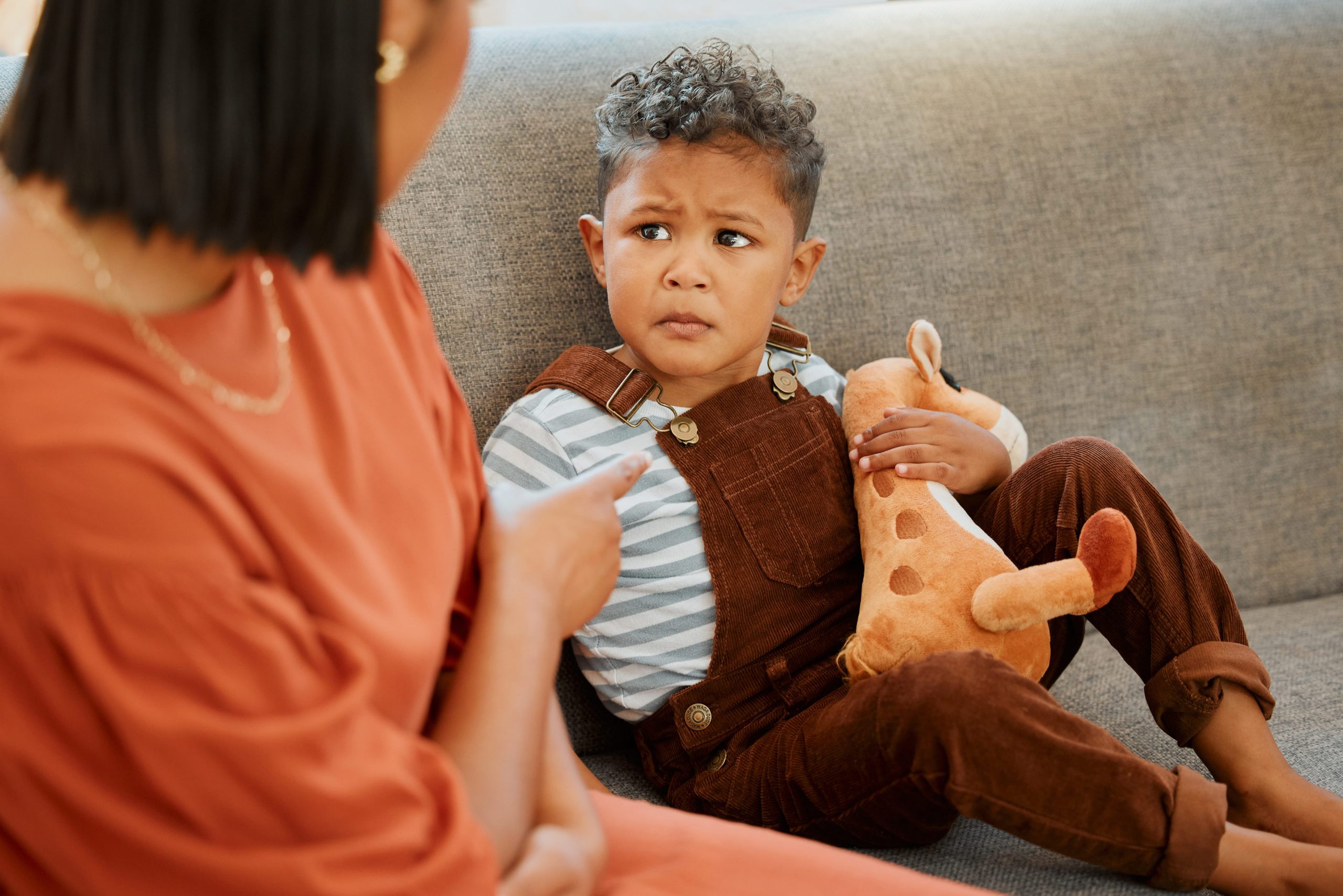
Every generation has probably heard this sentence, but older parenting styles often gave it tremendous power.
A child asked why bedtime was at 8:30.
“Because I said so.”
Why couldn’t we go to the party?
“Because I said so.”
Why did our sibling get permission when we didn’t?
“Because I said so.”
The phrase worked because the rule itself was built around hierarchy. Parents made decisions. Children followed them. An explanation was optional.
Modern parents often take a different approach because explaining a boundary does not automatically weaken it. We can remain firmly in charge while giving children enough information to understand the reasoning behind a decision.
“You cannot play near the road because drivers may not see you” teaches more than “because I said so.” “The tablet goes away at bedtime because your brain and body need sleep” gives a child something useful to understand, even if the answer remains no.
That does not mean every household decision needs a 40-minute negotiation. Parents sometimes need immediate cooperation, especially when safety is involved. We can explain later. The important shift is that authority no longer has to depend on mystery.
Related: If You Want Your Adult Children to Enjoy Spending Time With You, Stop These 7 Conversation Habits
“Walk it off”
Fall off the bike? Walk it off.
Lose the game? Walk it off.
Get teased at school? Ignore it.
Bad day? Toughen up.
There was something almost admirable about the old expectation that children should recover from setbacks instead of allowing every inconvenience to become a crisis. Resilience still matters. Children need opportunities to experience disappointment, frustration, losing, mistakes, and ordinary discomfort.
The problem comes when “walk it off” becomes our answer to everything.
A minor scrape and a potentially serious injury do not deserve the same response. Neither do a temporary argument with a friend and repeated bullying. Children need to learn the difference between discomfort they can manage and situations that call for asking for help.
Modern parenting at its best is not about removing every obstacle. We should not rush in to rescue children from every failed homework assignment, friendship disagreement, or frustrating soccer practice. Instead, we can help them evaluate the problem.
Sometimes the answer really is, “You are okay. Try again.”
Sometimes the answer is, “We need to take this seriously.”
Knowing which one applies is the parenting skill.
“You don’t get privacy until you pay the bills”
A closed bedroom door could once be treated almost like an act of rebellion.
Some parents believed children had no legitimate expectation of privacy because adults owned the house and paid the bills. Bedrooms could be searched. Diaries might be read. Phone conversations could be overheard. Asking everyone to knock before entering could be interpreted as suspicious behavior.
Modern parenting creates a more complicated balance.
Children and teenagers need more privacy as they develop an independent identity. Having personal conversations, changing clothes without interruption, keeping ordinary private thoughts, and spending time alone can all be part of growing up.
At the same time, parents remain responsible for safety. A teenager’s privacy cannot become an absolute barrier when there are legitimate concerns involving self-harm, exploitation, drugs, dangerous online behavior, abuse, or another serious threat.
The modern approach is often privacy with boundaries, not secrecy without limits.
We can knock before entering while still making clear that parents will intervene when safety is genuinely at risk. That approach sends an important message: privacy is respected, but family responsibility does not disappear.
Related: 7 Parenting Choices That May Lead to Entitled Children
The best parenting lessons may sit somewhere between generations

We should be careful not to turn generational parenting into a competition.
Baby Boomers didn’t invent every strict parenting practice, and modern parents didn’t invent compassion. Families have always differed according to culture, income, neighborhood, personality, religion, family structure, and individual circumstances.
Still, the shift is impossible to miss.
We once expected children to adapt almost completely to the adult world. Now we spend more time considering how the adult world affects the developing child.
That change has produced better conversations about emotional health, consent, privacy, food, communication, and safety. Yet the older emphasis on independence, persistence, responsibility, and learning through experience remains valuable.
Perhaps the real lesson is not that everything our parents did was wrong.
It is that each generation gets another chance to decide which rules deserve to survive.
We can keep the resilience without dismissing pain. We can teach respect without demanding blind obedience. We can encourage independence without abandoning supervision. We can maintain authority without silencing questions.
And if we occasionally tell the kids to go outside and entertain themselves for an hour? Maybe that’s not such a bad thing; some old-school ideas may still deserve a comeback.
Other posts you might like
-
8 Surprising Parenting Sacrifices You Never Understood Until You Became a Parent
-
5 Ways Parenting Is Draining Your Finances Faster Than You Realize
-
6 Single Dad Stereotypes That No Longer Hold Up in Modern Parenting
The post 6 Old-School Parenting Rules Boomers Grew Up With That Would Spark Chaos Today first appeared on Crafting Your Home.
If you like what you just read, then subscribe to our newsletter and follow us on social media.


