

The post What Happens to All the Homes Boomers Refuse to Sell When They Finally Move to Senior Living? first appeared on Crafting Your Home.
The math on the American housing market stopped adding up years ago. Baby boomers now hold the largest share of the country’s housing stock, and most have no intention of giving it up. 61% of boomer homeowners say they will never sell, according to a 2025 survey from Clever Real Estate, a jump of seven percentage points from the year before.
That number should worry anyone waiting for a starter home to hit the market. It should also unsettle the boomers themselves, because staying put forever was never actually the plan. The plan was to sell high, downsize, and use the profit to fund the very senior living communities now bracing for a wave they cannot house.
The refusal to sell is a financial calculation more than a sentimental one

Boomers are not simply attached to their kitchens. Nearly half of boomer homeowners, 49%, worry that cuts to Social Security or Medicare could eventually force them out of their homes, the same Clever Real Estate research found. An earlier edition of that survey series found 25% cannot afford to move, and 16 percent named the cost of assisted living directly as the reason they are staying put.
Redfin senior economist Sheharyar Bokhari put it bluntly: boomers don’t have much motivation to sell, financially or otherwise. Redfin’s own polling found a third of boomer homeowners believe they will never sell, while another 30% do not plan to for at least a decade.
Senior housing cannot expand fast enough to absorb them anyway
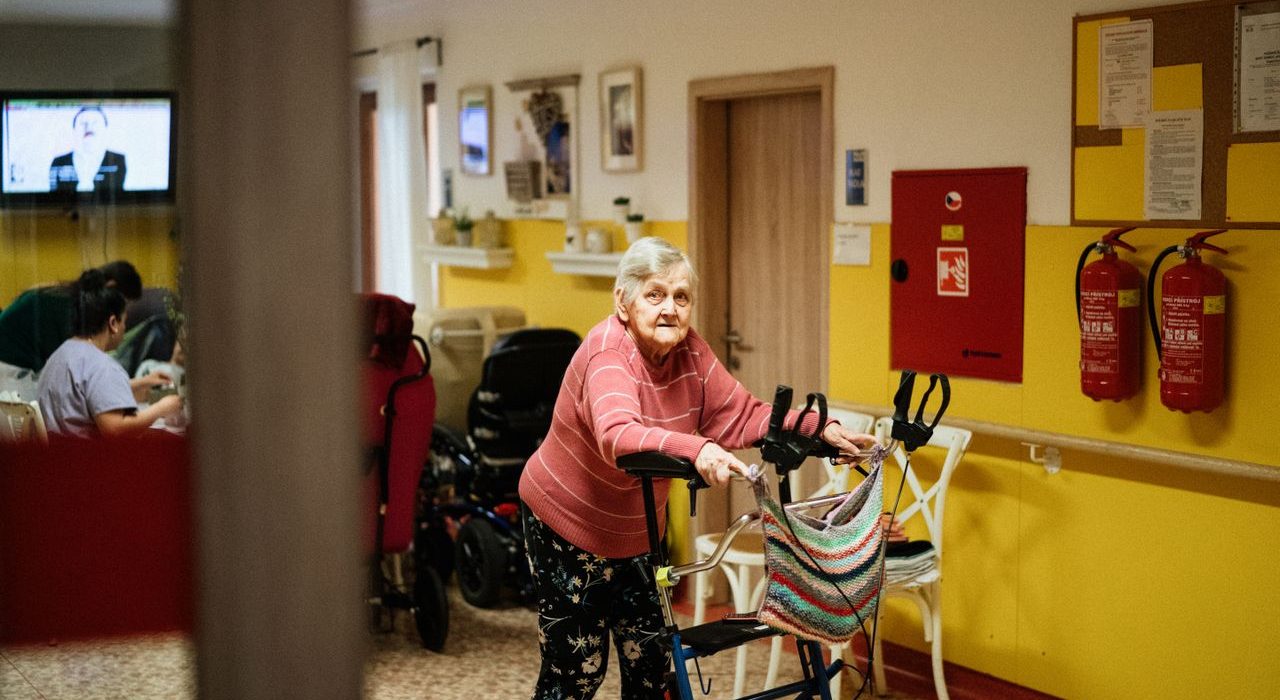
Even boomers who want out have almost nowhere to go. Inventory growth across senior housing communities was just 1% in 2025, the lowest rate the National Investment Center for Seniors Housing and Care has recorded since it began tracking the sector in 2006. More than 4 million boomers will turn 80 in the next five years alone.
Higher interest rates have frozen new construction right as demand accelerates. Average rent at Aegis, one senior living operator, already runs close to 12,000 dollars a month once care and services are folded in, and residents typically cover that cost using proceeds from a home sale.
One executive at the company told CNBC his firm has six buildings stuck waiting on refinancing, calling it a catastrophic problem for the industry after 28 years without more than two stalled at once.
Related: 10 Dark Realities of Aging in America That Many Seniors Face in Silence
A university study says millions of these homes may never sell at all
The homes waiting behind that logjam might not find buyers even once they hit the market. University of Arizona researcher Arthur C. Nelson modeled homeownership by age group through 2038 and found there could be fewer homeowners under 65 than in 2018, even as nearly every homeowner over 65 keeps their house. He calls the resulting mismatch The Great Senior Short Sale.
Nelson’s research, published in the Journal of Comparative Urban Law and Policy, projects a surplus that could reach 15 million homes by 2040, concentrated in slower-growing suburbs and rural areas rather than booming metros like Phoenix. He estimates the effect will surface gradually, at roughly 500,000 to a million homes a year, not as a single crash.
The homes they hold are already reshaping who gets to buy at all

Boomers aren’t just sitting on inventory; they are still actively dominating the buying side of the market, too. Realtor.com data shows boomers account for 42% of home purchases and 52% of sales nationally. First-time buyers, meanwhile, made up just 21% of the market, the lowest share in more than four decades.
The country’s housing supply deficit reached 4.03 million homes last year, per the same reporting, even as a Mortgage Bankers Association analysis projects new construction could add 10.6 million to 14.6 million units between 2026 and 2035.
Whether that eases the squeeze depends entirely on where those units get built and whether boomers have actually left the homes younger buyers want.
Related: 9 Home Trends That Are Making Houses Feel Less Like Showrooms and More Like Places People Love
Most boomers will leave the way their parents did
The quiet truth underneath all of this is that voluntary downsizing was never going to solve the bottleneck. Most boomers aren’t moving into a two-bedroom condo at 78. They are living out their final years in the house, often alone after a spouse dies, and the property changes hands only through the estate.
That transfer rarely goes smoothly. Adult children often inherit homes that need repairs, without a clear will or trust in place, while emotional attachment delays the decision to list. A market recovering from a parent’s death does not pause for mourning, and probate timelines do not bend for grief either.
Washington has no real plan for the coming glut
Nelson’s study does not stop at diagnosis. He has floated a federal buyback program modeled on FEMA’s approach to homes damaged by natural disasters.
He is arguing it would be cheaper than letting seniors default into public assistance in remote areas the market has already abandoned.
He has also proposed state-level policies letting empty nesters divide oversized homes and share them with younger tenants who can double as caregivers, an approach already tested in Minneapolis, Seattle, and across Oregon.
Other Posts You May Like
- If Boomers Are So Great, Why Is Gen Z, the Kids They Raised, the Opposite?
- 10 Issues Driving a Bigger Divide Between Boomers and Younger Americans
If you like what you just read, then subscribe to our newsletter and follow us on social media.


