
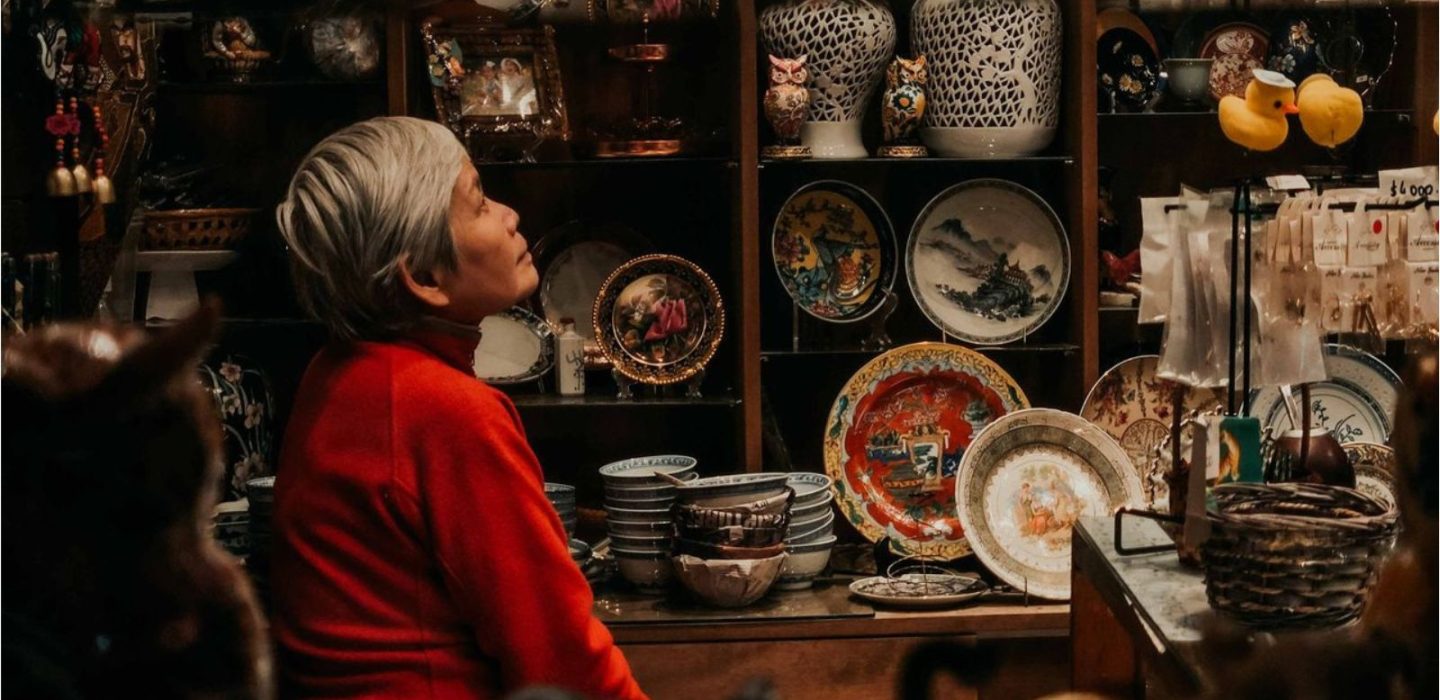

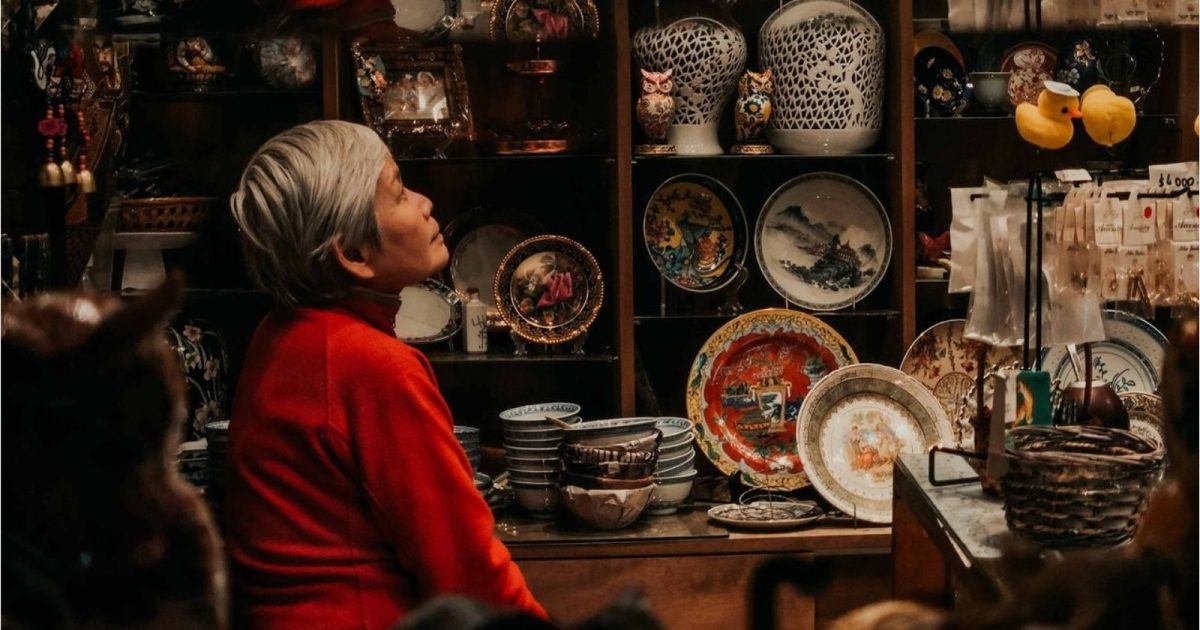
The post Boomers, Stop Hoarding the China. Millennials Don’t Want It as an Inheritance first appeared on Crafting Your Home.
The problem with inheriting a dozen place settings is the expectation attached to the plate. Someone else decided the object mattered, and the next generation is often expected to make room for it, protect it, move it, and eventually pass it along again.
Recent research on American inheritance preferences points toward a broader shift. A 2026 study commissioned by 1-800-GOT-JUNK? and conducted by Talker Research found that 54% of respondents preferred inheriting a few meaningful items with personal notes rather than receiving everything a relative owned. The study also found that cash, photographs and jewelry ranked above most household possessions among items people expected to leave as inheritances.
Moreover, strong personal relationships, spending on experiences over things, and striving for financial security are key factors that make American millennials happier.
Not the china.
The china tradition came from a very different American household

Fine china was never simply about plates.
After World War II, American suburban life helped turn household goods into markers of adulthood, marriage and prosperity. The popularity of fine china and similar household goods rose in the postwar period, when young families moved into suburban homes and accumulated possessions associated with the American dream.
Wedding gifts reinforced the cycle.
A young couple could receive formal dishes, serving pieces, crystal and silverware, then store them until holidays or important dinners. The collection represented preparedness for a particular kind of domestic life.
The trouble began when lifestyles changed faster than objects did.
A Millennial living in a smaller home who rarely hosts formal dinners has little practical reason to maintain several boxes of fragile dishes. The emotional value may still exist, but practical value can disappear.
Adam Minter, author of Secondhand: Travels in the New Global Garage Sale, described the accumulation of china across multiple generations as a common American problem. He eventually gave away his mother’s china after neither he nor his sister wanted it.
The uncomfortable part is that the younger generation can love the person who owned the china without loving the china.
Those are separate relationships.
Millennials are inheriting a storage problem along with the sentiment
Physical space changes the inheritance equation.
AARP has written about the difficulty families face when older relatives accumulate possessions that eventually must be distributed, donated, or discarded. In one first-person account published by AARP, the writer described spending two years sorting through belongings after her parents died, after she and her husband had already combined households in a small starter home.
That experience gets at something the romantic version of inheritance tends to ignore.
Someone has to store the stuff.
Someone has to transport it.
Someone has to decide what happens when there is no room.
And if the family refuses to make those decisions before death, the responsibility moves downstream.
60% of Americans say they do not want relatives to have to manage or sort through their belongings after they die. The same research found that 54% preferred receiving a few meaningful items with personal notes instead of inheriting everything a relative owned.
A china cabinet can preserve memories while creating an obligation
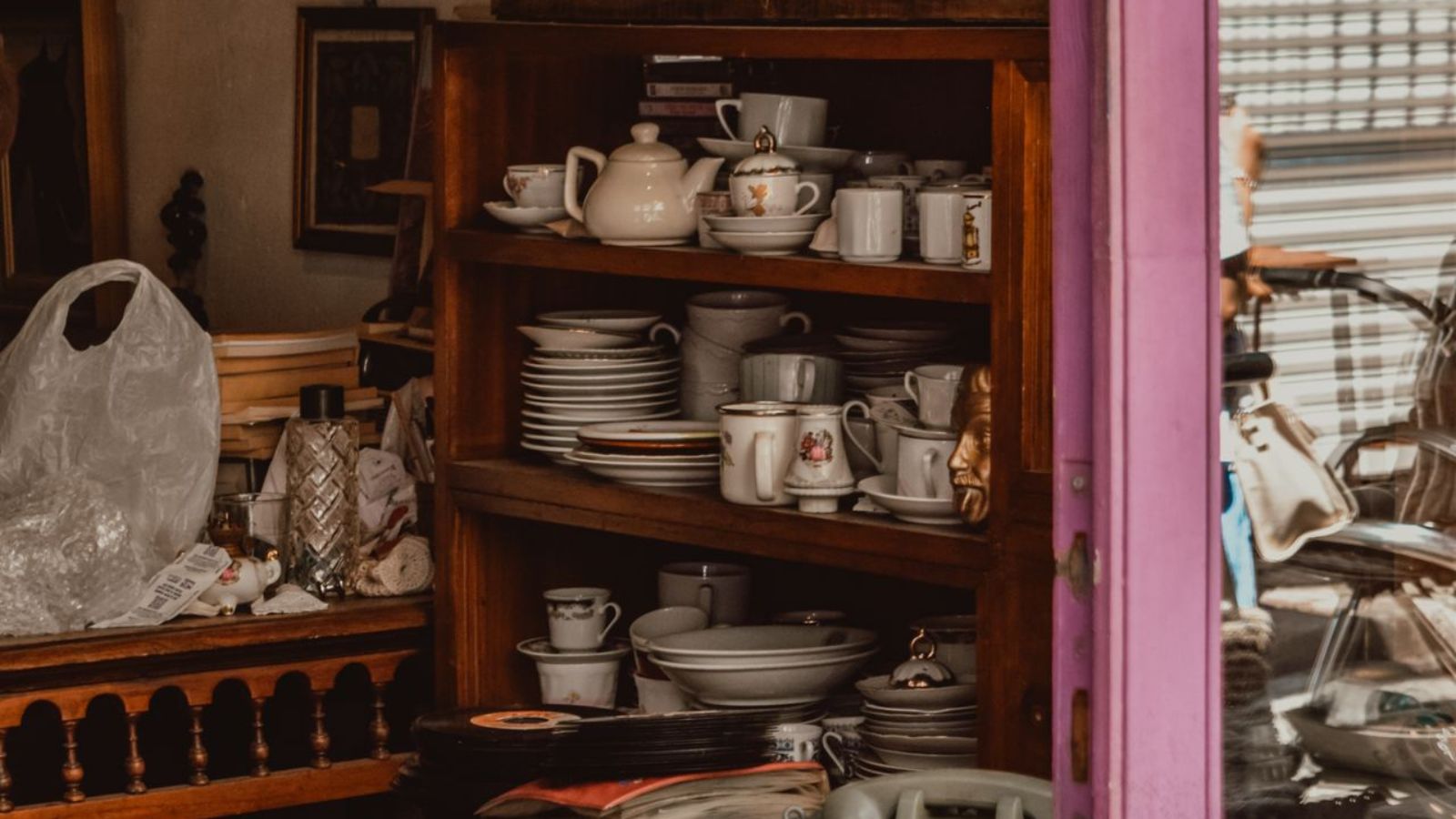
People struggle to throw inherited objects away for a reason.
The object carries a biography.
A dinner plate may have been on Thanksgiving tables. A serving bowl may have belonged to a grandmother. A particular pattern may instantly recall a childhood home.
Those associations can be valuable even when the physical collection is inconvenient.
AARP’s guidance on family heirlooms makes a similar distinction. Its reporting has noted that Millennials may be interested in some inherited possessions, particularly smaller objects carrying strong family memories.
That is where the argument against hoarding china becomes more complicated.
Keeping one teacup from a grandmother’s collection may preserve more memory than keeping twelve place settings that sit untouched in a closet.
The emotional significance can survive downsizing.
The collection does not necessarily have to.
The real inheritance may be the story, not the dinnerware
Families sometimes fail in strange ways when they transfer heirlooms.
They preserve the object and lose the information surrounding it.
A box of china without a story becomes household inventory. A single plate with the history of who bought it, where it came from and why the family cared about it becomes something else.
The distinction becomes even more important as younger heirs become responsible for possessions they never personally selected.
The 2026 Great Junk Transfer research found that respondents expected photographs and cash to rank among the most commonly inherited items, while jewelry also ranked highly. The research suggests that people place considerable value on objects that either have obvious practical value or carry direct personal meaning.
China can certainly satisfy the second category.
But some sentimental connection has to exist.
A parent cannot simply declare an entire cabinet meaningful and assume the child will experience the same attachment.
Inherited stuff often arrives too late
Inheritance planning usually gets framed around money.
That makes sense because houses, investments, retirement accounts and other financial assets can have substantial consequences for heirs. Yet personal property creates its own problems because families often postpone discussing it until someone has died.
The result can be an enormous sorting exercise at precisely the moment when family members are already dealing with grief.
AARP has recommended making decisions about possessions before they become part of an estate, including deciding what should be distributed, donated or discarded.
Evidence also suggests Americans have complicated expectations around inheritance.
A 2025 study examined how American and Chinese participants viewed inequalities created by intergenerational transfers. The researchers found that American participants showed a pronounced aversion to inequality resulting from parental transfers compared with inequality associated with self-earned wealth.
That research concerns wealth rather than china, so it should not be stretched into a claim about household decoration.
It does, however, underline a useful distinction: inheritance is not experienced uniformly by the person giving something and the person receiving it.
The giver sees continuity.
The recipient may see responsibility.
Some Millennials will want the china, and that matters
An easy trap here is turning a generational pattern into a universal rule.
Some Millennials absolutely want family china.
Some use it.
Some may appreciate receiving an entire collection, particularly if they have the space and already associate formal dining with their own household.
Others may want one serving platter, a teacup or a few plates while declining everything else.
That variation is exactly why blanket inheritance expectations are so fragile.
Younger heirs may value objects tied to strong memories while having little interest in receiving every possession a parent or grandparent accumulated.
The useful question, then, is not whether Millennials like china.
It is whether the recipient wants the specific china being offered.
Those are very different questions.
Related: 10 Reasons Some Boomers Are Choosing Not to Leave Their Wealth to Millennials
The worst inheritance is an obligation disguised as a gift
Calling something an heirloom can make refusal feel cruel.
That emotional pressure can turn generosity into a negotiation.
A parent says the dishes are valuable because they have survived for decades. The adult child sees another box that has to fit inside an already crowded home.
Neither person necessarily misunderstands the object.
They are assigning different costs to it.
The older generation may be measuring sentimental value. The younger generation may be calculating storage space, transportation, maintenance and future disposal.
That second calculation matters because unwanted possessions don’t disappear when someone accepts them.
They simply become somebody else’s problem.
Related: Boomers, Here Are 8 Main Character Syndrome Habits You Show Every Day
Maybe the most respectful thing Boomers can do is let the collection end
An heirloom does not become meaningless because nobody wants to inherit the entire set.
Sometimes preserving the family history means selecting a few pieces and letting the rest leave the family.
A photograph of the original table setting can preserve context. A handwritten note can explain where the dishes came from. One serving platter can remain in the family while the remainder goes to someone who actually wants it.
That approach may feel uncomfortable to someone who spent decades building a collection.
It also respects the person who has to live with the inheritance.
Other Posts You May Like
- 7 Ways Boomers Keep Proving They’re the Worst Generation
- 8 Things Grandparents Say That Stay With Us for a Lifetime
If you like what you just read, then subscribe to our newsletter and follow us on social media.


