

The post Why More Americans Are Swapping Takeout Runs for Homemade Midday Meals first appeared on Crafting Your Home.
For years, lunch in America became synonymous with convenience. Office workers grabbed sandwiches between meetings, professionals ordered delivery with a few taps, and busy families relied on restaurants and ready-made options to get through the day. But a new shift is taking place as more Americans look back to their own kitchens and rediscover the value of making lunch at home.
The comeback of the homemade lunch is not simply about nostalgia. Rising food costs, changing work patterns, and a growing interest in controlling ingredients and spending are encouraging many people to rethink their midday habits. For some, packing leftovers or preparing a quick meal at home has become a practical way to save money while still enjoying food they actually want to eat.
The Price of Buying Lunch Has Changed the Way People Think About the Midday Meal
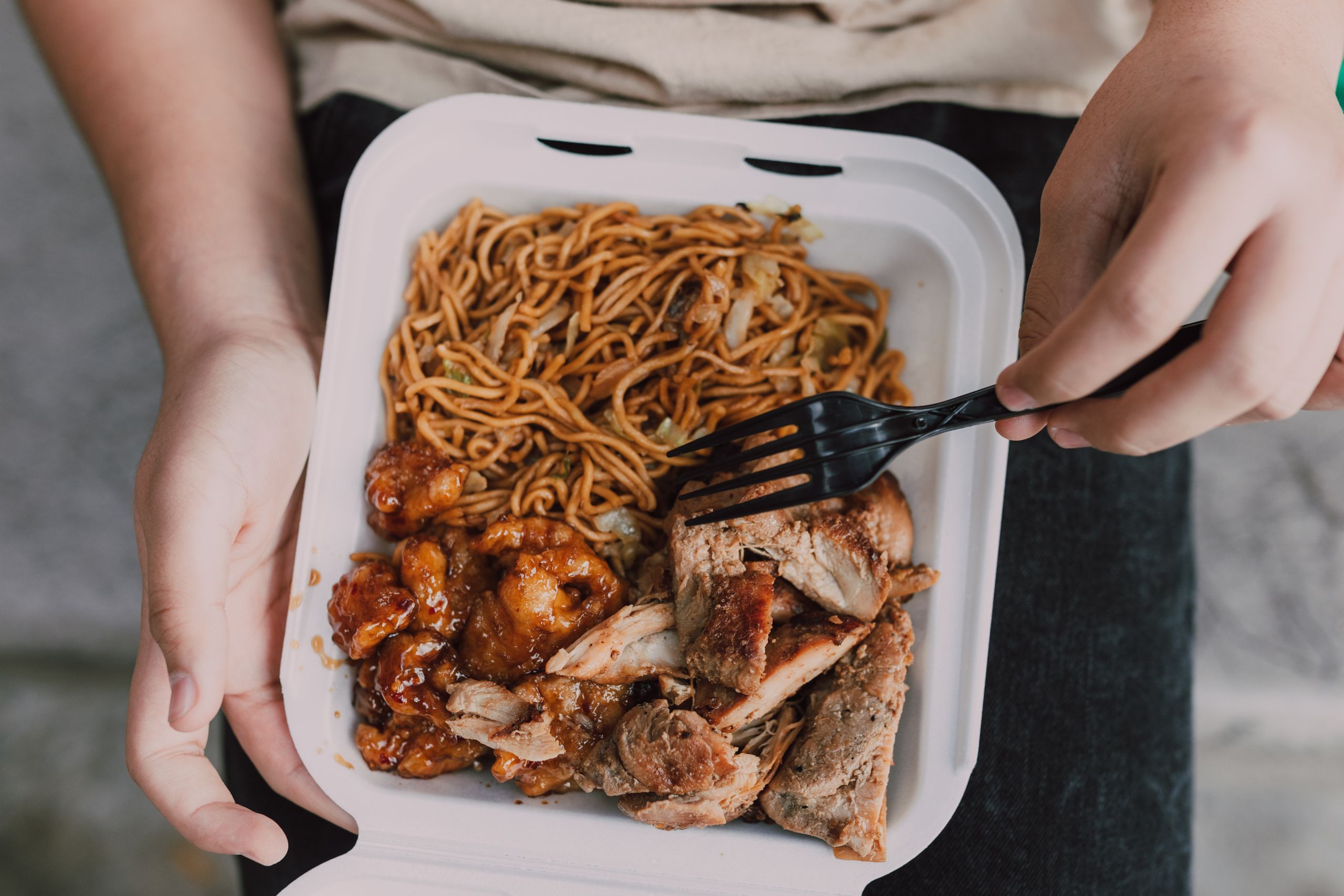
One of the biggest reasons behind the renewed interest in homemade lunches is simple economics. Restaurant meals, delivery fees, and convenience charges have made buying lunch regularly a noticeably bigger expense for many workers. A survey reported by ezCater found that full-time employees were spending an average of $108.68 per week on weekday lunches, with many saying they were cutting back or skipping meals because of cost concerns.
For someone buying lunch five days a week, those small daily purchases can quickly add up to a major monthly expense. A sandwich here, a salad there, and a coffee or drink added on top can turn a routine meal into a significant part of a household budget.
That reality is pushing more people to consider alternatives that once seemed old-fashioned. Leftovers from dinner, homemade wraps, simple salads, pasta dishes, and prepared meals stored in the refrigerator are becoming practical solutions for people who want more control over their spending.
The appeal is not only financial. Cooking lunch at home also allows people to decide exactly what goes into their meals. They can adjust portions, use ingredients already available, and avoid some of the uncertainty that comes with ordering food away from home.
The change reflects a larger pattern in American eating habits. Reuters reported that more Americans have been choosing to eat at home, with economic concerns playing a major role in changing food decisions. Grocery shopping has become more central for households looking to manage expenses.
For many families, lunch is becoming another place where careful planning can make a difference.
Remote Work and Flexible Schedules Are Giving Lunch a New Role
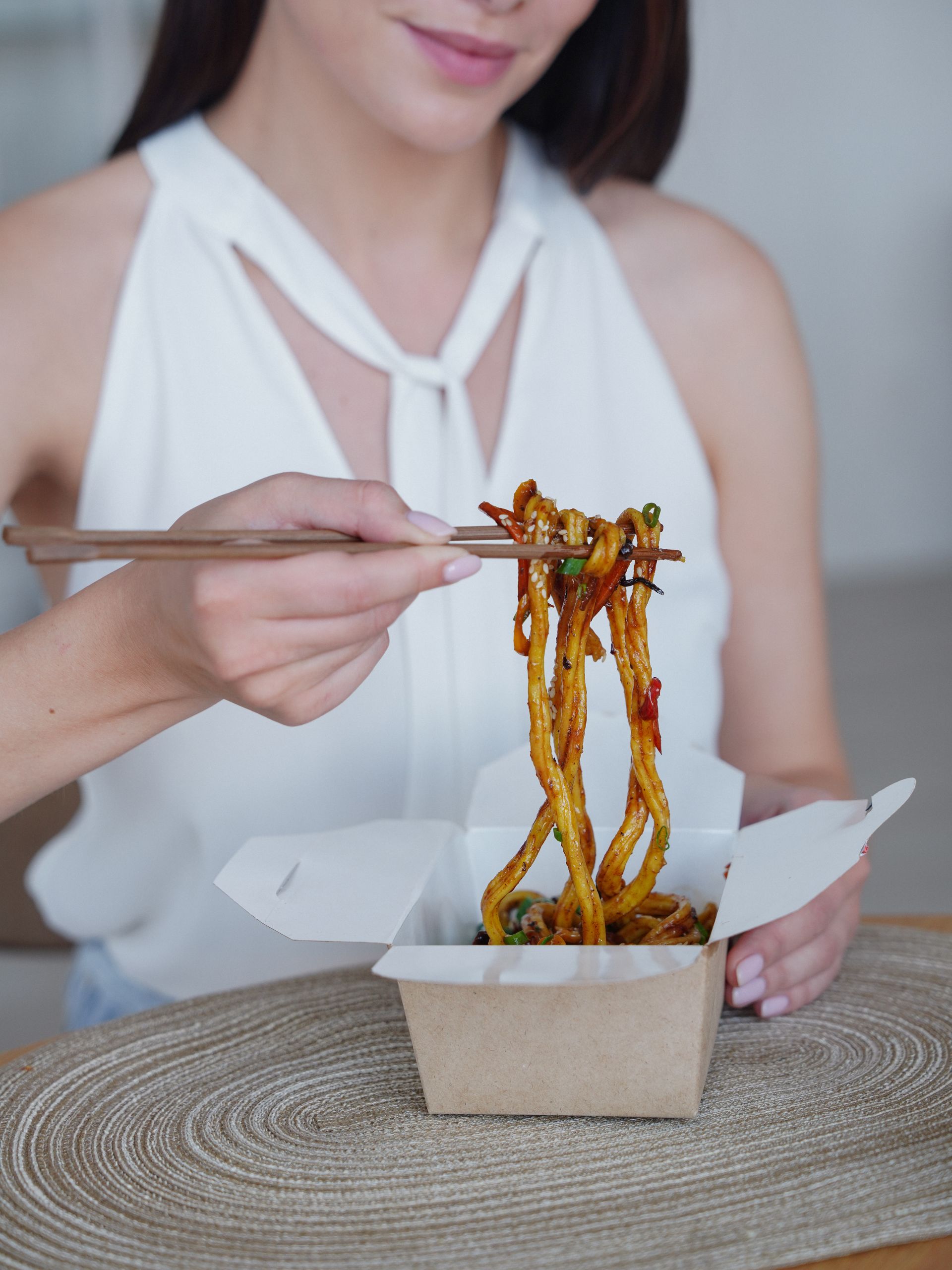
Another factor influencing the return of homemade lunch is the changing workplace. The growth of remote and hybrid work arrangements has allowed many employees to spend more time at home during traditional lunch hours.
Instead of walking to a restaurant near the office or ordering food during a short break, some workers can now prepare a meal at home. A quick homemade lunch can become part of a daily routine rather than an extra task.
The shift has also changed how people think about lunch. For some, the midday meal is no longer just something squeezed between meetings. It has become a chance to step away, prepare something fresh, and create a healthier break from work.
Home cooking trends that grew during the pandemic have continued in different ways. While restaurants recovered and dining out returned, many people kept habits they developed while spending more time at home, including cooking more often and experimenting with recipes.
Campbell’s CEO Mick Beekhuizen previously noted that consumers were cooking at home at some of the highest levels seen since the early months of the COVID-19 pandemic, with demand increasing for products that help people prepare meals at home.
The modern homemade lunch is also different from the packed lunches many people remember from childhood. Today’s versions may include meal-prepped bowls, homemade sauces, creative leftovers, and restaurant-inspired recipes made at home.
Social media has also helped make homemade meals more appealing. Recipe videos, meal-prep ideas, and cooking communities make it easier to find inspiration without advanced cooking skills.
The result is a lunch culture that feels less like a sacrifice and more like a personal choice.
Lunch at Home Is Becoming About More Than Saving Money
While saving money is a major reason people are returning to homemade lunches, it is not the only motivation. Many consumers also want more control over their food choices and daily routines.
Preparing lunch at home can create structure during a busy day. Taking a few minutes to make a meal can become a small break from constant notifications, meetings, and responsibilities.
Nutrition is another factor influencing decisions. Homemade meals let people choose their ingredients, manage portions, and create meals that match their preferences. Although individual goals vary, many people appreciate knowing exactly what they are eating.
Families are also rediscovering lunch as a shared experience. Parents working from home may have more opportunities to eat with children, and households can use meal preparation to involve everyone in planning and cooking.
The growing popularity of home cooking does not mean Americans are rejecting restaurants. Dining out remains an important part of social life and convenience. Instead, consumers appear to be becoming more intentional about when they spend money on prepared food and when they make something themselves.
The future of lunch may not belong entirely to restaurants or entirely to home kitchens. Instead, it may be a balance between the two, where people choose convenience when it matters and homemade meals when they want value, control, or a more personal experience.
The humble lunch box, refrigerator container, and homemade sandwich are proving that old habits can return with a modern upgrade. In a world where almost everything can be delivered instantly, more Americans are finding that sometimes the best midday meal is the one they make themselves.


