



The post Why Your Home Never Feels Fully Clean, Even After You’ve Tidied Up first appeared on Crafting Your Home
You’ve vacuumed, wiped the counters, and put everything back where it belongs. The house looks done. And yet, somehow, it doesn’t quite feel clean.
That gap between “looks tidy” and “feels clean” isn’t in your head. According to professionals who clean homes for a living, most cleaning routines focus almost entirely on what’s visible at eye level, which means a lot of everyday grime never gets touched.
Here’s where that missed buildup tends to hide, and why it keeps that “not quite clean” feeling around no matter how often you tidy up.
Cleaning and Tidying Aren’t the Same Job
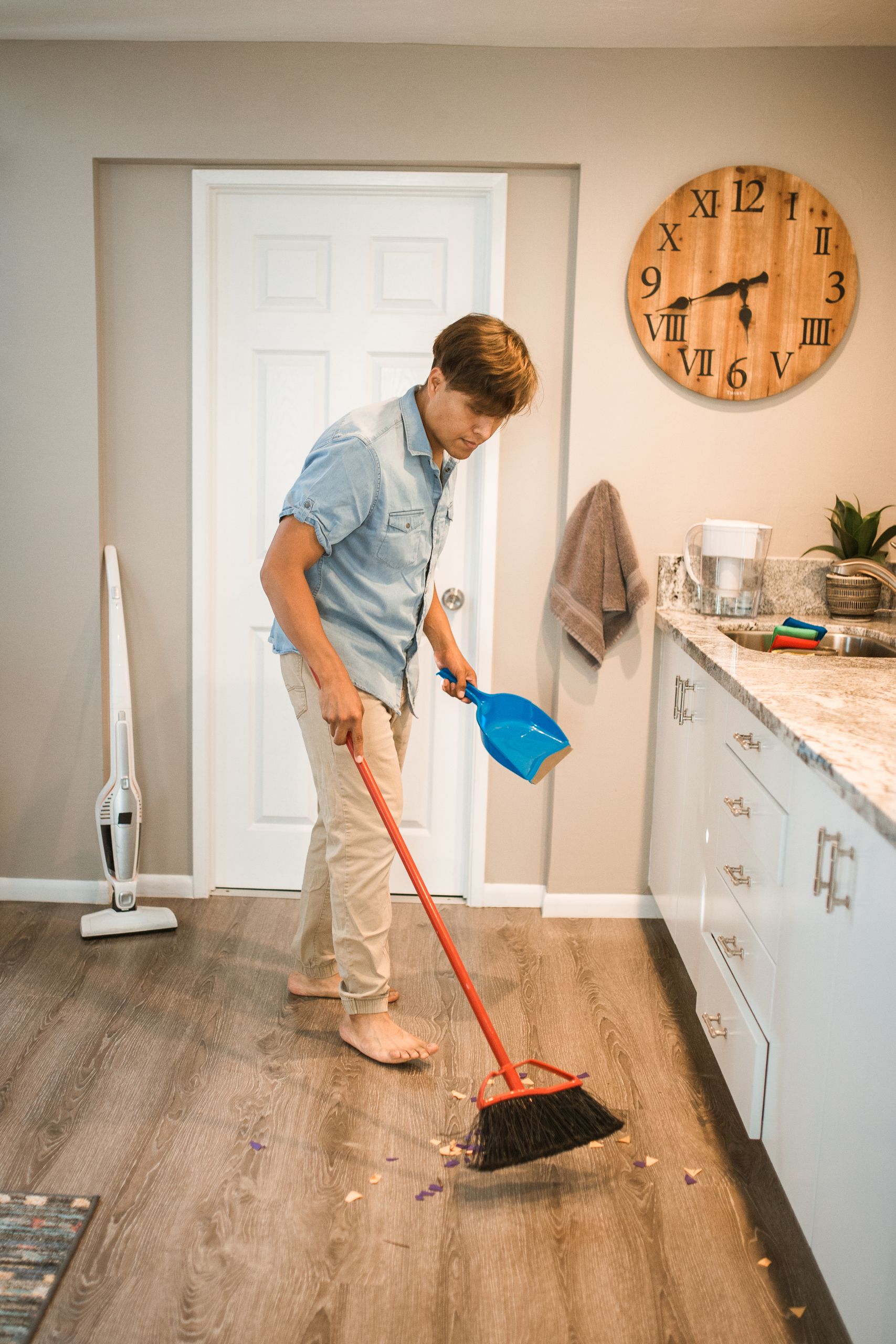
The first issue is a matter of definition. Tidying up put’s things away. Cleaning removes dirt, dust, and grime. A room can be perfectly tidy and still be carrying weeks of buildup nobody can see at a glance.
Carolyn Forté, executive director of the Good Housekeeping Institute’s Home Care & Cleaning Lab, points out that even people who consider themselves meticulous cleaners tend to have a handful of spots they consistently miss, not because they’re careless, but because those spots simply aren’t part of a typical routine. Getting them clean, she notes, provides a distinct kind of satisfaction. “Sure, no one else may ever notice,” Forté says, “but you’ll get the satisfaction of knowing your home is as clean as it can be.”
The Spots That Are Easy to Forget Exist
Some of the dirtiest areas in a home aren’t hidden; they’re just out of the normal cleaning sightline entirely.
Forté points to the gap behind the oven and the underside of kitchen cabinets as common offenders, along with the sides of picture frames, which collect a visible layer of dust the moment you run a finger along them. Even air purifiers aren’t exempt. Forté notes the irony that a machine meant to keep a home dust-free can quietly become a dust trap itself if it isn’t wiped down and vacuumed along with everything else.
None of these spots show up in a normal walk-through. They only reveal themselves when someone actually looks, which is why they tend to accumulate for months at a time.
Related: 7 Ways to Finally Get Your Front Garden Under Control
The Things You Touch Constantly Are Often the Dirtiest
It seems backward, but the most frequently touched surfaces in a home are often among the least frequently cleaned.
Jessica Gonzalez, a professional cleaner and COO of Sparkly Maid San Antonio, tells The Spruce that light switches, door handles, and remote controls fall into a strange blind spot for most households. “They blend into the background and take only seconds each, so they rarely feel like a ‘real’ task,” Gonzalez says.
That’s a problem, especially during colder months when people spend more time indoors. “Indoor air is also drier, so skin sheds more, and that ends up on remotes and switches,” Gonzalez explains. Her fix doesn’t require a deep-cleaning overhaul, just a regular, quick pass. She recommends a five-minute weekly loop through the house hitting only these high-touch spots with a microfiber cloth and disinfecting spray.
Related Post: 6 Gorgeous Garden Lighting Ideas To Transform Your Space
Above Eye Level Gets Neglected Too
If low, hidden spots are one blind spot, the space above your head is another. Door frames, ceiling fans, hanging light fixtures, and the tops of cabinets and refrigerators are consistently flagged by professional cleaners as areas people forget existing, since they require a ladder or step stool most households don’t bother pulling out during a routine cleaning session.
These spots collect just as much dust and allergens as anywhere else in the home. The difference is that dust above eye level doesn’t register the same way a dusty countertop does until it gets disturbed and resettles somewhere lower, like a shelf or the floor you just cleaned.
Tech Gathers Dust Faster Than People Expect

Routers, gaming consoles, and other tech left sitting in a corner or on a shelf are another area Forté flags specifically, since these devices tend to sit undisturbed for long stretches while quietly pulling in dust from the surrounding air.
Because tech consoles are rarely picked up or moved during a normal cleaning pass, dust has plenty of time to settle into vents and crevices that are harder to reach with a basic wipe-down another example of a spot that looks fine from a few feet away but tells a very different story up close.
Related Post: 8 smart gardening hacks that can help you spend less money
The Fix Isn’t Cleaning More; It’s Cleaning Differently
None of this means your cleaning routine has been failing. It means most routines are built around visible, high-traffic areas by default, simply because that’s what’s easiest to see and reach.
The professionals’ advice is less about adding hours to a cleaning schedule and more about rotating a few overlooked spots into the routine regularly: a quick pass on high-touch surfaces weekly, a look behind appliances and under picture frames occasionally, and an above-eye-level sweep every so often with a ladder or extendable duster.
That’s really the difference between a home that looks tidy and one that actually feels clean. The tidiness is about what’s out of place. The “clean” feeling comes from the buildup nobody sees, and once you address it, the difference is usually noticeable almost immediately.
Other posts you might like:
- 9 Garden Sheds That Prove Outdoor Storage Can Look Beautiful
- 8 Pretty Flowers That Can Help Support a Thriving Vegetable Garden
If you like what you just read, then subscribe to our newsletter and follow us on social media.


