


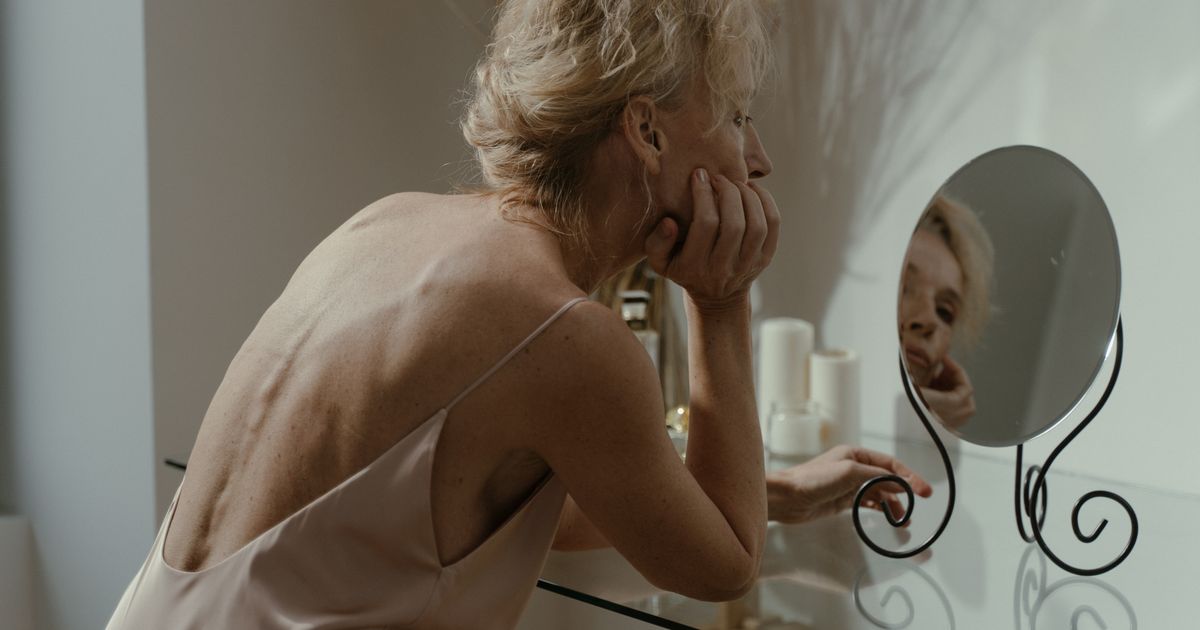
The post 4 Signs Aging May Be Changing Daily Life Before Anyone Notices first appeared on Crafting Your Home.
Aging rarely arrives with a loud announcement. More often, it slips into ordinary moments: a grocery bag that feels heavier than expected, a staircase that suddenly requires more attention, or a favorite restaurant that becomes exhausting because every conversation feels harder to follow.
These changes can be easy to dismiss because they often appear small. A person may adjust a routine, ask for a little extra help, or avoid certain situations without realizing that these choices can slowly narrow everyday independence and connection.
Healthy aging is not about chasing a perfect version of youth. It is about noticing the small signals that affect movement, relationships, confidence, and daily function. The goal is not to fear change, but to understand it and respond with care. The CDC emphasizes that regular physical activity, including aerobic movement, muscle-strengthening activities, and balance exercises, can support health, function, and independence for older adults.
When strength starts affecting independence
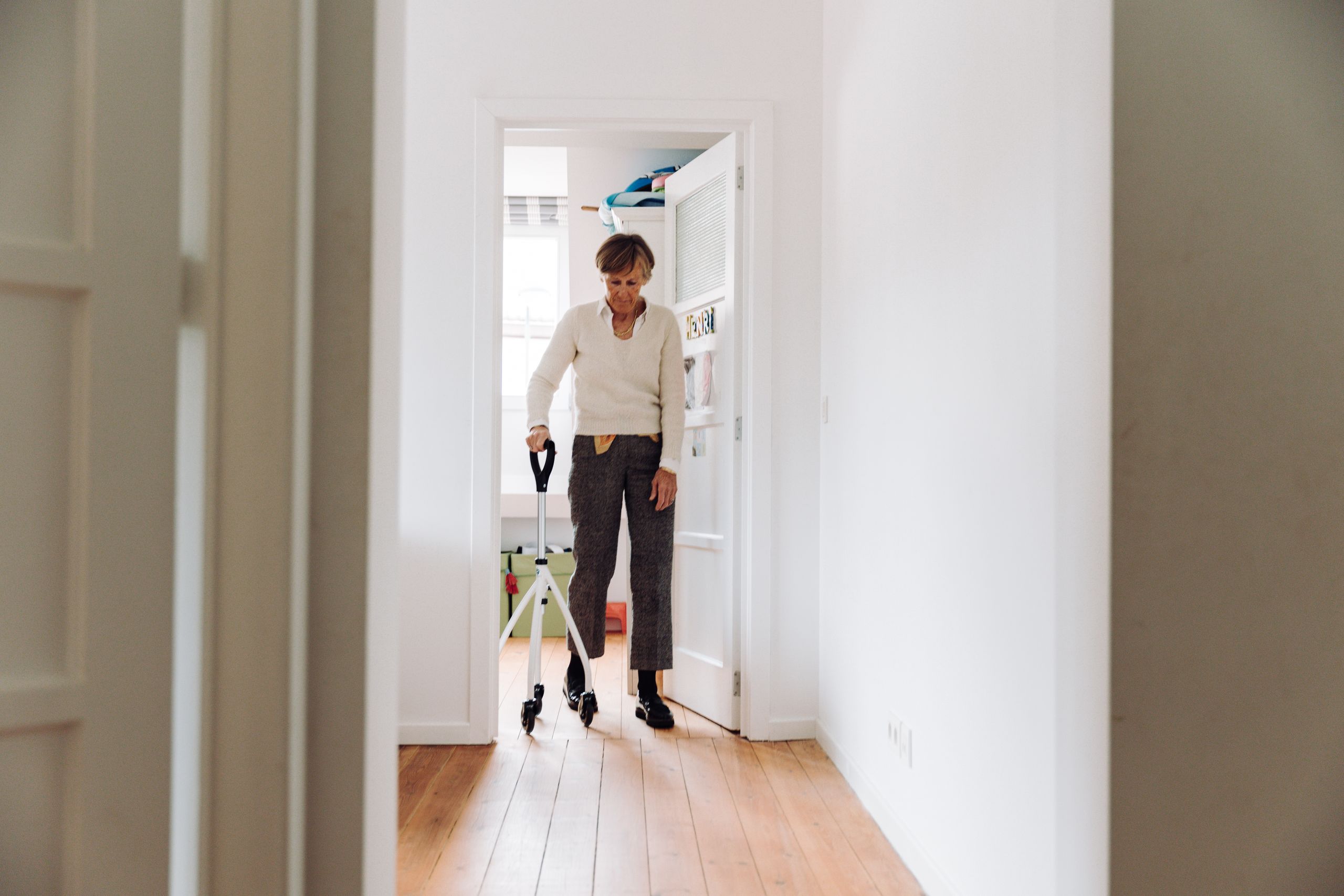
One of the earliest signs of changing mobility may look surprisingly ordinary. It might be the heavy grocery bag that suddenly feels like a workout, a low sofa that becomes difficult to rise from, or the moment when asking someone else to lift something feels easier than doing it alone.
Strength and balance are closely connected to everyday freedom. Muscle loss and balance changes aren’t simply about appearance; they can affect how comfortably someone moves through daily life. The CDC recommends that adults 65 and older include regular physical activity, including at least 150 minutes of moderate activity each week along with muscle-strengthening and balance activities.
A daily walk remains valuable, but walking alone may not address every physical demand of life. Carrying bags, climbing stairs, recovering from a stumble, and maintaining balance require different movements. Adding strength and balance activities can complement regular walking and prepare the body for everyday challenges.
Small balance problems can become bigger warnings.
Many people do not think much about a near-fall. Maybe a foot catches on uneven ground, a hand reaches for furniture while walking, or a person feels less steady than before. Because nothing serious happened, people often forget the moment.
However, these small experiences can remind you to pay attention to movement and your surroundings. The U.S. Preventive Services Task Force says exercise interventions can help prevent falls among community-dwelling adults 65 and older who are at increased risk.
Bone health can also change quietly. Osteoporosis does not always create noticeable warning signs, meaning some people may not know their bones have weakened until a fracture occurs after what seemed like a minor trip or stumble. The USPSTF recommends osteoporosis screening for women 65 and older, with earlier screening for some younger postmenopausal women at increased risk.
Hearing, vision, and connection can change together.
Some changes do not begin with physical limitations. They begin with social adjustments that feel harmless at first.
A person may smile through a conversation they did not fully hear, avoid noisy restaurants, ask others to repeat themselves more often, or gradually turn up the television volume. Hearing changes can affect participation, confidence, and connection with others. The 2024 Lancet Commission includes hearing loss among potentially modifiable risk factors associated with dementia, making hearing care an important part of long-term health maintenance.
Vision changes can also influence daily confidence. Difficulty reading labels, navigating darker stairways, driving after sunset, or moving through unfamiliar spaces may sometimes be blamed on tiredness or poor lighting. Yet vision plays an important role in mobility and safety. The 2024 Lancet Commission also includes untreated vision loss among potentially modifiable dementia-risk factors.
These changes can affect social life in unexpected ways. A friend may begin declining invitations because restaurants are too loud or conversations require too much effort. Over time, fewer shared moments can create distance.
Relationships, sleep, and routine care still matter.

Living alone and feeling lonely are not the same thing. A person can have family, online interactions, and a full calendar while still feeling disconnected. The National Institute on Aging explains that social isolation refers to having too few regular social contacts, while loneliness describes the distressing feeling of being alone or disconnected.
Friendships and social activities are not just extras added after responsibilities are finished. The National Institute on Aging highlights the importance of social connection and notes that research has linked loneliness with faster cognitive decline in a study of more than 8,000 adults older than 65.
Sleep is another area that shouldn’t be dismissed as an unavoidable part of getting older. The National Institute on Aging says older adults generally still need seven to nine hours of sleep each night. Persistent sleep difficulties, especially when they affect daytime alertness or functioning, deserve attention.
Routine health appointments can also become an important form of maintenance. Some conditions, including hypertension, elevated cholesterol, and high blood sugar, may not create obvious daily symptoms. The Lancet Commission identifies factors such as hypertension, diabetes, obesity, smoking, and high LDL cholesterol among modifiable factors associated with dementia risk across the life course.
Aging often becomes harder when small concerns are repeatedly pushed aside. A near-fall gets ignored. A hearing change becomes something to “deal with later.” A checkup feels inconvenient. A favorite activity becomes less appealing because it requires more effort.
The encouraging part is that aging does not have to mean giving up the things that bring meaning and independence. Noticing small changes, maintaining healthy routines, staying connected, and seeking appropriate care when needed can help protect mobility, choices, relationships, and everyday experiences.
Other Posts You Might Like:
If you like what you just read, then subscribe to our newsletter and follow us on social media.


